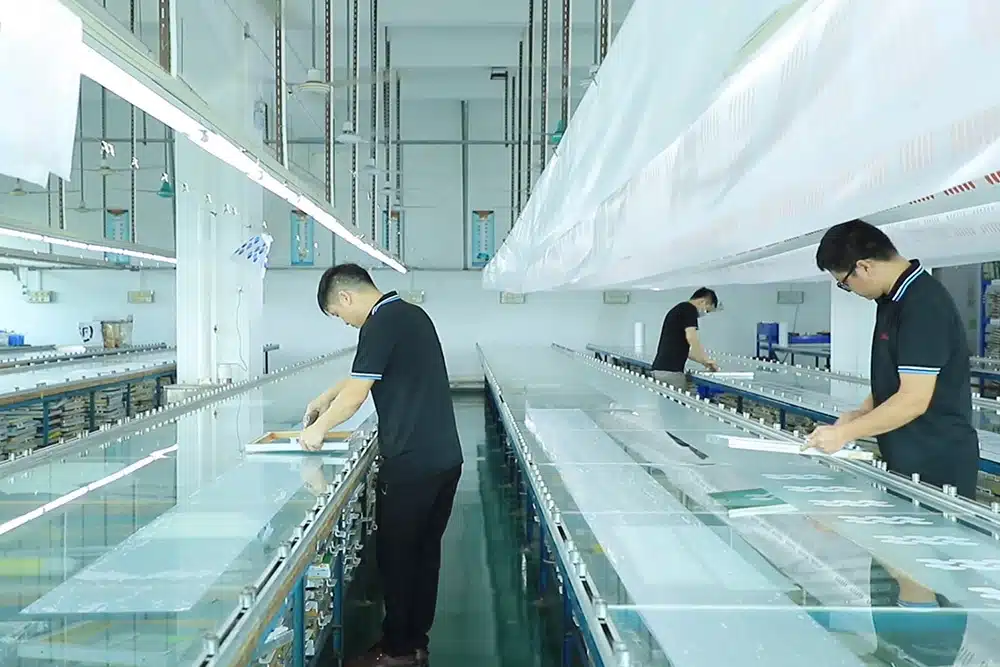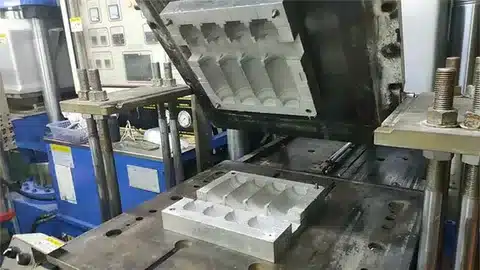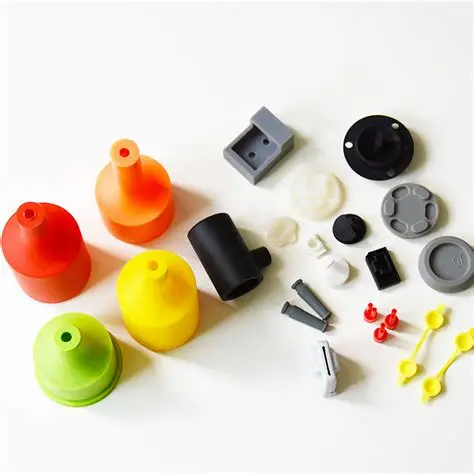

Compression molding for custom silicone sleeves is a process that involves loading a pre-measured quantity of silicone compound into a heated mold cavity and compressing it under pressure to create the desired profile of silicone sleeves. The silicone vulcanises or cures in the mould, creating an extremely durable, flexible part that offers a controlled inner fit and wall thickness, a texture and design that is integrated into the part, such as the logos or grips. This is one of the most widely used forms of silicone compression moldingfor custom-shaped rubber components.
It is generally applicable to silicone sleeve production, particularly for drinkware, electronics, beauty products, pet products, and industrial products, due to its ability to provide repeatable molded products with material quality performance. Compression molding is a good option for custom silicone sleeves when production volume is medium to high scale, and requires coordination of product geometry, material selection, mold design, and quality control with the actual molding process.
Many buyers believe that every silicone molding is created equally, but in some cases, there is a need to consider the wall thickness, parting lines, flash trimming, and tolerance limits for custom silicone sleeves. Although it is a silicone product, the choice of compression molding must be determined by product design and production requirements. Requires matching of sleeve structure, material, mold design, quantity, logo, texture and quality expectations to the molding process to achieve a good result. Having these details correct from the beginning saves time, money and ensures sleeves that fit, function and look exactly as intended.
What Is Compression Molding for Custom Silicone Sleeves?
Compression molding is a technique used to create custom silicone sleeves by molding silicone compound into a heated mold to fill the cavity. The silicone vulcanizes or cures into the mould to create the sleeve shape.
The inner fit, outer shape, thickness of walls, texture, logo, parting line etc. are determined by the mold. Sleeves typically need to be trimmed and/or deflashed after molding. The compression molding process can accommodate molded texture, raised logos, recessed logos, color customization and various sleeve geometries. It is typically applied where buyers want to have custom molded silicone sleeves, not just cut or assembled sleeve parts.
For drinkware brands, electronics companies, pet product brands, and promotional product buyers, compression molded silicone sleeves used for custom shape, flexible fit, molded texture, logo customization and batch production for brands in drinkware, electronics, pet products, and promotional product sectors where the design is suitable for the compression molded process.
| Item | Explanation |
| Process Type | Silicone molding process using heat, pressure, and custom mold tooling |
| Material Used | Silicone compound selected by grade, hardness, color, and application |
| Mold Role | Forms sleeve shape, inner fit, wall thickness, texture, and logo details |
| Common Products | Bottle sleeves, cup sleeves, tumbler boots, electronics covers, grips, protective sleeves |
| Post-Processing | Trimming, deflashing, logo finishing, inspection, and packaging |
| Best For | Custom molded silicone parts requiring flexible material and repeatable production |
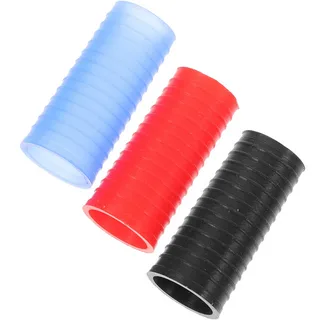
How the Compression Molding Process Works Step by Step
The compression molding process is not simply a process of pressing silicone into a mold; it involves a controlled process. Quality and efficient production is essential from every step.
Initial design, fit, wall thickness, material, logo and quantity engineering review. A custom mold is then designed and made just for the sleeve. The silicone compound is chosen, dyed, weighed and mixed in advance and then is put into the mold chamber. The mould is closed with pressure, silicone is heated and cured and the part is ejected from the mould. Too much flash is cut off, any finishing (printing, engraving or coating) is applied and full quality checking is done prior to packaging.
| Process Step | What Happens | Why It Matters |
| Requirement Review | Engineers review design, fit, wall thickness, material, logo, and quantity | Reduces tooling and sample risks |
| Mold Development | A mold is designed and fabricated for the custom sleeve | Determines fit, texture, logo, and repeatability |
| Material Preparation | Silicone is selected, colored, weighed, and prepared | Affects consistency, cost, and final performance |
| Material Placement | Silicone is placed into the mold cavity | Influences filling, flash, and surface quality |
| Compression | The mold closes and pressure forms the silicone into shape | Creates the molded sleeve geometry |
| Heating / Curing | Silicone cures under controlled temperature and time | Determines final elasticity and material performance |
| Demolding | The finished sleeve is removed from the mold | Requires proper mold design and release |
| Trimming / Deflashing | Excess flash and edges are cleaned | Improves appearance and user comfort |
| Finishing | Printing, engraving, coating, or other finishing may be applied | Adds branding or surface function |
| Inspection | Dimensions, hardness, appearance, logo, and fit are checked | Confirms production quality |
| Packaging | Sleeves are packed for bulk, retail, or ecommerce delivery | Protects finished products and supports sales channel needs |
Which Silicone Sleeve Products Are Suitable for Compression Molding?
Many custom silicone sleeves can be produced using the compression molding process, depending on the part structure, quantity and quality specifications. It performs well on moderately complex 3D objects that can be molded with details and not composites or continuous profiles.
Some common applications are silicone bottle sleeves, cup sleeves, tumbler boots, electronics protective sleeves, beauty device sleeves, pet product grips and sleeves, tool grips, industrial protective sleeves, outdoor product grips, and promotional silicone sleeves. Logos, textures, or anti-slip patterns can be molded into the design, especially for anti-slip silicone sleeves that require better grip performance.
| Silicone Sleeve Type | Why Compression Molding May Be Suitable | Buyer Notes |
| Bottle sleeves | Flexible fit, texture, logo, and color customization | Fit and wall thickness should be tested |
| Cup sleeves | Heat/cold handling and grip texture | Taper and comfort matter |
| Tumbler boots | Base protection and anti-slip function | Bottom profile must be accurate |
| Electronics covers | Protective structure and molded openings | Buttons and ports need careful review |
| Beauty device sleeves | Soft touch, grip, and premium appearance | Surface finish and feel matter |
| Pet product sleeves | Grip, cleaning, and durable handling | Texture should be practical |
| Tool grips | Anti-slip handling and wear resistance | Hardness and texture should match use force |
| Promotional sleeves | Logo and color customization | Cost, MOQ, and branding method matter |

Key Benefits of Compression Molding for Custom Silicone Sleeves
For many sleeve manufacturing applications, the combination of tooling feasibility, flexibility of materials, and design freedom enables compression molding to be the preferred method.
It can be used to produce moulded components of any desired shape that fit a specific bottle, cup, device or tool. The silicone is flexible and provides the appropriate grip, stretch, comfort and protection. The molded logo options — embossed or debossed — are part of the tooling. Anti-slip texture can be created in the mold during texture customization. Color can be customized to match brand colors; Shore A hardness is available to match fit and feel. Process is applicable to OEM/ODM projects and repeat production after approval of the mold.
| Benefit | Practical Meaning for Buyers |
| Custom molded shape | Allows sleeves to fit specific bottles, cups, devices, or tools |
| Flexible silicone material | Supports grip, stretch, comfort, and protection |
| Molded logo options | Embossed or debossed logos can be integrated into the mold |
| Texture customization | Anti-slip patterns can be molded directly into the sleeve |
| Color customization | Silicone can be produced in brand or product colors |
| Hardness options | Shore A hardness can be selected based on fit and feel |
| Practical tooling approach | Often suitable for custom OEM sleeve projects |
| Repeat production | Approved molds can support future batch production |
| Broad application range | Works for drinkware, electronics, beauty, pet, outdoor, and industrial products |
Limitations Buyers Should Understand
Compression molding is a useful process but buyers need to be aware of the following process limitations prior to tooling. It is important to know these facts so that you will have a realistic expectation and will not be surprised when sampling or when production takes place.
Generally requires flash and/or trimming. There may be a parting-line visible. Tolerance may not be as close as precision plastic or CNC parts. The cycle time may be longer than highly automated methods. Underscoring of features that are complex or very thin may be challenging. Careful examination of wall thickness variation is important. The cost of mold design changes following tooling can be significant. Logos and surface effects may require some post processing. Process control and inspection is the answer to consistency.
| Limitation | Buyer Consideration |
| Flash may occur | Trimming and deflashing standards should be defined |
| Parting line visibility | Seam location should be reviewed before tooling |
| Tolerance limits | Fit requirements should be realistic and sample-tested |
| Cycle time | Production speed depends on curing time and mold setup |
| Complex geometry | Undercuts, deep openings, or very thin sections need review |
| Wall thickness variation | Poor design may cause molding or deformation issues |
| Manual handling | Trimming and inspection may affect labor and consistency |
| Mold changes | Design revisions after tooling can add cost and delay |
| Surface finishing | Printing, engraving, or coating may require extra steps |
| Process suitability | Not every silicone design is ideal for compression molding |
Compression Molding vs Other Silicone Manufacturing Methods
One may compare compression molding vs injection molding for silicone parts as well as transfer molding, extrusion or simple cutting or assembly. The proper process is based on geometry, quantity, tolerance, material and goals for cost.
| Method | Best For | Main Limitation |
| Compression Molding | Custom molded silicone sleeves, grips, covers, and medium-volume OEM parts | May require trimming; cycle time depends on curing |
| Liquid Silicone Injection Molding | High-volume, highly repeatable LSR parts | Higher tooling and equipment requirements |
| Transfer Molding | Certain silicone parts needing better material flow control | More complex mold and process setup |
| Silicone Extrusion | Continuous profiles, tubes, strips, and simple cross-sections | Not suitable for complex 3D sleeve shapes |
| Die Cutting / Sheet Cutting | Flat silicone pads, gaskets, or simple shapes | Not suitable for molded sleeve structures |
| Manual Assembly | Specialty products with inserts or components | Labor-intensive and less suitable for simple mass production |
Design Considerations for Compression Molded Silicone Sleeves
It is necessary to review the sleeve design before the mold development to correspond with the compression molding process. Common molding problems are avoided with early engineering feedback.
Wall thickness, sleeve inner fit, product tolerance, parting line position, demolding direction, molded logo, surface texture, openings and cutouts, edge thickness, stretch path, material flow, flash control, sleeve coverage, reinforced areas are key factors. It is necessary to test the samples of the product in question.
| Design Factor | Why It Matters in Compression Molding |
| Wall thickness | Affects material flow, curing, protection, and cost |
| Inner fit | Determines whether the sleeve stays secure |
| Product tolerance | Helps avoid loose or over-tight fit |
| Parting line | Influences visible seam and trimming needs |
| Demolding direction | Affects whether the part can be removed cleanly |
| Molded logo | Must be designed into the tooling if embossed or debossed |
| Surface texture | Requires mold machining and affects grip |
| Openings/cutouts | Need careful mold and trimming control |
| Edge design | Helps prevent rolling, tearing, or weak edges |
| Stretch path | Ensures the sleeve can be installed without damage |
| Reinforced zones | Adds protection where needed without overbuilding the entire sleeve |

Material, Shore A Hardness and Color Preparation
The important factor in stable compression molding results is material preparation. The performance, appearance and consistency from production to production are directly influenced by the right silicone grade, hardness and color.
There are general silicone, food-grade silicone (if needed), heat-resistant silicone and UV/weather-resistant silicone options available. Shore A hardness is used for flexibility, grip, fit and ease of demolding. Pigments can be used for Pantone color matching and physical samples must be provided for approval. Precise weighing, batch control; repeat orders are consistent.
| Material Factor | Why It Matters |
| Silicone grade | Must match product application and performance needs |
| Shore A hardness | Affects flexibility, grip, fit, and demolding |
| Material weight | Influences cost and molding consistency |
| Color pigment | Affects final appearance and batch consistency |
| Pantone matching | Requires physical sample approval |
| Food-grade requirement | Important for drinkware, baby, or food-contact claims |
| Heat resistance | Needed for hot-use or kitchen applications |
| UV/weather resistance | Useful for outdoor sleeves and sports products |
| Batch control | Helps maintain consistency in repeat production |
Mold Design, Parting Line and Flash Control
The appearance and quality of compression molded sleeve is greatly influenced by the mold design. Before tooling starts buyers should inspect surfaces and seams that will be visible.
Inner fit and outer details controlled by core and cavity design. The defects are reduced through the use of parting line placement, venting, material flow and flash control. Demolding will not tear. Cavity number is a compromise between the cost of the tooling and efficiency. Periodic mold maintenance is essential for repeatability over time.
| Mold Factor | Why It Matters |
| Mold core | Controls inner sleeve fit and dimensions |
| Mold cavity | Forms outer shape, logo, and texture |
| Parting line | Affects visible seam and trimming requirements |
| Venting | Helps reduce air traps and surface defects |
| Material flow | Affects filling and surface consistency |
| Flash control | Reduces trimming workload and improves appearance |
| Demolding design | Helps remove the sleeve without tearing or deformation |
| Cavity number | Affects tooling cost and production efficiency |
| Mold maintenance | Supports repeat order consistency |
Cost, MOQ and Lead Time Factors
The compression molding cost is determined by the tooling, material, process, finishing, packaging and order quantity. These elements are more accurately budgeted and timelines are smoother if these elements are planned early. The cost of mold tooling is an initial expense. Increasing the number of cavities reduces the cost of the tools but it boosts their efficiency at volume. Factors affecting unit price include product size, wall thickness, material grade, custom color, logo method, surface texture, trimming labor, finishing steps and packaging. The lead time is also influenced by MOQ and sample approval rounds. As a general rule, the greater the volume, the lower the per-unit cost.
| Factor | Cost / MOQ / Lead Time Impact |
| Mold tooling | Adds upfront development cost and sampling time |
| Cavity number | Higher cavity count may increase tooling cost but improve production efficiency |
| Product size | Larger sleeves use more silicone material |
| Wall thickness | Thicker designs increase material use and may affect cycle time |
| Silicone grade | Special material requirements may affect cost |
| Custom color | Requires pigment preparation and sample approval |
| Molded logo/texture | Adds tooling detail and review time |
| Trimming workload | More flash or complex edges can add labor |
| Surface finishing | Printing, engraving, coating, or oil finishing add process steps |
| Packaging requirement | Retail or ecommerce packaging affects cost and lead time |
| Order quantity | Higher volume may improve unit cost efficiency |
| Sample revisions | Additional sample rounds can extend the schedule |
Quality Control for Compression Molded Silicone Sleeves
The sleeve needs to be confirmed by QC to be of the approved sample and production specifications. A solid silicone sleeve quality control system identifies problems before products are delivered to customers.
The material verification, Shore A hardness testing, dimensional inspection, fit testing, wall thickness, appearance, flash and trimming, parting line, texture consistency, logo clarity, color consistency, surface finish, stretch and installation test, and packaging inspection are all checked.
| Quality Check | Why It Matters |
| Material verification | Confirms correct silicone grade and color |
| Shore A hardness test | Ensures approved flexibility and feel are maintained |
| Dimensional inspection | Confirms sleeve fit and tolerance |
| Wall thickness check | Supports consistent protection, grip, and cost control |
| Fit testing | Confirms sleeve retention on the target product |
| Appearance inspection | Checks bubbles, stains, marks, and surface defects |
| Flash/trimming inspection | Ensures clean edges and user comfort |
| Parting line review | Confirms seam appearance is acceptable |
| Texture inspection | Maintains grip and visual consistency |
| Logo inspection | Confirms embossed, debossed, printed, or engraved details |
| Color consistency | Protects brand appearance |
| Packaging inspection | Ensures products are ready for delivery or retail use |
Common Mistakes Buyers Make With Compression Molded Silicone Sleeves
Sometimes even seasoned sourcing teams miss important detail that can cause downstream issues. These things can be avoided and help you save precious time and money.
Typical mistakes involve assuming that compression molding is applicable to all designs, beginning tooling without design review, not considering the position of the parting line and/or flash, not realizing that wall thickness should be uniform, not performing a hardness test on the samples, adding logo or texture too late, expecting no trimming or visible seam, comparing quotes without checking the scope of the work, not considering material preparation and color approval, not checking fit on the actual product, changing design after tooling begins, and assuming that any sample approval is only a visual review.
| Mistake | Better Approach |
| Assuming one process fits all designs | Review process suitability before tooling |
| Skipping engineering review | Check fit, wall thickness, parting line, texture, and mold feasibility |
| Ignoring flash position | Define trimming and appearance standards early |
| Uneven wall thickness | Balance design, material flow, and product function |
| Choosing hardness by guesswork | Test Shore A hardness with real samples |
| Adding texture after mold design | Confirm texture before tooling |
| Expecting no seam | Review parting line location and visual requirements |
| Comparing only unit price | Compare tooling, material, trimming, finishing, packaging, and QC scope |
| Skipping real product testing | Test the sample on the actual bottle, device, or product |
What Buyers Should Prepare Before Requesting a Quote
The manufacturer can obtain a full picture and provide an accurate quote by using all the information. The more you write, the quicker and more exact the answer.
Characterize your product sample, 2D drawing, 3D CAD file, sleeve dimensions, target sleeve coverage, wall thickness target, material requirement, Shore A hardness preference, color requirement, logo file and method, texture or surface finish, openings or cutouts, quantity estimate, annual forecast, packaging requirement, target market, testing requirement, and timeline.
| Information to Prepare | Why It Helps |
| Product sample | Allows fit and installation review |
| 3D CAD file | Helps evaluate geometry and mold feasibility |
| 2D drawing | Defines dimensions, tolerances, and technical notes |
| Sleeve coverage | Determines material use and mold size |
| Wall thickness target | Affects molding, cost, grip, and protection |
| Material requirement | Guides silicone grade selection |
| Hardness preference | Helps evaluate flexibility, fit, and demolding |
| Logo file and method | Determines mold or post-processing requirements |
| Texture requirement | Affects mold machining and grip design |
| Quantity estimate | Helps evaluate mold cavity number, MOQ, and unit price |
| Packaging requirement | Affects finished product cost and delivery readiness |
| Timeline | Helps plan tooling, sampling, production, and shipment |
How to Work With a Manufacturer on Compression Molded Silicone Sleeves
Purchasing a manufacturer who has experience with the silicone material behavior, mold development, compression molding process control, finishing, QC and packaging are all important factors. A qualified partner provides excellent engineering review based on drawings or sample, silicone material selection support, Shore A hardness guidance, in-house mold design and tooling, compression molding machines, surface texture development, logo printing, silk screen printing, laser engraving, embossing, debossing, surface finishing, trial molding and raw material inspection to final product testing quality control.
The seasoned manufacturers also have assembly and packaging lines, as well as clean production environments if necessary. They cover the entire process from concept and prototype to sample approval, mass production and delivery.
| Manufacturer Capability | Why It Matters for Compression Molded Silicone Sleeves |
| Engineering review | Helps confirm process suitability before tooling |
| Material selection support | Matches silicone grade and hardness with product use |
| In-house mold design | Improves control over fit, parting line, texture, and logo |
| Compression molding equipment | Supports stable molded silicone production |
| Silicone molding experience | Helps control curing, flash, dimensions, and surface quality |
| Logo and finishing options | Supports embossed, debossed, printed, engraved, or coated designs |
| Trial molding process | Confirms mold performance and sample quality |
| Quality control system | Checks dimensions, hardness, appearance, trimming, texture, and logo |
| Packaging support | Helps prepare sleeves for retail, wholesale, ecommerce, or OEM delivery |
Conclusion — Compression Molding Is Practical When Design and Process Match
If the design is appropriate for compression molding and the molding parameters are managed properly, then custom silicone sleeves can be a viable option using compression molding. It can be molded, customized in colors, embossed or debossed with logos, flexible materials, and repeat production.
The results are dependent on mold design, material preparation, wall thickness, control of the curing process, trimming and finishing, and QC. Buyers need to be aware of both the advantages and the constraints prior to tooling. Due to the fact that compression molding is not always the best choice for all designs, make sure to discuss product geometry, tolerance, quantity, product finishing and cost with the manufacturer. Before mass production, sample approval is required.
When buying, they can evaluate fit, wall thickness, material, logo, texture, tooling and inspection early, which helps to minimize sample revisions and create a more realistic and achievable route to quality production to meet their brand and performance requirements.