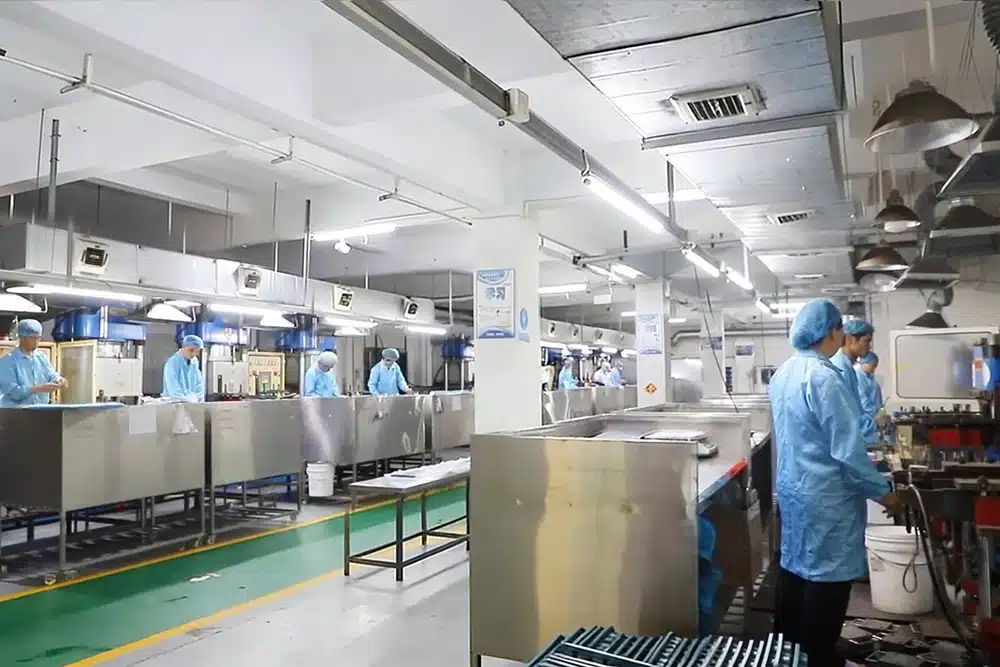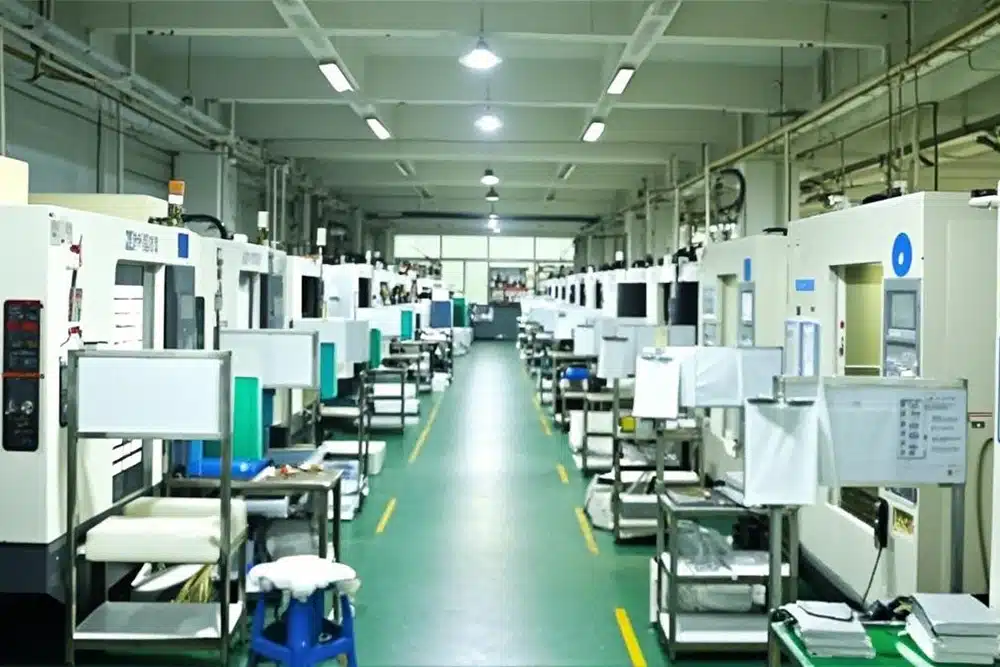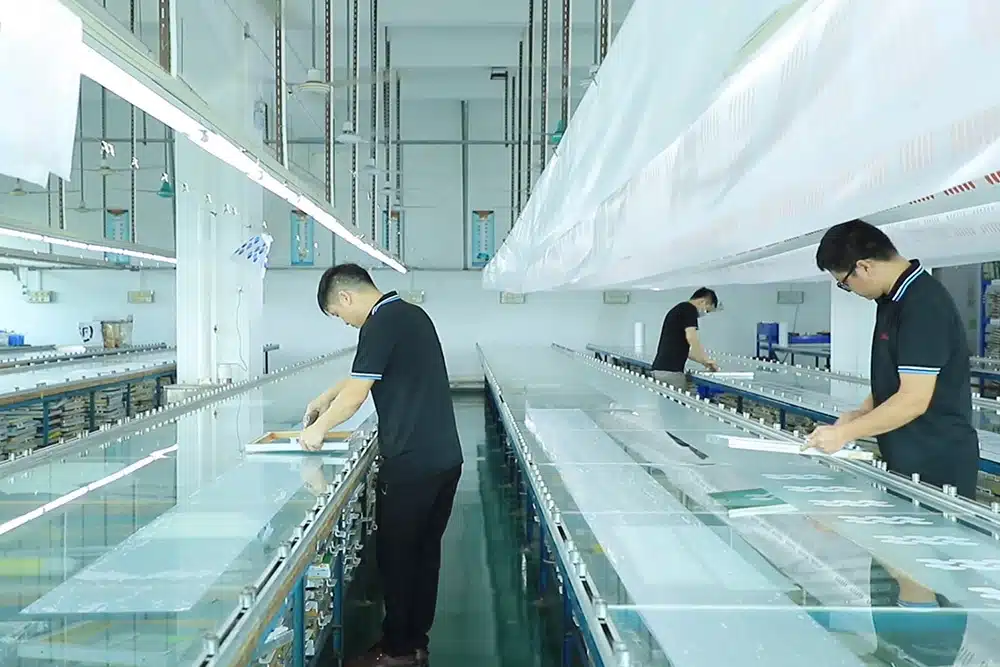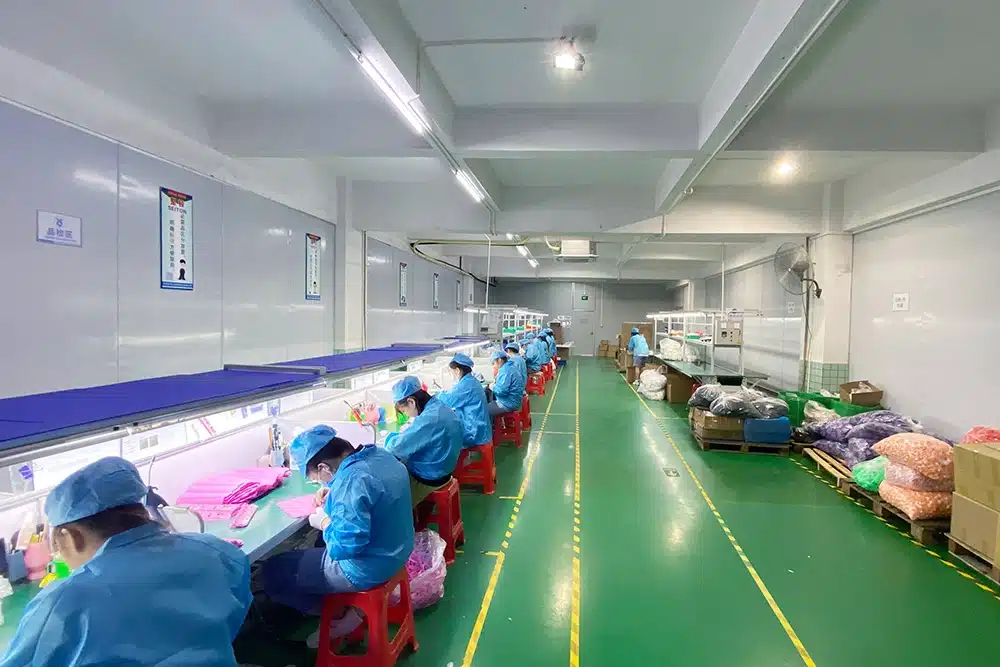

Selection of compression molding and injection molding of silicone seals is not about the selection of the more sophisticated process by default. It concerns the alignment of the process with the design of the seal, volume of production, and tolerance requirements, and long-term manufacturing objectives of the project. Both approaches have different tooling advantages and disadvantages, part complexity, repeatability, cost and scale of production. Most teams think that injection molding is always the better choice as it is more modern, although compression molding can be more feasible and economical with some silicone seal designs and order quantities.
The appropriate process to use in silicone seals is the one that offers the best fit to the part geometry, tolerance requirements, tooling strategy, production volume, and repeatability requirements of the project – not necessarily the one with the more automated image.
Why Process Selection Has a Direct Impact on Cost, Quality, and Lead Time
The choice of the process of silicone seal production impacts much more than the formation of the part. It has a direct influence on the complexity of tooling, efficiency of production, dimensional stability, defect rates and the economics of the project.
Making an incorrect choice of a molding technique at the initial stage may introduce an insidious cost that will manifest itself at the time of sampling, scale-up, or even long-term supply. This is why the choice of molding process is a project-level choice and not a factory detail that is taken by experienced engineers and sourcing teams.
| Process Decision Factor | Why It Matters |
| Tooling approach | Affects upfront cost and mold complexity |
| Part geometry | Influences manufacturability and consistency |
| Production volume | Changes the economics of the process |
| Tolerance expectation | Affects process suitability and quality stability |
| Lead time | Influences tooling and production planning |
| Repeatability | Supports long-term OEM supply stability |

Start with the Seal Design and Project Requirements, Not the Process Name
Selecting a process is best achieved by starting with a clear concept of the seal itself and the project requirements in general, and not starting with a process name in mind.
The geometry of seals, the thickness of their cross-section, their size, undercuts, and bonding considerations all have significant roles to play in deciding which process will provide consistent results.The decision is further refined by the annual demand, tolerance windows, surface finish expectations, and whether the project is still in the prototype validation stage or moving towards mass production.
| Project Requirement | Why It Influences Process Choice |
| Simple vs complex geometry | Changes how easily the part can be molded |
| Low vs high production volume | Shifts tooling and unit-cost logic |
| Tight tolerance requirement | Increases importance of process control |
| Surface / flash expectation | Affects finishing and part quality priorities |
| Prototype or production intent | Changes tooling and speed considerations |
| Cost target | Affects process and tooling trade-offs |
In considering the alternatives to your own silicone seals, most teams find that liaising with a well-established silicone seal molding services during the early design stages can help to match these needs with the most appropriate production method.
How Compression Molding Works and Where It Makes Sense
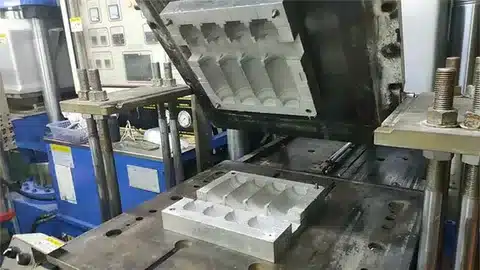
Silicone seals are compression molded in which a pre-formed block of solid silicone (HTV) is inserted into an open mold cavity and the mold is then closed under heat and pressure to cure.It is a simple process that is common in most industries.
In simpler geometries of seals, and in projects with a lower or medium volume of production, it is common that it is practical. Tooling is typically less sophisticated and less costly to manufacture and may greatly lower the cost of initial project investment. Although it requires more manual processes compared to injection molding, with professional handling, the process can have great consistency in case the design and volume are aligned with the capabilities of the process.
Compression molding cannot be dismissed as being outdated. It is the more balanced and cost-effective option where silicone seals are needed in the real world.
| Compression Molding Characteristic | Practical Project Impact |
| Simpler tooling logic | Can reduce initial tooling cost |
| Good fit for many standard geometries | Supports practical manufacturability |
| Often suitable for lower to medium volumes | Helps match certain OEM project stages |
| More manual process involvement | May influence cycle consistency and labor profile |
| Flexible for some custom developments | Can support early project validation |
How Injection Molding Works and Where It Makes Sense
Liquid silicone rubber (LSR) injection molding is the injection of a two-part liquid silicone rubber into a closed, precision mold with controlled pressure and temperature.Once the machine parameters and the mold are set, it is highly automated.
The injection molding process is usually chosen in case of the programs with high volume and when repeatability is very important as well as higher speed of cycle and high level of process control. It can provide superior dimensional stability and less flash in case the part design and production forecast require the increased initial tooling investment.
Nonetheless, injection molding must be chosen through actual project fit and not through its computerized image per se.
| Injection Molding Characteristic | Practical Project Impact |
| Higher process automation | Can support repeatable production at scale |
| Often better for larger-volume programs | Improves unit-cost efficiency in the right volume range |
| Faster cycle potential in some projects | Supports throughput goals |
| More complex tooling | Raises upfront tooling considerations |
| Strong process consistency potential | Helps repeat-order stability |

Compression Molding vs Injection Molding: The Most Important Comparison Points
Comparing compression and injection molding of seals made of silicone, it is important to consider all the factors jointly and not refer to one key benefit.
There is no process that is universally best. The most optimal option only appears when the cost of tooling, production volume, part geometry, tolerance requirements, and long-term repeatability are viewed as a whole.
| Comparison Point | Compression Molding | Injection Molding |
| Tooling cost | Often lower initially | Often higher initially |
| Volume suitability | Often better for lower to medium volumes | Often better for medium to high volumes |
| Process automation | Lower | Higher |
| Dimensional repeatability | Can be strong when controlled well | Often stronger in scale-focused production |
| Part complexity handling | Depends on geometry | Often advantageous for more complex programs |
| Scalability | Moderate | Stronger for high-volume scaling |
Real project fit always depends on the complete design and production context. What works well for one seal may not be optimal for another, even within the same product family.
Tooling Strategy Often Decides Which Process Makes More Economic Sense
One of the most apparent differences between the two processes is tooling cost, but it should never be considered on its own.
A cheaper compression mold could seem appealing in prototype, but when production needs to be consistent at a high volume, more investment in an injection mold can prove to have better long-term economics via lower unit costs and greater uniformity. In contrast, in cases where annual volumes are low or design changes might be necessary, the compression tooling can be simpler and offer more flexibility and reduced risk.
| Tooling Consideration | Impact on Process Selection |
| Initial mold investment | Changes project entry cost |
| Tool complexity | Affects timeline and manufacturing risk |
| Expected annual volume | Helps determine long-term cost fit |
| Revision likelihood | Influences development flexibility |
| Long-term maintenance | Affects lifecycle economics |
Tolerance, Flash Control, and Repeatability Should Be Evaluated Carefully
Silicone seals are performance parts in which the dimensional differences can directly influence the sealing, leak rates, and product reliability.
Repeatability is more significant when the volume of production is high. Flash control on important sealing surfaces and uniform quality of the surface also contribute significantly to the end performance of the part and the necessary process control after.
| Quality Factor | Why It Matters for Process Choice |
| Critical dimensional control | Affects sealing performance |
| Flash management | Influences fit and post-processing needs |
| Surface consistency | Affects part quality and function |
| Batch repeatability | Supports OEM supply stability |
| Process control stability | Reduces long-term quality variation |
Common Mistakes When Choosing Between Compression and Injection Molding
A number of common myths may cause teams to choose the wrong molding process of their silicone seals.
| Common Mistake | Likely Result |
| Process chosen by image or assumption | Weak process-project fit |
| Tooling cost considered alone | Hidden long-term cost imbalance |
| No volume-based review | Wrong economic decision |
| No tolerance review | Inconsistent production results |
| Prototype logic applied to full production | Scale-up problems |
| No supplier process review | Missed manufacturability risks |

A Practical Checklist to Choose the Right Molding Process for Silicone Seals
A checklist enables a structured approach to design, tooling, volume and quality expectations to ensure before committing to a molding approach.
Considering all of these, in combination with your manufacturing partner, early in the project will go a long way in minimizing the risk of changes or performance problems in the end.
| Checklist Item | Why It Should Be Confirmed |
| Final part geometry understood | Determines manufacturability fit |
| Annual and forecast volume defined | Supports process economics |
| Tolerance priorities identified | Guides process suitability |
| Tooling budget and timeline reviewed | Affects feasibility |
| Prototype vs production goal clarified | Changes process logic |
| Surface and flash expectations defined | Supports quality planning |
| Repeat-order consistency required | Influences long-term process choice |
| Supplier technical review completed | Reduces wrong-process risk |
Conclusion — The Right Process Is the One That Best Fits the Project
The ideal process of molding silicone seals is not the one that appears to be more sophisticated or cheaper on the face of it. It is the most suitable to the project in terms of the seal design, production volume, tooling strategy, and repeatability needs, therefore maintaining cost, quality, and manufacturability throughout the project, starting with sampling and continuing with mass production.
Through a thorough assessment of part geometry, tolerance requirements, volume projections, and tooling considerations, engineers, and sourcing departments can make decisions that are informed and contribute to the short-term project objectives and the long-term reliability of supply.