
For an accurate custom silicone sleeve quote, buyers should include product drawings or samples, sleeve dimensions, material and hardness specifications, logo and surface finishing specifications, desired order quantity, packaging specifications, desired market, compliance specifications, and the desired timeline. The better the information about the project, the more accurate the quotation will be.
The right silicone sleeve custom quote should not be a simple unit price quotation, it should consider the actual product design, material requirements, mold requirements, surface treatment, order quantity, packaging plans, product quality requirements and production feasibility. Many buyers think that just a picture or product name will suffice for a supplier to quote accurately; however, the opposite is true for custom silicone sleeves, as the revisions, pricing or sampling procedure may last for a few days, or even more. Drawings, samples or accurate measurements are most important since sleeve fit, wall thickness, stretch and mold complexity directly affect cost and feasibility.
Quick RFQ Checklist for a Custom Silicone Sleeve Quote
Creating a detailed RFQ beforehand can help you get realistic pricing and avoid unnecessary delays when you are calling in to any custom silicone sleeve manufacturer. Not all the details will be determined in the beginning, but communicating what you have will let the engineering team immediately analyze the feasibility and suitability of the mold, material consumption, manufacturing process, MOQ, and lead time.
When asking for a custom silicone sleeve quote, it’s beneficial to supply drawings, samples, expected volume, material specifications, logo information and packaging specifications early on in the project.
This is a brief list to help you structure your information:
| Information to Provide | Why It Matters |
| Product type | Helps identify whether it is a bottle sleeve, cup sleeve, electronics cover, grip, or protective sleeve |
| Product drawing or sample | Allows accurate fit, structure, and mold feasibility review |
| Target dimensions | Helps estimate material usage, mold size, and sleeve fit |
| Sleeve coverage area | Defines how much of the product the sleeve will cover |
| Silicone material requirement | Affects performance, safety, durability, and cost |
| Shore A hardness | Influences grip, flexibility, installation, and shape retention |
| Color requirement | Helps plan Pantone matching and material preparation |
| Logo method | Affects mold design, printing, engraving, finishing, and cost |
| Surface finish or texture | Influences grip, appearance, cleaning, and tooling |
| Estimated quantity | Affects MOQ, tooling plan, unit price, and production efficiency |
| Packaging requirement | Affects labor, material cost, shipping protection, and retail readiness |
| Target market | Helps identify documentation or testing expectations |
| Timeline | Helps evaluate sampling, tooling, production, and delivery feasibility |
Product Type and Application: What Will the Sleeve Be Used For?
Material selection, structure, hardness, thickness and finishing requirements are more dependent on sleeve application than on virtually any other factor. This helps the manufacturer understand from the beginning what the intended use will be, and hence the type and design of silicone to be used.
| Application | Information Buyers Should Share |
| Bottle sleeve | Bottle size, material, shape, target grip area, and protection needs |
| Cup sleeve | Cup size, taper, heat/cold handling needs, and logo area |
| Electronics cover | Device dimensions, button openings, protection level, and tolerance needs |
| Beauty device sleeve | Surface feel, grip, skin-contact expectations, and appearance requirements |
| Pet product sleeve | Durability, grip, cleaning, and user safety considerations |
| Outdoor sleeve | UV, weather, grip, and durability requirements |
| Industrial grip | Wear resistance, fit, function, and operating environment |
| Promotional sleeve | Logo visibility, budget, color, packaging, and campaign timeline |
Product Drawings, 3D Files or Physical Samples
A drawing or sample is often the most crucial piece of information for a precise quote for a custom silicone sleeve. They are essential for the engineers to make a reasonable estimate as to dimensions and fit, which can only be finalized when they are seen in actual use.
| File / Sample Type | Why It Helps the Manufacturer |
| 2D drawing | Defines dimensions, tolerances, notes, and critical areas |
| 3D CAD file | Helps engineers evaluate shape, fit, mold design, and production feasibility |
| Physical sample | Allows real fit testing and more accurate sleeve development |
| Reference photos | Helps communicate appearance and design direction |
| Measurement sketch | Useful when formal drawings are not available |
| Existing sleeve sample | Helps evaluate material feel, thickness, logo method, and fit |
| Product assembly information | Shows how the sleeve interacts with the final product |
Sleeve Dimensions, Fit and Coverage Requirements
Mold sizes, fit and coverage directly affect mold design, material use, ease of installation, and the end user experience. These details are provided early, thus avoiding expensive tooling adjustments later.
| Dimension / Fit Detail | Why It Affects the Quote |
| Sleeve height | Determines material usage and mold structure |
| Inner size | Affects fit, stretch, and installation |
| Wall thickness | Influences material cost, protection, and molding cycle |
| Coverage area | Defines product size and function |
| Product taper | Requires more careful fit and mold design |
| Openings or cutouts | Add tooling and inspection complexity |
| Reinforced areas | Increase material use and design complexity |
| Edge design | Affects comfort, stability, and finishing |
| Removable or fixed use | Changes fit and installation requirements |
Silicone Material and Shore A Hardness Requirements
The material grade and Shore A hardness will influence the product performance, safety, durability, the price of the product and how the sleeve will feel and perform in actual use. If you are not sure, the experienced manufacturers can suggest the options according to your application.
| Material / Hardness Requirement | Why It Matters |
| Food-grade silicone | Important for drinkware, baby products, and food-contact claims |
| Heat-resistant silicone | Useful for hot cups, kitchenware, or heat-related applications |
| UV/weather-resistant silicone | Useful for outdoor products |
| Soft silicone | Improves flexibility and grip but may need structure support |
| Medium hardness silicone | Balances grip, durability, and shape retention |
| Firmer silicone | Improves structure but may affect installation |
| Shore A hardness target | Helps define material feel and performance |
| Manufacturer recommendation | Useful when buyers do not know the exact hardness needed |
Color, Logo and Surface Finishing Details
Branding information can have a great impact on mold development, product selection, pricing, MOQ, and lead time. Providing precise color codes, logo files, and finish preferences means that a quote will be accurate to the job.
| Branding Detail | What Buyers Should Provide |
| Color requirement | Pantone code, physical sample, or reference image |
| Logo file | Vector file such as AI, PDF, SVG, or EPS |
| Logo method | Embossed, debossed, printed, laser engraved, or undecided |
| Logo size | Target width, height, and placement area |
| Surface texture | Smooth, matte, ribbed, dotted, patterned, or custom texture |
| Surface finish | Natural silicone, glossy, matte, soft-touch, or coated finish |
| Multi-color design | Color layout and visual reference |
| Branding priority | Premium appearance, promotional visibility, durability, or cost control |
Estimated Quantity, MOQ and Order Plan
The largest component of any custom silicone sleeve quote is the quantity, which affects the planning of the mould cavities, preparation of the materials, efficiency of the production process, and the unit price. However, stating your expected volume can help the manufacturer work out the best way to approach the project for you.
| Quantity Information | Why It Helps |
| Sample quantity | Helps plan prototype or trial production |
| First order quantity | Supports initial unit price and production planning |
| Annual forecast | Helps evaluate tooling investment and mold cavity design |
| Repeat order plan | Helps assess long-term cost efficiency |
| MOQ expectation | Allows early discussion about practical production quantity |
| Multiple size quantities | Helps plan molds and material preparation for each size |
| Color quantity breakdown | Affects material mixing and production scheduling |
| Packaging quantity | Affects packaging sourcing and assembly cost |
Packaging, Labeling and Shipping Requirements
Talking about these needs, at a young stage, ensures there are no unpleasant consequences on moving from production to delivery.
| Packaging Requirement | Why It Affects the Quote |
| Bulk packaging | Lower cost but less retail-ready |
| Individual bag | Adds labor and material cost |
| Retail box | Requires packaging design, sourcing, and assembly |
| Hang card | Useful for retail display but adds setup and labor |
| Barcode / SKU label | Important for ecommerce and inventory management |
| Instruction insert | Adds printing and packing steps |
| Amazon/FBA packaging | May require specific labeling and carton preparation |
| Custom branded packaging | Increases presentation value but affects cost and lead time |
| Protective packaging | Helps prevent surface damage during shipping |
Target Market, Compliance and Testing Requirements
Prior to material selection and final quoting, it is important that market/compliance requirements are shared before. The documentation requirements for different areas may affect the grade and range of tests silicone would undergo.
| Requirement | What Buyers Should Clarify |
| Target market | U.S., EU, Germany, Japan, UK, or other destination |
| Food-contact use | Whether the sleeve touches food, drink, lips, or bottle openings |
| Baby product use | Whether additional safety documentation may be required |
| FDA-related request | Whether U.S. food-contact documentation is needed |
| LFGB request | Whether German/EU buyer documentation is needed |
| Retailer requirement | Whether the buyer or platform requires specific reports |
| Packaging claim | Whether claims such as “food-grade” need supporting documents |
| Finished-product testing | Whether testing must be done on the final sleeve configuration |
Timeline and Project Stage
The help of the manufacturer with understanding your current development stage and overall development time makes the accuracy of the quotation extremely good. This enables realistic plans to be made for sampling, tooling and production.
| Project Stage / Timeline | Why It Matters |
| Concept stage | Manufacturer may need to support design development |
| Drawing stage | Engineering review can begin before tooling |
| Existing sample stage | Faster evaluation of fit and material direction |
| Prototype stage | Quote may include mold adjustment or sample testing |
| Ready for tooling | Requires confirmed design, material, logo, and quantity |
| Launch deadline | Helps plan sampling, production, and shipping |
| Campaign deadline | Important for promotional merchandise projects |
| Flexible timeline | Allows more time for testing and design optimization |
| Urgent timeline | May require simplified design or process prioritization |
Quality Requirements and Inspection Standards
By communicating your quality expectations in the initial stages, you will make sure that the process and inspection requirements you receive are in line with your quality expectations. This helps to avoid misunderstandings at production and final testing stages.
| Quality Requirement | Why It Matters |
| Dimensional tolerance | Ensures fit and assembly consistency |
| Hardness requirement | Maintains expected feel, grip, and flexibility |
| Appearance standard | Defines acceptable appearance quality |
| Color tolerance | Supports brand consistency |
| Logo clarity | Protects brand appearance |
| Print adhesion | Ensures durability of branding |
| Surface defect limit | Defines acceptable appearance quality |
| Flash and trimming standard | Affects user comfort and finished look |
| Fit test requirement | Confirms the sleeve works with the real product |
| Approved sample | Serves as the reference for mass production |
Common Mistakes That Lead to Inaccurate Silicone Sleeve Quotes
Sometimes, even seasoned sourcing managers forget to include certain information, leading to significant changes in the quotes. Here are some of the most frequent problems we encounter and how to prevent them.
| Mistake | Better Approach |
| Sending only a photo | Provide dimensions, drawings, or samples whenever possible |
| No quantity information | Share sample quantity, first order quantity, and annual forecast if available |
| No material requirement | Explain use environment and ask for material recommendation |
| Ignoring wall thickness | Discuss protection, feel, and cost targets |
| Logo details missing | Provide logo file, size, method, and placement |
| Packaging not mentioned | Clarify bulk, retail, ecommerce, or custom packaging needs |
| Compliance unclear | Specify market and documentation requirements |
| Comparing incomplete quotes | Check whether mold, sample, packaging, testing, and finishing are included |
Sample RFQ Format Buyers Can Send to a Manufacturer
When the message sent out in the RFQ is clear and well organized, the number of emails back and forth is reduced and the manufacturer will respond quicker with a complete proposal.
| RFQ Item | Example Buyer Input |
| Product type | Custom silicone sleeve for 500ml glass bottle |
| Target use | Anti-slip grip and bottom protection |
| Product size | Bottle diameter 68mm, sleeve height 90mm |
| Drawing / sample | 3D file available; physical bottle sample can be sent |
| Material | Food-grade silicone preferred |
| Hardness | Manufacturer recommendation, around medium softness |
| Color | Pantone 548C |
| Logo | Debossed logo, front center, AI file available |
| Surface finish | Matte texture with anti-slip grip |
| Quantity | 3,000 pcs first order; possible repeat orders |
| Packaging | Individual polybag with barcode label |
| Target market | U.S. and EU ecommerce sales |
| Timeline | Sample needed within project schedule; mass production after approval |
The following is a sample RFQ paragraph you can copy and tailor to your needs:
We are creating a custom silicone sleeve for a 500ml glass bottle and would like to get a quote. The sleeve should enhance grip and offer a certain level of impact protection. A 3D drawing and physical sample bottle can be provided. The material we’re looking for is a food-grade matte silicone, debossed with our logo and Pantone color matched. Estimated 1st order qty is 3,000- pieces, poly bagged and bar coded. Please provide information on the cost of tools, sample lead time, MOQ, unit price, and recommended Shore A hardness.
How to Work With a Manufacturer After Receiving a Quote
After the quote is received, be sure to read each and every line item carefully before approving samples or tooling. This will make sure the proposal reflects your project requirements.
| Quote Item to Review | Why It Matters |
| Mold cost | Custom molded sleeves usually require tooling |
| Sample cost | Prototype and sample approval may be separate from mass production |
| Unit price | Should match quantity, material, finish, and packaging scope |
| MOQ | Must be realistic for production setup and buyer budget |
| Material | Should match performance and compliance requirements |
| Logo method | Affects cost, durability, and tooling |
| Packaging | Must match retail, ecommerce, or bulk requirements |
| Testing/report scope | Prevents misunderstanding about compliance documents |
| Lead time | Should separate tooling, sampling, production, and shipping |
| Quote validity | Material and exchange costs may change over time |
How to Choose a Manufacturer for a Custom Silicone Sleeve Quote
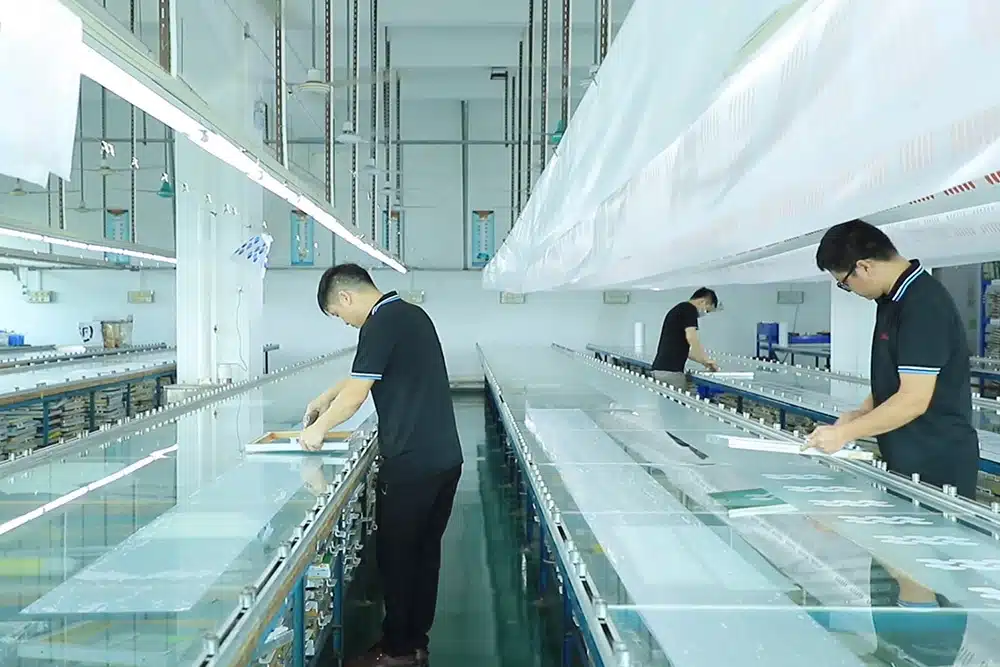
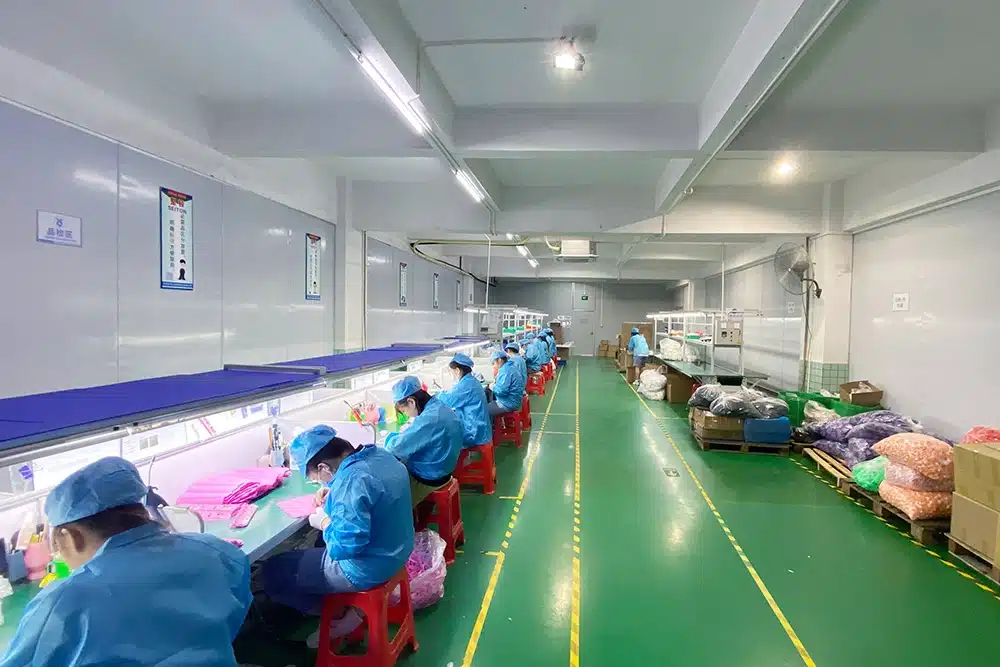
Find the right custom silicone sleeve manufacturer who asks questions about your project, instead of giving you the lowest unit price without looking at drawings or requirements. A partner with a strong engineering review process, in-house mold design and tooling, compression molding expertise, ability to handle all types of logo techniques (embossing, debossing, silk screening and laser engraving), and reliable sample development, quality control of raw material to final inspection and clean assembly lines are important qualities to look for. These features contribute to the realism of the quote and to a smooth transition from prototype to mass production.
| Manufacturer Capability | Why It Matters for Accurate Quotation |
| Engineering review | Helps identify fit, tooling, and production risks before pricing |
| Material selection support | Helps match silicone grade, hardness, and application needs |
| In-house mold capability | Supports more accurate tooling evaluation and development planning |
| Silicone molding experience | Helps estimate production feasibility and unit cost realistically |
| Logo and finishing options | Allows accurate pricing for branding and surface treatment |
| Sample development process | Helps confirm product assumptions before mass production |
| Quality control system | Ensures quoted quality expectations can be inspected |
| Packaging support | Allows complete cost planning for retail, wholesale, or ecommerce |
| Export project experience | Supports smoother communication, documentation, and delivery planning |
Conclusion — A Better RFQ Leads to a Better Custom Silicone Sleeve Quote
While it may take a bit longer to create a detailed RFQ, it can save you lots of time and confusion, as well as keep the manufacturer from making revisions, sending you samples late, or causing any changes in cost further down the road. A clear product design, materials, quantity and logo requirements, packaging and quality expectations create a solid foundation for a custom silicone sleeve quote and successful project planning.
Since our first meeting, we have assisted so many brand owners, sourcing managers and OEM buyers to bring their ideas, thoughts and concepts to real silicone sleeves. The better defined your brief, the more we can help you with design review, material selection, tooling, sampling, and timely delivery.