
Quality Control for Custom Silicone Products
At HT Silicone, quality control is built into every stage of production, from raw material inspection to final shipment verification. Our structured inspection process helps reduce quality risks, improve batch consistency, and ensure custom silicone products meet drawing, sample, and application requirements.
- Incoming material inspection
- In-process production control
- Final inspection before shipment
- Batch traceability and records
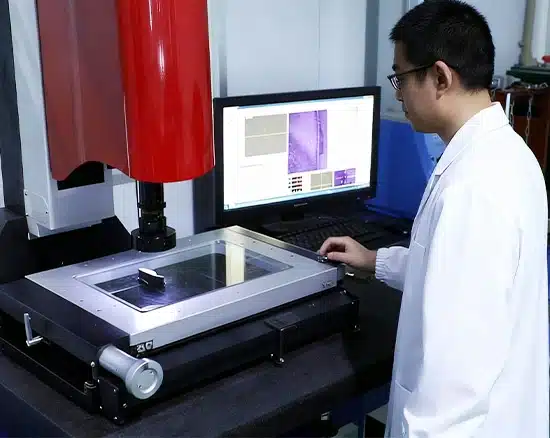

Incoming Material Inspection for Silicone Production
Raw materials are the foundation of product quality. If material batches are inconsistent or do not match the approved specification, later production stages become more difficult to control.
Our incoming material inspection process is designed to confirm that silicone materials are suitable for the project before they enter production. Where applicable, we review batch information, material condition, color consistency, and basic physical characteristics to support more stable molding performance.
- Material grade
- Color consistency
- Hardness requirement
- Batch identification
- Packaging condition
- Related documentation
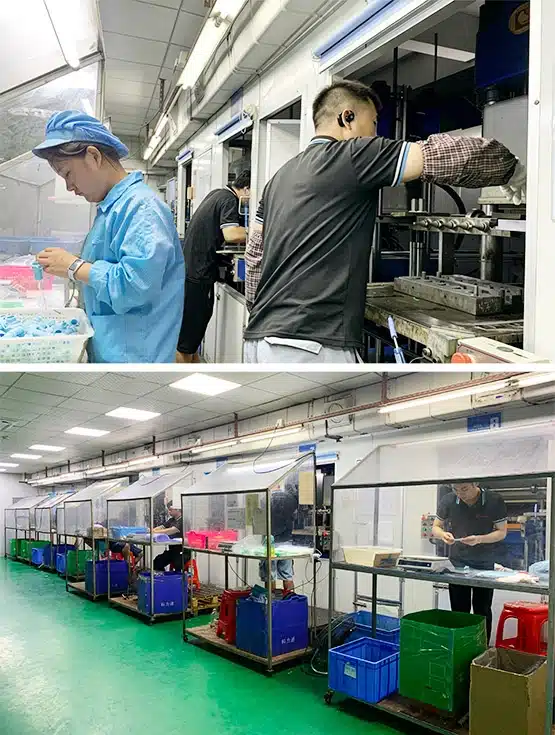
In-Process Quality Control During Silicone Molding
In-process quality control is critical in custom silicone manufacturing because product consistency depends on more than final inspection. During production, we focus on controlling variation and identifying quality issues before they become larger batch problems — checking dimensions, appearance, flash, surface cleanliness, and other project-specific points to improve production stability and reduce avoidable defects.
First Article Confirmation
The first molded parts are checked against approved requirements to confirm that production starts from the correct standard.
Process Monitoring
During production, we monitor defined quality checkpoints to identify shifts in appearance, dimensions, or consistency.
Sampling Inspection
Sampling checks during batch production help our team detect deviations early and respond before they affect larger quantities.
- Key dimension verification
- Surface defect inspection
- Flash and burr checking
- Cleanliness confirmation
- Functional fit checks when required
- Ongoing batch sampling

Final Inspection Before Shipment
Before shipment, finished products go through final inspection based on the product type and agreed quality requirements. This may include appearance review, key dimension verification, quantity confirmation, packaging checks, and functional points when required.
Final inspection is the last control point before delivery, but it works together with the earlier QC stages. Because inspection is carried out throughout production, final inspection serves as both confirmation and release control.
- Appearance inspection
- Key dimension verification
- Quantity count check
- Packaging review
- Label verification
- Functional testing when required
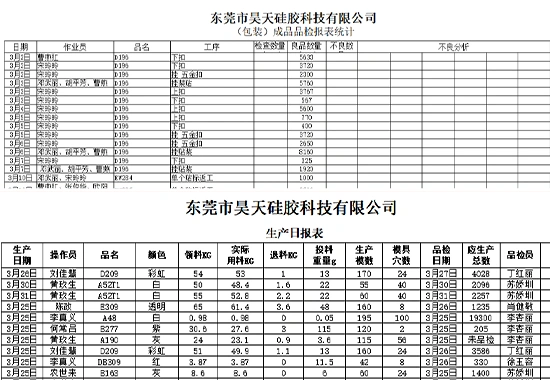
Batch Traceability and Quality Records
A reliable quality system requires more than inspection alone. Traceability helps manufacturers connect materials, production batches, and inspection outcomes so that quality issues can be reviewed more clearly when needed.
At HT Silicone, batch-based tracking and organized inspection records support production consistency and improve communication for repeat manufacturing projects. This also helps create a more structured approach to corrective review and ongoing process improvement.
- Raw material batch records
- In-process inspection records
- Final inspection records
- Quantity and packaging verification records
- Deviation follow-up when needed
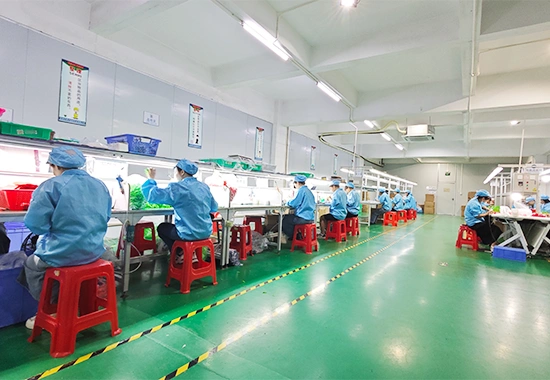
Dust-Free Assembly and Packaging Environment
Clean handling matters for many silicone products, especially when appearance, cleanliness, or presentation quality is important. A controlled assembly and packaging environment helps reduce contamination risks during the final stages of production.
Our dust-free assembly and packaging workflow supports cleaner product handling and helps improve finished product quality for customers with higher visual or hygiene expectations.
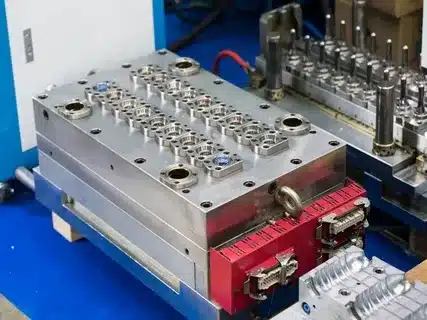
Choosing a reliable silicone mold manufacturer in China requires more than comparing unit prices. Buyers should evaluate engineering support, material selection, mold tooling, prototype sampling, production capability, quality control, packaging, communication, export experience, and project transparency. This guide explains what to check before choosing a China silicone mold supplier for OEM, ODM, or private-label projects.

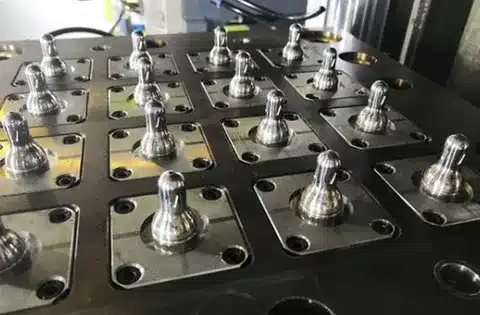
Silicone mold tooling cost depends on mold size, product geometry, cavity number, cavity depth, wall thickness, tooling precision, logo details, surface texture, sample requirements, and expected production volume. This guide explains what mold development fees include, why tooling cost differs from unit price, and how buyers can prepare clearer specifications before requesting a custom silicone mold tooling quote.
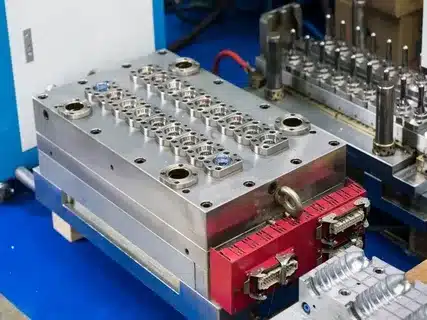
Testing custom silicone mold quality before mass production helps buyers confirm material, hardness, dimensions, cavity details, color, odor, release performance, surface finish, packaging fit, and real-use function. This guide explains what to inspect during sample approval, how different mold types should be tested, and how quality-controlled silicone mold production reduces bulk order risks.
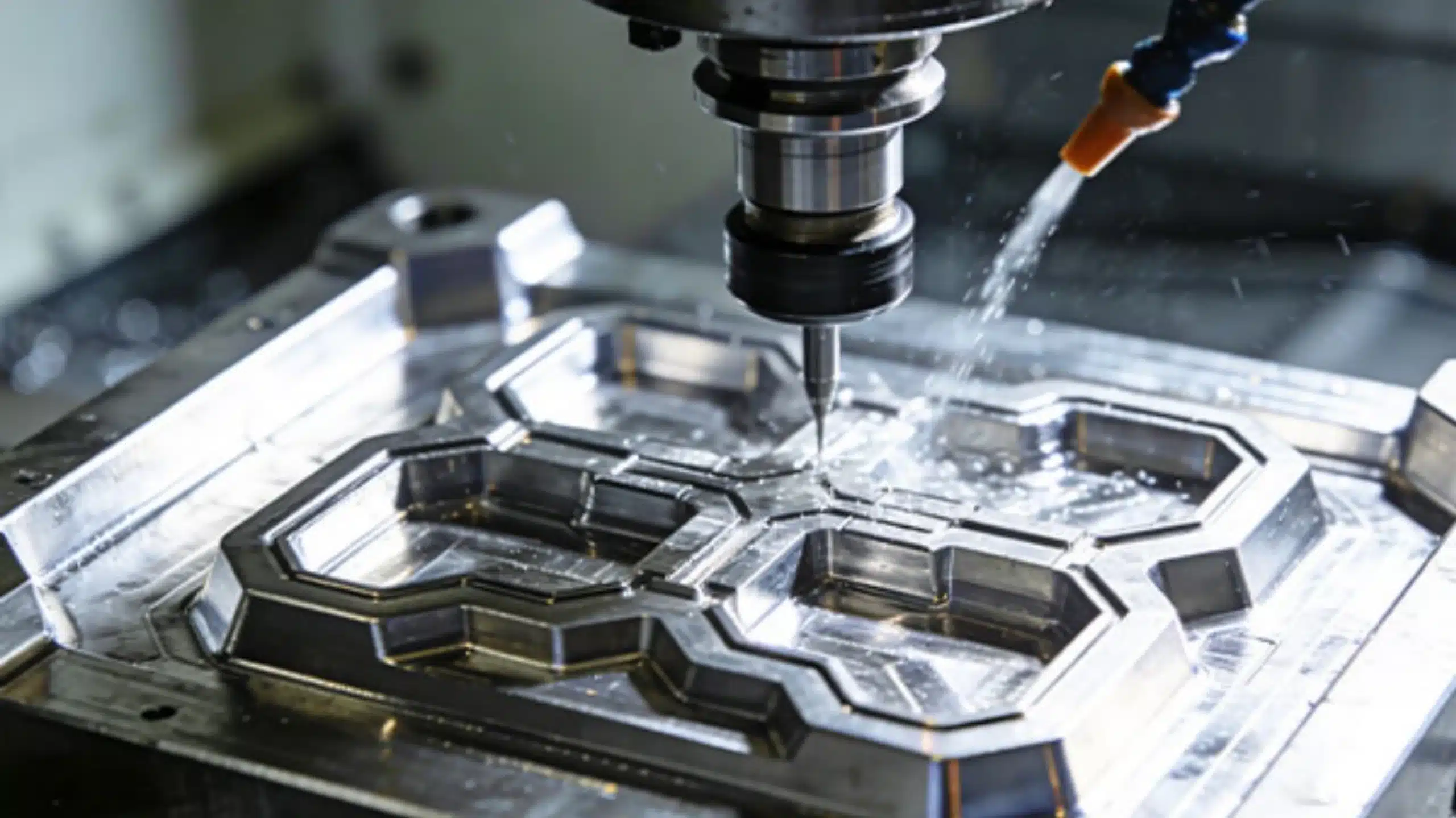
Custom silicone mold design requires more than choosing a shape. Buyers need to consider product size, cavity layout, wall thickness, silicone hardness, demolding direction, surface details, logo placement, packaging fit, and tooling feasibility. This guide explains how these design factors affect performance, cost, production efficiency, and final product quality before custom silicone mold tooling begins.
A custom silicone mold quote becomes more accurate when buyers provide clear product details, including application, size, drawings, material, hardness, color, cavity layout, logo, packaging, order quantity, target market, and testing needs. This guide explains what information to prepare before contacting a silicone mold manufacturer and how each detail affects tooling cost, unit price, MOQ, and lead time.

Silicone molds are made through a controlled process that includes requirement review, product design, silicone material selection, mold tooling, sample production, testing, mass production, trimming, inspection, and packaging. This guide explains how silicone mold manufacturing works and what buyers should understand before starting a custom OEM or private-label silicone mold project.
OEM silicone molds and ready-made silicone molds serve different sourcing needs. OEM molds offer custom shapes, materials, branding, packaging, and stronger product differentiation, while ready-made molds can reduce upfront tooling cost and shorten launch time. This guide compares both options across cost, MOQ, lead time, quality control, private-label potential, and long-term brand value.

This silicone quality control checklist helps OEM buyers manage custom silicone products from prototype to mass production. It covers requirement review, material selection, mold development, sample approval, incoming material inspection, in-process QC, final inspection, packaging control, batch traceability, and shipment release so buyers can reduce defects and improve production consistency.

Food-grade silicone products require strict contamination control from material receiving to final packaging. This guide explains how manufacturers reduce risks from dust, fibers, oil marks, foreign particles, mixed materials, dirty tools, poor handling, and packaging contamination through material verification, clean production, dust-free assembly, final inspection, and batch traceability.

Environmental factors such as temperature, humidity, dust, lighting, material storage, mold temperature stability, clean handling, and packaging conditions can affect silicone product quality. This guide explains how these factors influence curing, dimensions, appearance, cleanliness, inspection accuracy, and shipment reliability, and how manufacturers can reduce risks through better environmental control and quality management.