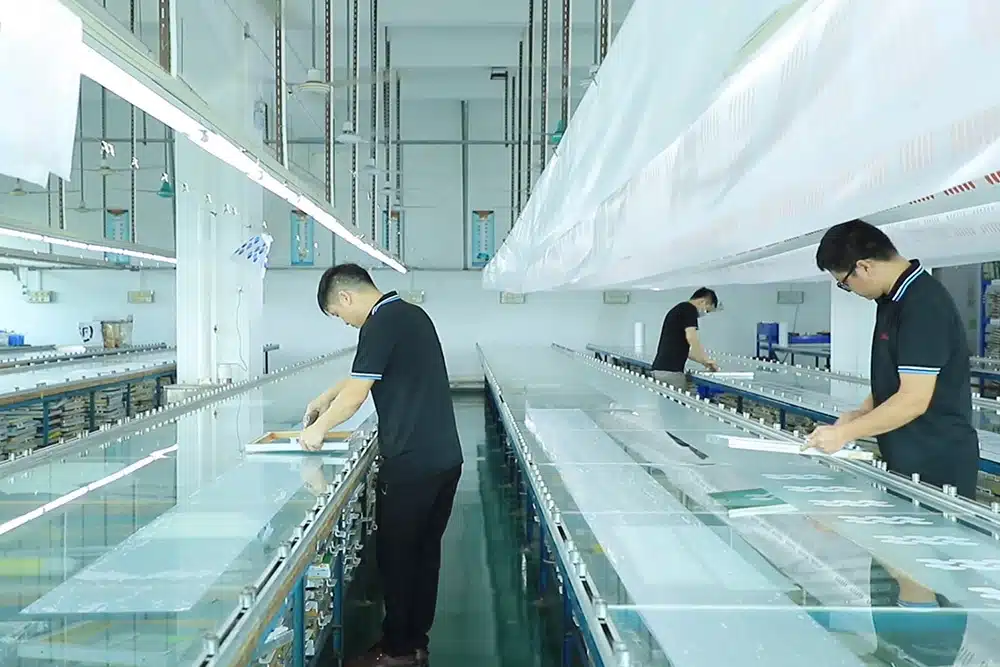

Silicone mold tooling fee is the initial cost of creating a mold that is customized, which includes the mold design review, mold structure strategy, cavity CNC making, sample moulding and mould modifications prior to mass production. The one-time fee for developing a mold comes in addition to the unit cost of silicone parts, as the mold must be manufactured first so as to create the same silicone product with repeatability and accuracy on a large scale.
Product geometry, mold size, cavity number, cavity depth, wall thickness, mould complexity, logo or surface detail, requirement precision, sample requirements and expected production quantity are the most important factors that impact silicone mould tooling cost. If a mold is not durable, has poor cavity accuracy or poor repeatability on second orders, a low silicone mold tooling price can lead to low value. The silicone mold tooling fee is not only the mold fee, but the scope of the mold, the purpose of production, and the life of the mold is also a factor to consider. In custom silicone mold, the cost of tooling is also a factor that may be paid as an additional cost to the buyer to reduce costs as much as possible, however, when taking into account the accuracy of the sample, the consistency of the product, production efficiency, defect rate and repeat order stability, it becomes clear that the cost of tooling is directly related to the quality of the product.
Quick Answer: What Affects Silicone Mold Tooling Cost?
The only way to comprehend silicone mold tooling cost is to be aware that each project is unique, and fees are based on real design and manufacture variables and not a standard rate. Factors such as mold size, product geometry, number of cavities, depth of cavity, wall thickness, mold structure, precision of tooling, prototype tooling versus production tooling, logo/texture/surface details, multi-cavity layout, sample trials and mold changes, production volume, mold durability, and quality requirements all play a role.
For buyers developing baking, candy, soap, ice, beverage, or DIY mold products, custom silicone mold tooling should be planned around product geometry, cavity layout, mold tooling precision, sample approval, and long term production demands. Looking at these factors early on can help you get the right quotes and not be misled later.
| Tooling Cost Factor | How It Affects Mold Development Fees |
| Mold Size | Larger products require larger mold blocks, more machining time, and more material |
| Product Geometry | Complex shapes need more engineering review and tooling work |
| Cavity Number | More cavities usually increase mold size, machining work, and consistency checks |
| Cavity Depth | Deep cavities may require more careful tooling and release design |
| Wall Thickness | Affects cavity structure, product support, and tooling feasibility |
| Tooling Precision | Higher precision supports better dimensional repeatability |
| Logo / Texture Detail | Fine branding or surface details require more accurate machining |
| Prototype vs Production Tooling | Prototype tools focus on validation; production tools focus on durability and repeatability |
| Mold Trial | Sample testing and adjustment add engineering and machine time |
| Expected Volume | Higher production volume may justify stronger or more efficient tooling |
| Mold Durability | Long-term repeat orders may require more robust tooling design |
| Quality Requirements | More critical dimensions and inspection points increase tooling review work |
What Is Silicone Mold Tooling Cost?
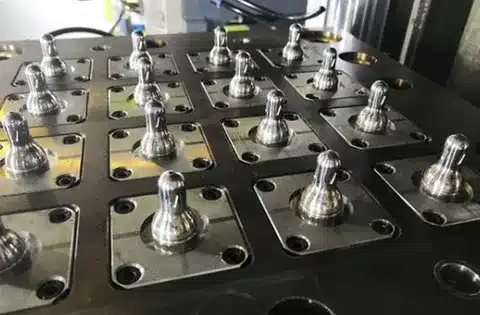
Silicone mold tooling cost is just the mold development charge that is needed to create an individualized tool, that will generate silicone products consistently and reliably. It is not one per finished product but rather one set of engineering and manufacturing operations required for your design.
In reality, this fee guarantees to provide the mold with consistent performance for thousands or millions of cycles. Quality of the tools can directly impact product quality and production consistency, so it’s always important to weigh a tooling order with the quantity of products ordered and the longer-term production plan.
| Tooling Cost Item | What It Usually Covers |
| Design Review | Checking product structure, wall thickness, cavity layout, and manufacturability |
| Mold Design | Planning mold structure, parting line, cavity layout, and release direction |
| Mold Material / Mold Base | Preparing the mold components needed for production |
| CNC Machining | Cutting and forming the mold cavities and details |
| Logo / Texture Tooling | Creating embossed, debossed, or patterned areas |
| Trial Molding | Producing initial samples to check mold performance |
| Mold Adjustment | Modifying details after sample review if needed |
| Final Mold Approval | Confirming the mold is ready for mass production |
Tooling Cost vs Unit Price: What Is the Difference?
Tooling cost is distinct from unit price in a project and if the two are confused during sourcing this can lead to misguided expectations for the project. The one time payment made to create the mold is the tooling cost, and each silicone product manufactured after the mold is completed will be charged the unit price.
An increased silicone mold tooling cost may, sometimes, reduce unit price because of a more efficient multiple cavity arrangement or the improved production flow. On the other hand, a lower tooling fee may be appropriate for prototype or small trial projects, but may result in a higher total cost if the moulds are worn out or require frequent maintenance.
| Cost Type | What It Means | Main Cost Drivers |
| Tooling Cost | One-time mold development fee before production | Mold size, cavity number, geometry, machining, logo, trial adjustment |
| Sample Cost | Cost for producing and reviewing samples | Setup, material, color, trial molding, sample quantity |
| Unit Price | Cost per finished silicone mold product | Silicone weight, molding time, labor, trimming, QC, packaging |
| Packaging Cost | Cost for retail or shipping packaging | Box, label, insert, barcode, carton, assembly |
| Testing Cost | Cost for required lab or product testing | FDA, LFGB, retailer, material, or finished product testing |
| Shipping Cost | Cost to deliver finished products | Carton size, weight, shipping method, destination |
Mold Size and Product Geometry
The size of the mold and the geometry of the product are typically the first requirements that a silicone mold manufacturer will look at when estimating the cost of the tooling since these directly influence the machining time and material requirements. The bigger the design or more complex it is, the larger the mold blocks, and more complicated the CNC work.
Any minor differences in height, depth or shape can impact direction of release, structural support and complexity of the tooling.
| Design Factor | Tooling Cost Impact |
| Overall Product Size | Larger products require larger tools and more machining |
| Product Height | Taller or deeper products may require more complex mold structure |
| Cavity Depth | Deep cavities increase release and machining review |
| Complex Geometry | Requires more engineering time and tooling precision |
| Sharp Details | May increase machining difficulty and defect risk |
| Release Direction | Poor release design may require tooling adjustment |
| Large Flat Areas | May need support and deformation review |
| Fine Surface Details | Require more accurate mold cavity machining |
| Machine Compatibility | Mold size must fit production equipment |
Cavity Number and Multi-Cavity Tooling
Since cavity number influences the mold size, the time required for the mold to be made, and the efficiency in which it can be produced, it is one of the most important factors in the cost of silicone mold tools. The optimum layout is one that optimizes the initial investment against the eventual production.
Single cavity molds are less expensive but will not produce as many parts per cycle, while multiple cavity molds are a higher initial investment, but can be more efficient for consistent bulk demand.
| Cavity Layout | Tooling Cost Impact | Best Use Case |
| Single-Cavity Mold | Lower layout complexity but lower output | Large, complex, prototype, or low-volume products |
| Few-Cavity Mold | Balanced tooling cost and output | Medium-volume products or moderately complex designs |
| Multi-Cavity Mold | Higher tooling cost but better production efficiency | Small-to-medium products with stable bulk demand |
| High-Cavity Mold | Highest tooling complexity and QC needs | High-volume repeat production |
| Mixed Layout | May support different sizes or shapes in one tool where feasible | Product sets or special project needs |
| Existing Mold Adaptation | Lower tooling development cost | Projects with limited customization needs |
Prototype Tooling vs Production Tooling
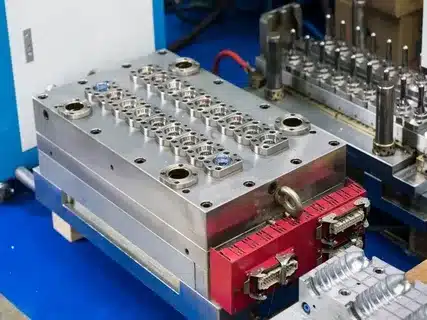
It’s easy to compare prototype and production tooling costs side by side, but without context, this may not make sense. Prototype tooling is designed to validate the design while production is designed for reliable repeatable mass production.
The type of tooling should be based on design maturity and/or volume rather than price.
| Factor | Prototype Tooling | Production Tooling |
| Main Purpose | Validate design, material, function, and user experience | Support stable mass production |
| Project Stage | Early development or pre-production | After design and sample approval |
| Tooling Cost | Often lower depending on scope | Usually higher due to durability and production needs |
| Durability | Limited or project-specific | Designed for repeat manufacturing |
| Cavity Layout | Often simpler | Can be optimized for efficiency |
| Design Changes | Easier before final production tooling | Changes after tooling can be costly |
| Best For | New, complex, or uncertain projects | Confirmed products with bulk order plans |
Logo, Texture and Surface Detail Tooling
Logo, texture, and surface detail specifications can also significantly add to silicone mold tooling costs due to the need for more precision machining and sample testing to achieve clarity and durability. All of these features make a functional mold into a branded production tool.
Care taken in the setup phase, ensures that the mold will not require costly changes once built.
| Detail Requirement | Tooling Cost Impact | Buyer Consideration |
| Embossed Logo | Requires raised tooling detail | Good for durable molded branding |
| Debossed Logo | Requires recessed tooling detail | Must not hurt cleaning or release |
| Logo Inside Cavity | Adds tooling complexity and release review | Useful for branded finished food or craft products |
| Logo Outside Surface | Often easier than cavity branding | Good for product identity |
| Fine Texture | Requires accurate machining | Should be practical for cleaning and demolding |
| Small Text | May be difficult to reproduce clearly | Confirm minimum size before tooling |
| Decorative Pattern | Adds visual value but may increase tooling time | Test sample clarity before production |
| Multi-Area Branding | More tooling details and inspection points | Use only when it adds real brand value |
Wall Thickness, Cavity Depth and Release Design
The cost of silicone mold tooling is also affected by the wall thickness, cavity depth and release design, which is not a factor buyers typically think about when purchasing silicone molds. Correctly review during engineering phase minimizes production problems later.
Deep narrow cavities, for instance, or uneven walls, may demand extra adjustments to the mold to insure smooth release and uniformity of the parts produced.
| Design Issue | Why It Affects Tooling Cost |
| Thin Walls | May require careful mold design and QC to prevent tearing or deformation |
| Thick Walls | Increase material use and may affect mold structure |
| Uneven Thickness | Requires engineering review to reduce production variation |
| Deep Cavities | Increase release difficulty and tooling complexity |
| Narrow Openings | May make demolding harder and require design adjustment |
| Sharp Corners | Increase defect risk and may need radius optimization |
| Support Rims | Add structure and tooling detail but improve product function |
| Weak Edges | Need reinforcement before tooling |
| Parting Line | Affects flash, trimming, and visible appearance |
Material, Hardness and Tooling Compatibility
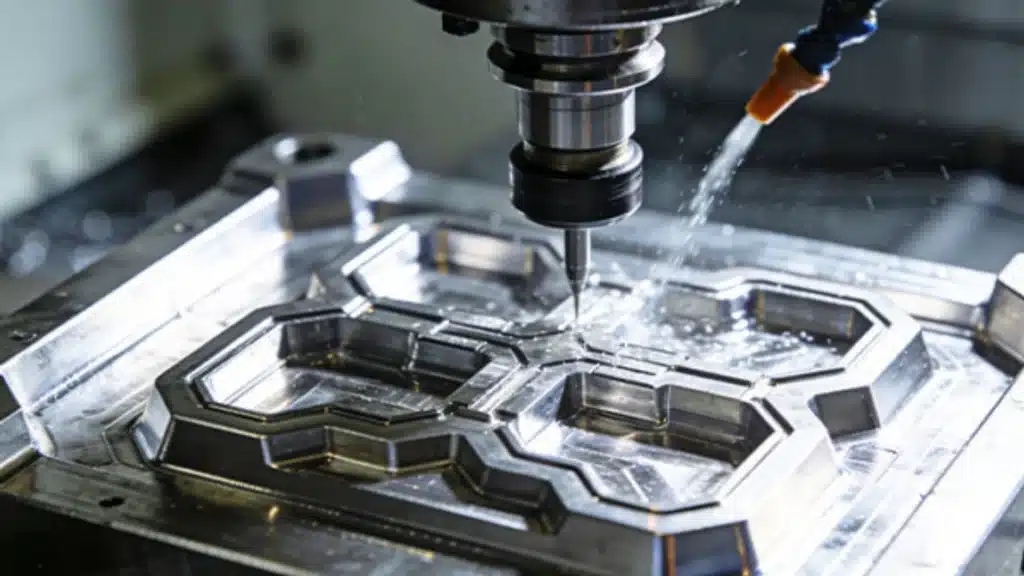
When choosing materials and Shore hardness, the mold has to be engineered accordingly, which influences silicone mold tooling cost. The tool should be suitable for the type, flow and cure rate of the silicone you are using.
Each of the various types of silicone has other tooling considerations which experienced manufacturers consider during the quoting process, whether they are used for food or heat resistance or for use in the freezer.
| Material / Process Factor | Tooling Relevance |
| Silicone Grade | Tooling should match food-contact, industrial, or general-use requirements |
| Shore Hardness | Affects demolding, cavity detail, and product flexibility |
| Heat-Resistant Silicone | May require review of structure and curing conditions |
| Freezer-Use Silicone | Needs release and flexibility review |
| Material Flow | Affects cavity filling and surface quality |
| Pigments / Colorants | Can affect sampling, appearance, and production control |
| Curing Behavior | Mold design should support stable molding and curing |
| Compression Molding | Requires suitable cavity, parting line, and material loading design |
| Co-Injection Molding | Requires more complex tooling and process planning where applicable |
Sample Trials and Mold Adjustment Fees
Silicone mold tooling cost includes sample trials and mold adjustments as well, which are common and necessary as it is rare that a perfect mold will be made just the first time the mold is made. These steps ensure dimensional correctness, appearance, logo visibility and functionality.
Specifications which are clear at the outset minimise the need for changes and help to control overall development costs.
| Trial / Adjustment Item | Why It Matters |
| First Sample Trial | Confirms whether the mold can produce the intended product |
| Dimensional Check | Verifies size, cavity depth, and critical dimensions |
| Appearance Review | Checks flash, surface finish, stains, and deformation |
| Logo Detail Check | Confirms branding clarity and position |
| Demolding Test | Verifies whether products can release smoothly |
| Functional Testing | Tests real use such as baking, freezing, soap release, or candy release |
| Mold Adjustment | Corrects issues found during sampling |
| Buyer Feedback | Helps confirm whether changes are needed |
| Revision Scope | Should be clarified before tooling begins |
How Product Category Affects Tooling Cost
Silicone mold tooling cost can vary depending on the product category due to the challenges that the tool faces during its production. Baking molds may require strong support rims and resistance to heat, and candy or chocolate molds should have a good surface finish and be easy to release.
Knowing the specifications for a particular category of projects can give buyers a helpful guide as to what they can expect to receive from a quote.
| Product Category | Tooling Cost Consideration |
| Baking Molds | Size, support rim, wall thickness, heat-use structure |
| Candy Molds | Small cavity detail, smooth surface, multi-cavity layout |
| Chocolate Molds | Fine surface finish, release performance, cavity accuracy |
| Soap Molds | Cavity depth, logo or texture detail, flexible release |
| Ice Cube Trays | Multi-cavity layout, lid fit, bottom push design |
| Beverage Molds | Food-contact design, shape consistency, accessory fit |
| Popsicle Molds | Handle slot, lid fit, multi-part structure |
| DIY Craft Molds | Fine detail, tear resistance, material compatibility |
| Promotional Molds | Logo clarity, seasonal shape, packaging alignment |
| Private-Label Sets | Multiple shapes, branding, and packaging fit |
How to Reduce Tooling Cost Without Increasing Risk
Choosing the right silicone mold tooling design is one of the most effective methods to reduce tooling cost without increasing risk, while maintaining mold quality and product performance. The aim is to remove redundancy without losing functionality.
Veteran buyers put together full specifications, lock files early and decide on the proper cavity count to keep the development fees reasonable.
| Cost Reduction Method | Why It Helps | Risk to Avoid |
| Simplify Unnecessary Details | Reduces machining time and defect risk | Do not remove functional features |
| Optimize Cavity Depth | Improves release and tooling feasibility | Do not reduce product usability |
| Use Practical Radius | Reduces tearing and tooling difficulty | Maintain intended appearance |
| Adjust Logo Size | Improves clarity and reduces tooling risk | Keep brand identity visible |
| Choose Suitable Cavity Count | Balances tooling cost and output | Avoid overbuilding for small orders |
| Use Existing Mold Where Possible | Reduces development cost | Limits customization |
| Prototype First for Risky Designs | Avoids costly production tooling mistakes | Not needed for every simple product |
| Provide Complete CAD Files | Reduces engineering uncertainty | Check file accuracy before submission |
| Lock Specifications Early | Prevents tooling modification cost | Avoid changing design after mold machining |
What Buyers Should Prepare Before Requesting a Tooling Quote
Having a buyer provide all technical and commercial information beforehand helps to improve the accuracy and usefulness of requesting a tooling quote.Poorly defined information means the manufacturer has to make assumptions leading to future changes and additional expenses.
The silicone mold manufacturer can submit you a quotation that reflects your project needs when you prepare a good request.
| Information to Prepare | Why It Helps Tooling Quotation |
| Product Application | Defines design, material, and performance requirements |
| 3D CAD File | Helps evaluate geometry and mold machining work |
| 2D Drawing | Defines dimensions, tolerances, and technical notes |
| Reference Sample | Helps match size, feel, and function |
| Product Dimensions | Determines mold size and tooling complexity |
| Wall Thickness | Affects structure and production feasibility |
| Cavity Depth | Helps evaluate release and tooling difficulty |
| Desired Cavity Number | Supports tooling layout and cost calculation |
| Silicone Material | Helps match tooling to production process |
| Shore Hardness | Affects demolding and product flexibility |
| Logo Artwork | Helps calculate branding detail tooling |
| Surface Texture | Adds tooling and inspection considerations |
| Packaging Style | Ensures final product size fits packaging |
| Testing Requirements | Helps plan sample and documentation needs |
| Order Quantity | Helps decide prototype vs production tooling |
| Annual Forecast | Helps evaluate mold durability and long-term value |
Why Tooling Quotes From Different Manufacturers Vary
The quote for silicone mold supplies will vary from one silicone mold provider to another, and not only in terms of cost.Many silicone mold suppliers offer quotes based on differing interpretations of scope, materials, and processes, not just in cost. Knowing these differences will help you not only to select a number, but to make a good choice.
Be sure to look at the same scope of the quote when comparing them.
| Quote Difference | What Buyers Should Check |
| Tooling Type | Is it prototype tooling or production tooling? |
| Cavity Number | Are suppliers quoting the same cavity layout? |
| Mold Structure | Is the mold built for repeat production or only sample validation? |
| Logo / Texture Detail | Are branding details included in the tooling fee? |
| Sample Trial Scope | How many samples or trials are included? |
| Revision Policy | Are mold adjustments included or charged separately? |
| Precision Requirement | Are critical dimensions and tolerances understood? |
| Mold Durability | Can the tool support expected repeat orders? |
| QC Scope | Are sample inspection and production checks included? |
| Engineering Support | Does the quote include manufacturability review? |
How to Choose a Manufacturer for Custom Silicone Mold Tooling
When deciding how to choose a manufacturer for custom silicone mold tooling, you should consider more than the quoted price—that’s just the beginning—you need to also consider the engineering ability, in-house silicone mold manufacturing experience, and full-process support offered by your custom silicone mold partner.The qualified manufacturer should provide the product design and structural development, silicone material selection and optimization, Shore hardness recommendations, wall thickness and cavity structure review, mold design and manufacturing of mold structure, prototype and sample production, compression molding ability, and co-injection silicone molding equipment, if applicable.
Research partner companies which have an in-house mold manufacturing workshop, raw material inspection, in-process quality control, final product testing, and a dust-free assembly and packaging environment. Surface finishes like silk screen printing, spray coating, oil finishing, and laser engraving and packaging for retail and private label goods are also good signs of a manufacturer that is willing to work with you from tooling to delivery.
| Manufacturer Capability | Why It Matters for Tooling Cost and Quality |
| Engineering Review | Helps identify tooling risks before mold development |
| In-House Mold Design | Improves communication and tooling accuracy |
| Mold Manufacturing Workshop | Supports better control over tooling schedule and revisions |
| Material Selection Support | Ensures mold design matches silicone grade and hardness |
| Prototype Development | Helps validate design before production tooling where needed |
| Production Molding Capability | Ensures the tool works in real production conditions |
| Quality Control System | Verifies dimensions, appearance, hardness, and function |
| Branding Process Support | Helps plan logo, printing, engraving, or surface detail correctly |
| Packaging Support | Helps confirm mold size and product presentation before production |
| Export Experience | Supports communication, documentation, and project coordination |
Final Buyer Checklist: Is the Tooling Cost Reasonable?
This simple checklist will help you ensure that your silicone mold tooling quote meets your needs and the manufacturer’s ability to deliver. A reasonable fee should have straightforward scope and realistic production targets.
| Checklist Question | Why It Matters |
| Is the tooling for prototype or production? | Purpose affects cost, durability, and expectations |
| Is the cavity number clearly defined? | Cavity count strongly affects tooling cost |
| Are product dimensions and wall thickness confirmed? | Prevents wrong tooling assumptions |
| Is the logo or texture included? | Branding details may add tooling work |
| Is the material and hardness confirmed? | Tooling should match processing and release behavior |
| Are sample trials included? | Sampling affects development cost and risk |
| Are mold adjustment terms clear? | Avoids unexpected revision fees |
| Is packaging size considered? | Product dimensions affect final packaging and shipping |
| Are quality requirements defined? | Tooling should support inspection and repeatability |
| Is the expected order volume clear? | Helps choose suitable tooling strength and layout |
| Are quotes being compared on the same scope? | Prevents misleading low tooling fees |
| Does the manufacturer have tooling and production capability? | Tooling quality must connect to real mass production |
Conclusion — Tooling Cost Should Match Mold Purpose and Production Goals
In addition to a one-time set up cost, silicone mold tooling represents an investment in product accuracy, sample approval, production consistency, and long-term supply reliability. The cost of mold development is based on the size, geometry, number of cavities, depth of cavity, thickness of cavity walls, logo detail, precision, sample trials and the anticipated production volume for the mold. When evaluating tooling, the cost should be considered along with unit price, minimum quantity, sample approval, quality control and the need for repeat orders.
Unnecessary mold development fees can be avoided by buyer by preparing clear CAD drawings, optimizing cavity layout, confirming early material and hardness, avoiding complicated design, choosing the tools to meet actual production requirements. The most sensible tooling cost is the one that is not only compatible with the product design, but also fits into the buyer’s long-term manufacturing plan.