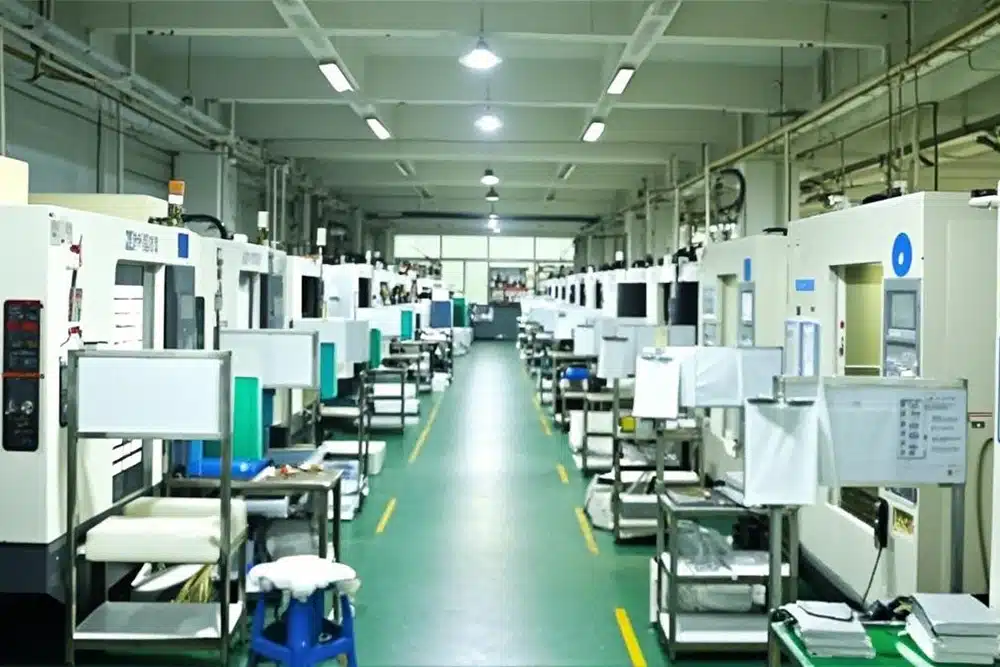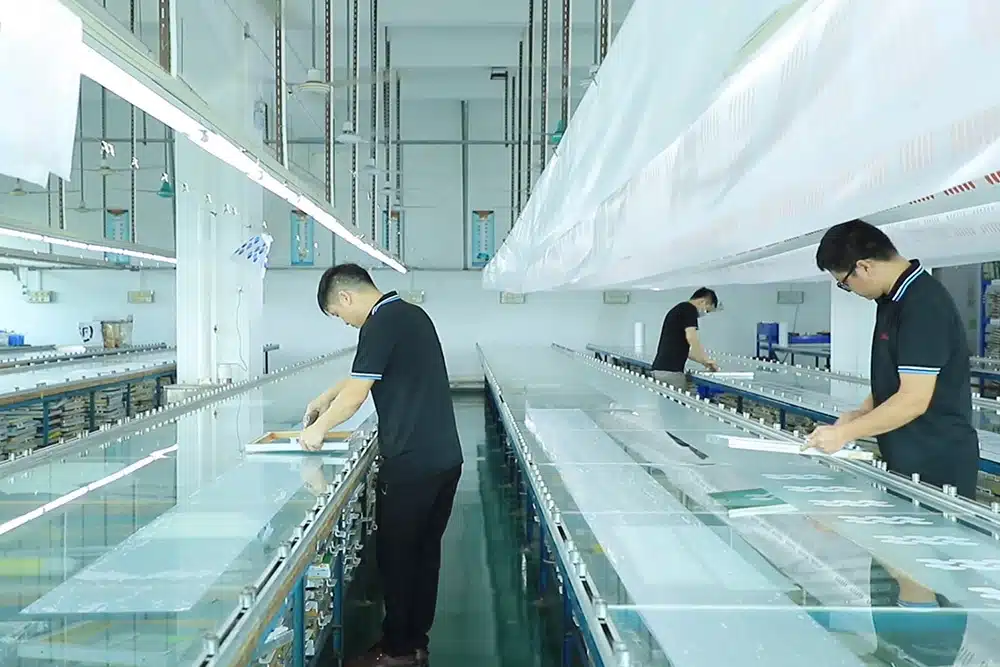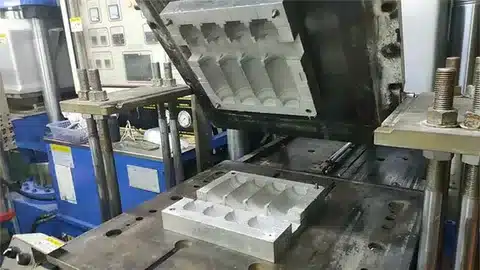

Silicone compression molding is used in the production of automotive parts and is used in the production of durable and flexible and heat resistant components in sealing, cushioning, insulation, protection, and vibration control. Applications of automotive silicone components are subject to a consistent exposure to temperature changes, mechanical forces, exposure in engine regions, aging, as well as repeated compressive cycles. The parts continue to be seen by many buyers as mere rubber-like accessories. In practice, their overall performance in the long term is largely dependent on material grade, the geometry of the mold, the stability of curing, dimensional control, and the consistency of inspection.
In car uses, silicone compression molding can be useful when the component needs to be a composite of heat resistance, flexibility, dimensional stability and quality of production that is consistent even when the parts are used in practice.
Why Silicone Compression Molding Fits Automotive Parts Production
Automotive components can be subjected to extreme conditions, such as heat, vibration, pressure, dust, moisture, and exposure to oil, as well as outdoor exposure. When there is a selection of the right grade of silicone material, it can provide the required flexibility, heat resistance, aging resistance, and sealing performance.
Compression molding is particularly convenient in most automotive silicone components since it deals with durable shapes, functional wall thicknesses, and custom geometries. This process glosses when part strength, sealing action, or recurrent compression is of greater significance than micro-minute fine elements.
In automotive buyers that create functional components, OEM silicone parts compression molding may aid in long-lasting seals, pads, boots, covers, and protective elements where consistency in quality and material performance are crucial.
Key Benefits for Automotive Silicone Components
The actual compression molding of silicone should never be evaluated based on the presumed specifications but against the actual conditions of automotive usage.
| Benefit | Why It Matters in Automotive Parts | Example Applications |
| Heat resistance | Helps parts perform near engines or high-temperature areas | Gaskets, insulation pads, protective covers |
| Flexibility | Supports repeated movement, fitting, and compression | Boots, sleeves, seals |
| Compression recovery | Maintains sealing and cushioning over time | Gaskets, dampening pads |
| Weather resistance | Supports outdoor and under-hood durability | Exterior seals, protective caps |
| Electrical insulation | Helps isolate or protect sensitive components | Connector seals, insulation covers |
| Vibration control | Reduces noise and mechanical stress | Cushion pads, anti-vibration parts |
| Custom geometry | Adapts to OEM part shapes and assemblies | Custom automotive silicone components |

These advantages can only be important after material choice, process control, and part design have been in line with the environment intended, especially when developing automotive silicone components for demanding end-use conditions.
Common Automotive Parts Made by Silicone Compression Molding
Silicone compression molding has a large number of automobile applications. The best uses are typically those involving sealing, protection, flexibility, cushioning, heat resistance or insulation. Geometry, tolerance, hardness, surface finish, and volume of production are always the determinant of final feasibility.
| Automotive Part Type | Main Function | Why Compression Molding May Fit |
| Silicone gaskets | Sealing between surfaces | Supports compression and heat resistance |
| Silicone seals | Dust, water, or air sealing | Flexible and customizable |
| Protective boots | Protect moving joints or connectors | Flexible, durable, and tear-resistant |
| Connector seals | Electrical and moisture protection | Supports sealing and insulation |
| Anti-vibration pads | Cushioning and noise reduction | Good compression recovery |
| Heat-resistant pads | Thermal protection and insulation | Works with suitable silicone grades |
| Silicone caps and covers | Protection from dust, moisture, impact | Flexible custom fit |
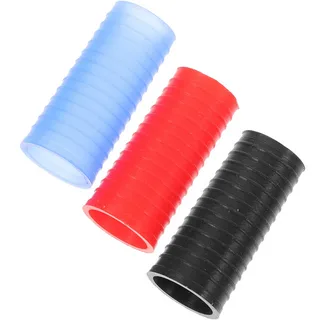
| Automotive silicone sleeves | Protection and grip | Suitable for custom shapes and textures |

Heat Resistance and Temperature Stability
Automotive silicone components are often subjected to high temperature, thermal cycling and hot spots. These requirements can be satisfied by the choice of silicone compounds, although the success largely depends on the proper curing and the choice of the material.
Ineffective performance is usually caused by poor process control. There are also unnecessary thick parts which should be avoided by designers making it harder to cure or risking more deformation.
| Temperature-Related Requirement | Design or Process Consideration |
| Engine-area exposure | Select suitable heat-resistant silicone grade |
| Repeated temperature cycling | Review dimensional stability and compression set |
| Thick silicone sections | Validate curing time and internal cure consistency |
| Contact with hot surfaces | Confirm material suitability and part thickness |
| Long service life | Evaluate aging resistance and performance retention |
Sealing, Compression Set, and Long-Term Performance
Automotive seals and gaskets are usually used in repetition compression. Compression set is a performance factor since it dictates whether or not the part will be able to regain its shape and sealing force in the long run.
Failure to seal, deform or lose its elasticity may result due to poor material choice or insufficient curing. Sculptured dimensions, location of parting lines and control of flash directly affect sealing surface quality.
| Sealing Factor | Why It Matters | Design / QC Focus |
| Compression set | Determines recovery after compression | Select suitable material and cure condition |
| Sealing surface quality | Affects leak prevention | Avoid parting lines on critical areas |
| Dimensional stability | Ensures proper fit | Define realistic tolerances |
| Flash control | Prevents interference with sealing | Control material weight and trimming |
| Hardness selection | Balances sealing and support | Match Shore hardness to application |
Flexibility, Vibration Control, and Protective Function
There are a lot of automotive components that need to absorb vibrations, guard delicate components, or adhere to uneven surfaces. The flexibility of silicone contributes to installation, repetitive movement, and the impact resistance. But, the material hardness and geometry must be well balanced.
Excessive deformation of material can happen in very soft materials whereas excessive reduction in cushioning or sealing can occur in very hard material.
| Functional Need | Silicone Design Consideration | Example Part |
| Vibration absorption | Hardness and thickness balance | Anti-vibration pad |
| Flexible installation | Elongation and tear resistance | Protective boot |
| Dust and moisture protection | Fit and sealing lip design | Connector cover |
| Impact cushioning | Wall thickness and material rebound | Protective pad |
| Long-term movement | Fatigue and tear resistance | Flexible sleeve |
Material Selection for Automotive Silicone Parts
There is no one silicone material that can be used in all of the automotive uses. Before selecting a grade, engineers and buyers need to consider actual operating conditions of temperature, compression, exposure to chemicals, out-of-doors use, and mechanical stress.
End-use requirements are best communicated prior to tooling to avoid expensive revisions in the future. The hardness, colour and surface finish and any necessary certifications must be determined at an early stage of the project.
| Material Requirement | Why It Matters in Automotive Use |
| Heat resistance | Supports under-hood or engine-area applications |
| Tear resistance | Reduces damage during installation and use |
| Compression recovery | Maintains sealing and cushioning performance |
| Weather resistance | Supports exterior and long-term exposure |
| Electrical insulation | Protects connectors and electronic areas |
| Oil or fluid contact | Prevents material mismatch |
| Hardness selection | Balances flexibility, support, and fit |
Design Considerations for Automotive Compression Molded Parts
Effective custom automotive silicone components begin with intelligent design. Final performance is influenced by wall thickness, radii, draft angles, position of parting line, sealing surfaces and assembly clearance.
Tolerance planning and surface quality are particularly crucial when it comes to sealing parts. In the case of protective components, demolding, and tear resistance are important factors to consider.
| Design Factor | Why It Matters | Recommended Focus |
| Wall thickness | Affects curing and flexibility | Keep thickness balanced |
| Radius design | Reduces tearing and stress | Avoid sharp internal corners |
| Parting line | May affect appearance or sealing | Keep away from critical surfaces |
| Draft angle | Supports demolding | Review deep or vertical areas |
| Tolerance | Affects assembly fit | Define critical dimensions |
| Surface texture | Affects grip, appearance, or sealing | Match texture to function |
| Installation method | Affects tear and deformation risk | Test sample installation |
Quality Control Requirements for Automotive Silicone Parts
Automobile applications require high quality since a minor difference in dimensions or material characteristics can affect fit and functionality. The reliability is upheld through a well-organized QC process which involves material check, first article confirmation, dimensional check, visual inspection, hardiness test, and functional check.
| QC Item | Purpose |
| Material verification | Confirms silicone grade and hardness |
| First-article inspection | Validates tooling and process setup |
| Dimensional inspection | Confirms fit and assembly requirements |
| Visual inspection | Checks flash, bubbles, surface marks, contamination |
| Hardness testing | Confirms material consistency |
| Compression or fit testing | Verifies functional performance |
| Batch records | Supports repeatability and traceability |
When Compression Molding May Not Be the Best Choice
Silicone compression molding is effective on most automotive silicone parts, although not all. Very fine, very intricate, thin-walled, or extremely large-volume precision components can be more efficiently injection molded.
The process decision to the right should take into account the complexity of the design, the yearly volumes, the tolerance specification, the tooling budget, and the efficiency in production. An in-depth process review, prior to final tooling, prevents future issues.
| Situation | Possible Better Option | Reason |
| Very high-volume precision part | Injection molding | Faster cycle and tighter repeatability |
| Extremely fine details | Injection molding | Better flow control for micro-features |
| Very thin-wall design | Injection molding or redesign | Compression molding may have filling limits |
| Complex undercuts | Mold redesign or alternative | Demolding may be difficult |
| Tight tolerance in soft material | Process review required | Measurement and shrinkage must be validated |
Common Mistakes in Automotive Silicone Parts Production
A number of common problems can decrease the performance and reliability of compression molded silicone parts:
- Using silicone material without considering real operating conditions
- The consideration of automotive silicone parts as mere rubber adjuncts.
- Neglecting compression set and long term sealing performance.
- Applying parting lines to important sealing surfaces.
- Imposing impractical tolerances on flexible silicone parts.
- Accepting samples that have not been installed or fit tested.
- Comparing suppliers in terms of unit price alone.
- Underestimation of flash control and trimming requirement.
- Lack of setting clear inspection standards prior to mass production.
Conclusion — Compression Molding Supports Durable Automotive Silicone Parts
Silicone compression molding is useful in automotive component where the product requires durability, flexibility, sealing properties, heat defiance, and consistent repeatability. The molding process is not all that is needed to achieve good results, however. The choice of material, the design of the parts, process parameters and quality-control standards should all collaborate to yield trustworthy automotive silicone components.
The engineering and procurement teams can realize the long-term and stable performance of their silicone components by addressing real requirements of their application and not generic specifications. The best manufacturing choices always strike a balance between functionality, working conditions, volume of production and quality expectations.