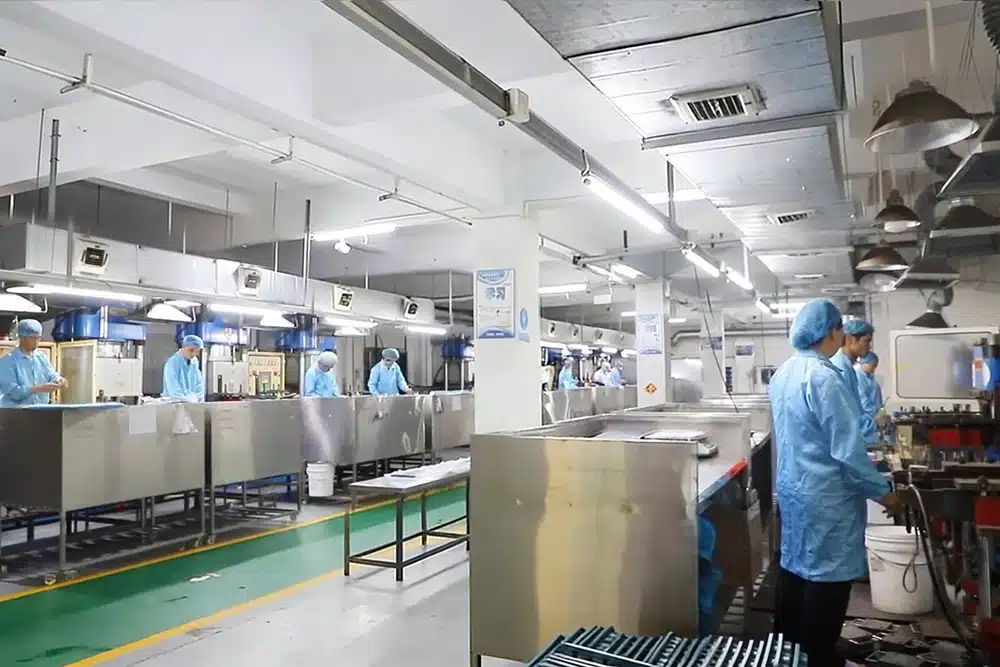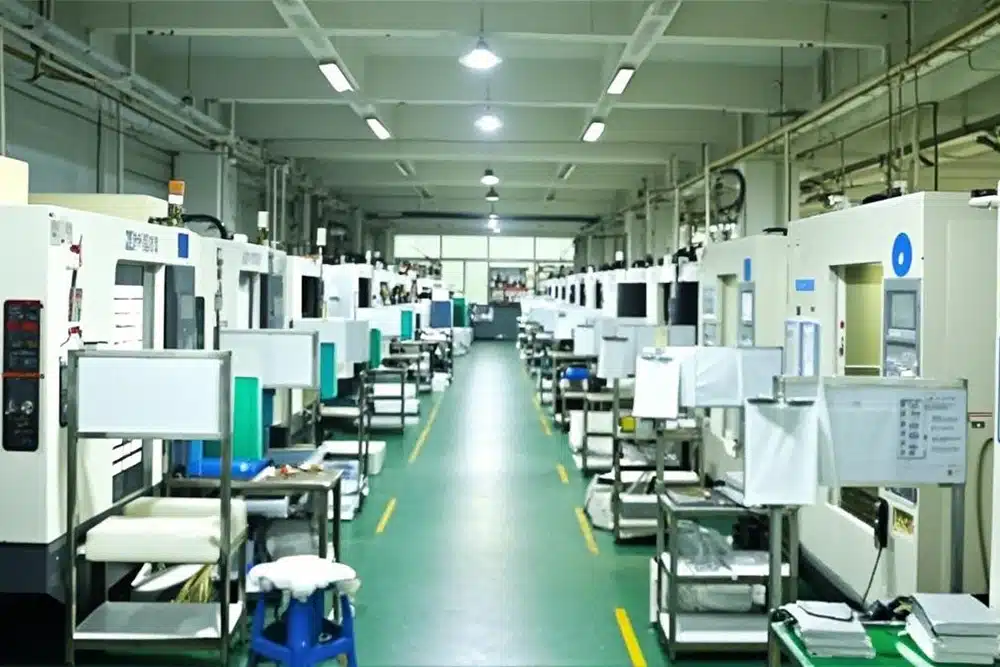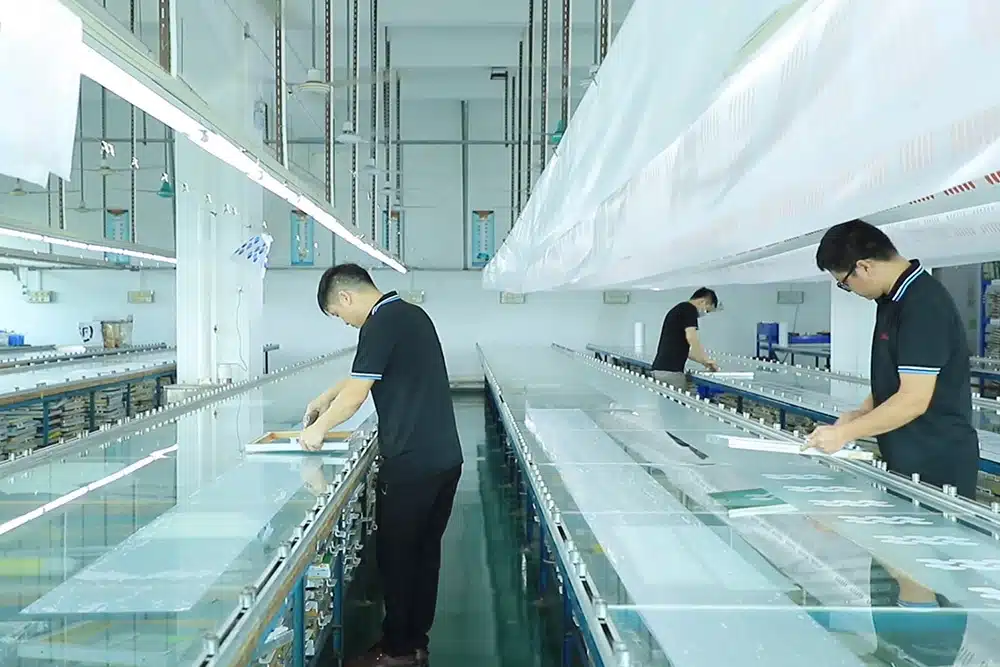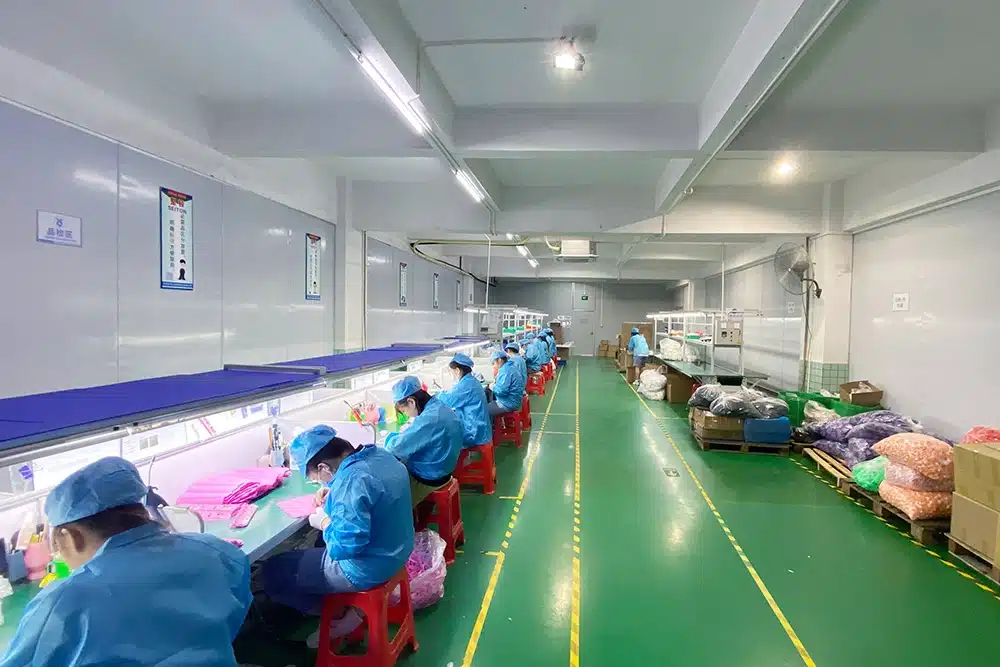

The sampling used in silicone manufacturing is not ceremony: it is a planned process of validation making the design feasible, crossing the tumble line dimensionally, and ready to manufacture before the mass production cycle commences.
Working with complicated multi-color and functional silicone components, whether they would be custom phone cases and bottle sleeve or gaskets and mats, throughout the years, we realized that silicone is very different to work with compared to stiff plastics. It experiences considerable shrinkage (usually 1.53% in accordance with the material, thickness and the curing environment), unstable flow properties and mold temperature pressure, and venting sensitivity. In the absence of the means of controlled sampling, such factors may cause dimensional drift, flash, air traps, cosmetic variation, or even inoperability in mass production.
The buyers of many believe that as soon as the mold is cut, and first shot is out, the production can begin immediately. Practically, such a short cut typically amounts to high scrap rates, instability in tolerances, frequent tooling changes, and returned customers. The basis of stable silicone mass production is a systematic silicone sampling, a systematic way of identifying and rectifying errors at an early stage to cause low risks before full-sized runs are undertaken.
Stage 1 — Prototype Development

There is the stage of prototype, which involves rapidly satisfying oneself that the design concept is even conceivable in the real world – before committing oneself to hard tooling.
We normally begin with 3D printed prototypes (SLA or SLS to enhance fine detail surfaces) or CNC machined prototypes of like density materials. These enable rapid cycling of shape, ergonomics and primitive fit. Nevertheless, it is important to keep in mind, a 3D printed/rigid mockup will never approximate the flexibility, contraction, and transfer of surface texture of silicone fully. At this stage simulation of the material has distinct weaknesses – the shrinkage is not visible and the touch of the durometer is not a good approximation.
| Objective | What Is Verified |
| Visual confirmation | Shape & structure |
| Assembly check | Fit with other components |
| Ergonomics | Handling comfort |
| Basic dimension review | Feasibility |
This phase identifies some basic design errors very early – such and impossible undercuts or bad transitions in wall thickness – which would cost weeks of rework in molding many weeks down the road.
Stage 2 — Tooling Fabrication & First Trial (T0/T1)
After the prototype feedback is added we transition to in-house production tooling made from steel or aluminum. Initial inside inspection: the initial interior shots (usually referred to as T0 by the first internal check behavior followed by T1 by the customer inspection behavior) give insight into the behavior of the real silicone with the mold.
T0 is our internal dry run and initial material injection: we check flash at the parting line, adequacy of clamping force, early shrinkage behavior and any apparent surface defects such as flow marks or knit lines. T1 then sends the samples to the client to have the real evaluation.
Here tolerances in silicone rubber components become something of serious consideration – checking actual dimensions against the drawing, taking into consideration post-cure shrinkage.
| Validation Item | Focus |
| Parting line | Alignment |
| Flash | Clamping & pressure |
| Shrinkage rate | Dimensional comparison |
| Surface finish | Texture transfer |
Typical initial results: overflashed caused by inadequate venting out, or dimensional variation caused by uneven cooling. These should be provided prior to going ahead.
Stage 3 — Revised Sample (T2 / Engineering Sample)
Once the T1 feedback, changes to mold are done through our silicone mold design and tooling process; the gate position or size is changed, venting added, draft angle adjusted, or the texture refined. Then we run T2 trials.
This is to be aimed at utilizing iteration in engineering: maximize flow to minimize air traps, maximize demolding stability, and bring cosmetics to target. We also recheck all the critical dimensions and run small batches to validate the repeatability of changes.
| Adjustment Area | Purpose |
| Gate design | Flow optimization |
| Draft correction | Demolding stability |
| Venting | Reduce air traps |
| Texture refinement | Cosmetic control |
It is crystal typical process of this loop, we go through 1-2 cycles before we have a perfect balance with our patented multi-color integrated molding process.
Stage 4 — PP Sample (Pre-Production Sample)

The PP (Pre-Production) specimen is operated with finalized mold, production grade silicone material, full curing conditions, and operator directions which resemble mass production configuration.
PP samples are the products that the mass production will always offer. A small batch (usually 50-200 pcs) is manufactured to be tested by final clients which also involves full dimensional report, hardness analysis and assembly/functional testing under our strict quality control for custom silicone products.
| PP Sample Validation | Why It Matters |
| Dimensional report | Confirms tolerance capability |
| Surface inspection | Cosmetic approval |
| Hardness test | Material consistency |
| Assembly test | Functional validation |
We only deem the process to be production-ready when it is PP approved. The only way not to find out problems later is by either skipping or rushing this phase when thousands of pieces would be molded.
Stage 5 — Pilot Run Before Mass Production

Despite the PP approval, we have a pilot (5002000 pcs, depending on the complexity of the part) run that ensures that the process is stable under actual production conditions: multiple shifts, alternate operators, full machine cycle.
This verifies long-term variation, cycle time consistency and yield consistency.
| Pilot Check | Risk Prevented |
| Process stability | Variation |
| Labor trimming consistency | Cosmetic defects |
| Cycle time verification | Output delay |
| Scrap rate analysis | Yield loss |
Pilot data is usually useful in identifying insidious operator-dependent problems or batch variations in materials that PP could not disclose.
Common Sampling Mistakes That Cause Production Failures
Combined with experience, the most common traps we have fallen into, over the years, include:
- Each iteration of T1 correction can be skipped, which assumes that close enough is good enough, resulting in some flash or short shots whenever there is a mass run.
- Having unchecked approval of prototypes before an adequate analysis of its shrinkage is done which leads to final parts not fitting its mating parts.
- Ignoring uniformity of surface finish in different samples – results in cosmetic complaints following delivery.
- Not checking until PP stage assembly fit to check – finding the interference only when it is very costly to remedy.
- Instead of locking in parameters completely when PP approval is being rushed, resulting in unstable yield to scale in production.
Any of them may convert a buildable iteration into significant re-tooling or customer complaints.
Why Sampling Reduces Long-Term Cost
The difference is not between structured sample and non-structured sample – it is a guarantee of much greater product costs later down the line.
In its absence, mass production tooling will require alteration after the fact, a great deal of scrap, returns, and yield variability will soon cancel out any perceived speed discount.
| Without Sampling | With Structured Sampling |
| High scrap | Controlled yield |
| Cosmetic complaints | Consistent finish |
| Tolerance drift | Stable dimensions |
| Rework cost | Controlled adjustment |
In our work with such brands as Disney and Universal through OEM & ODM silicone manufacturing, sampling has ensured a scrap of under 2% and a first-pass yield of over 95 percent after mass production, at any rate.
Conclusion — Sampling Is Process Validation, Not a Formality
Every step of the silicone sampling process has its own purpose prototype checks concept, T0/T1 helps identify core mold problems, T2 engineering fine tuning, PP final preparation, and pilot scaleability.
Omission or short-cutting of phase causes major risk – of not only product or cosmetic flops but also manufacturing stoppage. This production stability does not happen when the initial mass run is completed; this production stability is gained long before the initial mass production. Buyers who understand the prototype silicone molds vs production silicone molds difference can better plan which sampling stages are essential for their project.
It is this method that has made us able to provide consistent quality with complex custom silicone molds projects every year