
How HT Silicone Ensures Compliance With International Quality Standards
Meeting international silicone quality standards is not just about a certificate or a final inspection report; it is about a comprehensive quality system that controls materials, molding, inspections, documents, traceability, packaging and continuous improvements throughout the production process.
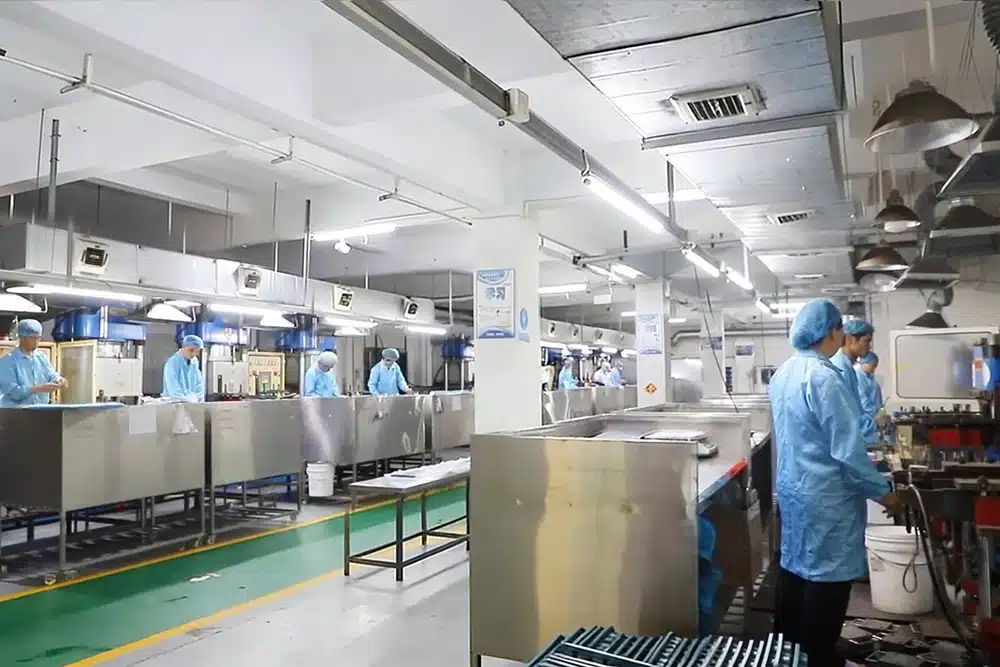
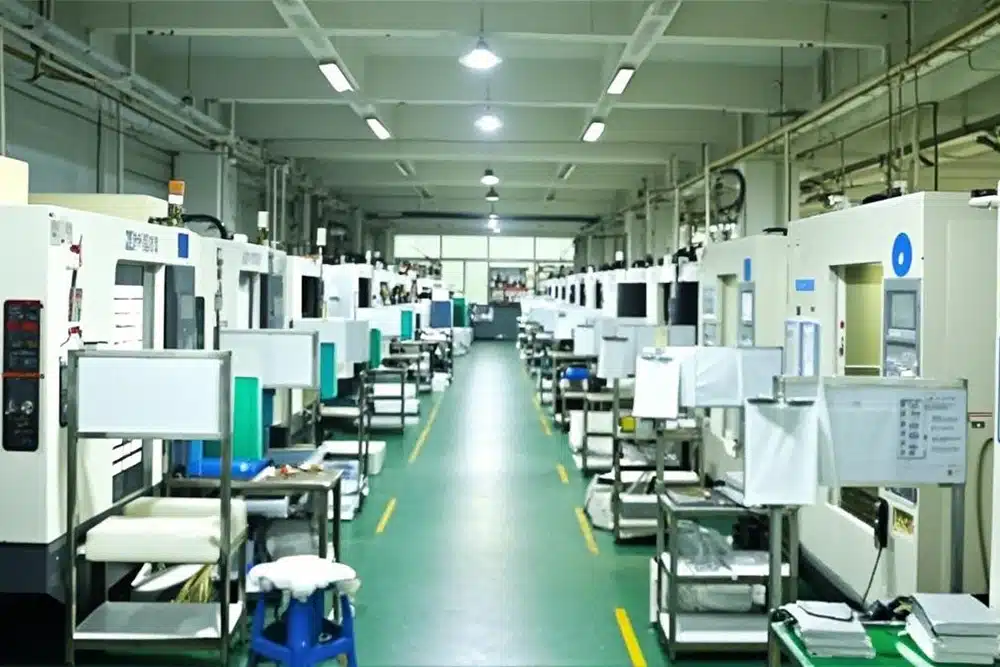
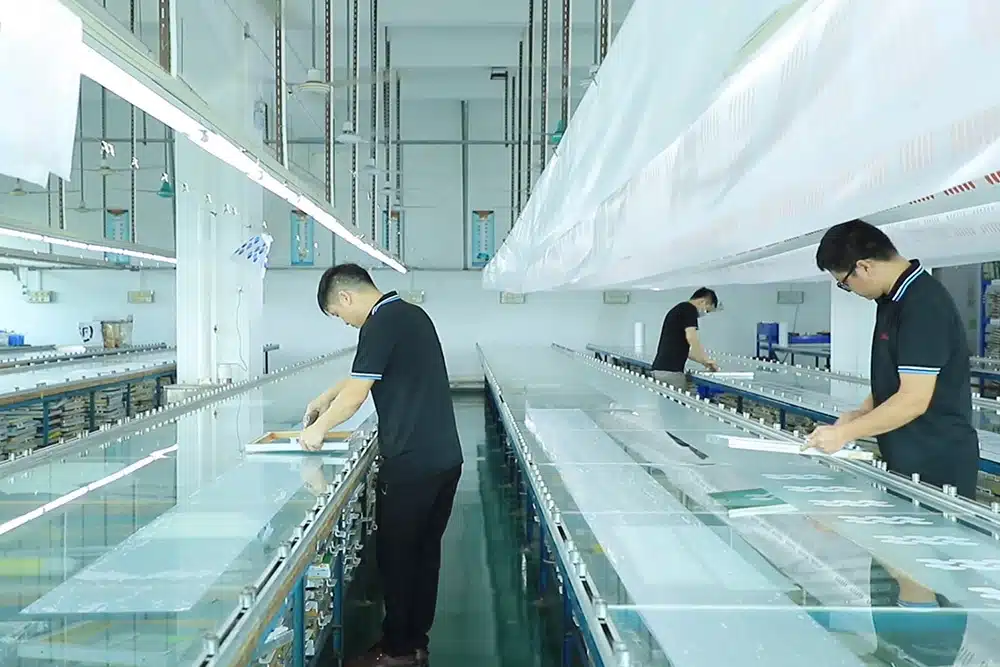
For international OEM and ODM projects, meeting international silicone quality standards is achieved through a process that links material inspection, molding, inspection, documentation, traceability, and clean packaging before shipping. At Dongguan HT Silicone & Rubber Co., Ltd., we ensure these expectations by implementing quality control measures at each stage of the process, from material receipt to product release. For international buyers, material quality consistency, production consistency, inspection accuracy, cleanliness, documentation, and shipping are common expectations. The compliance of silicone products usually relates to material safety, performance consistency, appearance, batch traceability, packaging, and customer-specific requirements. A good manufacturer controls quality from material to shipment and compliance support should always be project-specific because different markets and applications require different certificates, tests or inspections.
For international OEM silicone projects, compliance is not just about one-time testing; it is about establishing a repeatable quality control process to consistently produce reliable, traceable and inspection-ready silicone products. Customers often think that the only thing required for international quality compliance is to provide certificates, but in silicone manufacturing, certificates are not everything. Material identification, controlled molding, in-process inspection, final inspection, clean room assembly, batch reports, corrective actions are also critical for quality manufacturing.
What Do International Quality Standards Mean in Silicone Manufacturing?
International quality standards in silicone manufacturing are standards of quality, safety, consistency, documentation and inspection required by international customers and markets. Such standards depend on the application, industry, and geographic destination, but generally revolve around producing products that are safe, reliable, compliant with regulations and brand standards.
For silicone products, standards may include material safety, performance, appearance, cleanliness, traceability, packaging and supplier control. Depending on project specifications, documents like COA, MSDS, RoHS, REACH, FDA, or LFGB might be needed. The point is that documents and certificates are only effective with factory control.
| Quality Area | What It Means in Silicone Manufacturing | Why It Matters for Buyers |
| Material safety | Verifying silicone material grade and required documents | Supports food-contact, skin-contact, baby, or retail product needs |
| Process control | Managing molding parameters, curing, trimming, and finishing | Helps maintain stable product quality |
| Product inspection | Checking appearance, dimensions, hardness, and function | Reduces defective shipments |
| Traceability | Linking materials, production batches, inspection records, and shipments | Supports root-cause analysis and customer audits |
| Clean handling | Assembly and packaging in a controlled environment | Reduces contamination and packaging defects |
| Documentation | Keeping quality, material, inspection, and shipment records | Supports buyer review and compliance requests |
Why International Quality Compliance Matters for OEM Silicone Projects
OEM projects are more critical because the silicone products serve as a representation of the buyer’s brand, market position and customer experience. This helps OEM buyers protect their brand and reputation in each shipment.
Global market access, product safety, brand reputation, retail and e-commerce, customer audit readiness, consistency for repeat orders, lower returns and complaints, improved supplier accountability, quicker investigation of quality problems, and ongoing business relationships all rely on a strong quality focus.
| OEM Buyer Concern | How Quality Compliance Helps |
| Market access | Supports required material documents and inspection records |
| Brand protection | Reduces visible defects, contamination, and inconsistent quality |
| Repeat orders | Helps keep quality stable across multiple production batches |
| Customer complaints | Provides records for faster investigation and corrective action |
| Supplier audits | Shows structured quality management and documentation |
| Product safety | Supports material verification and application-based testing |
| Shipment reliability | Reduces packaging errors, mixed batches, and defective shipments |
| Long-term projects | Builds a quality history for continuous improvement |
HT Silicone’s Quality Control Workflow for International Projects
To produce international-quality silicone, control is required at each step of the process from receiving to shipment release. At HT Silicone we have a simple documented process for each OEM project.
| Quality Control Stage | What HT Silicone Checks | Why It Supports International Quality |
| Requirement review | Product use, material needs, tolerance, color, packaging, testing requirements | Clarifies standards before production begins |
| Material verification | Silicone grade, hardness, color, supplier documents, compliance needs | Reduces material-related quality risk |
| Incoming inspection | Raw silicone, pigments, inserts, packaging materials | Prevents unsuitable materials from entering production |
| Sample approval | Appearance, size, color, hardness, function, packaging reference | Creates an approved production standard |
| In-process QC | Molding parameters, curing, flash, bubbles, dimensions, surface quality | Detects problems before they become batch defects |
| Final inspection | Finished product appearance, dimensions, function, quantity, packaging | Confirms shipment readiness |
| Dust-free packaging | Clean handling, labels, carton condition, batch separation | Reduces contamination and shipment errors |
| Traceability records | Material batch, production batch, inspection results, shipment details | Supports root-cause analysis and buyer audits. Our structured custom silicone quality control system integrates these checks at every stage to meet international expectations. |
Material Verification and Compliance Documentation
Material verification is the starting point for international silicone quality standards because material selection impacts product safety, performance, aesthetics and compliance.
We verify material grade, Shore hardness, colour and pigment control, and check documents (COA, MSDS). Where necessary we also provide RoHS or REACH documents or FDA- or LFGB-related material documents for food-contact needs. All of this is done on a project-by-project basis – “when needed” or “where necessary” – and we keep samples of approved material along with batch record control.
| Documentation or Check | What It Helps Verify | When It May Be Needed |
| COA | Material batch identity and basic quality information | For material verification and buyer records |
| MSDS | Material safety and handling information | For factory handling and customer documentation |
| RoHS | Restricted substance compliance support | Electronics, accessories, or market-specific projects |
| REACH | Chemical substance compliance support | Products entering certain international markets |
| FDA-related material document | Food-contact material support | Silicone kitchenware or food-contact products |
| LFGB-related material document | Food-contact material support for certain markets | Silicone kitchenware and premium food-contact applications |
| Approved sample | Appearance, hardness, color, and feel reference | Before mass production |
| Material batch record | Traceability from raw material to finished goods | Repeat orders and quality investigation. We support this with relevant quality certifications and project-specific compliance documentation. |
In-Process Quality Control for Stable Production
It is hard to meet global quality standards if the quality control is only at the end. Stabilization of production in the molding of silicone parts requires in-process control.
We do first-piece inspection, check the mold status, molding temperature, pressure or compression control, curing time, flash and burr, bubble and void, color, dimension, operator self-check and QC patrol inspection. We alert of any abnormality.
| In-Process QC Item | Quality Risk It Helps Control |
| First-piece inspection | Prevents full-batch production with incorrect settings |
| Mold temperature control | Reduces under-curing, deformation, and dimensional variation |
| Pressure control | Helps prevent flash, incomplete filling, and trapped air |
| Curing time monitoring | Supports strength, elasticity, and stable performance |
| Mold cleanliness check | Reduces stains, particles, and surface marks |
| Appearance patrol inspection | Detects bubbles, flash, color variation, and trimming issues |
| Dimensional sampling | Helps maintain fit, assembly, and functional consistency |
| Abnormal reporting | Stops repeated defects before they affect the whole batch. This effectiveness depends heavily on consistent staff training for silicone quality control. |
Final Inspection and Shipment Release
Final inspection is to ensure the finished silicone products are good before shipment, but is integrated with all previous QC processes.
We inspectors do Visual Inspection, Dimensional Inspection, Hardness Inspection (if applicable), Functional Inspection (if applicable), Color Inspection, Cleanliness Inspection, Packaging Inspection, Label and Barcode Inspection, Quantity Confirmation, Batch Record Inspection, and the final shipment release.
| Final Inspection Item | What Inspectors Confirm |
| Appearance | Surface defects, flash, bubbles, stains, scratches, deformation |
| Dimensions | Critical sizes, thickness, fit points, tolerance areas |
| Hardness | Shore A hardness if specified by customer or application |
| Function | Sealing, fit, elasticity, grip, flexibility, or assembly performance |
| Color | Match with approved color sample or customer reference |
| Cleanliness | No visible contamination, dust, fibers, or oil marks |
| Packaging | Correct inner bags, labels, cartons, protection method |
| Quantity | Correct count per bag, carton, or shipment |
| Traceability | Batch number, inspection record, and shipment release record. Strong environmental control in silicone manufacturing further supports these final quality and compliance outcomes. |

Dust-Free Assembly and Packaging for Clean Shipment Quality
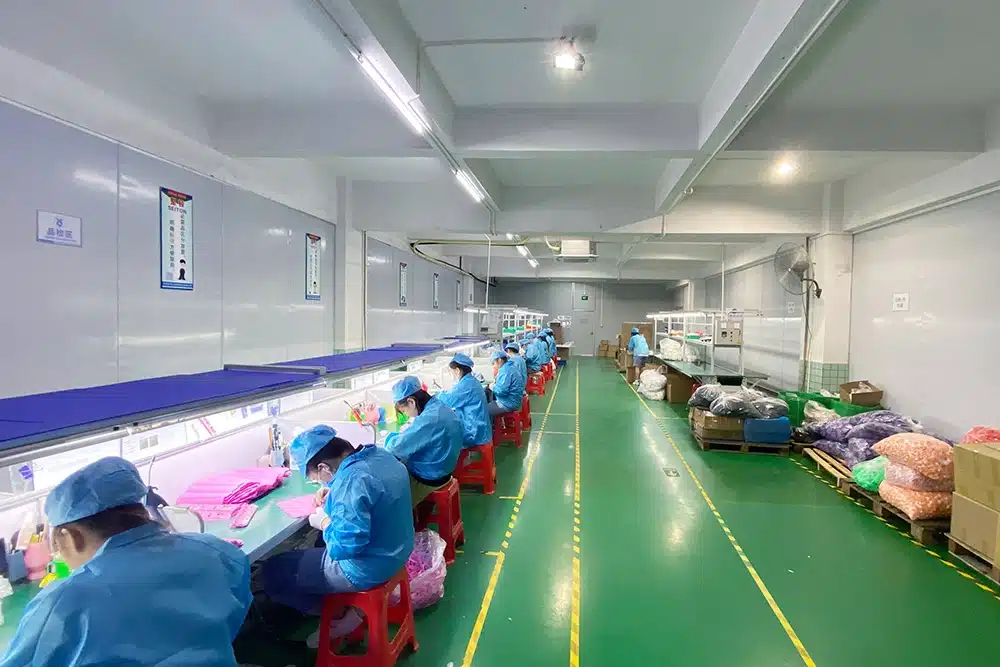
Clean assembly and packaging are compliance and quality because molded silicone products can be compromised after molding, if not properly handled and packaged.
We control a dust-free assembly area, provide a clean workbench, mandate gloves and hair nets, use clean trays and containers, minimize exposure time, use proper inner bags and packaging, provide separation of SKU/color/batch, check labels, check carton integrity and provide shipment protection.
| Clean Packaging Control | Why It Matters |
| Dust-free assembly area | Reduces particles, hair, fibers, and surface contamination |
| Gloves and clean handling | Prevents oil marks, fingerprints, and handling stains |
| Clean trays and bags | Protects products before and during packing |
| Short exposure time | Reduces dust contact after final inspection |
| SKU/color separation | Prevents mixed product or mixed color shipments |
| Label verification | Reduces barcode, SKU, and customer receiving errors |
| Carton protection | Helps prevent deformation or transport damage |
| Batch marking | Supports traceability after shipment. Our dedicated dust-free assembly and packaging processes help maintain cleanliness and compliance through to final shipment. |

Batch Traceability and Quality Records
Overseas OEM customers may be concerned with the ability to rapidly and effectively investigate quality problems. Traceability records make this possible.
We document raw material batch, pigment or color batch, supplier documents, mould number, machine number, date time shift, operator and QC inspector, in-process inspection report, final inspection report, carton number, batch number, non-conformance report and corrective action report.
| Traceability Record | How It Supports Quality Compliance |
| Material batch record | Identifies raw material source and lot number |
| Color batch record | Supports color consistency and repeat orders |
| Mold and machine record | Helps investigate tooling or process-related issues |
| Production date and shift | Identifies when and where a batch was produced |
| In-process inspection record | Shows production was monitored during manufacturing |
| Final inspection record | Confirms shipment quality was checked |
| Packaging record | Links carton, label, quantity, and batch information |
| Corrective action record | Shows how defects were investigated and improved |
How HT Silicone Handles Nonconforming Products and Corrective Actions
Compliance to quality is not only about avoiding defects but also having a process to deal with nonconforming products.
We detect nonconforming products, isolate or quarantine, classify the defects, conduct root-cause analysis, adjust the production process, rework or reject products, re-inspect after corrective action, document corrective and preventive actions, adjust for future production, and notify buyers if needed.
| Nonconformance Step | Purpose |
| Identify defect | Confirm what is wrong and how serious it is |
| Separate affected products | Prevent nonconforming parts from entering shipment |
| Review records | Check material, mold, machine, operator, and inspection data |
| Analyze root cause | Understand whether the issue came from material, tooling, process, or handling |
| Correct the problem | Adjust process, repair mold, retrain operators, or change handling method |
| Re-inspect products | Confirm corrected products meet requirements |
| Record corrective action | Support future prevention and buyer review |
| Prevent recurrence | Apply lessons to future production batches |
Quality Standards for Different Silicone Product Applications
Different types of silicone products have different quality concerns. There is no one size for all products.
| Product Application | Key Quality and Compliance Focus |
| Food-grade silicone kitchenware | Material safety documents, odor, heat resistance, cleanliness, packaging |
| Baby silicone products | Material purity, softness, tear resistance, cleanliness, safety documents |
| Personal care products | Skin-contact material quality, surface feel, cleanliness, odor control |
| Pet silicone products | Tear strength, bite resistance, durability, color stability |
| Silicone sleeves/covers | Fit, elasticity, surface appearance, dimensional stability |
| Silicone mats | Flatness, thickness, anti-slip performance, surface cleanliness |
| Silicone seals/gaskets | Hardness, compression set, sealing fit, dimensional consistency |
| Electronics accessories | Fit, cleanliness, insulation-related needs where applicable |
| Automotive components | Heat resistance, aging resistance, dimensional stability |
| Branded retail products | Appearance consistency, packaging accuracy, label control |
How OEM Buyers Can Evaluate a Supplier’s Compliance Capability
Buyers should not just focus on certificates and product pictures from a supplier.
| Buyer Question | What a Qualified Supplier Should Demonstrate |
| Do you verify incoming materials? | IQC process, material batch records, and document review |
| Can you support required documents? | COA, MSDS, RoHS, REACH, FDA/LFGB-related files when applicable |
| Are samples approved before production? | Approved reference samples for size, color, hardness, appearance, and function |
| Do you control production quality? | First-piece inspection, patrol inspection, and process records |
| Do you inspect final products? | Visual, dimensional, functional, packaging, and batch checks |
| Is assembly and packing controlled? | Clean handling, labels, carton control, and batch separation |
| Can batches be traced? | Material-to-production-to-shipment traceability records |
| How do you handle defects? | Quarantine, investigation, corrective action, and re-inspection |
| Are records available? | Organized QC documentation for buyer review when required |
Common Misunderstandings About International Silicone Quality Standards
The following are a few common buyer misunderstandings that can lead to risk or expectations.
| Misunderstanding | More Accurate View |
| Certificates are enough | Certificates support compliance, but factory process control is still necessary |
| Final inspection solves everything | Final inspection blocks defects; process control prevents repeated defects |
| One material document fits all markets | Requirements vary by application, market, and customer standard |
| A good sample means mass production will be stable | Production consistency requires in-process QC and batch records |
| Packaging is only cosmetic | Packaging affects cleanliness, deformation, labeling, and shipment quality |
| Traceability is only paperwork | Traceability helps investigate defects and isolate affected batches |
| All silicone products need the same tests | Testing should match product function, risk level, and buyer requirements |
Conclusion — International Quality Compliance Requires a Complete QC System
International quality compliance in silicone production is more than certificates, it’s process control. Through material control, sample approval management, molding conditions, in-process inspection, final inspection, dust-free packaging, batch traceability and corrective measures, HT Silicone helps international OEM buyers minimise quality risks and provide more consistent custom silicone products.
We always match compliance support to the product use and intended market. Buyers should look at both certificates and manufacturing control. A total quality system enhances product consistency, lowers risk, and enables long-term partnerships in kitchenware, babies, pets, personal care, automotive and other areas. This is how we deliver reliable custom silicone parts manufacturing that meets international quality standards.