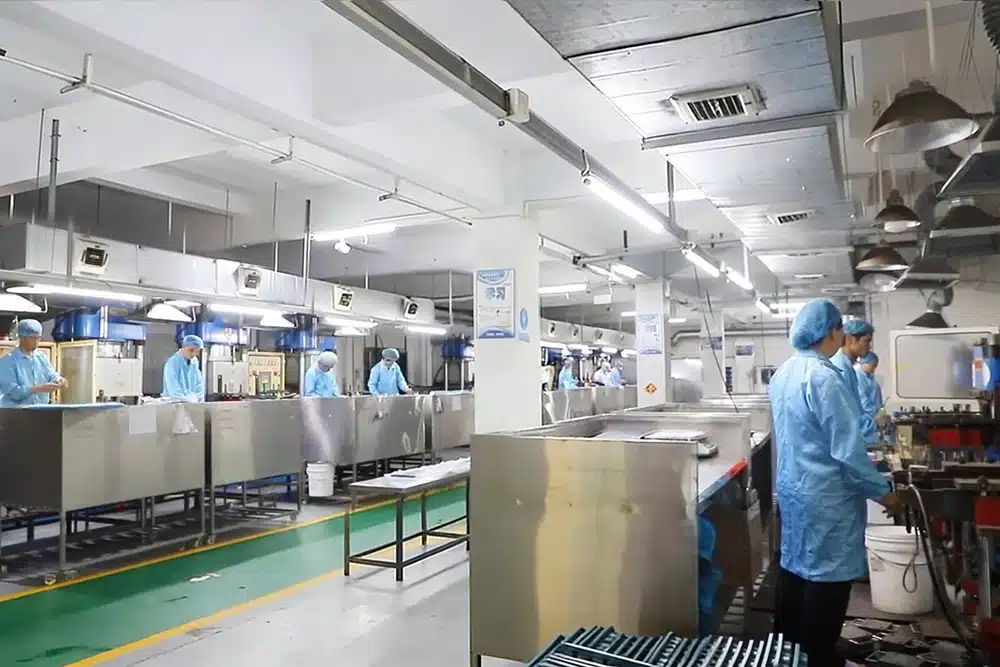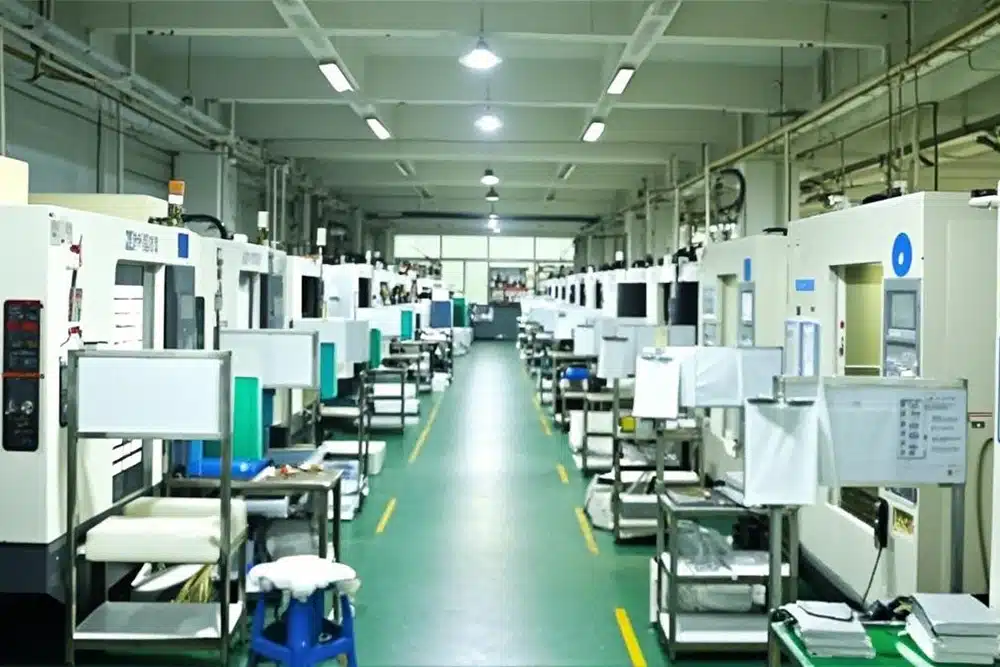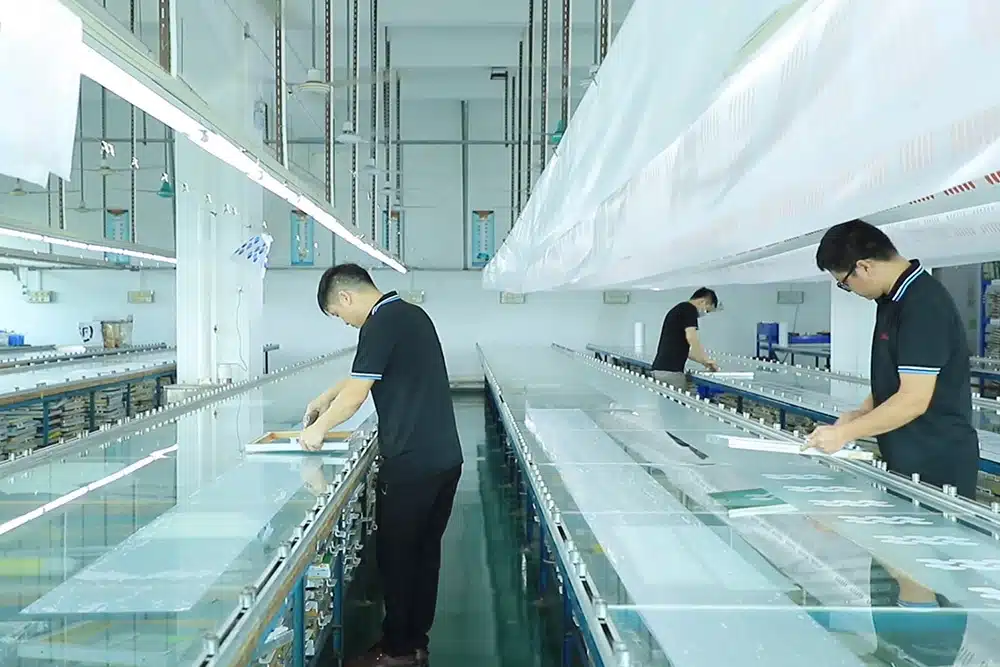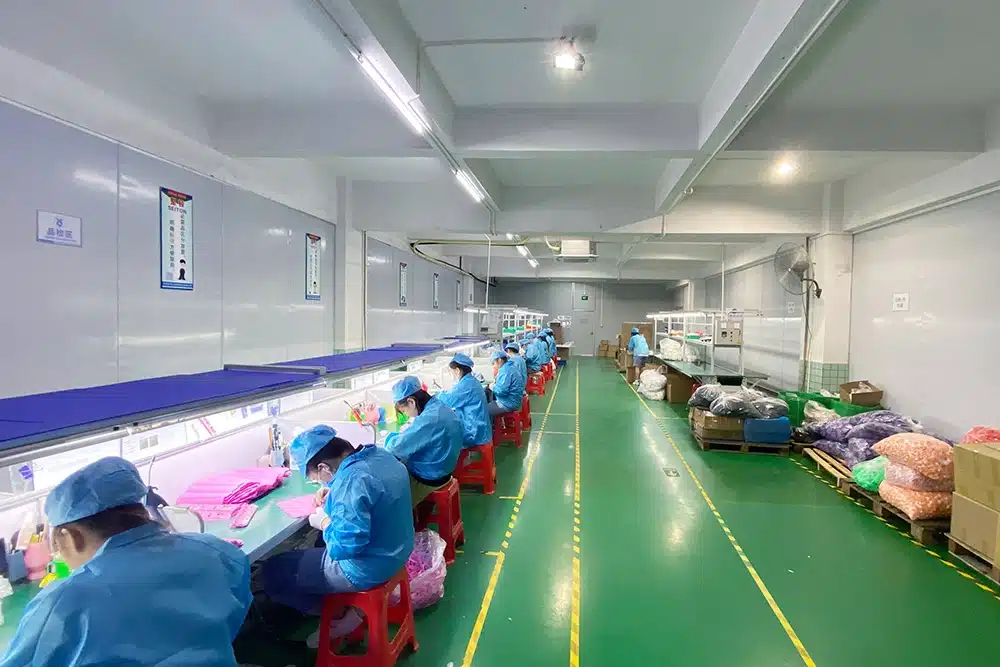

The molding process is not the only step in producing high-quality silicone products. Even well-molded parts can be contaminated with dust, fibers, oil, dirt, scratches, deformation, or even mixed up within a batch during the important post-molding processes of handling, assembly, and packaging. Clean dust-free assembly and packaging help silicone product quality by minimising contamination, blemishes, handling damage, packaging damage and batching errors post-molding to ensure finished silicone products are delivered to customers in a cleaner, more uniform, and more reliable state.
While many consumers focus on the quality of the molding, dust-free assembly and packaging are critical steps in creating good quality silicone products because even perfectly molded products can become unacceptable if they are dirty, not handled properly, packaged wrong, or mixed with another batch before shipment. This is particularly important for consumer products where aesthetics, hygiene, and safety are critical. Dust-free assembly and packaging are not frills; they are critical quality control measures to safeguard finished silicone products after molding and before they are shipped. A controlled dust-free silicone assembly process helps reduce particles, handling marks, batch mix-ups, and packaging-related quality issues before finished products are released for shipment.
What Is Dust-Free Assembly and Packaging in Silicone Manufacturing?
Dust-free assembly and packaging are controlled processes after the molding process which ensure the finished silicone product remains clean and protected until it is shipped. Learn more about our dedicated Assembly & Packaging Services.Dust-free assembly is different from normal packaging performed in a general workshop environment because it takes place in a cleaner handling area with controlled procedures for personnel, equipment and process. Contained packaging employs checked materials and approved methods to keep products safe in storage and during export.
Silicone surfaces can easily pick up dust, dirt, fibres or handling marks due to their soft and flexible nature, and sometimes static electricity. So, clean handling is crucial for consumer and contact products where even small amounts of dirt will impact on looks, hygiene and function.
| Item | What It Means | Why It Matters |
| Dust-free assembly | Assembling silicone parts in a cleaner, controlled handling area | Reduces particles, hair, fibers, and surface contamination |
| Clean packaging | Packing products with clean bags, trays, cartons, and labels | Helps protect products during storage and shipment |
| Controlled handling | Using gloves, clean tools, and defined work procedures | Reduces fingerprints, oil marks, and handling damage |
| Batch separation | Keeping colors, models, and production lots clearly separated | Prevents mixed shipments and traceability problems |
| Final release check | Inspecting products before packing and shipment | Confirms products are clean, labeled, and ready to ship |

Why Silicone Products Need Clean Assembly and Packaging
When it comes to assembly and packaging, silicone products often need to be cleaner than rigid plastics or metals because of their inherent properties that make them more prone to cosmetic or functional flaws after molding. Flexible surfaces can be easily marked or abraded, while static electricity attracts dust. Light or matte surfaces are more visible, while products for food or skin contact have more stringent standards.
Marketing considerations are another factor – consumers form opinions based on appearances, and contamination can harm brand reputation. This is why robust silicone product quality control must extend through assembly and packaging.In export shipments, improper packaging can deform or crush products, impacting their fit and function.
| Silicone Product Characteristic | Quality Risk Without Clean Handling |
| Soft flexible surface | May pick up fibers, dust, or handling marks |
| Light colors | Stains and particles are more visible |
| Matte or textured finish | Dust may be harder to remove after packing |
| Food-contact use | Cleanliness affects customer trust and product acceptance |
| Skin-contact use | Oil marks, particles, or fibers may create hygiene concerns |
| Retail packaging | Visible contamination can reduce brand value |
| Flexible shape | Poor packing may cause deformation or compression marks |
| Multiple colors or SKUs | Weak separation may cause mixed shipments |
Common Quality Problems Caused by Poor Assembly and Packaging
Silicone quality issues don’t always stem from the molding process. Many are introduced (or at least detected) during inspection, handling, assembly, packaging, storage or shipping of custom silicone parts.These defects can result in complaints, returns or rejections even if molding was perfect.
| Problem | Typical Cause | Possible Impact |
| Dust or particles | Uncontrolled packing area or open product exposure | Poor appearance and customer complaints |
| Hair or fibers | Poor operator handling or clothing control | Hygiene concern, especially for contact-use products |
| Oil marks | Bare-hand handling or dirty tools | Surface stains and rejected appearance |
| Scratches or marks | Rough handling or unsuitable trays | Cosmetic defects on visible surfaces |
| Deformation | Excessive stacking or tight packing | Poor fit, poor presentation, or functional issues |
| Mixed color/model | Weak batch separation or unclear labeling | Wrong shipment and inventory confusion |
| Wrong barcode/SKU | Poor label verification | Retail, warehouse, or customer receiving errors |
| Missing accessories | No assembly checklist | Incomplete product set before shipment |
| Carton damage | Weak packaging design | Higher transportation risk |
How Dust-Free Assembly Improves Silicone Product Quality
Dust-free assembly eliminates the risk of contamination by managing the environment, operators, equipment, materials and processes after parts are removed from molding machines. Rather than parts being left on an open bench, work is done in a clean environment with processes that minimise time exposed to air and covered surfaces.
This involves clean workbenches, gloves and hair-nets, clean trays, and labels denoting accepted, pending and rejected parts. This ensures quality is maintained by preventing defects from reaching packaging.
| Dust-Free Assembly Practice | Quality Benefit |
| Clean workbenches | Reduces surface contamination during handling |
| Gloves and hair control | Prevents fingerprints, oil marks, hair, and fibers |
| Clean trays or containers | Keeps products separated and protected during assembly |
| Defined assembly steps | Reduces missing parts or incorrect assembly |
| Shorter open exposure time | Limits dust contact before packing |
| Status labeling | Prevents mixing approved, pending, and rejected products |
| Final appearance check | Catches visible issues before packaging |
| Operator training | Improves consistency and reduces handling mistakes |

Packaging Controls That Protect Silicone Products Before Shipment
Packaging is not just about packaging products in boxes; it is the last defense barrier in protecting product cleanliness, shape, surface finish and batch identification during storage and shipment around the world. Clean inner bags, individual trays or dividers, properly sized cartons, and properly labelled product help to avoid any damage after the product has been molded and inspected.
| Packaging Control | Quality Risk It Helps Prevent |
| Clean inner bags | Dust, particles, or moisture exposure |
| Individual packing | Scratches, sticking, or color transfer between parts |
| Trays or dividers | Deformation and surface damage |
| Correct carton strength | Crushing or transport damage |
| Label verification | Wrong SKU, color, or customer order |
| Batch number marking | Loss of traceability after shipment |
| Color/model separation | Mixed shipment and customer receiving errors |
| Packing method validation | Compression marks, bending, or poor product presentation |
Which Silicone Products Benefit Most From Dust-Free Packaging?
Dust-free packaging is beneficial for most custom silicone products, but some types of products require more stringent dust-free packaging due to their intended use, regulatory standards or retail presentation — especially for OEM silicone products. Food-safe kitchenware, infant products, cosmetic items, and retail consumer products are especially sensitive to contaminants that may impact safety, aesthetic or market appeal.
| Product Category | Why Dust-Free Packaging Matters |
| Food-grade silicone kitchenware | Cleanliness affects customer confidence and food-contact acceptance |
| Baby silicone products | Buyers expect clean, safe, and hygienic presentation |
| Personal care products | Skin-contact use requires better handling and cleanliness |
| Beauty tools | Appearance and surface cleanliness affect perceived quality |
| Pet products | Clean packaging supports retail readiness and brand trust |
| Silicone sleeves/covers | Surface dust and deformation can affect appearance and fit |
| Silicone mats | Large surfaces can show dust, fibers, or compression marks |
| Silicone seals/gaskets | Contamination may affect sealing surfaces or assembly |
| Electronic accessories | Clean fit surfaces and accurate packaging reduce assembly complaints |
| Branded retail products | Packaging quality directly affects customer experience |
Dust-Free Assembly vs Ordinary Packaging: What Is the Difference?
The key difference between ordinary packing and dust-free assembly and packaging is the environment, process and level of care. Ordinary packaging may take place in a general workshop area with few controls, but dust-free processing will follow documented procedures for clean handling of products that will be inspected by end users or retailers, and are made with silicone, which can be tacky.
| Area | Ordinary Packaging | Dust-Free Assembly and Packaging |
| Work environment | General packing area | Cleaner controlled handling area |
| Operator control | Basic handling | Gloves, hair control, clean procedures |
| Product exposure | Products may remain open longer | Exposure time is reduced before packing |
| Material cleanliness | Packaging may not be closely checked | Bags, trays, cartons, and labels are checked |
| Batch control | Depends on manual sorting | Clear labels and separated batch workflow |
| Final check | Basic count and packing | Appearance, cleanliness, label, and packing review |
| Best suited for | Low-risk items | Contact-use, retail, branded, or higher-quality silicone products |
How Dust-Free Packaging Supports Batch Traceability
Closed packaging systems maintain batch traceability by recording all steps – inspection, carton pack, seal etc – in a manner that is batch segregated. Detailed batch labels, carton numbers, SKU numbers, pack dates and operator numbers provide a complete traceability record that will allow the manufacturer and the buyer to resolve any problems efficiently and effectively.
| Packaging Traceability Record | Why It Matters |
| Batch number | Links packed goods to production and inspection records |
| Carton number | Helps identify affected cartons if a problem occurs |
| SKU/model label | Prevents wrong product shipment |
| Color label | Reduces mixed color errors |
| Packing date | Supports shipment and storage tracking |
| Operator/inspector record | Helps investigate handling or packing issues |
| Quantity record | Reduces shortage or overpacking problems |
| Rework/reject separation | Prevents nonconforming products from being shipped |
How OEM Buyers Can Evaluate a Supplier’s Assembly and Packaging Environment
To determine the quality of their suppliers, smart OEM buyers look beyond molding machines and final inspection report, and examine the supplier’s post-molding handling procedures to ensure compliance with international quality standards. Specific questions about the assembly and packaging area indicate how important post-production quality control is to the supplier.
| Buyer Question | What a Qualified Supplier Should Demonstrate |
| Is assembly performed in a clean area? | Controlled handling environment for finished silicone products |
| Are operators trained in clean handling? | Gloves, hair control, tool cleanliness, and product protection |
| Are products protected before packing? | Clean trays, bags, or covered containers |
| Are packaging materials checked? | Clean, correct, and suitable bags, labels, cartons, and inserts |
| Are batches clearly separated? | Status labels, batch labels, color/model separation |
| Are labels and quantities verified? | Checklist for SKU, barcode, carton quantity, and batch number |
| Is packing designed to prevent deformation? | Suitable trays, dividers, carton strength, and stacking method |
| Are packaging records maintained? | Batch, carton, operator, inspector, and shipment records |
Common Mistakes in Silicone Product Assembly and Packaging
Complaints and returns of shipments are often due to errors in final handling and packaging. These mistakes are easy to avoid with a standardised work system and checklists.
| Mistake | Better Practice |
| Finished parts left exposed | Cover or pack products promptly after inspection |
| Bare-hand handling | Use gloves and clean handling procedures |
| Dusty trays or bags | Inspect and clean packaging materials before use |
| Mixed accepted/rejected products | Use clear status labels and separate areas |
| Over-compressed packing | Use suitable trays, dividers, or carton structure |
| Mixed colors or models | Separate SKUs and batches before packing |
| Incorrect labels | Verify barcode, SKU, color, and batch information |
| No packaging inspection | Use a final packing checklist before shipment |
| No packing record | Keep carton, batch, quantity, and inspector records |
Conclusion — Clean Assembly Protects the Quality Built During Manufacturing
Molding and inspection is not the end of the line for silicone products. Clean assembly and packaging help maintain the quality of silicone products. Controlling the cleanliness of the work environment, handling, product exposure, packaging materials, labels, carton protection and batch records manage the risk of contamination and ensure consistent, clean silicone products before shipping.
This is particularly critical for food-grade, baby, personal care, beauty, pet, electronic and branded retail silicone products. Controlling packaging also helps with batch control and shipment accuracy. When sourcing silicone products, OEMs should take the assembly and packaging environment into account when checking the silicone product quality control process. Our clean assembly and packaging practices are designed to deliver the consistent quality you expect. This enables you to receive the same quality products at your warehouse and retail stores.