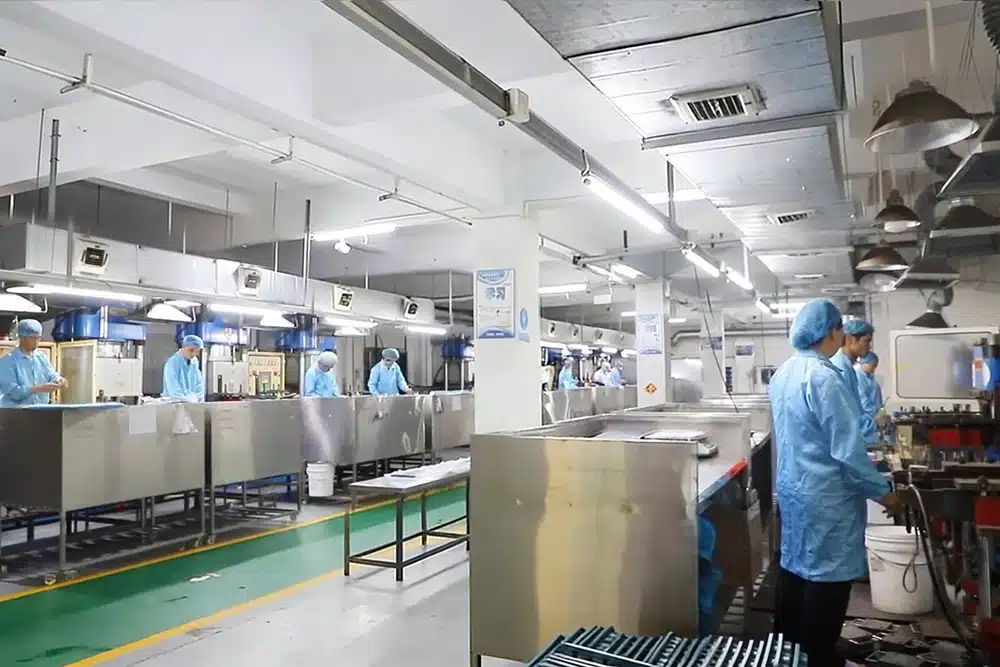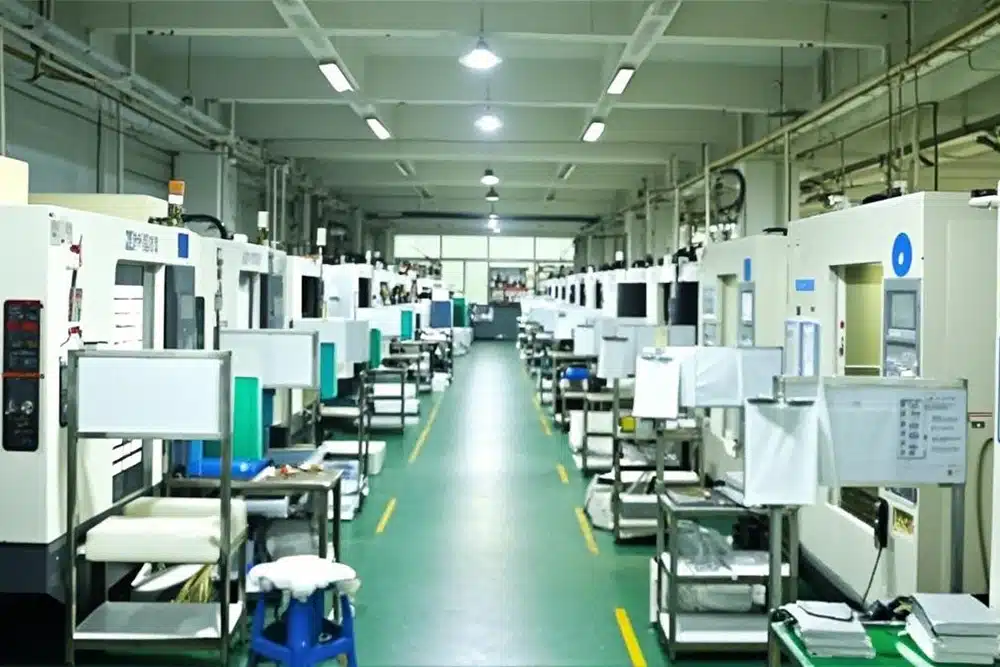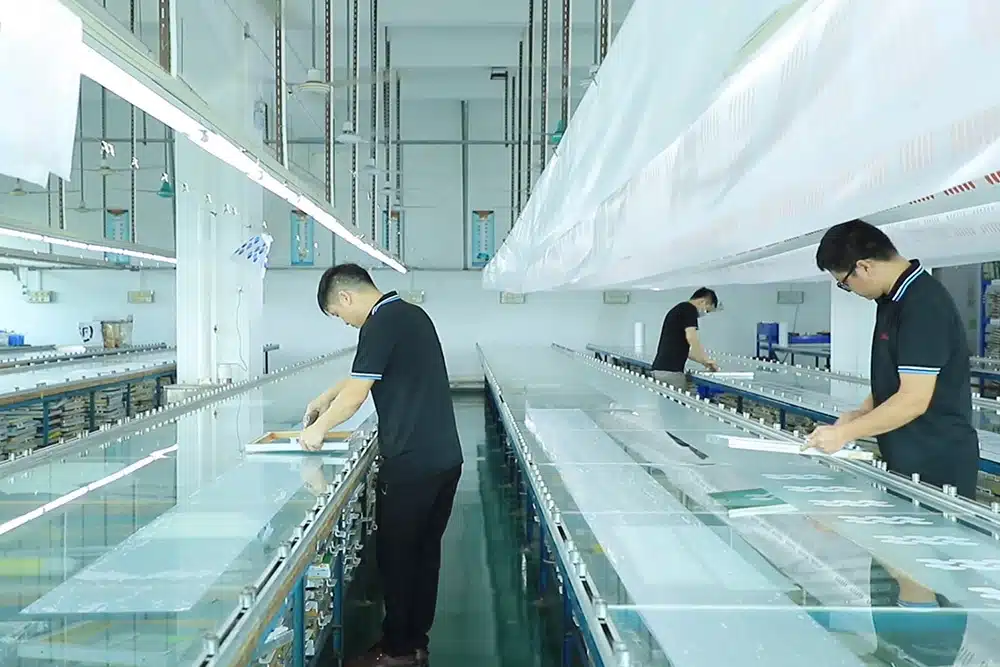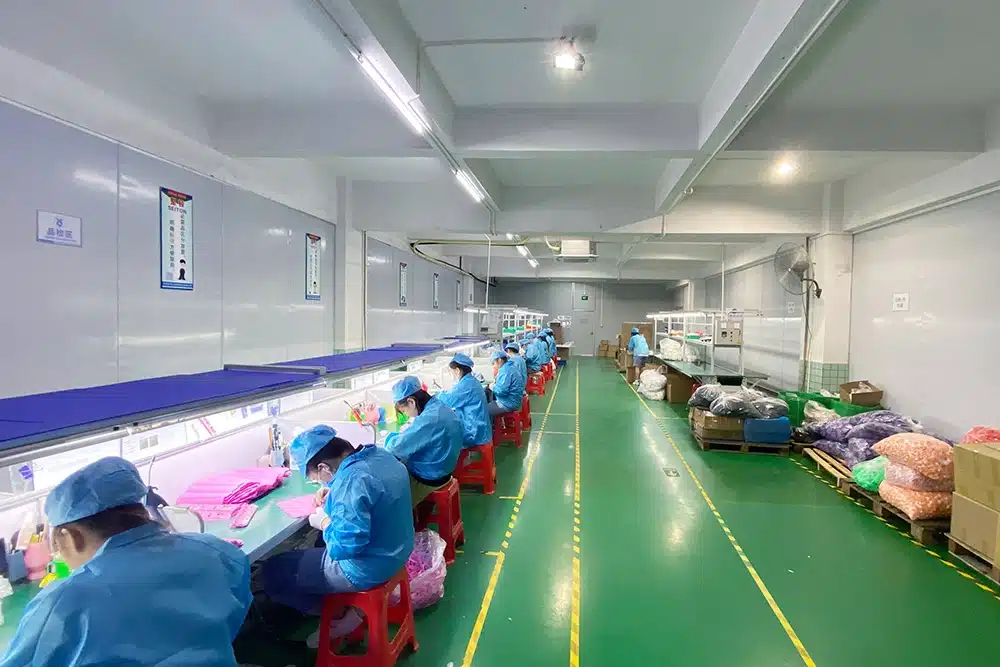
Contamination control of food-grade silicone products is achieved not only with the use of food-grade silicone material, but also through controlled material handling, clean molding, dust-free assembly, packaging inspection, trainee awareness and traceable quality control documentation. Dust, hair, fibers, oil, black marks, contaminants, dirty trays, mixed materials, and packaging are common issues of food-grade silicone products. Documentation of food-grade silicone material is important in ensuring product quality, but still, clean processing and handling are also required to achieve food-contact quality products.
The quality of food-grade silicone products is not just about material grade; it’s also about how the material is stored, molded, inspected, assembled, packaged and protected prior to shipment. This practice is particularly critical for silicone baking molds, spatulas, food-grade silicone kitchenware, food storage accessories, baby feeding products, and other food-contact silicone products. A practical food-grade silicone QC QC program links material identification, clean processing, dust-free assembly, product inspection, packaging control and batch traceability to limit contamination risks prior to shipment.

What Does Contamination Mean in Food-Grade Silicone Manufacturing?
A common misconception among buyers is that if the material is food-grade, the final product is suitable for food contact. In practice, finished product quality also requires clean manufacturing, contamination control, packaging control and project-specific documentation. Manufacturers can achieve these standards through a robust quality control program.
Contamination in food-grade silicone manufacturing is defined as any unwanted material or particle that detracts from product cleanliness, perceived safety, and/or appearance for applications where the product will come in contact with food. Proper food-grade silicone material selection forms the foundation of contamination prevention. This is not the same as material contamination (contaminated raw silicone before molding) and surface contamination (on product surfaces). Contamination can occur before molding, during molding or after molding, so prevention is a key element of a quality management system.
| Contamination Type | What It Means | Common Examples |
| Material contamination | Unwanted substances mixed with silicone material before molding | Foreign particles, mixed material, incorrect pigment, dirty raw material |
| Surface contamination | Dirt or particles attached to finished product surfaces | Dust, fibers, hair, black spots, oil marks |
| Handling contamination | Contamination introduced by operators, tools, trays, or workbenches | Fingerprints, dirty gloves, unclean trays, exposed products |
| Packaging contamination | Contamination caused during packing or storage | Dusty bags, damaged cartons, mixed products, label residue |
| Cross-contamination | Mixing different materials, colors, batches, or product types | Wrong color batch, mixed SKU, incompatible material contact |
Knowing these differences helps quality assurance prioritise.
Why Contamination Prevention Matters for Food-Grade Silicone Products
Contamination prevention impacts perceptions of product safety, customer confidence, brand value, inspection and acceptance of product shipments. For food-grade silicone products, customers and users want to see more than just product performance – they want to see cleanliness and hygiene.
| Buyer Concern | Why Contamination Control Matters |
| Food-contact use | Customers expect clean, properly handled products |
| Brand reputation | Visible dust, fibers, or stains can damage trust |
| Retail presentation | Contaminated products may look low-quality even if molded correctly |
| Customer complaints | Small particles or oil marks can trigger returns or negative reviews |
| Inspection acceptance | Final inspection may reject products with visible contamination |
| Compliance review | Material documents and handling records may be required |
| Repeat orders | Clean process control supports consistent quality across batches |
| Shipment reliability | Proper packaging reduces contamination during storage and transit |
Any contamination that does occur can have a huge impact.
Common Contamination Sources in Food-Grade Silicone Production
There are multiple potential contamination sources, so QC should not be restricted to a single phase of production. Experienced teams consider risks throughout the process, starting from raw material reception to packaging.
| Contamination Source | Possible Risk | Prevention Method |
| Raw silicone material | Foreign particles or wrong material batch | Incoming material inspection and batch control |
| Pigments/colorants | Color contamination or wrong formula | Approved color formula and pigment batch records |
| Storage containers | Dust or mixed material | Clean, labeled, covered containers |
| Molds and tooling | Black spots, oil marks, surface defects | Mold cleaning and maintenance |
| Workbenches | Dust, fibers, or surface particles | Clean work areas and regular housekeeping |
| Trays and bins | Repeated contamination across products | Clean trays and status separation |
| Operator handling | Fingerprints, hair, oil marks, fibers | Gloves, hair control, and clean handling procedures |
| Airborne dust | Surface particles on finished goods | Dust-controlled assembly and packaging area |
| Trimming tools | Burrs, debris, or dirty edge marks | Tool cleaning and trimming inspection |
| Packaging materials | Dust, carton debris, or label contamination | Packaging material inspection before use |
| Mixed batches | Wrong product, color, or traceability loss | Batch labeling and separation |

Controlling these sources of contamination helps avoid problems.
Food-Grade Silicone QC Workflow for Contamination Prevention
Contamination prevention should be an integral part of the production process, not just inspection. This ensures problems are detected early and the integrity of the product is maintained throughout.
| QC Stage | Contamination Control Focus | Why It Matters |
| Requirement review | Confirm food-contact needs and document requirements | Prevents unclear quality or compliance expectations |
| Material verification | Check silicone grade, supplier documents, and batch records | Supports material identity and traceability |
| Incoming inspection | Inspect raw material, pigments, inserts, and packaging materials | Prevents contaminated materials from entering production |
| Material storage | Keep materials sealed, labeled, and separated | Reduces dust, mix-ups, and cross-contamination |
| Mold preparation | Clean mold cavities, vents, and contact surfaces | Prevents black spots, oil marks, and surface defects |
| Molding production | Monitor material handling, curing, and part appearance | Reduces defects during active production |
| Trimming/secondary processing | Keep tools and work surfaces clean | Prevents debris and handling contamination |
| Dust-free assembly | Use clean work areas, gloves, trays, and covered containers | Protects finished surfaces before packaging |
| Final inspection | Check dust, fibers, stains, deformation, and packaging condition | Blocks contaminated products before shipment |
| Packaging control | Verify clean bags, labels, cartons, and batch separation | Protects products during storage and transport |
| Traceability records | Link material, production, inspection, and shipment batches | Supports investigation if contamination is found |
This process helps to control cleanliness through productions. From mold preparation to final inspection, using high-quality custom silicone molds plays an important role in reducing contamination risks.
Material Verification and Documentation for Food-Contact Silicone Projects
Documenting and verification of material is the first control point when it comes to contamination and compliance, but it is important that the documents match the material batch and project need. Our quality certifications for food-grade silicone support full compliance and traceability. Thorough checks here ensure smooth production flows.
| Document or Check | What It Supports | Important Note |
| Material batch record | Links raw silicone to finished products | Must match actual production batch |
| COA | Confirms material batch identity and basic quality information | Should be reviewed before release to production |
| MSDS | Provides handling and safety information | Useful for internal control and buyer documentation |
| FDA-related document | Supports food-contact material review where required | Must match project and material requirements |
| LFGB-related document | Supports food-contact review for certain markets where required | Should not be assumed unless verified |
| Pigment record | Helps confirm colorant batch and formula | Important for colored food-grade products |
| Approved sample | Confirms color, hardness, odor, feel, and appearance | Used as reference during inspection |
| Traceability record | Connects material to production and shipment | Helps investigate contamination or material questions |
Scrutinizing these logs helps to meet customer expectations.
Clean Handling and Dust-Free Assembly Guidelines
Many problems occur post-molding, so products need to be protected against contamination during trimming, sorting, assembly and packaging. Dust-free assembly guidelines are aimed at shielding parts that are already molded from the environment and humans.
| Clean Handling Practice | Contamination Risk Reduced |
| Gloves and hair control | Fingerprints, oil marks, hair, and fibers |
| Clean workbenches | Dust and particles during inspection or assembly |
| Clean trays and covered containers | Cross-contamination and open exposure |
| Reduced exposure time | Dust settling on finished silicone surfaces |
| Tool cleaning | Debris, stains, or edge contamination during trimming |
| Product status separation | Mixing accepted, pending, rejected, or rework products |
| Operator training | Inconsistent handling and missed contamination risks |
| Final cleanliness check | Contaminated products reaching packaging or shipment |

These are the tangible steps of post-molding contamination control.
Packaging QC for Food-Grade Silicone Products
Packaging is a contamination control process because clean products can be contaminated or damaged in the packaging, storage and/or shipping process. Packaging inspections help ensure the product is as clean when it gets to the customer as it was when it left final inspection.
| Packaging QC Item | What Inspectors Should Confirm |
| Inner bag cleanliness | No dust, debris, odor, moisture, or contamination risk |
| Product placement | Product is not squeezed, deformed, or exposed unnecessarily |
| Label accuracy | SKU, color, model, batch number, and customer requirement are correct |
| Batch separation | Different lots, colors, or models are not mixed |
| Quantity per carton | Correct count based on packing specification |
| Carton condition | Carton is clean, dry, strong, and suitable for shipment |
| Sealing method | Packaging protects products during storage and transport |
| Final packing record | Batch, carton, quantity, and inspector information are recorded |
Routine packaging QC ensures product purity and traceability.
Common Contamination Problems and Corrective Actions
When contamination occurs, the approach should be: isolate, investigate, correct, re-inspect and take preventative action. Timely, structured responses minimise the impact and enhance processes.
| Contamination Problem | Likely Cause | Corrective Action |
| Dust on product surface | Open exposure or dusty work area | Clean area, reduce exposure, re-inspect before packing |
| Hair or fibers | Poor operator control or clothing contamination | Improve hair control, gloves, clean handling training |
| Oil marks | Bare-hand handling or dirty tools | Clean tools, use gloves, separate affected products |
| Black spots | Mold contamination or material particles | Review mold cleaning and material inspection |
| Mixed color particles | Pigment or material cross-contamination | Separate materials and clean tools/containers |
| Dirty packaging bags | Poor packaging material storage | Inspect and replace packaging materials |
| Contaminated trays | Trays not cleaned between batches | Clean or replace trays and improve status control |
| Mixed batches | Weak labeling or separation | Improve batch labels, carton records, and packing checks |
| Contamination after inspection | Products exposed before packing | Pack promptly after final approval |
Recording incidents aids in improving processes.
Inspection Standards for Food-Grade Silicone Cleanliness
Inspection for cleanliness should be based on specific standards. Specific references and lighting create consistent and defensible results.
| Inspection Reference | How It Helps Cleanliness Control |
| Approved sample | Provides reference for appearance, color, surface feel, and odor |
| Limit sample | Shows boundary between acceptable and unacceptable defects |
| Inspection lighting | Helps identify particles, fibers, stains, and color differences |
| Defect classification | Helps inspectors judge severity consistently |
| Packaging standard | Defines acceptable inner bags, labels, cartons, and sealing method |
| Customer specification | Aligns inspection with buyer’s market and brand requirements |
| Retained sample | Supports future comparison and complaint investigation |
| Inspection record | Documents final cleanliness and shipment release status |
These standards make the inspection process objective and verifiable.
Food-Grade Silicone Products That Need Strong Contamination Control
All products that come in contact with food must be handled cleanly, but some products need particular attention to contamination control because they come in contact with food, skin or children. Bigger surface areas or contact with food increase the risks.
| Product Type | Contamination Control Priority |
| Silicone baking molds | Surface cleanliness, odor, dust prevention, packaging protection |
| Silicone spatulas | Clean handling, material documentation, color consistency |
| Silicone kitchen utensils | Food-contact surface cleanliness and final inspection |
| Silicone food storage accessories | Clean packaging, fit surface cleanliness, odor control |
| Silicone ice trays | Dust-free packing and clean cavity inspection |
| Baby feeding products | Clean handling, material verification, final cleanliness inspection |
| Silicone cup lids | Fit surface cleanliness and packaging protection |
| Silicone tableware | Surface appearance, dust control, carton cleanliness |
| Food-contact silicone mats | Large surface inspection, dust control, flat packing |
| Branded retail kitchenware | Clean presentation, label accuracy, retail-ready packaging |
Prioritizing these products helps maintain high standards across the range.
How OEM Buyers Can Evaluate Food-Grade Silicone Contamination Control
OEM buyers should look at paper and practice when sourcing food-grade silicone products. Partnering with a manufacturer offering strong OEM & ODM silicone manufacturing capabilities ensures robust contamination control throughout the process.Questions can determine the supplier’s level of commitment to preventing contamination.
| Buyer Question | What a Qualified Supplier Should Demonstrate |
| Are material documents verified? | COA, MSDS, FDA/LFGB-related documents where applicable |
| Are materials stored properly? | Sealed, labeled, separated raw materials and pigments |
| Is contamination checked before molding? | Incoming inspection for materials, inserts, and packaging components |
| Is the assembly area clean? | Dust-controlled work area, clean trays, and reduced product exposure |
| Are workers trained in clean handling? | Gloves, hair control, tool cleanliness, and contamination awareness |
| Are packaging materials inspected? | Clean inner bags, cartons, labels, and protective packing |
| Are finished products inspected? | Visual, cleanliness, odor, packaging, and batch checks |
| Can batches be traced? | Material-to-production-to-shipment records |
| How are contaminated products handled? | Quarantine, investigation, rework/rejection, and re-inspection |
These questions can help buyers filter out hacks from honest suppliers.
Common Misunderstandings About Food-Grade Silicone QC
A few misunderstandings can cause buyers to underestimate the work needed to ensure quality for food-grade silicone products. This helps assess suppliers more accurately and avoid surprises.
| Misunderstanding | More Accurate View |
| Food-grade material is enough | Finished product quality also depends on clean handling, molding, and packaging |
| Certificates solve all concerns | Documents support compliance, but factory QC controls contamination risk |
| Final inspection catches everything | Products can be contaminated after inspection if packaging is uncontrolled |
| Packaging is only for appearance | Packaging protects cleanliness, shape, labels, and batch identity |
| Pigments do not matter | Colorants must be controlled for batch consistency and project requirements |
| Small orders do not need clean handling | Even small batches can fail if contamination is visible |
| Contamination is only a safety issue | It also affects appearance, customer trust, and shipment acceptance |
| Traceability is paperwork | It helps identify affected batches and root causes when issues occur |
Knowing this helps manage expectations.
Conclusion — Food-Grade Silicone QC Must Control Both Material and Handling
The quality control for food-grade silicone products must extend to all aspects of handling and production. Handling and processing of the raw material, mold preparation, dust-free assembly, packaging inspection, final clean product checks, and traceability of batches can help prevent contamination. The best way for OEM buyers to ensure food-grade quality is to simply partner with a silicone manufacturer that looks at food-contact quality as a complete production system. Request food-grade silicone product samples to evaluate our contamination prevention standards firsthand. If material documentation and handling techniques cooperate, then product handling and confidence are improved, complaints are reduced, and the supply chain is strengthened.