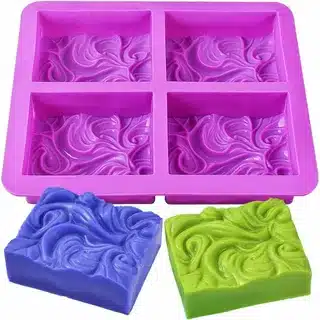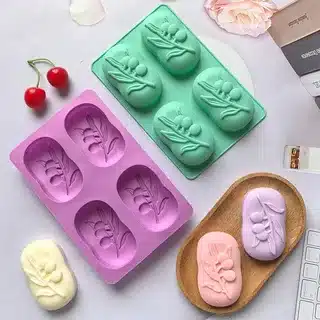

Food-contact silicone mold products are custom silicone candy and chocolate molds products which are produced based on a buyer’s required shape, cavity detail, size, color, hardness, logo, packaging and bulk production requirements. They are frequently employed in candies and chocolates, gummies, jellies, dessert decor, do-it-yourself (DIY) confectionery kits, seasonal items and private label retail mold sets.
The molding silicone material, cavity accuracy, smooth release, clean surface finish, color uniformity and stable production quality of candy and chocolate mold are required. Visual shape of a candy or chocolate mold is the first area that often elicits a buyer’s interest, but cavity depth, corner radius, silicone hardness, wall thickness, surface finish, release angle, and color matching are all small areas that can make a big difference for usability and the final product appearance. Custom silicone candy and chocolate molding tools should not be created just for the sake of their appearance but should be designed as functional food-contact silicone molding tools that possess the proper material properties, detail accuracy, flexibility, easy release, durability, clean appearance, and retail presentation.
What Are Custom Silicone Candy and Chocolate Molds?
Custom silicone candy and chocolate molds are finely engineered tools that enable confectionery companies to produce uniform and premium candies, chocolates, gummies and jellies in large quantities and with special features that identify a brand. These molds are designed from scratch or under OEM/ODM process according to exact performance, safety and aesthetic requirements which cannot be achieved by generic store-bought molds.
For confectionery brands, importers, and private-label sellers developing unique candy, gummy, or chocolate product lines, custom silicone candy molds can support distinctive cavity shapes, brand colors, easy release, and scalable OEM production. This is perfect for seasonal holiday lines, long-term private label lines from retail, Amazon or Shopify or any other lines you want to create.
| Item | Explanation |
| Product Type | Custom molded silicone tools used for candies, chocolates, gummies, jellies, and dessert products |
| Common Products | Candy molds, chocolate molds, gummy molds, jelly molds, dessert decoration molds, confectionery mold sets |
| Material Focus | Food-contact silicone, flexibility, easy release, odor, color, and durability |
| Custom Options | Shape, cavity detail, size, color, hardness, logo, texture, packaging, and product set design |
| Typical Buyers | Candy brands, chocolate brands, importers, wholesalers, retailers, ecommerce sellers, and OEM/ODM buyers |

Why Silicone Is Used for Candy and Chocolate Molds
The flexibility, detail reproduction, and reusability that silicone offers is ideal for real-world candy production, making it the preferred choice for custom candy and chocolate molds.
The material’s flexibility ensures realistic shapes melt away without cracking and its high resolution quality captures fine details, ensuring that logos, textures, and patterns are transferred perfectly to the final candy or chocolate. Once it’s in the right grade, silicone is easy to clean, can be tinted to brand colors, and is repeatable for commercial and home use.
| Silicone Property | Practical Benefit for Candy and Chocolate Molds |
| Flexibility | Helps release delicate chocolates, candies, gummies, and jellies without breaking |
| Easy Release | Improves finished product appearance and reduces user frustration |
| Detail Reproduction | Supports logos, themed shapes, seasonal patterns, and fine cavity details |
| Soft Handling | Makes molds easier to bend, store, and clean |
| Reusability | Supports repeated household, retail, or small-batch confectionery use |
| Color Customization | Helps brands create product lines, seasonal colors, or private-label collections |
| Design Freedom | Supports creative shapes, characters, letters, numbers, and branded cavities |
| Food-Contact Material Options | Supports food-related use when material and testing requirements are properly confirmed |
Common Types of Custom Silicone Candy and Chocolate Molds
The design of the mold should be appropriate for the confectionery product and sales outlet, for performance and marketability.
The cavity shapes, depths and release characteristics desired vary significantly by type of confectionery. There are various types of molds and selecting the appropriate type early prevents unnecessary revisions later in the mold development process.
| Mold Type | Common Use | Key Design Focus |
| Candy Molds | Hard candy, soft candy, shaped sweets | Cavity consistency, easy release, smooth surface |
| Chocolate Molds | Chocolate pieces, bars, decorations | Fine detail, glossy surface potential, release performance |
| Gummy Molds | Gummies, jelly candy, supplement gummies | Flexible release, small cavity accuracy, cleaning ease |
| Jelly Molds | Fruit jelly, dessert jelly, shaped treats | Soft release and cavity depth control |
| Truffle Molds | Round or specialty chocolate pieces | Cavity shape, smooth inner surface, consistent size |
| Bar Chocolate Molds | Chocolate bars or segmented pieces | Flatness, line detail, demolding performance |
| Lollipop Molds | Candy or chocolate with sticks | Stick slot design, cavity alignment, user handling |
| Seasonal Molds | Holiday candies, gifts, promotional sets | Visual appeal, packaging, and color matching |
| DIY Kit Molds | Home candy or chocolate kits | Safety, ease of use, cleaning, and packaging |

Design Options for Candy and Chocolate Molds
Whether it is a visual detail or actual use, design customization should take into account the end product to ensure it functions as expected on the production line and/or in the consumer’s kitchen.
The choice of design from the sheet size to the cavity shape has an impact on the mold’s ability to release the product, its packing for shipping and how it looks on the retail shelves. The lead up to the manufacturing process, with the buyer and manufacturer working together, can help ensure these elements are aligned to budget and time.
| Design Option | Why It Matters |
| Shape and Size | Defines product appearance, serving size, and brand differentiation |
| Cavity Number | Affects user output per use and perceived product value |
| Cavity Depth | Influences release performance and final candy or chocolate shape |
| Fine Details | Important for logos, characters, seasonal themes, letters, or decorative patterns |
| Corner Radius | Helps reduce tearing and improves demolding |
| Wall Thickness | Affects flexibility, durability, silicone usage, and cost |
| Release Angle | Helps candies or chocolates come out cleanly |
| Mold Sheet Size | Affects packaging, storage, and shipping volume |
| Color Matching | Supports brand identity and retail collection planning |
| Packaging Fit | Ensures the finished mold works with retail boxes, hanging cards, or ecommerce packaging |
How to Choose Food-Grade Silicone Materials
The selection of materials influences the food contact compatibility, odor, flex, durability, colour stability and consumer acceptance.
Silicone formulations are not all the same when used in confectionery applications. The buyers need to consider the expected uses of the molds (freezing or room temperature storage, or moderate heat) and compare these to the curing system, silicone hardness and what is expected of it from regulatory bodies.
| Material Factor | Buyer Consideration |
| Food-Contact Suitability | Important for molds that directly contact candy, chocolate, gummies, or jelly |
| Curing System | May affect odor, appearance, and performance expectations |
| Silicone Hardness | Influences flexibility, support, and easy release |
| Pigments | Should match intended food-contact use and color requirements |
| Odor Control | Should be reviewed during sample approval |
| Temperature Range | Must match actual use, such as cooling, freezing, or moderate heating |
| Target Market | May require FDA, LFGB, or retailer-specific documentation |
| Finished Product Testing | May be needed for importers, retailers, or brand owners |
Cavity Detail, Hardness and Release Performance
It is the many small design and material choices that are evident only after the initial test pour that greatly influence candy and chocolate mold performance.
A mould that is perfect on paper can still fail in operation if the cavity depth is too deep, cavity walls are too thin or there is insufficient match between the mould hardness and the product. These problems are often discovered with the prototype in the confectionery itself prior to full production.
| Factor | Potential Problem If Not Controlled | Better Approach |
| Cavity Depth | Candy or chocolate may be difficult to release | Use release-friendly depth and radius design |
| Fine Detail | Logo or pattern may appear unclear | Confirm detail depth and tooling precision during sampling |
| Silicone Hardness | Mold may be too soft or too stiff | Test hardness with real use conditions |
| Wall Thickness | Product may tear, deform, or feel unstable | Balance flexibility, durability, and cost |
| Corner Radius | Sharp corners may trap material or tear | Use rounded design where possible |
| Surface Finish | Finished candy or chocolate may look uneven | Review mold surface and sample output |
| Cavity Spacing | Mold may deform during handling | Plan spacing for structure and usability |
Logo, Color and Branding Options for Confectionery Mold Products
Planning the brand early is important because logos, colour and packaging plays a role in the design of moulds and retail appeal.
Good branding can create a product that is more recognizable, and is a reinforcement of the brand every time it is used. From embossed logos inside the cavity to matching Pantone colors in a season’s collection, these features can help distinguish private-label and retail items.
Branding Option
| Branding Option | Best Use | Buyer Note |
| Embossed Logo | Raised brand detail on the mold surface | Must be large enough to remain clear after molding |
| Debossed Logo | Subtle recessed brand detail | Useful for simple brand identification |
| Cavity Pattern | Creates branded candy or chocolate shapes | Must be tested for release and detail clarity |
| Pantone Color Matching | Brand or seasonal product collections | Physical sample approval is recommended |
| Printed Branding | Surface or packaging-related identity | Suitability depends on use conditions and durability needs |
| Private-Label Packaging | Retail and ecommerce sales | Should be planned together with product size and set configuration |
Manufacturing Process for Custom Silicone Candy and Chocolate Molds
The controlled OEM/ODM Candy and Chocolate mold production process is designed to minimize risk at each stage of the production process.
Every stage of the requirement review process to packaging is intended to identify potential problems at an early stage. This is a structured way to ensure the molds that you received for your warehouse function exactly as they do in a production or retail environment.
| Process Step | What Happens | Why It Matters |
| Requirement Review | Product use, cavity type, target market, quantity, and packaging needs are reviewed | Helps define material, tooling, and cost direction |
| Design Review | Engineers check shape, cavity depth, detail, wall thickness, and release needs | Reduces tooling changes and production risks |
| Material Selection | Silicone grade, hardness, color, and food-contact requirements are confirmed | Affects safety expectations, flexibility, odor, and durability |
| Mold Design | Cavity structure, parting line, and production layout are planned | Determines detail accuracy and molding efficiency |
| Tooling Manufacturing | A production mold is built based on the approved design | Controls shape accuracy and repeatability |
| Sample Production | First samples are molded for review and testing | Allows buyers to confirm function and appearance |
| Sample Approval | Buyer checks color, hardness, release, logo, detail, and packaging | Prevents bulk production errors |
| Mass Production | Approved products are produced in batches | Supports consistent bulk supply |
| Inspection | Appearance, dimensions, hardness, cavity detail, and packaging are checked | Helps reduce defects and customer complaints |
| Packaging | Products are packed for bulk, retail, or ecommerce needs | Supports brand presentation and shipment protection |

Quality Control Points for Candy and Chocolate Molds
Consistency should be maintained throughout all the steps from raw material to final packaging with quality check of candy and chocolate mold.
Variations in color, hardness or cavity detail are detected by an effective quality system before being delivered to the customer. This attention to detail helps safeguard brand image and keeps the end-user happy.
| Quality Control Point | What It Helps Prevent |
| Raw Material Inspection | Wrong material or unstable performance |
| Color Check | Color difference between sample and bulk order |
| Odor Review | Unacceptable odor for food-related mold products |
| Hardness Test | Products that feel too soft, too stiff, or inconsistent |
| Dimension Check | Cavity inconsistency or packaging mismatch |
| Cavity Detail Check | Unclear patterns, poor logos, or inconsistent shapes |
| Appearance Inspection | Flash, stains, bubbles, deformation, or surface defects |
| Release Test | Candy, chocolate, gummy, or jelly sticking during use |
| Packaging Inspection | Label errors, poor presentation, or shipment damage risk |
Bulk Ordering Guide for Custom Candy and Chocolate Molds
For bulk orders, the buyer is responsible for confirming technical details, commercial details and packaging before mass production.
Avoiding surprises and being on schedule is possible, if there is good communication about MOQ, tooling investment and lead times. Having the quantities planned ahead of time also assures a more favorable price and regular supply.
| Bulk Order Factor | Why It Affects the Project |
| MOQ | Determines whether the project is suitable for custom tooling |
| Tooling Cost | Covers mold development and affects total startup cost |
| Unit Price | Influenced by size, weight, material, complexity, and quantity |
| Cavity Number | Affects user value, production efficiency, and mold cost |
| Cavity Detail | May increase tooling complexity and sampling requirements |
| Material Grade | Affects performance, testing needs, odor, and cost |
| Logo or Pattern | Impacts tooling, surface design, and brand presentation |
| Color Matching | Requires sample confirmation before bulk production |
| Packaging Style | Affects retail readiness, shipping volume, and final cost |
| Lead Time | Includes design review, tooling, sampling, approval, and production |
What Brands Should Prepare Before Requesting a Quote
Accurate project information makes it easier for the manufacturer to give an accurate quote and decreases communication cycles when requesting a quote
Giving the engineer all the information is essential so he/she can determine if the project is possible, make suggestions and provide a price that reflects the actual situation of the project and not assumptions.
| Information to Prepare | Why It Helps |
| Product Type | Helps identify confectionery application and design requirements |
| Mold Dimensions | Supports tooling and material cost calculation |
| Cavity Size and Number | Affects user value, production efficiency, and final product size |
| Drawing or Sample | Helps engineers evaluate feasibility and detail accuracy |
| Reference Image | Helps communicate concept when CAD files are not available |
| Material Requirement | Helps select suitable food-contact silicone |
| Hardness Preference | Helps balance flexibility, support, and release |
| Color Requirement | Supports Pantone or sample-based color matching |
| Logo or Pattern Artwork | Helps evaluate embossing, debossing, or cavity detail feasibility |
| Packaging Style | Helps calculate cost and retail presentation |
| Estimated Quantity | Helps evaluate MOQ, tooling cost, and unit price |
| Target Market | Helps assess possible testing or documentation needs |
| Expected Timeline | Aligns expectations with realistic lead times |
Common Mistakes When Ordering Custom Silicone Candy Molds
Details sometimes get overlooked in concocting confections that cause issues afterward in mold projects.
Avoiding problems can simplify the development process and ensure that molds are produced to perform consistently on the first run.
| Common Mistake | Better Approach |
| Focusing only on visual shape | Evaluate release, flexibility, detail clarity, and cleaning |
| Making details too small | Confirm tooling feasibility and sample appearance |
| Ignoring material requirements | Confirm food-contact suitability and target market needs early |
| Choosing overly stiff silicone | Test hardness with actual release conditions |
| Using walls that are too thin | Balance flexibility, durability, and product feel |
| Ignoring odor | Review odor during sample approval |
| Skipping color samples | Approve physical color before mass production |
| Not testing samples | Test candy, chocolate, gummy, or jelly release before approval |
| Delaying packaging decisions | Plan packaging before tooling and bulk production |
| Choosing only by price | Evaluate tooling, material, QC, and production stability |
How to Choose a Silicone Candy Mold Manufacturer
It’s important for buyers to consider a supplier’s overall manufacturing capacity, rather than just its unit price or turnaround time.
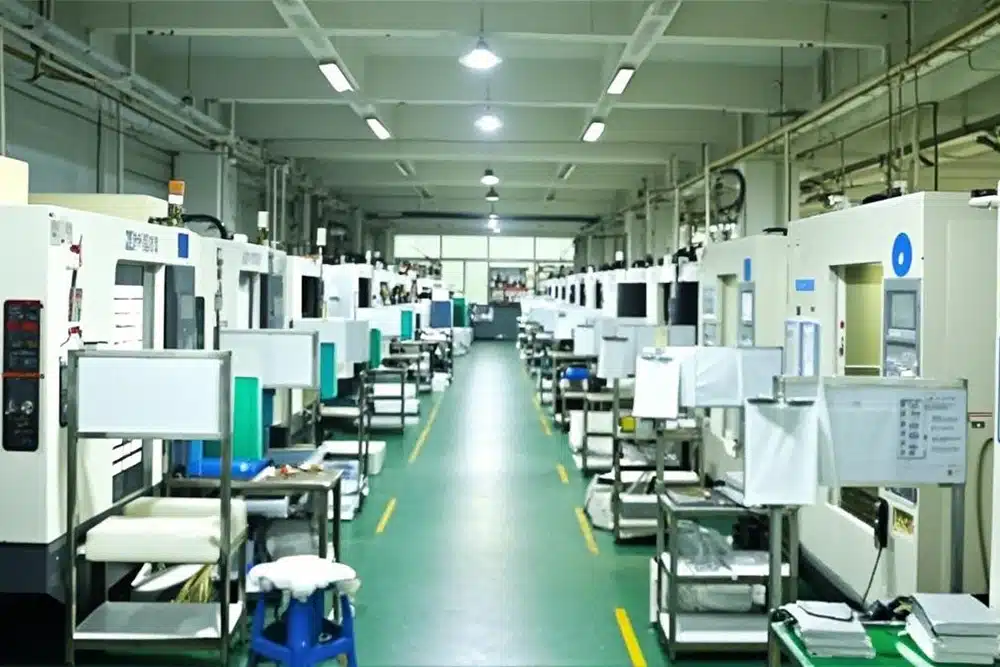
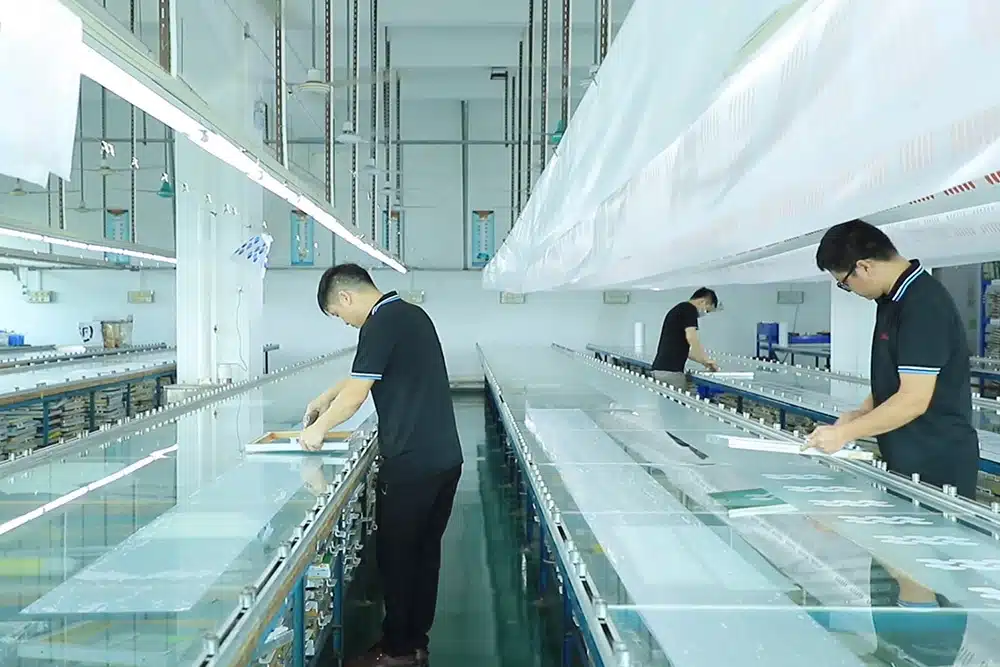
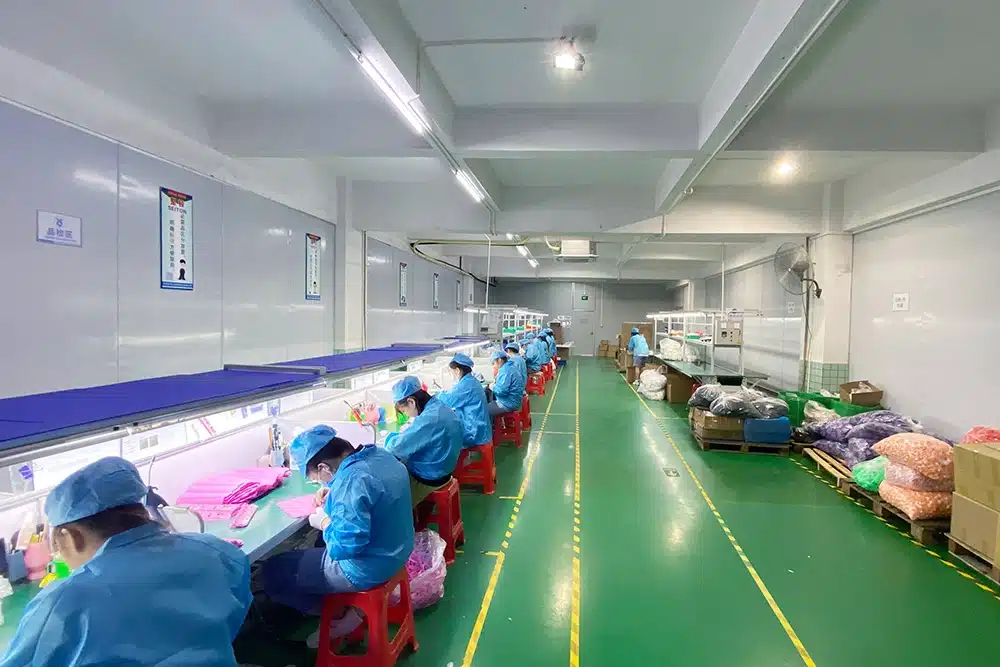
However, a qualified silicone mold manufacturer in China is more than molding machines, providing design review assistance, material selection expertise, in-house tooling, sample development, compression molding, clean assembly and packaging lines, and a documented quality control system. Brands that sell internationally will also be at a lower risk due to experience with export documentation and international shipping. Restaurants that have a dust-free environment and all of the capabilities required, from raw material inspection to end-of-line testing, will see consistency and repeatability that confectionery brands demand.
| Supplier Capability | Why It Matters for Candy and Chocolate Mold Projects |
| Design Review Support | Helps identify cavity depth, detail, wall thickness, and release risks early |
| Material Selection Knowledge | Helps match silicone material to food-contact and confectionery requirements |
| In-House Tooling | Supports better control over mold precision and lead time |
| Sample Development | Allows buyers to test release, color, hardness, detail, and packaging |
| Molding Capability | Supports stable production for different mold sizes and cavity layouts |
| Clean Assembly & Packaging | Helps maintain better handling for food-related mold products |
| Quality Control System | Reduces risk of defects during bulk production |
| Branding Support | Helps with logo, color, surface, and packaging requirements |
| Export Experience | Supports communication, documentation, and international delivery needs |
Conclusion — Candy and Chocolate Mold Projects Depend on Detail Control
While brands can use custom silicone candy and chocolate molds to develop unique and scalable candy product lines, the projects that end up being successful begin with attention to detail prior to the starting of tooling. The suitability of materials, the cavity, the accuracy of the details, the hardness, flexibility, the release performance, color, branding, packaging, and sample testing must all be taken into account. If these details are confirmed early, bulk production can be more predictable, consistent, and suitable for retail or ecommerce markets.