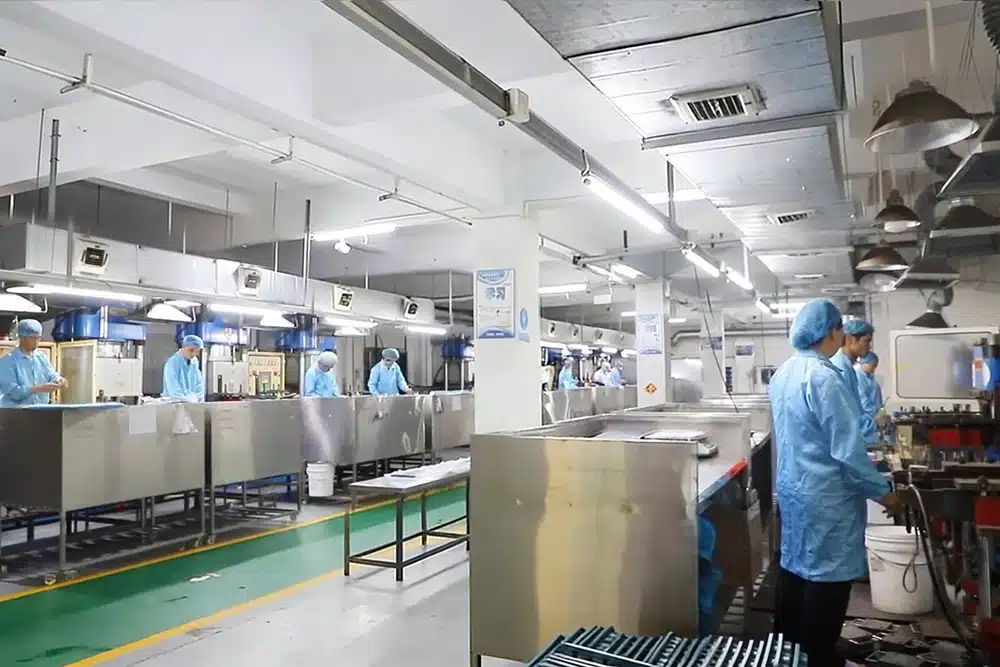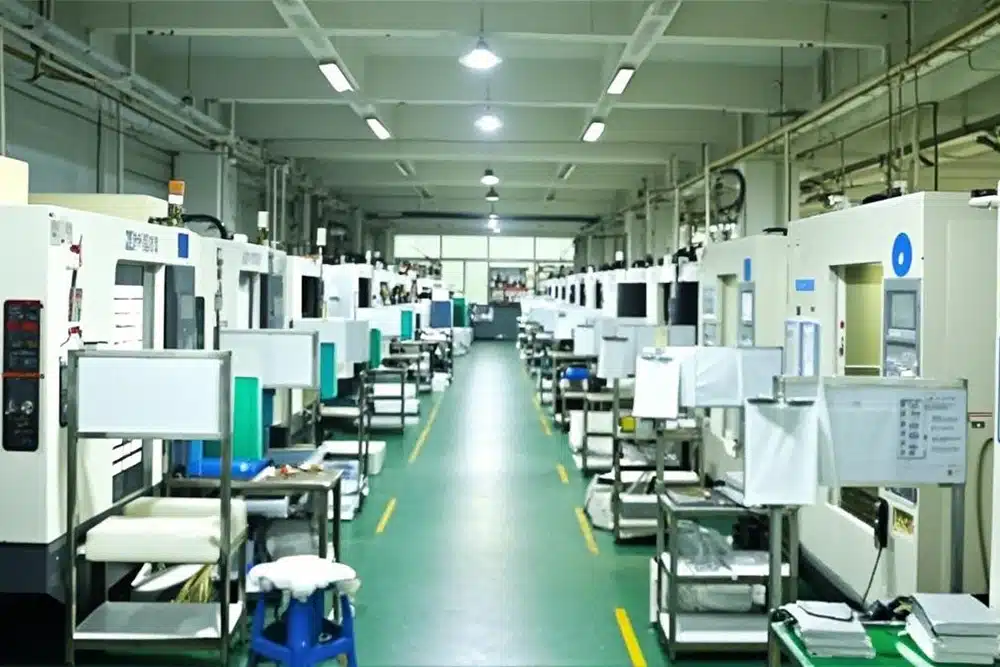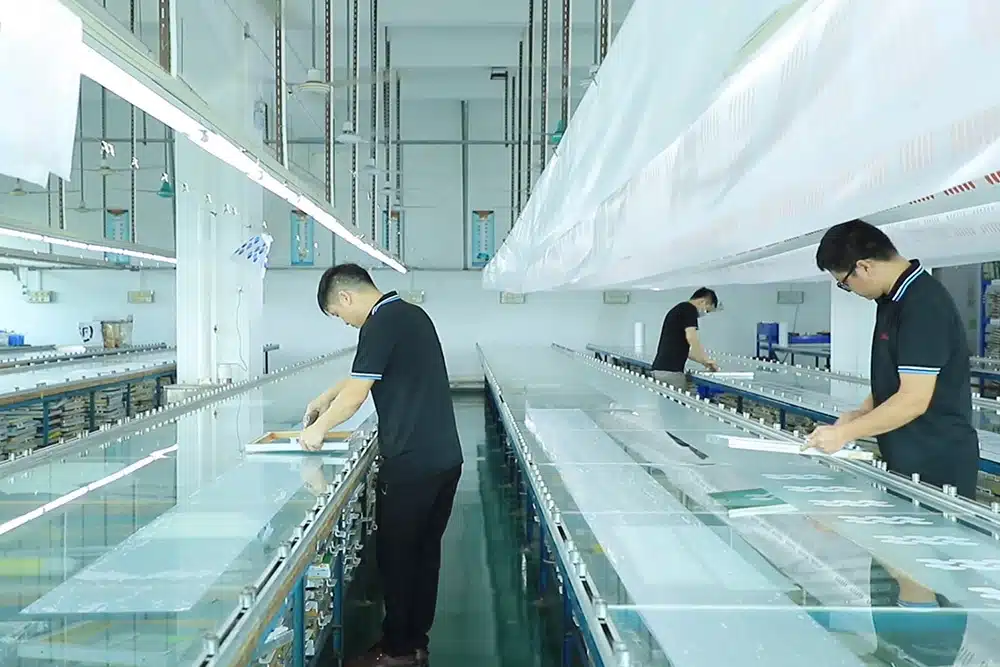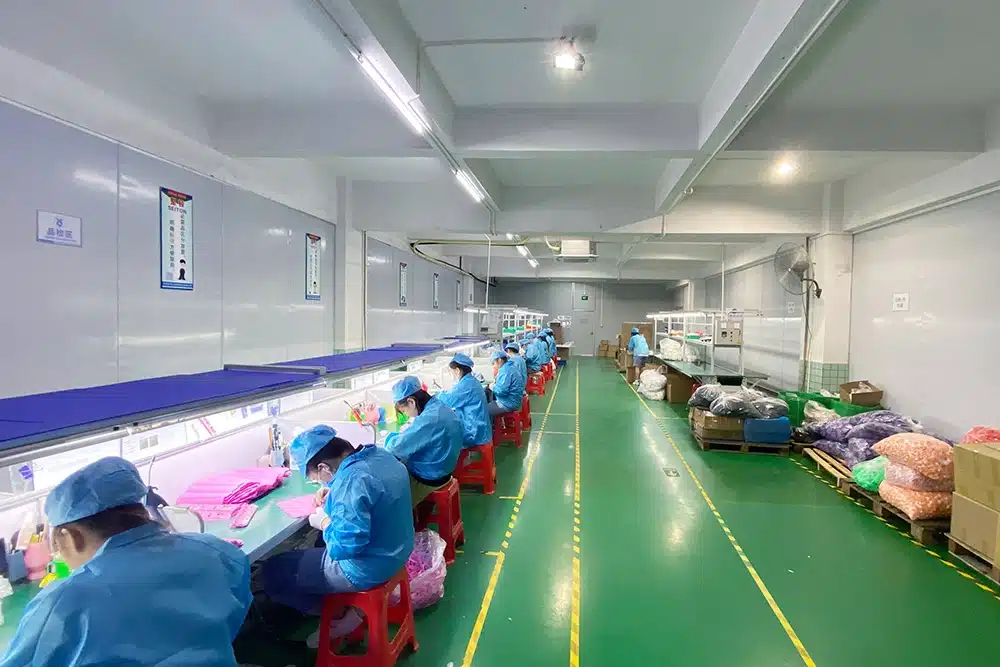

When selecting silicone mold manufacturer in China, one should not just take the lowest quotation. A good partner has to be able to commit to the entire design process, silicone material selection, mold tooling, sampling, mass production, quality control, packaging and export. A complete solution to ensure your custom silicone parts not only perform as expected, but are safe to use and help promote your brand, but also reduce risks such as tooling errors, material variations or production delays.
Many buyers think that all Chinese suppliers have the same capabilities, but there are great variations in engineering, in-house tooling, process control and communication. When thinking of total reliability instead of just price, projects run more smoothly and results are better for OEM & ODM silicone mold requirements — especially when partnering with a professional custom silicone molds manufacturer in China.
What Makes a Silicone Mold Manufacturer Reliable?
One of the best silicone mold manufacturers in China can give you the complete service, designing the mold, serving your products, instead of just a production facility. For buyers developing baking, candy, soap, ice, beverage, or DIY products, working with a custom silicone molds manufacturer in China can help connect product design, material selection, tooling, sampling, production, QC, and packaging into one coordinated project.
These are all important aspects, such as robust engineering and design review, extensive knowledge of silicone properties as well as an ability to produce in-house mold tools, fast sample development, appropriate production equipment, robust quality systems, flexible packaging, good communication, and export experience. A reliable partner excels particularly in silicone mold design and tooling.Open project management can prevent some of the pitfalls of procuring and encourage long-term relationships.
| Evaluation Area | What Buyers Should Check |
| Engineering Support | Can the manufacturer review CAD files, wall thickness, cavity layout, and release direction? |
| Material Selection | Can they recommend suitable silicone grade, hardness, color, and performance options? |
| Tooling Capability | Do they support mold design, tooling manufacturing, trial molding, and adjustments? |
| Sample Development | Can they produce and revise samples before mass production? |
| Production Equipment | Do they have suitable molding machines for the product size and complexity? |
| Quality Control | Do they inspect material, dimensions, hardness, appearance, function, and packaging? |
| Food-Contact Awareness | Can they support food-grade material and FDA/LFGB testing discussions where needed? |
| Branding Support | Can they handle embossing, debossing, printing, engraving, or surface finishing? |
| Packaging Support | Can they support bulk, retail, ecommerce, or private-label packaging? |
| Communication | Are requirements, quotes, revisions, and timelines clearly documented? |
| Export Experience | Can they support international shipping, documentation, and buyer communication? |
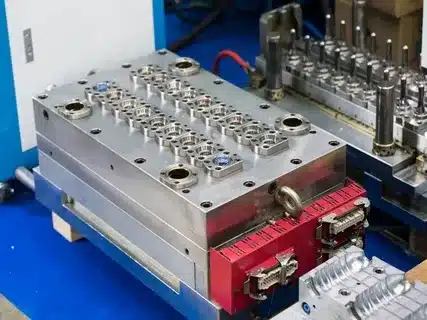
Check Engineering and Design Review Capability First
The degree of engineering review is a key aspect of a professional silicone mould manufacturer in China. Many projects run into problems due to a lack of proper design for manufacturing (DFM) analysis by the supplier and a quick-to-quote approach.
When you send your files to experienced manufacturers, they can spot potential issues in your files early and save you time and money on revisions down the road.
| Engineering Review Item | Why It Matters |
| CAD File Review | Helps identify geometry and tooling feasibility issues |
| 2D Drawing Review | Confirms dimensions, tolerances, and critical requirements |
| Wall Thickness | Affects flexibility, durability, material usage, and cost |
| Cavity Depth | Influences release performance and cleaning |
| Cavity Layout | Affects tooling cost, production efficiency, and consistency |
| Release Direction | Reduces demolding defects and sample failure |
| Corner Radius | Helps prevent tearing, sticking, and cleaning difficulty |
| Logo Feasibility | Ensures branding can be molded, printed, or engraved clearly |
| Packaging Fit | Prevents product-size mismatch after tooling |
| DFM Feedback | Reduces tooling revisions and mass production risk |
Evaluate Silicone Material Knowledge
The use of silicone materials plays a crucial role in product safety, performance, durability, and compliance. A silicone mold manufacturer in China will be able to advise you which compound to use for your application, whether it is food contact, heat resistant or industrial applications. Proper silicone material selection is one of the most critical decisions in the entire project.
They should be aware of the difference between food-grade silicone, general purpose silicone, and specialty silicone as well as the Shore hardness and performance of each.
| Material Capability | Why Buyers Should Check It |
| Food-Grade Silicone Knowledge | Important for baking, candy, ice, beverage, and kitchenware molds |
| Industrial Silicone Options | Useful for soap, craft, technical, and non-food mold applications |
| Shore Hardness Recommendation | Helps balance flexibility, support, release, and user feel |
| Heat Resistance Review | Needed for baking or warm-contact products |
| Freezer Flexibility Review | Needed for ice cube trays, popsicle molds, and beverage molds |
| Pigment / Color Knowledge | Supports color matching and application suitability |
| Odor Review | Important for food, beverage, baby, beauty, and retail products |
| Testing Awareness | Helps buyers plan FDA, LFGB, retailer, or finished product testing |
| Material Consistency | Supports stable quality across bulk and repeat orders |

Review Mold Tooling and In-House Development Capability
Reliable manufacturers have in-house mold workshops, eliminating the need to outsource, giving better control over quality and quicker mold revisions. This is why strong in-house mold manufacturing capability is a key differentiator.
| Tooling Capability | Why It Matters |
| Mold Design | Determines cavity layout, release direction, and production feasibility |
| In-House Mold Manufacturing | Improves control over tooling quality, communication, and revisions |
| Prototype Tooling | Helps validate uncertain designs before production tooling |
| Production Tooling | Supports stable repeat manufacturing and bulk orders |
| Cavity Layout Planning | Balances tooling cost and production efficiency |
| Parting Line Review | Helps reduce flash and trimming issues |
| Logo / Texture Tooling | Supports clear branding and surface details |
| Trial Molding | Confirms whether the tool works before mass production |
| Mold Adjustment | Allows sample feedback to be corrected efficiently |
| Mold Maintenance | Supports repeat orders and long-term production consistency |
Assess Production Capability and Process Fit
The production must be as big, as complicated, as much as your product is. High pressure compression molding machines and co-injection equipment allow the production of many types of silicone molds with consistent results.
Some factors to take into account are machine capacity, process control and the capacity for multi colour and intricate designs.
| Production Capability | Why It Matters |
| Compression Molding | Common process for many custom silicone mold products |
| Co-Injection Capability | Useful for certain multi-color or complex silicone products |
| Product Size Range | Ensures equipment can handle the mold size and structure |
| Production Capacity | Supports MOQ, bulk orders, and repeat supply |
| Machine Setup Control | Helps maintain stable molding quality |
| Curing Control | Affects hardness, odor, appearance, and durability |
| Trimming Process | Controls flash and edge quality |
| Assembly Capability | Needed for lids, handles, accessories, inserts, or packaging sets |
| Repeat Order Consistency | Helps maintain the same quality over time |
| Production Planning | Reduces delays and improves delivery reliability |
Verify Quality Control Before Placing an Order
There are strong quality control procedures in place to distinguish reliable partners from those that only inspect at the end. A professional silicone mold manufacturer from China has checks on all stages, from raw materials to finished packaging.
This proactive strategy will ensure consistent results and minimize the risk of defective products.
| QC Area | What Buyers Should Ask |
| Raw Material Inspection | How does the manufacturer confirm the correct material is used? |
| Hardness Testing | Can they check Shore A hardness against the approved sample? |
| Dimension Inspection | Which dimensions and cavity details are measured? |
| Appearance Inspection | How do they control flash, bubbles, stains, and deformation? |
| Color Control | How is Pantone or sample color consistency checked? |
| Odor Review | Is odor checked for food, beverage, or retail products? |
| Functional Testing | Can they test release, bending, freezer, heat, or cleaning performance? |
| In-Process QC | Are defects checked during production, not only at the end? |
| Final Inspection | What acceptance criteria are used before shipment? |
| Packaging Inspection | Are labels, boxes, inserts, and cartons checked? |
| Approved Sample | Is a golden sample used as the mass production reference? |
Check Sample Development and Approval Process
By presenting a sample, you will see how effective the manufacturer is in creating your vision. Good suppliers regard sampling as an important validation process, not a standard procedure.
Professional manufacturers stand out from the rest with their clear revision procedures and approved “golden samples” used for mass production.
| Sample Approval Item | Why It Matters |
| Prototype Sample | Helps validate design before bulk tooling or production |
| First Article Sample | Confirms the mold can produce the required product |
| Material Sample | Verifies silicone grade, hardness, odor, and feel |
| Color Sample | Confirms Pantone or brand color accuracy |
| Logo Detail | Checks embossing, debossing, printing, or engraving clarity |
| Release Performance | Confirms the mold works in real use |
| Packaging Fit | Prevents product and packaging mismatch |
| Revision Process | Shows whether feedback can be handled clearly |
| Approval Record | Prevents misunderstandings before mass production |
| Golden Sample | Becomes the production and inspection reference |
Evaluate Packaging and Private-Label Support
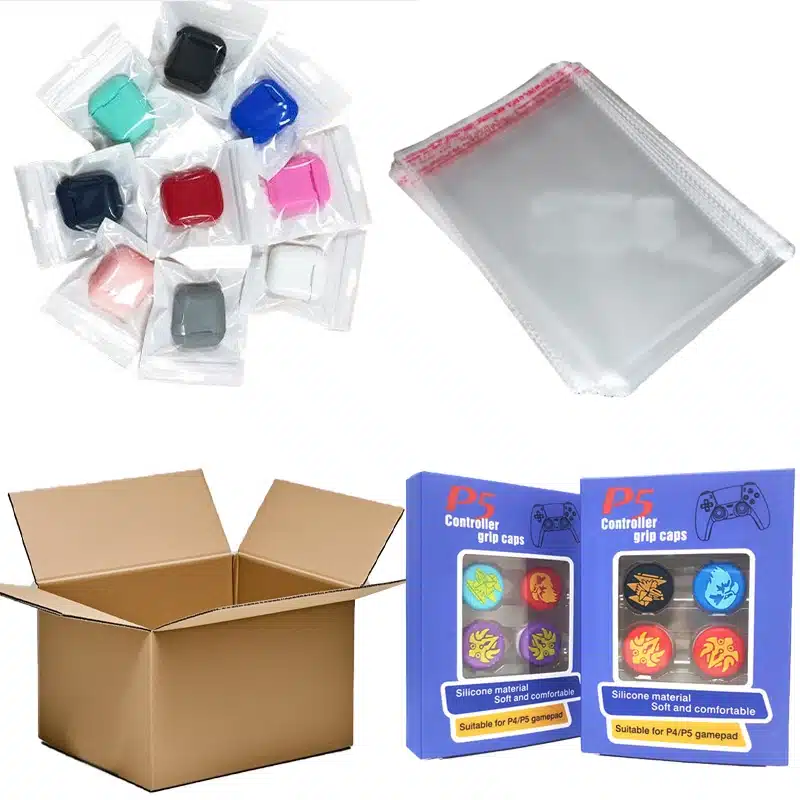
Packaging support is a key requirement for projects such as ecommerce or retail or private label. A good manufacturer can provide you with a variety of options, including bulk packing, custom color boxes, and ecommerce solutions.
This will not only ensure safe and professional delivery to end customers, but also ensure that your silicone molds arrive safely.
| Packaging Capability | Why Buyers Should Check It |
| Bulk Packing | Suitable for wholesale or B2B orders |
| Polybag Packing | Basic protection and simple product handling |
| Color Box | Supports retail and private-label products |
| Kraft Box | Useful for natural, gift, or ecommerce positioning |
| Label / Barcode | Supports SKU tracking and retail inventory |
| Instruction Card | Improves customer experience and product guidance |
| Product Insert | Supports sets, gift kits, and organized packaging |
| Ecommerce Packaging | Helps protect products during direct-to-consumer shipping |
| Carton Packing | Affects export shipment protection and shipping cost |
| Packaging Inspection | Reduces label, barcode, or packing mistakes before shipment |
Communication, Transparency and Project Management
Communication is key in an International Sourcing project. Good silicone mold manufacturers offer transparent documentation, realistic timelines, and updated communication throughout the process.
Find vendors that will provide written confirmation of information and solutions when things go awry.
| Communication Area | What Reliable Manufacturers Should Provide |
| Quote Scope | Clear tooling, unit price, packaging, testing, and MOQ details |
| Technical Confirmation | Written confirmation of material, hardness, color, size, and logo |
| Timeline Updates | Realistic updates for tooling, sampling, production, and shipment |
| Sample Feedback | Clear records of buyer comments and revision actions |
| Revision Tracking | Documentation of what changed and why |
| Material Confirmation | Written agreement on silicone grade and specifications |
| Packaging Confirmation | Final packing method, labels, boxes, and carton details |
| QC Criteria | Agreed inspection points before mass production |
| Problem Response | Practical solutions instead of vague explanations |
| Export Communication | Clear communication on documents, shipment, and delivery planning |
| Final Approval | Written approval before mass production begins |
Common Red Flags When Choosing a Silicone Mold Supplier
Understanding the signs of trouble can help Buyers steer clear of bad suppliers. Common problems that arise are: not much interest in quoting, not enough technical questions, or not wanting to talk in detail about quality processes.
| Red Flag | Why It Is Risky |
| Quotes From Photos Only | Price may be inaccurate because size, material, and tooling are unclear |
| No Application Questions | Supplier may not understand food-contact, heat, freezer, or use requirements |
| Unclear Tooling Scope | Mold cost may not include logo, cavity layout, or revisions |
| No Sample Approval Process | Mass production risk becomes higher |
| No QC Checklist | Defects may not be controlled consistently |
| Very Low Price Without Details | May exclude material, packaging, testing, or inspection scope |
| No Material Confirmation | Risk of wrong silicone grade or hardness |
| No Packaging Discussion | Retail or ecommerce projects may face delays later |
| Vague Lead Time | Schedule may not include tooling, sampling, QC, or packaging |
| Poor Communication | Project changes and quality problems become harder to manage |
| No Export Experience | Documentation, packing, and shipping risks may increase |
Questions to Ask Before Choosing a Manufacturer
Having some questions ready to make a wise assessment of the potential Chinese silicone mold manufacturers is important. Their answers will demonstrate their true skill and working methods.
| Question to Ask | What the Answer Reveals |
| Can you review my CAD file before quoting tooling? | Engineering capability and DFM support |
| Do you have in-house mold design or tooling support? | Control over tooling quality and revisions |
| What silicone material do you recommend for this application? | Material knowledge and application understanding |
| Can you recommend Shore hardness based on product use? | Practical experience with flexibility and release |
| How do you handle prototype or first sample approval? | Sample development and risk-control process |
| What QC checks are performed before shipment? | Inspection discipline and quality control scope |
| Can you support food-grade material or testing if required? | Awareness of food-contact project requirements |
| Can you support logo and packaging customization? | Private-label and retail readiness |
| What is included in the tooling fee? | Transparency of quote scope |
| What happens if the first sample needs revision? | Revision policy and project management |
| How do you control color consistency for repeat orders? | Batch control and long-term production stability |
| What is your expected lead time for tooling and production? | Timeline realism and planning capability |
How to Compare China Silicone Mold Manufacturers Fairly
For comparison to be made, get detailed quotations for projects with the same specifications. This includes material grade, hardness, tooling information, packaging and scope of the QC.
| Comparison Item | What Buyers Should Compare |
| Tooling Cost | Mold structure, cavity number, logo detail, and sample trial scope |
| Unit Price | Same quantity, material, hardness, packaging, and finishing scope |
| MOQ | Product MOQ, color MOQ, packaging MOQ, and material MOQ |
| Silicone Material | Food-grade, industrial-grade, heat-resistant, or other material needs |
| Shore Hardness | Flexibility, support, and demolding requirements |
| Cavity Layout | Production efficiency and tooling complexity |
| Sample Process | Sample quantity, approval process, and revision policy |
| Packaging | Bulk, retail, ecommerce, or private-label packaging scope |
| Testing | FDA, LFGB, retailer, or functional testing if needed |
| QC Standard | Dimensions, hardness, appearance, release, and packaging inspection |
| Lead Time | Tooling, sampling, production, inspection, packaging, and shipment |
| Communication | Clarity, response quality, and documentation |
| Export Support | Shipment documents, carton marking, and international delivery experience |
What Buyers Should Prepare Before Contacting a Manufacturer
Fully informing manufacturers about the project up front can help them provide accurate quotes and valuable recommendations promptly. This preparation shows pro-activity and accelerates the evaluation.
| Information to Prepare | Why It Helps |
| Product Application | Helps select material, hardness, and process |
| 3D CAD File | Allows geometry and tooling feasibility review |
| 2D Drawing | Confirms dimensions, tolerances, and technical notes |
| Reference Sample / Photos | Helps communicate appearance, feel, and function |
| Product Dimensions | Supports tooling, material, packaging, and shipping estimates |
| Wall Thickness | Affects material usage, flexibility, and durability |
| Cavity Layout | Affects tooling cost and production efficiency |
| Silicone Material | Helps estimate cost and performance needs |
| Shore Hardness | Helps match flexibility, support, and release |
| Color Requirement | Supports Pantone matching and color sample approval |
| Logo Artwork | Helps plan embossing, debossing, printing, or engraving |
| Packaging Style | Supports retail, ecommerce, or bulk cost planning |
| Testing Requirement | Helps plan FDA, LFGB, retailer, or functional testing |
| Order Quantity | Helps calculate MOQ, unit price, and production plan |
| Target Market | Affects documentation, labeling, and testing needs |
| Lead Time Requirement | Helps evaluate whether the schedule is realistic |
Why a Long-Term Manufacturing Partner Matters
Repeat orders over time and multiple SKUs are common characteristics of the successful silicone product line. A long-term partner helps you build your brand with consistency of quality, material and service.
| Long-Term Factor | Why It Matters |
| Repeat Order Consistency | Helps maintain stable quality across batches |
| Mold Maintenance | Supports tooling life and repeat production |
| Material Records | Helps keep silicone grade and hardness consistent |
| Color Records | Supports Pantone or sample color matching for reorders |
| Packaging Records | Keeps labels, boxes, inserts, and cartons consistent |
| Product Line Expansion | Makes it easier to develop new molds or SKUs |
| Cost Planning | Long-term forecasts can improve production and material planning |
| Quality Improvement | Stable cooperation helps resolve issues faster |
| Seasonal Planning | Helps avoid rush orders and production bottlenecks |
| Communication History | Reduces repeated explanations and project misunderstandings |
Conclusion — Choose Capability, Not Just Price
Selecting a silicone mold manufacturer in China is a crucial decision that can impact the overall success of the project, the quality of the product, and the timeline. Look for suppliers who have proven engineering support, in-house tooling, solid quality systems and clear lines of communication, rather than simply those that will cut the price the lowest.
Understanding and evaluating these factors comprehensively, and providing detailed project information, will help minimize sourcing risks and establish positive long-term partnerships. Dongguan HT Silicone & Rubber Co., Ltd. has highly skilled team members and modern equipment, providing clients with every support from the beginning of product customization of silicone mold to its production through comprehensive OEM & ODM silicone manufacturing solutions.