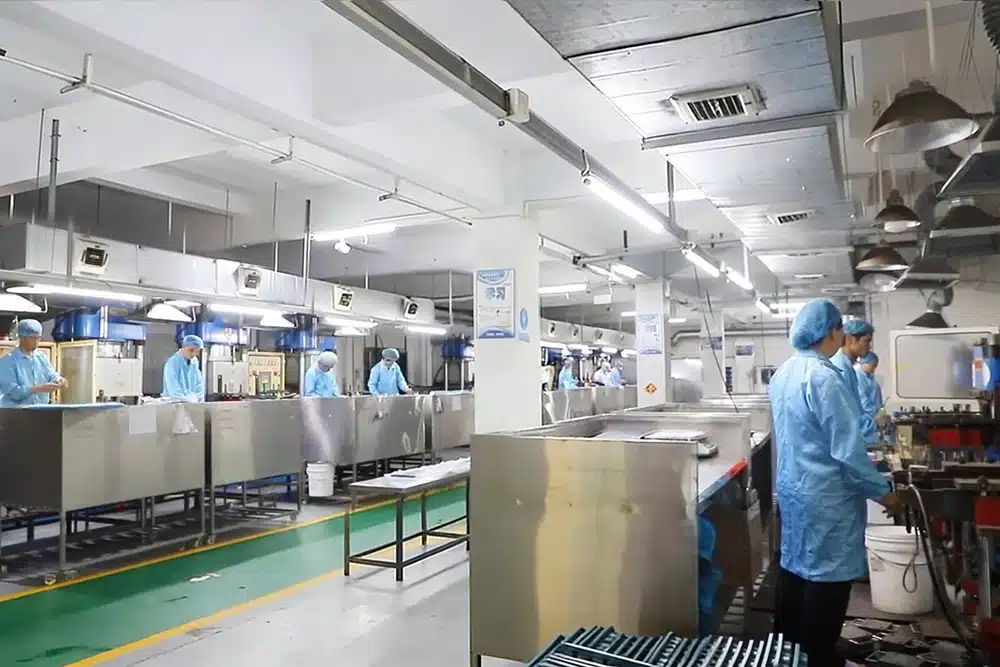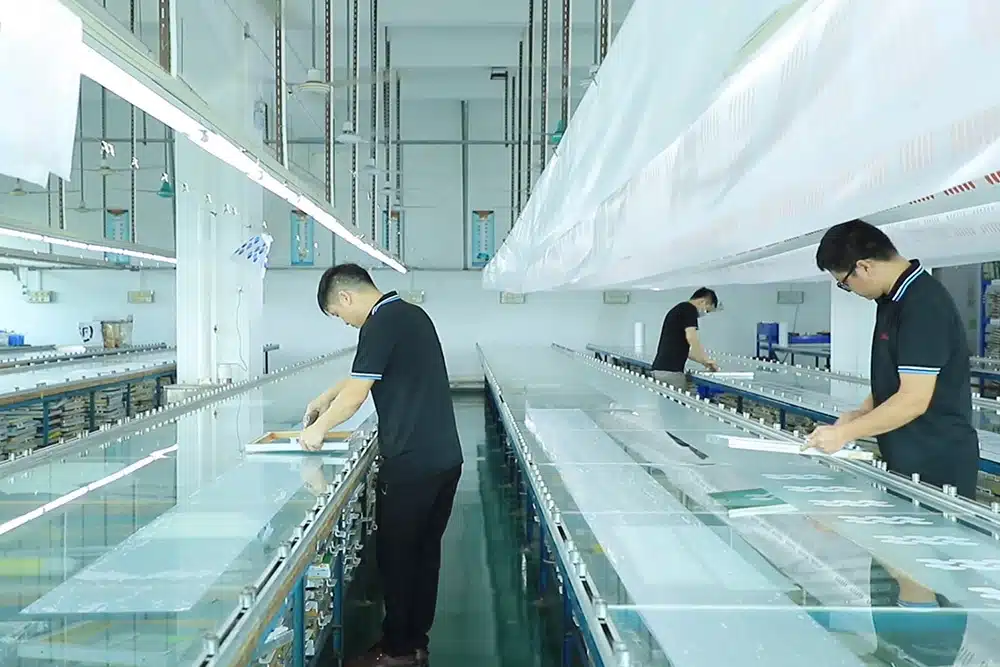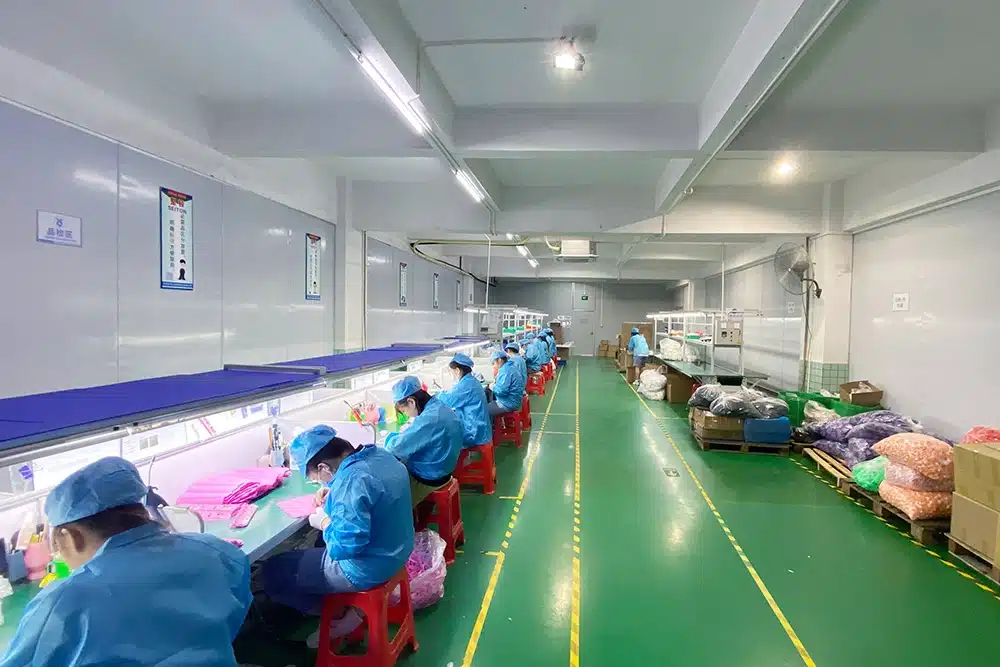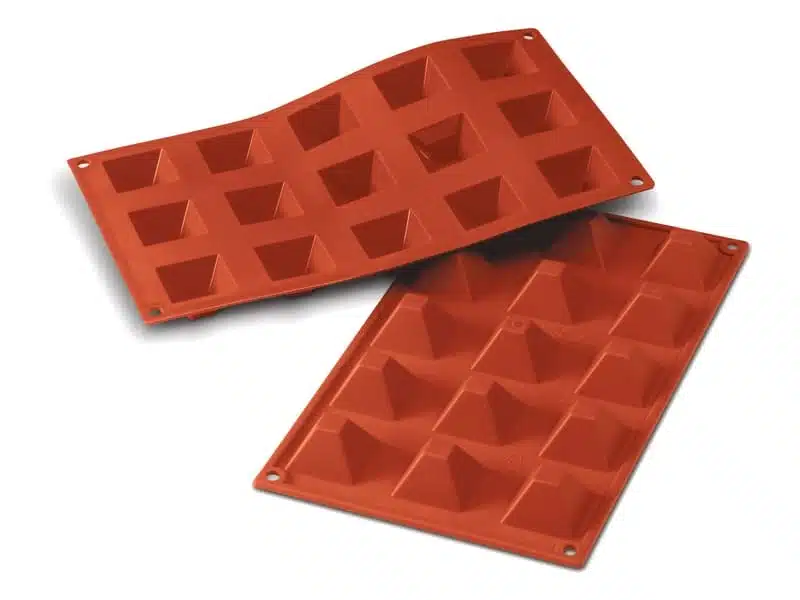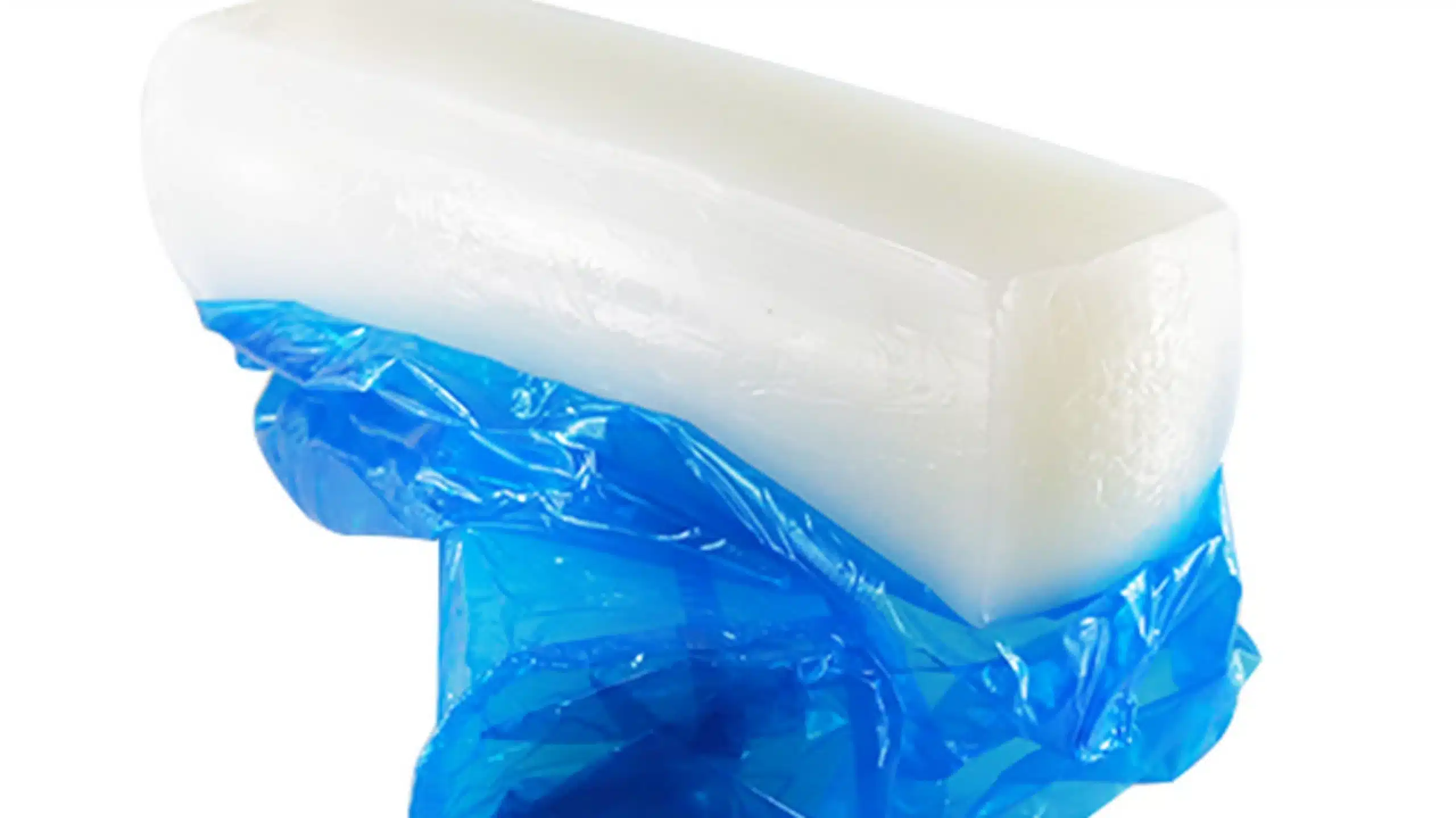

Designing food-grade silicone seals for processing and packaging equipment is not simply a matter of selecting a compliant looking material – it is a matter of matching material capabilities, hygiene expectations, compression design, environmental exposure and uniformity in manufacturability with the actual food-contact operating conditions.
Dependable food-equipment seal performance is a deliberate strike between the suitability of the material, hygiene issues, compression, operating exposure, and manufacturing repeatability, and not a food-grade label. Food-grade sealing is a matter of materials and labels being mostly assumed in many teams. As a matter of fact, in the long term, the reliability relies on the combination of material suitability, compression design, hygiene needs, groove geometry, and manufacturing quality.
Why Food-Contact Seal Design Requires More Than a “Food-Grade” Material Claim
The packaging and food processing equipments impose some special requirements to sealing components, well beyond what most industrial uses require. Seals should be consistent in performance, and have high hygienic standards and must not be subjected to repeated contact with food ingredients, cleaning chemicals, temperature changes.
A seal that works good in non-food applications might create contamination hazards, or falter early in food-contact services. The quality of sealing and danger of harboring bacteria or product contamination are directly associated with the choice of materials, geometry, and quality of production. Seals are not just mundane consumable rubber components in food equipment, but important engineering elements.
| Design Factor | Why It Matters in Food Equipment |
| Material suitability | Supports intended food-contact use and application fit |
| Compression control | Maintains sealing without overstressing the part |
| Surface quality | Affects cleanability and sealing contact |
| Temperature resistance | Supports processing or cleaning conditions |
| Chemical / cleaning exposure | Influences durability and stability |
| Manufacturing consistency | Supports repeatable fit and seal performance |
Assessing food-grade silicone seals, teams should not depend only on the description of the material but at the same time the entire operating context.
Start with the Real Processing or Packaging Environment
The design of an effective seal incorporates an appreciation of the real equipment environment and not just the nominal drawings or standard requirements.
Processing conditions will differ greatly, such as hot-filled and high-temperature drying, chilled or ambient. Seals can be exposed to moisture, steam, oil, fats, powders or harsh cleaning solutions. There are those applications where it is necessary to apply the static sealing and there are those where the applications involve recurring opening and closing on high-speed lines.
The priorities are varied to different components. Covers and lids are often chosen in favor of being easy to clean and replace, whereas in dynamically critical applications the valves, pumps, and transfer systems require precise sealing.
| Operating Condition | Design Implication |
| Elevated process temperature | Requires stable thermal performance |
| Frequent cleaning cycles | Requires durability under repeated chemical and thermal exposure |
| Moisture / washdown environment | Requires stable sealing contact and cleanable surfaces |
| Oil, fat, or ingredient exposure | Requires application-specific material review |
| Repeated opening and closing | Increases importance of recovery and fatigue resistance |
| Powder or residue-prone environment | Raises surface and geometry cleanliness concerns |

Early knowledge of these conditions in the real world contributes to avoiding future problems in silicone seals to food processing equipment and silicone seals to packaging equipment.
Material Selection Must Balance Food-Contact Suitability and Functional Performance
Food-contact silicone seals cannot be based on the definition of food-grade material. It will be suitable depending on the formulation, planned use, and the documentation. Hardness, compression set resistance, flexibility, and compatibility with process media are all vital factors.
Heat resistance in itself is not much of an assurance. The material should also be able to withstand the repetitive exposure to cleaning agents and retain its properties throughout its desired service. What influences both sealing performance and hygiene is the surface stability.
The suitability of food-contact is subject to application and always documentation. Various markets operate under different regulatory systems hence prior communication of the anticipations of the regulations early according to region is pertinent.
The following are the considerations of key materials in performing food equipment:
| Material Consideration | Why It Matters in Food Equipment Seals |
| Hardness | Affects fit, compression, and sealing force |
| Compression set resistance | Supports long-term sealing under load |
| Temperature capability | Supports process and cleaning conditions |
| Chemical / cleaning resistance | Helps reduce degradation risk |
| Surface stability | Supports hygiene and cleanability |
| Aging behavior | Influences service life in repeated-use conditions |
When extensive assistance in silicone seal solution food-grade is required, numerous teams find it worthwhile to collaborate early with established manufacturers that are aware of material behavior, and reality in the production.
Compression and Seal Geometry Still Determine Whether the Seal Works in Real Equipment
With a carefully chosen material, compression design or a bad choice of seal geometry can lead to leakages, hygiene concerns, or reduced service life.
Insufficient compression can result in leakage paths and possible zones of contamination. Over-compression will result in irreversible deformation in order to decrease recovery and hasten fatigue. This is intended to be controlled, repeatable deformation providing consistent contact pressure with no overloading of the seal.
Cleanability and stability of assembly are also dependent on geometry. Good cross-sections will promote uniform contact without necessarily areas where residues may concentrate.
| Design Parameter | Risk If Too Low | Risk If Too High |
| Compression / squeeze | Leakage and unstable sealing | Faster permanent deformation |
| Contact pressure | Weak sealing contact | Higher stress and reduced recovery |
| Cross-section stability | Poor positional control | Difficult assembly or groove overfill |
| Recovery margin | Reduced resealing ability | Overstressed long-term behavior |
Taking into account the reality of repeat assembly and maintenance in the design stage enhances long durability in food-contact silicone seals.
Hygiene, Surface Quality, and Cleanability Should Be Considered Early
Mechanical sealing performance is not the sole factor in a food equipment. Cleanability and hygiene are also imperative.
Hidden areas can be found on surfaces with surface defects, flash lines or complicated geometries, and will harbor residues or bacteria left after cleaning. These risks are minimized by smooth, uniform moulded surfaces and well thought out interfaces.
Mating surfaces and grooves should be designed in such a way as to be thoroughly cleaned and easily sealed. Uncomplicated, easy to get geometries can usually do well in actual production.
| Hygiene-Related Factor | Why It Matters |
| Surface finish consistency | Supports sealing and easier cleaning |
| Flash control | Reduces fit and hygiene-related issues |
| Geometry simplicity | Helps avoid residue-prone zones |
| Groove accessibility | Affects cleaning and maintenance practicality |
| Dimensional consistency | Supports stable contact and repeat assembly |
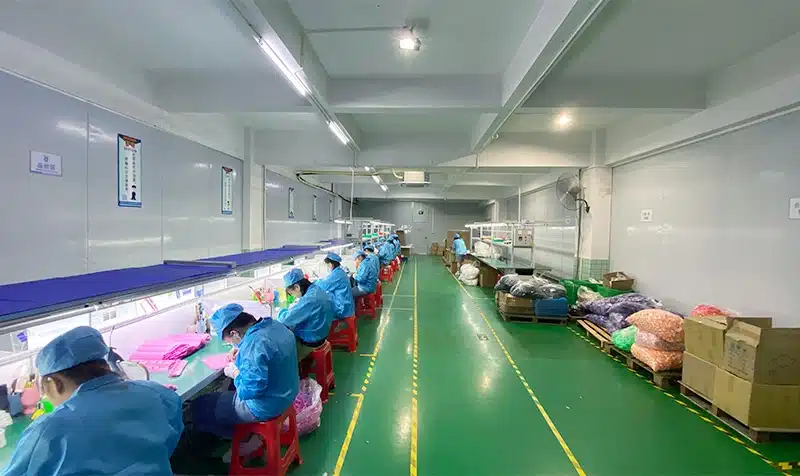
To design hygienic silicone seals these details should be considered at the earliest stage.
Cleaning Cycles and Environmental Exposure Can Shorten Seal Life
Seals can be repeatedly subjected to heat cleaning, use of chemical sanitizers, steam or washdown processes through food processing and packaging lines. Repeated exposures often tend to affect the seal life more than single peak conditions.
Washing cycles may influence gradually elasticity, recovery and dimensional stability. Combined thermal and chemical stress behavior of materials should be tested with consideration of real-life behavior patterns, not in isolated laboratory experiments.
| Exposure Factor | Potential Long-Term Effect |
| Repeated hot cleaning cycles | Can accelerate aging and recovery loss |
| Detergent or sanitizer exposure | May affect durability depending on formulation |
| Moisture / steam exposure | Can challenge dimensional and sealing stability |
| Continuous compression | Increases importance of recovery behavior |
| Frequent maintenance cycles | Demands better resilience and fit repeatability |
Manufacturing Consistency Is Essential in Food Equipment Seal Projects
There are a direct relation between dimensional repeatability and surface quality and sealing consistency and equipment performance. Moments of variation in the production may change the behavior of compression or lead to hygiene concerns.
Precision, cure control, and constant processing parameters play a vital role in ensuring that each production batch stays in operation as well as clean. An effective prototype does not suffice when there is high variation on production parts.
| Manufacturing Factor | Why It Matters in Food Equipment Seals |
| Mold precision | Influences shape accuracy and fit |
| Dimensional consistency | Supports predictable compression and replacement fit |
| Cure consistency | Affects elasticity and durability |
| Surface quality control | Influences sealing contact and cleanability |
| Batch stability | Supports repeat OEM and spare-part performance |
Common Mistakes When Designing Food-Grade Silicone Seals
There are a number of common problems that may undermine performance in food equipment applications:
- Considering only food-grade as the design requirement.
- When all silicone compounds behave in the same way in food conditions.
- Disregard the effects of exposure to cleaning and sanitizers.
- Concentrating on heat resistance only.
- Seal overpressing to make sure everything is safe.
- Failure to consider the design of the grooves and their practicability.
- Failing to document context of broad compliance language.
- Consistent production quality implies that production will be not different.
| Common Mistake | Likely Result |
| Label-based material selection only | Poor functional fit to the application |
| Ignoring cleaning exposure | Premature degradation in service |
| Overcompression | Faster loss of sealing recovery |
| Weak groove and maintenance review | Harder cleaning and unstable replacement fit |
| Broad compliance claims without validation | Misleading technical communication |
| No production consistency review | Variable field performance |
Recognition of typical food-equipment seal problems assists groups to prevent expensive problems in the future.
A Practical Design Review Checklist for Food Processing and Packaging Seals
Formal front-end inspection minimizes the re-design and performance risk. Before tooling, engineering, sourcing, quality, and manufacturing teams can come to a common ground on important parameters.
| Checklist Item | Why It Should Be Confirmed |
| Actual process temperature range | Guides material and durability decisions |
| Cleaning method and frequency | Defines exposure severity |
| Moisture, steam, oil, fat, or ingredient contact | Affects application fit and material review |
| Static or repeated assembly condition | Changes recovery and geometry priorities |
| Target compression range | Supports long-term sealing reliability |
| Groove dimensions and maintenance access | Influences cleanability and service practicality |
| Documentation / compliance expectations by market | Reduces communication risk |
| Prototype-to-production consistency | Supports stable scale-up |
Conclusion — Food-Equipment Seal Reliability Depends on Balanced Design, Not a Label Alone
An effective design of food grade silicone seals and their implementation in processing and packaging equipment does not just lie in the selection of a material that is said to be food-grade. Overall consistency in long-time performance is achieved through matching material appropriateness, seal geometry, compression characteristics, exposure to cleaning and consistency in manufacture to the actual errors that the equipment will encounter in service.
By systematically tackling these, engineers and buyers can attain more harmonised, sanitary and enduring sealing solutions within food processing and packaging setting.