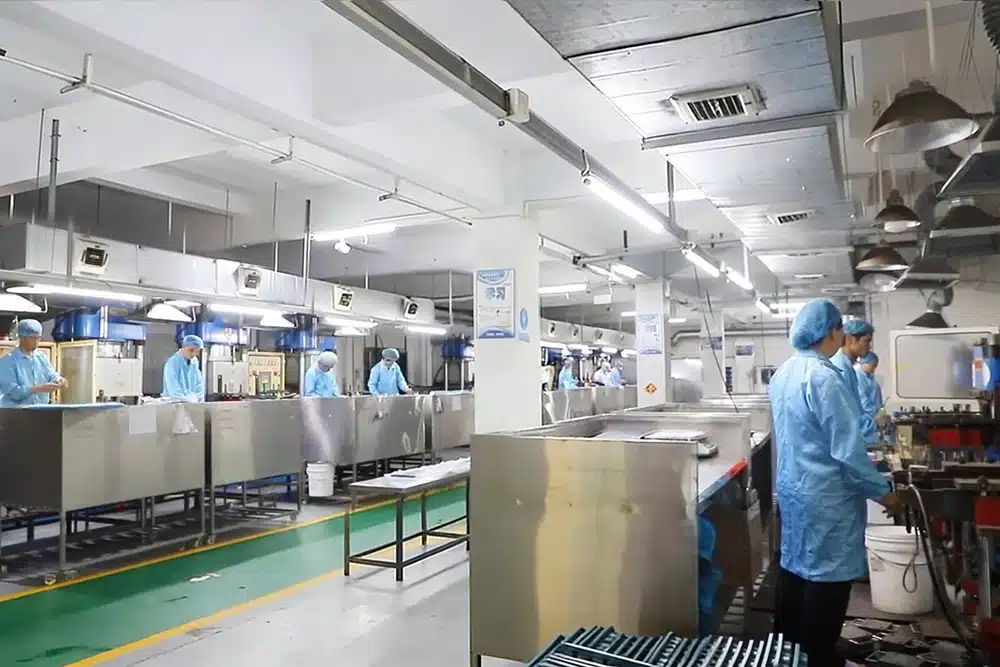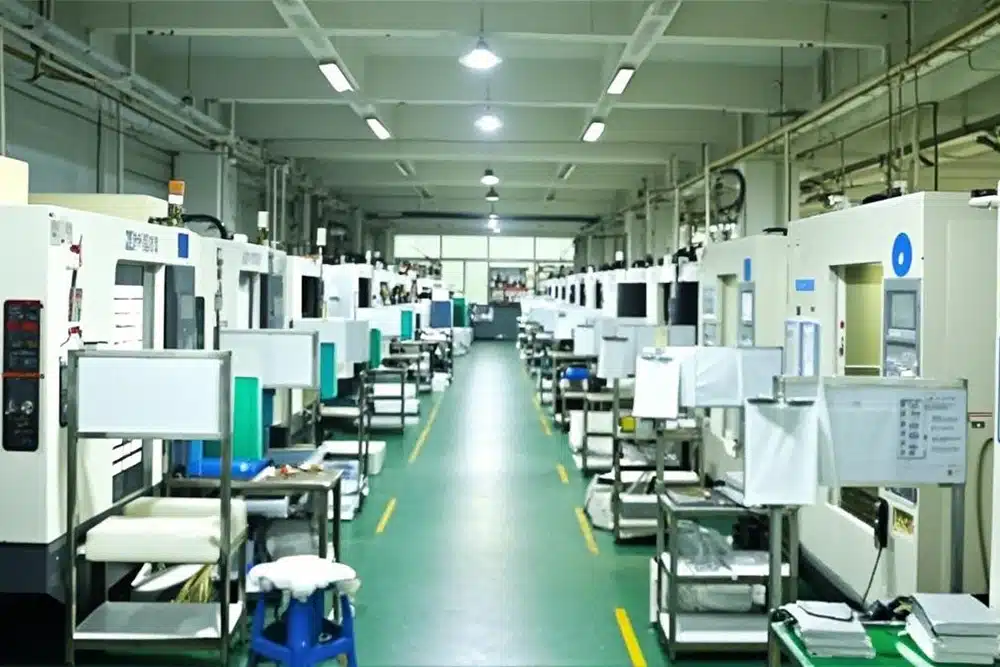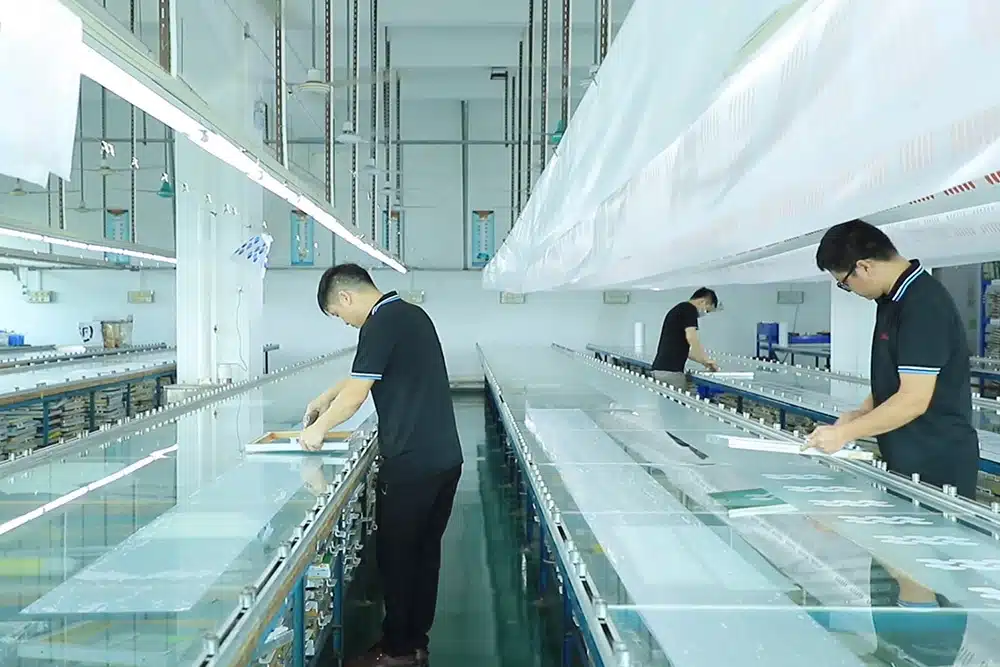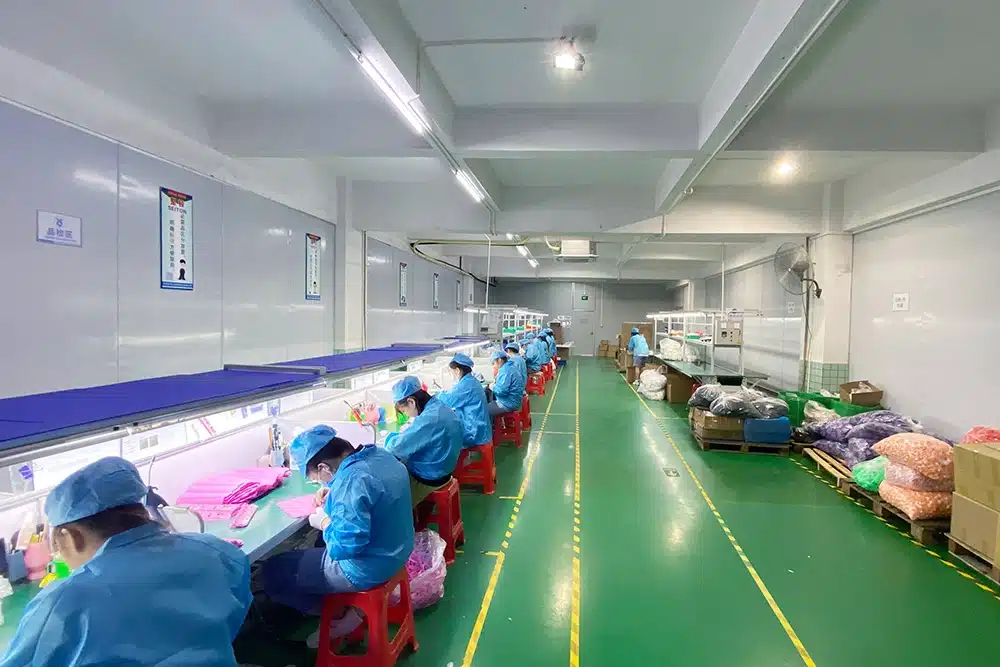

Finding Chinese suppliers of silicone seals in large quantities does not just mean that they will be a cheap supplier of silicone seals but rather a manufacturing partner who will be able to deliver technical accuracy, stable production, consistent quality and effective communication throughout the entire OEM process. It is a simple purchasing activity and strictly speaking about price and first samples, but in reality it is much more technical. Effective OEM sourcing of bespoke silicone seals in China requires harmonization of technical specifications, manufacturing capacity, quality expectations and discipline in communication prior to the mass production.
Why Sourcing Custom Silicone Seals Is More Than a Price Comparison
Unit price is seldom converted into the lowest overall project cost in the case of custom silicone seals. Sealing parts lie at the core of product performance – scratchy matching, compression set or recovery characteristics can cause a leak, assembly failure or field returns that greatly exceed the initial economic savings.
Quotations are offered to buyers with an appealing price, in a few hours, although speed is not the only factor to tell whether the supplier will succeed in keeping the dimensions steady during thousands of parts or in maintaining order repetitions. The actual decision must take into account the entire OEM process: design validation, tooling readiness, material behavior in actual conditions, and long-term stability of supplies.
A real-life comparison of the actual drivers of project outcomes is as follows:
| Sourcing Factor | Why It Matters |
| Unit price | Affects budget, but not total project success alone |
| Tooling capability | Influences part accuracy and mold readiness |
| Material understanding | Affects seal performance and durability |
| Production consistency | Supports repeat-order quality |
| Communication quality | Reduces error and delay risk |
| QC discipline | Helps prevent field failures and batch variation |

Narrowly considering the lowest quote will oftentimes mask risks appearing in tooling investment or scale-up. A disciplined approach to OEM sourcing helps align technical specifications, manufacturing capacity, and quality expectations from the start.
Start with Technical Clarity Before Contacting Suppliers
One of the most frequent causes of delays, misquotes, or expensive revisions to sourcing projects to custom silicone seals is due to unclear/incomplete technical information. When the suppliers have a comprehensive understanding of the application, they will be in a position to give the correct feedback as well as quotation.
Prior to submitting an inquiry, buyers are supposed to specify the operating environment, functional requirements and acceptance criteria. This will cover range of temperature, exposure to chemicals, compression targets, anticipated service life, and conditions of assembly. In case of such missing details, suppliers will either make assumptions or be conservative in their quotes and this may result in eventual mismatches.
Properly documenting provides suppliers the opportunity to audit manufacturability early on and propose viable changes that enhance performance and cost-efficiency.
| Required Input | Why It Should Be Defined Early |
| Part drawing or 3D file | Supports tooling and manufacturability review |
| Application environment | Affects material and design logic |
| Hardness or material requirements | Supports better quoting and validation |
| Tolerance expectations | Determines manufacturing difficulty |
| Compression or sealing condition | Influences geometry and fit review |
| Annual volume estimate | Helps define tooling and production approach |
Avoiding the cycle of multiple sampling rounds and engineering change orders can be done through investing time in technical clarity upfront.
Supplier Capability Matters More Than Many Buyers Expect
When selecting a supplier of custom silicone seal in China, consider more than mere capacity of molding. Not all silicone manufacturing facilities have the process control required to do the precise component sealing where any small difference will have a direct impact on functionality.
Practice sealing parts provides more insight into the behavior of material flow within the mold, how different geometries respond to shrinkage and how to maintain a constant compression set between production batches. Deep silicone molding experience in compression molding directly improves part stability and manufacturability for seals.The ability to do tooling in house also has a significant influence since it enables quicker design changes and more control over critical dimensions. Strong in-house tooling capability is particularly valuable for maintaining precision in custom silicone seal projects.
Stability and repeatability of production can be more valuable than the appearance of the first sample. Customers ought to demand signs of a well-disciplined process management instead of depending on advertisement materials or display images only.
| Capability Area | Why It Matters for OEM Seal Projects |
| Tooling capability | Supports mold precision and design adjustments |
| Silicone molding experience | Improves part stability and manufacturability |
| Dimensional control | Affects real sealing performance |
| Surface finishing control | Influences fit, appearance, and consistency |
| Assembly / secondary processing | Supports project completeness where needed |
| Process discipline | Supports repeat orders and stable scaling |
Buyers Should Evaluate Tooling, Samples, and Production Readiness Separately
Even a successful prototype sample does not necessarily indicate that the supplier is prepared to do stable mass production of custom silicone seals. The quality of tooling is a major factor in ensuring that dimensions and material behavior will not change in going to thousands.
Prototype tools and the production molds may vary in the grade of steel to be used, the cooling design and the venting. The mold design and manufacturability should actually be reviewed by the buyers as a distinct entity of the sample. Established approval criteria on both prototype and production levels will aid in avoiding assumptions that would lead to delays in the future.
| Project Stage | What Buyers Should Check |
| Tooling review | Mold design logic, manufacturability, and dimensional feasibility |
| Prototype sample | Basic fit, function, and design confirmation |
| Production sample | Repeatability under production conditions |
| Pre-mass production check | Process stability and approval alignment |
| Repeat order stage | Consistency against approved baseline |

Material Selection and Application Fit Should Never Be Left Vague
Silicone encompasses numerous formulations. Lack of proper context regarding the application means that buyers may get material that works to a generic specification yet it does not work in actual use conditions. Expert material selection is essential to match hardness, temperature resistance, chemical compatibility, and compression set behavior to your specific needs.
Some of the important factors are hardness (compression response, and fit), temperature resistance, chemical compatibility, compression set behavior, and anticipated service life. The early discussion of such details enables the supplier to advise the best compound and prevent the subsequent performance problems or the need to replace the material at a high cost.
| Material Decision Area | Why It Matters |
| Hardness | Influences fit and compression response |
| Temperature range | Affects long-term performance expectations |
| Environmental exposure | Influences durability and compatibility |
| Recovery behavior | Supports long-term sealing force |
| Documentation clarity | Reduces quoting and production errors |
Quality Control Is What Protects Repeat Orders, Not Just First Orders
When it comes to custom molded silicone seal projects, the first-article inspection is just the start. Real supplier capability is reflected on the continuity of specifications throughout a series of production cycles. Robust quality control systems covering material verification, dimensional inspection, and batch traceability are what protect long-term repeatability.
The buyers are to learn how the supplier can verify materials, check their dimensions, control the cure process, and trace the batch. Particularly sensitive are the parts that are sealed- even slight changes in the shrinkage or post-curing behavior can interfere with the fit in the final assembly.
| QC Area | Why Buyers Should Care |
| Material verification | Supports consistency at the start of production |
| Dimensional inspection | Protects fit and sealing reliability |
| Appearance inspection | Helps control visual and molding defects |
| Cure / process control | Influences elasticity and durability |
| Final inspection | Supports shipment consistency |
| Batch traceability | Helps manage repeat-order quality issues |
Communication Quality Often Decides Whether a Project Runs Smoothly
Technical projects with silicone seal tooling and sampling are successful or fail depending on the ability to surface and solve problems. Indistinct or slow answers on drawing reviews, material questions, or timeline updates tend to give rise to assumptions that cause issues down the line.
The advantages of having suppliers who give feedback clearly, have good revision control and realistic lead times are felt by buyers. Constant communication minimizes unexpected events when sampling, tooling changes, and scale-up.
| Communication Area | Why It Matters |
| Drawing review feedback | Helps catch issues early |
| Material clarification | Reduces mismatch risk |
| Sampling updates | Supports project visibility |
| Revision control | Prevents outdated-spec production |
| Lead-time communication | Improves sourcing planning |
| Problem escalation | Helps resolve issues before shipment |
Common Mistakes Buyers Make When Sourcing Custom Silicone Seals from China
Even seasoned teams can run into a rut where the way to get silicone seals in China becomes more risky. The commonest problems are the choice of suppliers according to price as the major factor, acceptance of samples without checking the repeatability of production and provision of incomplete technical documentation.
Other traps are viewing all silicone products as interchangeable, lack of tolerance capability in the selected geometry and inability to establish explicit standards of approval prior to transitioning to production tooling.
| Common Mistake | Likely Result |
| Price-only supplier selection | Higher hidden cost and inconsistency risk |
| Incomplete technical input | Quote errors and production confusion |
| Sample-only evaluation | Weak mass-production predictability |
| Vague material definition | Delays and performance mismatch |
| No QC review | Repeat-order instability |
| Weak communication control | Revision and timeline errors |

A Practical OEM Sourcing Checklist Before Placing an Order
A systematic OEM silicone seal sourcing checklist will assist in ensuring that engineering, purchasing, and supplier teams are in sync with each other at an early stage and minimize unnecessary friction. The validation of these points prior to release of tooling or production orders is a great way of ensuring on-time delivery and quality consistency.
| Checklist Item | Why It Should Be Confirmed |
| Final drawing or 3D file ready | Supports accurate review and quotation |
| Application conditions clarified | Helps match material and design logic |
| Material and hardness discussed | Reduces performance mismatch |
| Tolerance expectations defined | Supports manufacturability review |
| Sample approval criteria agreed | Prevents validation confusion |
| QC process understood | Supports repeat-order confidence |
| Lead time and tooling timeline confirmed | Improves planning accuracy |
| Communication contact and revision process set | Reduces execution risk |
Conclusion — Good OEM Sourcing Depends on Technical Alignment and Supplier Stability
Quotation is not a determining factor in successful sourcing of custom silicone seals in China. Treating the process as a technical exercise for custom silicone parts helps OEM teams mitigate risk and build consistent supply chains. It relies on the ability of buyers to match technical needs, supplier capacity, availability of tools, quality anticipations, and communication mechanisms prior to production, therefore, performance and stability do not deteriorate with time.
Treating sourcing as a cross-functional technical exercise instead of a mere price-shopping game, OEM teams will be able to mitigate risk, prevent the concealed expenses, and create more consistent supply chains of their own custom silicone seals.