
Food-grade silicone molds are designed specifically to come into direct contact with food, beverages, baking ingredients, and kitchenware, while industrial-grade silicone molds are intended for non-food applications, where mechanical properties, durability, and economical considerations are more important than food contact. There is no “premium” aspect to one choice versus the other – it’s more a matter of designing a product to fit its intended use, market, safety needs and budget.
It’s not the lowest price that determines the right silicone material – it’s the actual usage, the intended consumers, the user expectations, the actual needs and testing requirements. If the mold does not come into contact with food, an industrial-grade silicone material could be more suitable, cost-effective, or provide the desired mechanical properties.
Quick Answer: Which Silicone Material Should You Choose?
If the end product will touch food, drinks, ice, baking products, candy, chocolate, gummies, popsicles, or kitchenware then use food-grade silicone molds. Use industrial silicon molds instead of soap molds, crafts molds, resin molds, candles and industrial forming molds for non-food purposes unless there is a need for food contact testing. For regulated retail sales or for export to certain markets, verify testing prior to the start of tooling – material selection should be discussed with the manufacturer prior to tooling.
For brands developing baking, candy, ice, beverage, or kitchenware products, working with a food grade silicone molds manufacturer can collaborate with the manufacturer of custom silicone molds to examine material selection, test requirements, product design, and production consistency prior to mass producing.
| Product Situation | Better Material Direction | Why |
| Baking, candy, chocolate, or gummy molds | Food-Grade Silicone | Product directly contacts food |
| Ice cube trays or beverage molds | Food-Grade Silicone | Product contacts water, drinks, or frozen food products |
| Kitchenware and food-prep molds | Food-Grade Silicone | Food-contact use may require material and testing review |
| Soap molds | Industrial-Grade or suitable non-food silicone | Usually non-food use, but formulation compatibility should be reviewed |
| Resin, clay, plaster, or DIY craft molds | Industrial-Grade Silicone | Food-contact testing is usually not required |
| Technical or industrial forming molds | Industrial-Grade Silicone | Performance requirements may focus on durability, heat, or mechanical use |
| Promotional gift molds | Depends on application | Food-contact gifts need food-grade review; non-food gifts may not |
| Baby or family-use kitchen products | Food-Grade Silicone with testing review | Higher buyer expectations and market documentation may apply |
What Are Food-Grade Silicone Molds?
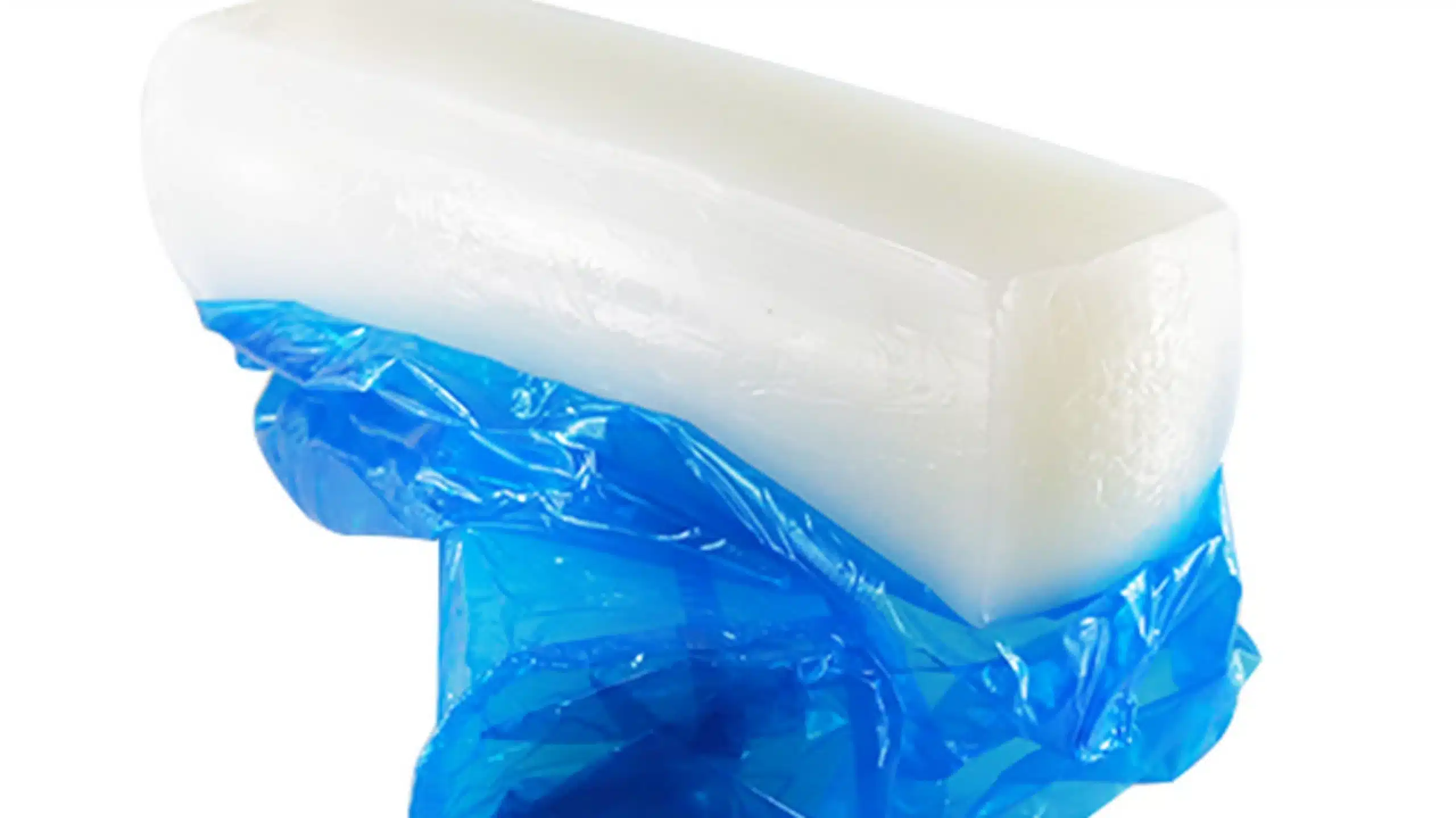
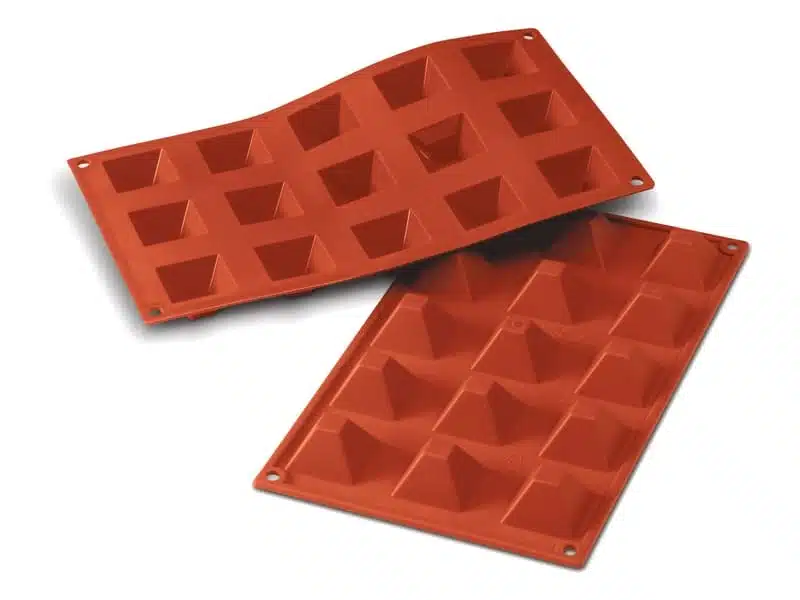
Silicone compounds used for food-grade silicone molds are carefully formulated to meet strict standards for food contact applications which include direct contact with food, drinks, or ingredients during use. They can be used to make all types of baking molds, candy molds, chocolate molds, gummy molds, ice cube molds, beverage molds, popsicle molds and kitchenware molds.
The suitability for food contact is dependent on the silicone compound, curing system, pigments, production control, and if testing is necessary. Food-grade should not be confused with a marketing term; there could be target-market requirements, depending on the market, including FDA or LFGB.
| Food-Grade Silicone Mold Factor | Buyer Meaning |
| Food-Contact Use | The mold may directly contact food, drinks, ice, or ingredients |
| Material Selection | Silicone compound, curing system, and pigments should match intended use |
| Temperature Range | Baking or freezer products require suitable performance review |
| Odor Requirement | Food-related products often require lower odor expectations |
| Testing Requirement | FDA, LFGB, or retailer testing may be needed depending on market |
| Production Cleanliness | Handling and packaging should support food-related product expectations |
| Documentation | Buyers may need test reports or material information for import or retail channels |
What Are Industrial-Grade Silicone Molds?
Industrial silicone molds are designed for non-food applications where food-contact testing is not mandatory and the emphasis is on durability, flexibility, resistance to tearing, heat performance or cost. These are suitable for soap moulds, resin moulds, craft moulds, candle moulds, industrial forming moulds, technical moulds, protective moulds and non-food promotional products.
Depending on the application and use, industrial-grade silicone can be chosen based on durability, heat resistance, tear resistance, flexibility, cost or chemical exposure. It may not be considered fit for food unless reasonably established by material and testing requirement.
| Industrial-Grade Silicone Mold Factor | Buyer Meaning |
| Non-Food Use | Suitable for applications where food-contact testing is not required |
| Performance Focus | May prioritize durability, flexibility, tear resistance, or heat performance |
| Cost Control | May be more cost-effective for non-food projects |
| Application Matching | Material should still match use conditions such as soap, resin, craft, or industrial forming |
| Testing Needs | May require different performance testing instead of food-contact testing |
| Material Review | Buyers should confirm compatibility with the intended non-food application |
| Production Control | Stable molding and inspection are still important for quality consistency |
Food-Grade vs Industrial-Grade Silicone Molds: Key Differences
The concept of food grade silicone molds vs industrial grade silicone molds is not just about the product’s look or cost, but rather about the type of application and what type of materials you need.
| Factor | Food-Grade Silicone Molds | Industrial-Grade Silicone Molds |
| Intended Use | Food, beverage, baking, ice, kitchenware | Non-food, craft, soap, industrial, technical use |
| Material Focus | Food-contact suitability, odor, curing system, pigments | Durability, flexibility, heat resistance, tear resistance, cost |
| Testing Expectations | FDA, LFGB, or retailer testing may apply | Application-specific testing may apply |
| Odor Requirement | Usually stricter for food-related products | Depends on product use |
| Pigments | Should be suitable for food-contact use when required | Selected based on color, durability, and application needs |
| Cost | May be higher depending on material and testing | May be more cost-effective for non-food uses |
| Documentation | May require food-contact reports or declarations | May require material or performance data depending on use |
| Typical Products | Baking molds, candy molds, ice trays, beverage molds | Soap molds, resin molds, craft molds, industrial molds |
When Do Buyers Need Food-Grade Silicone?
Food grade silicone should be used when the final product will be used in contact with food or beverages, or when it’s the product will be sold as custom silicone kitchenware.
| Product Type | Why Food-Grade Silicone May Be Needed |
| Baking Molds | Direct contact with dough, batter, or baked food |
| Candy & Chocolate Molds | Direct contact with edible products |
| Gummy & Jelly Molds | Contact with food ingredients and finished gummies |
| Ice Cube Trays | Contact with water, ice, and beverages |
| Popsicle Molds | Contact with frozen desserts or drinks |
| Beverage Molds | Contact with drinks, ice, or food-related materials |
| Kitchenware Molds | Used in food preparation or storage |
| Retail Food-Contact Products | May require documentation for importers, retailers, or platforms |
When Is Industrial-Grade Silicone Suitable?
When the product does not come into contact with food and the requirements are not related to food contact, but rather flexibility, release properties, durability or cost, industrial grade silicone is suitable.
| Product Type | Why Industrial-Grade Silicone May Be Suitable |
| Soap Molds | Usually non-food use; flexibility and release are more important |
| Candle Molds | Material should match heat and release requirements, not food-contact testing |
| Resin Molds | Requires tear resistance and compatibility review |
| Clay / Plaster Molds | Needs detail accuracy and durable release performance |
| DIY Craft Molds | Usually focuses on flexibility, durability, and detail |
| Industrial Forming Molds | Performance requirements may focus on heat, pressure, or mechanical use |
| Protective Mold Products | Needs durability, structure, and functional performance |
| Non-Food Promotional Products | Branding and appearance may matter more than food-contact testing |

Material, Curing System and Pigment Considerations
When choosing between food-grade and industrial-grade silicone, the silicone compound, curing system, pigments, and performance characteristics all are important considerations in silicone material selection.
| Material Factor | Why Buyers Should Review It |
| Silicone Compound | Determines the base performance and application suitability |
| Curing System | May affect odor, appearance, and material expectations |
| Pigments | Colorants should match intended application and testing needs |
| Odor Control | Especially important for food, beverage, baby, or personal care products |
| Temperature Range | Baking, freezer, or industrial use may require different material choices |
| Shore Hardness | Affects flexibility, support, release, and user feel |
| Durability | Important for repeated use and customer satisfaction |
| Target Market | May affect testing and documentation needs |
| Finished Product Testing | May be required by retailers, importers, or specific markets |
FDA, LFGB and Testing Considerations
The FDA vs LFGB are common questions buyers have about silicone food molds when making their orders, but these requirements vary by market, product use, color, material and retailer expectations.
| Testing / Documentation Item | When It May Matter |
| FDA-Related Food-Contact Testing | Products intended for U.S. food-contact markets |
| LFGB Testing | Products sold in Germany or EU-related channels where requested |
| Finished Product Testing | When buyers or retailers need reports on the actual molded product |
| Color-Specific Review | Colored silicone products may require additional confirmation |
| Material Declaration | Useful for buyers, importers, or retailer review |
| Retailer Requirements | Some retailers or platforms may request specific documentation |
| Application Testing | Baking, freezer, release, odor, or durability tests may be needed |
| Compliance Consultation | Buyers should confirm requirements with qualified labs or advisors when needed |
How Material Choice Affects Performance and Cost
The product performance, cost of the units, testing costs, variation in production, etc. are all impacted by material choice.
| Project Factor | Material Choice Impact |
| Unit Cost | Food-grade or specialty silicone may cost more depending on requirements |
| Testing Cost | Food-contact or retailer testing can add cost and lead time |
| Lead Time | Special materials or testing may extend development time |
| Product Performance | Material affects flexibility, durability, heat, cold, and release |
| Odor | Material and curing system can affect odor expectations |
| Color Matching | Pigment selection must match application needs |
| MOQ | Special material or colors may affect minimum order planning |
| Quality Control | Material requirements affect inspection and sample approval |
| Packaging | Food-related products may require cleaner handling or specific packaging |
Common Material Selection Mistakes Buyers Should Avoid
Even seasoned sourcing teams are susceptible to pitfalls that can lead to delays, additional costs, or compliance issues down the road.
| Common Mistake | Better Approach |
| Assuming all silicone is food-grade | Confirm material, curing system, pigments, and testing needs |
| Choosing food-grade only for marketing | Match material to actual product use and buyer requirements |
| Using industrial-grade for food contact | Use food-contact material and testing review where required |
| Ignoring target market | Confirm FDA, LFGB, retailer, or importer expectations early |
| Forgetting pigments | Confirm colorants match intended application |
| Choosing only by price | Compare material, testing, performance, and QC scope |
| Ignoring odor | Review odor during sample approval |
| Not checking temperature range | Match material to baking, freezer, or industrial conditions |
| Delaying documentation | Confirm reports or declarations before production starts |
What Buyers Should Prepare Before Choosing Material
When customers give manufacturers clear information about their product, manufacturers are able to better recommend the most appropriate silicone materials.
| Information to Prepare | Why It Helps |
| Product Application | Determines whether food-grade or industrial-grade silicone is needed |
| Food-Contact Status | Helps select material and testing direction |
| Target Market | Affects documentation and testing expectations |
| Required Testing | Helps plan cost, lead time, and material choice |
| Product Dimensions | Helps estimate material usage and cost |
| Cavity Design | Affects release, durability, and hardness selection |
| Temperature Range | Helps choose baking, freezer, or industrial-use silicone |
| Hardness Requirement | Defines flexibility, support, and release performance |
| Color Requirement | Helps select pigments and confirm sample color |
| Odor Expectation | Important for food, beverage, baby, or personal care products |
| Packaging Style | Helps align handling and retail presentation |
| Order Quantity | Helps evaluate MOQ and material planning |
How a Manufacturer Helps Choose the Right Silicone Material
A qualified manufacturer considers the material choice with respect to application, performance, testing and production requirements and helps buyers make the most appropriate selection based on their real experience with OEM/ODM projects and specifications.
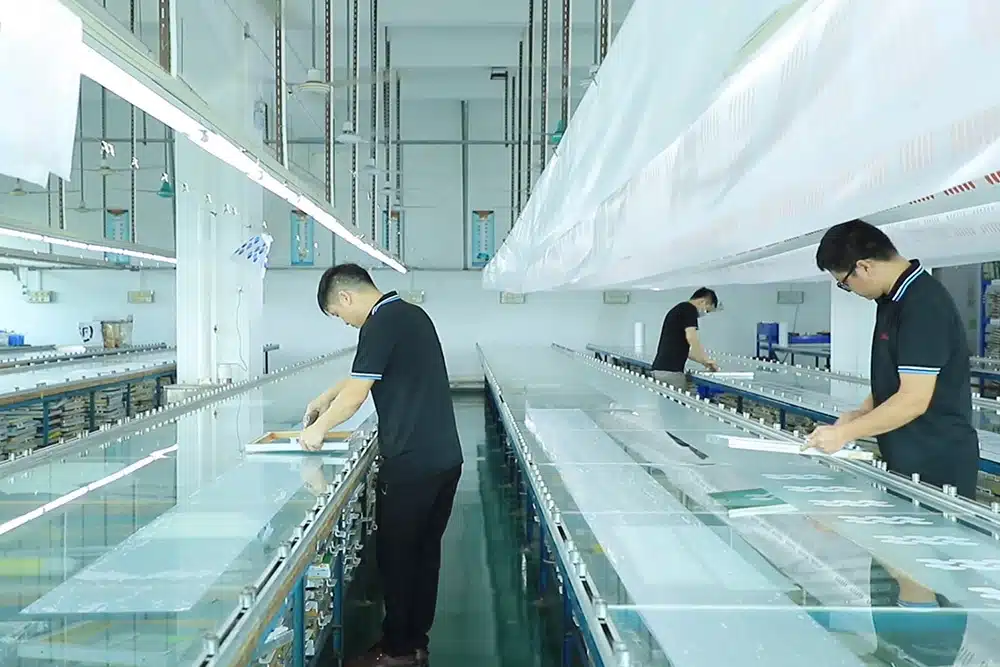
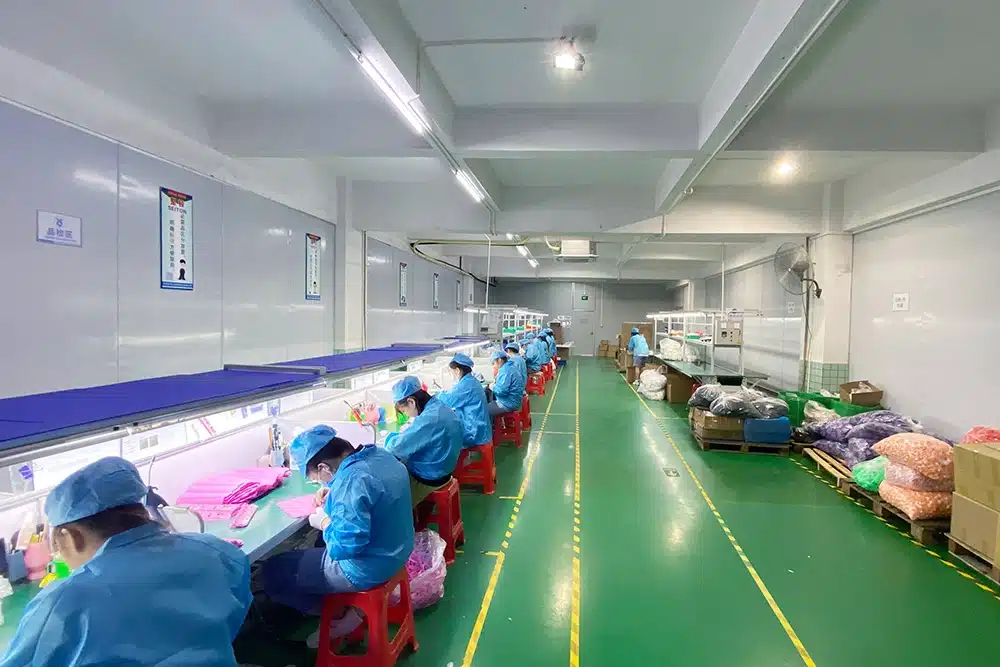
Our staff will give you the full range of services from material optimization to suggestions on the Shore hardness, from mould designing to prototype sampling to quality control in a dust-free workshop. This manufacturing-aware approach will help ensure that the selected silicone compound (food grade or industrial) produces consistent results in compression molding or co-injection processes and meets your cost, lead-time and documentation goals.
| Manufacturer Capability | Why It Matters for Material Selection |
| Application Review | Helps decide whether food-grade or industrial-grade silicone is suitable |
| Material Knowledge | Supports correct silicone grade, curing system, hardness, and performance choice |
| Testing Awareness | Helps buyers plan FDA, LFGB, retailer, or application testing where needed |
| Design Review | Ensures material matches wall thickness, cavity depth, and release requirements |
| Sample Development | Allows buyers to confirm odor, color, hardness, and real-use performance |
| In-House Tooling | Helps align material selection with mold design and production stability |
| Quality Control | Ensures material and finished product are checked consistently |
| Clean Packaging Environment | Supports better handling for consumer and food-related products |
| Export Experience | Supports documentation, communication, and international delivery needs |
Final Decision Checklist: Food-Grade or Industrial-Grade?
This practical checklist will help you decide the material and begin tooling preparation before you confirm material and begin tooling.
| Question | If Yes | If No |
| Will the mold contact food or beverages? | Food-grade silicone should be reviewed | Industrial-grade may be suitable |
| Will the mold be used for baking or kitchenware? | Food-grade and heat-resistant material should be reviewed | Choose based on actual use |
| Will the product be sold in the U.S. or EU food-contact market? | Confirm FDA, LFGB, or retailer expectations | Testing may still depend on buyer needs |
| Is odor a major concern? | Review curing system and sample odor carefully | Standard material may be acceptable |
| Is the product for soap, resin, clay, or craft use? | Industrial-grade may be suitable | Confirm if food-contact use exists |
| Does the product need high heat, tear resistance, or technical performance? | Review application-specific silicone options | Standard material may be enough |
| Is private-label retail packaging required? | Plan documentation, handling, and packaging early | Simpler packaging may be possible |
| Is lowest cost the main concern? | Avoid sacrificing required material performance | Match material to actual application |
Conclusion — Choose Silicone Material Based on Use, Not Assumptions
The first step to deciding on a food grade silicone mold vs industrial silicone mold is to look at the actual product’s use. Food-grade material and testing requirements (if mold is to come in contact with food, beverages, ice or kitchen ingredients) should be considered prior to production. For soap, craft, technical forming or other non-food uses, industrial grade silicone might be more practical — while custom silicone mats for food-related or kitchen applications typically require food-grade material.It is not only the material label that determines the right choice, but depends on performance, markets, testing requirements, product design and production consistency. With practical material optimization, in-house tooling and quality control, Dongguan HT Silicone & Rubber Co., Ltd. will assist clients in making the right choices, ensuring that you receive molds that perform as expected from the sample stage to full production.