
When the material, design, and testing match the actual use, silicone molds for baking, candy making, chocolate molding, kitchenware, and other applications that require high temperature performance, are reliable. The buyer needs to consider actual working temperatures, exposure times, food contact requirements, wall thickness, geometry, and curing systems, not relying on the general customer claims made by suppliers. The effective operating temperature range of silicone mold is determined by the actual application, rather than by the supplier’s general material statement. Many buyers question the “high temperature resistant” of silicone molds, but if they’re not already specifying the application temperature, exposure time, food-contact use, wall thickness, and testing requirement, that’s why no manufacturer can accurately recommend the appropriate material for the job or confirm its performance.
What Temperature Range Should Buyers Consider?
It is important to make sure the buyer specifies the maximum peak temperature to which the mold will be subject for very brief periods, as well as the operating temperature range the mold will experience during its operation. For example, oven baking molds must be evaluated with regard to the sustained heat and duration, and candy or chocolate molds must be evaluated with regard to warm ingredient contact, cooling cycles, and clean release performance. Repeated hot water and detergent exposure with dishwasher-safe or sterilization applications may affect the long-term durability and flexibility.
If the product being developed is a brand of baking, confectionery, kitchenware, or any other product that is exposed to high temperatures, silicone molds need to be evaluated prior to bulk production: based on the material grade, product structure, exposure time, and real use testing. Final temperature ranges must always be verified with material data sheets and by actual sample testing in conditions most similar to the actual use of the material.
| Use Condition | What Buyers Should Confirm |
| Oven Baking | Expected baking temperature, exposure time, product size, and wall support |
| Hot Candy or Sugar Contact | Ingredient temperature, contact duration, cavity detail, and release performance |
| Chocolate Molding | Warm material contact, cooling cycle, surface finish, and demolding |
| Dishwasher Cleaning | Repeated hot water exposure, detergent contact, and long-term durability |
| Freezer-to-Heat Use | Temperature cycling, flexibility, and deformation risk |
| Retail Kitchenware Use | Food-contact material, heat performance, odor, and testing requirements |
| Short-Term Heat Contact | Maximum exposure temperature and time |
| Repeated Use | Whether material and structure can maintain performance over cycles |
What Does Heat Resistance Mean for Silicone Molds?
Heat resistance in silicone molds is more than just the fact that they don’t melt or obviously bend at high temperatures. It covers the ability of the mold to retain shape, flexibility, surface quality, odor control and the ability to slowly release products after repeated exposure to heat.
A mold that feels good at room temperature can have minor problems when heated, including some softness, discoloration and/or stickiness that may not be noticeable initially, but over time. When buying, it’s important to differentiate between continuous use temperature and occasional, short-term peaks.
| Heat-Resistance Factor | Why It Matters |
| Shape Stability | Helps the mold keep its form during heating or cooling |
| Flexibility Retention | Ensures the mold can still bend and release products after heat exposure |
| Surface Appearance | Prevents discoloration, stickiness, or surface degradation |
| Odor Control | Important for baking, kitchenware, and food-contact products |
| Release Performance | Heat exposure should not make products harder to demold |
| Durability | Repeated heat cycles should not quickly weaken the mold |
| Food-Contact Suitability | Material and testing should match food-related use where required |
| Exposure Time | Longer heat exposure can affect performance differently than short-term contact |
| Application Fit | Different products require different heat-performance priorities |
Common Temperature-Related Applications for Silicone Molds
Each product category has its own requirements for heat resistance and therefore a universal solution is rarely applicable. Candy and chocolate baking molds are subjected to higher temperatures over a shorter period of time, and then cooled, while silicone baking molds are subjected to constant high temperatures.
Some kitchenware items must withstand dishwasher cycles and food-prep accessories must remain safe for food contact and have negligible odors after multiple uses. To ensure that the equipment purchased is the best fit from the outset, it is important to understand these differences.
| Application | Temperature-Related Concern | Buyer Note |
| Baking Molds | Oven exposure, wall support, food-contact material | Confirm temperature range and use conditions |
| Cake / Muffin Molds | Heat exposure and shape stability | Larger molds may need stronger support |
| Candy Molds | Warm ingredient contact and release | Review cavity design and material suitability |
| Chocolate Molds | Warm filling and cooling cycles | Surface finish and release are important |
| Gummy Molds | Warm filling and flexible release | Small cavities need careful design |
| Kitchenware Molds | Heat contact, cleaning, and repeated use | Material and packaging claims should match testing |
| Dishwasher-Safe Products | Hot water and detergent exposure | Confirm durability under repeated cleaning |
| Food Prep Accessories | Food-contact and temperature exposure | Review material, odor, and documentation needs |
Silicone Material Grade and Heat Resistance
The first step in the temperature performance process is to select the right silicone grade to match the application. When using for non-food or industrial applications, different properties may be a more important requirement, whereas food-contact applications often require verified food-grade compounds.
Platinum cured and peroxide cured systems have their own characteristics with regards to odors, appearance upon heating, and stability overall. The pigment and additives should also work with the temperature range the piece will be exposed to, to prevent color changes or off-gassing.
| Material Factor | Heat-Resistance Consideration |
| Silicone Grade | Must match food-contact, industrial, or general-use application |
| Curing System | May affect odor, appearance, and performance expectations |
| Food-Contact Requirement | Baking and kitchenware products need suitable material review |
| High-Temperature Material | May be needed for demanding heat-related use |
| Pigments / Colorants | Should be suitable for intended temperature and application |
| Odor Requirement | Important for food and kitchenware products after heating |
| Material Documentation | May be needed for buyers, retailers, or importers |
| Sample Testing | Helps confirm performance under real-use conditions |
Continuous Temperature vs Short-Term Heat Exposure
The buyers get the advantage of being able to differentiate between continuous use temperature (which is the temperature to which the mold is subjected over time) and the short-term peak temperature (which is the temperature to which the mold is subjected for a short period of time, possibly once a day). A mould for repeated baking in the oven will require different considerations to a mould used to cook for a short period with sugar or melted chocolate.
Exposure time, number of heating cycles and complete range of temperature from freezer to dishwasher/oven, etc. all have an effect on the behavior of the material throughout its service life. Without context of real-use conditions and testing, generic maximum temperatures number can be misleading.
| Temperature Concept | Meaning for Buyers |
| Continuous Use Temperature | The temperature the mold must tolerate during normal repeated use |
| Short-Term Peak Temperature | A higher temperature the mold may contact briefly |
| Exposure Time | Longer heat exposure may be more demanding than short contact |
| Repeated Heat Cycles | Repeated use can affect durability over time |
| Heating and Cooling Cycles | Expansion, contraction, and flexibility changes should be reviewed |
| Application Temperature | Actual use conditions matter more than generic material claims |
| Test Condition | Samples should be tested under conditions close to real use |
How Wall Thickness and Geometry Affect Heat Performance
Heat resistance is not only influenced by the type of material, but also by the structure of the product. Thin walls can heat up rapidly but may not have structural integrity, and thick walls will require more material and will have a different thermal expansion.
Rims or wall distribution must be reinforced or optimized for large molds or molds with deep cavities to avoid warping. Since the material can vary in thickness or have complex shapes, the only way to know if there is a problem is to heat test the material during its real use.
| Design Factor | Heat-Performance Impact |
| Wall Thickness | Affects support, flexibility, material usage, and heat response |
| Large Mold Size | May need support rim or reinforced structure |
| Deep Cavities | Can affect release and cleaning after heating |
| Uneven Thickness | May create inconsistent flexibility or deformation risk |
| Thin Edges | May tear or deform more easily during repeated use |
| Support Rim | Helps maintain shape during filling, heating, and handling |
| Silicone Hardness | Works together with thickness to support product function |
| Product Geometry | Complex shapes require testing under real-use conditions |
Heat Resistance for Food-Contact Silicone Molds
If molds are going to come in contact with food or ingredients, the assessment of heat resistance and food-contact compliance needs to be assessed together. Materials that do not change after repeated exposure to high temperatures, are low in odor and safe to use in baking and candy making, and are safe for use in kitchenware applications all have a high demand.
Some buyers for the U.S. or EU markets may require documentation for FDA or LFGB requirements, and for finished product testing as may be required by the retailers. For consumer products, pigment stability and hot odor performance is more important.
| Food-Contact Heat Factor | Why Buyers Should Confirm It |
| Food-Grade Silicone | Required when the product contacts food or ingredients |
| Temperature Range | Must match baking, warm filling, or cleaning use |
| Pigments and Colorants | Should be reviewed for food-contact and heat-related use |
| Odor After Heating | Important for kitchenware and food-related products |
| FDA / LFGB Needs | Depends on target market, buyer, retailer, and testing scope |
| Finished Product Testing | May be required for importers or retailers |
| User Instructions | Retail products should avoid unsupported temperature claims |
| Packaging | Should protect cleanliness and product shape before sale |
How Heat Resistance Affects Color, Odor and Surface Quality
Samples can be heated to find performance problems that will not be exposed in room temperature samples. While silicone is generally high-quality, there is some potential for odor, color changes or surface changes after repeated exposure if the formulation or pigments are not optimized for the application.
Surface stickiness, discoloration or changed release properties can have an impact on both the functionality and perception of the consumer. Careful testing of the samples under conditions to be expected will help to detect these problems in the early stages.
| Heat-Related Issue | Possible Cause | What to Check |
| Odor After Heating | Material, curing system, pigment, or incomplete curing | Heat sample and review odor |
| Color Change | Pigment or material not suitable for heat conditions | Compare before and after heating |
| Surface Stickiness | Material or curing issue | Check surface after heat exposure |
| Discoloration | Heat exposure or pigment instability | Test under intended use conditions |
| Poor Release | Surface or cavity design affected by heat use | Test with real application |
| Surface Texture Change | Material or finishing issue | Inspect surface after repeated heating |
| Packaging Odor Transfer | Packaging material interaction | Test packed samples where needed |
Testing Heat Resistance Before Mass Production
Before approving tooling or bulk production, physical samples will need to be tested under conditions that closely represent actual use. A simple test in the oven, warm-ingredient contact trial or repeated heat cycle evaluation can rapidly detect potential issues.
By observing the odor, color retention, shape stability, flexibility and release performance after the heating, buyers can be assured that it will perform as expected by the end user.
| Test Item | What It Confirms |
| Oven / Heat Exposure Test | Whether the mold maintains shape and function at intended temperature |
| Repeated Heat Cycle Test | Whether performance remains stable after repeated use |
| Odor Review | Whether heating creates unacceptable odor |
| Color Comparison | Whether color remains close to approved sample |
| Flexibility Check | Whether the mold remains usable after heating |
| Shape Stability Check | Whether the product deforms during heat exposure |
| Release Test | Whether baked or warm-filled products release smoothly |
| Surface Inspection | Whether surface becomes sticky, stained, or damaged |
| Documentation Review | Whether reports or material data match buyer requirements |
| Packaging Check | Whether packaging protects the product after production |
What Buyers Should Prepare Before Requesting Heat-Resistant Silicone Molds
When buyers give manufacturing companies detailed information about the application, the company can offer much more precise material and design suggestions. Product drawings, anticipated temperatures, exposure time, frequency of use, food contact, target markets, and packaging preferences facilitate the development process.
| Information to Prepare | Why It Helps |
| Product Application | Determines whether baking, candy, kitchenware, or non-food material is needed |
| Working Temperature | Helps select suitable silicone material |
| Peak Temperature | Helps evaluate short-term heat exposure risk |
| Exposure Time | Longer exposure may require stronger material review |
| Use Frequency | Repeated use may require durability testing |
| Food-Contact Status | Helps define material and testing direction |
| Target Market | Affects FDA, LFGB, or retailer documentation needs |
| Product Dimensions | Helps estimate material usage and structural needs |
| Wall Thickness | Affects heat response, flexibility, and cost |
| Cavity Depth | Influences release and cleaning after heat exposure |
| Hardness Preference | Helps balance support and release |
| Color Requirement | Helps review pigment and heat stability |
| Packaging Style | Helps ensure retail fit and shipment protection |
Common Mistakes When Choosing Heat-Resistant Silicone Molds
Large sourcing teams can even miss details that can impact performance or add costs. One of the common mistakes is requesting only “high temperature silicone” without specifications regarding usage.
Common pitfalls are not conducting heat testing on approved samples, not taking into account the combined effect of wall thickness & geometry or assuming all silicone compounds will react the same to heat.
| Common Mistake | Better Approach |
| Asking only for “high temperature resistance” | Provide actual working temperature and exposure time |
| Ignoring exposure duration | Confirm both continuous and short-term heat conditions |
| Assuming all silicone is the same | Select material based on application and testing needs |
| Ignoring food-contact use | Review food-grade material and documentation where needed |
| Ignoring pigments | Check colorants for intended heat and application conditions |
| Not testing odor after heating | Include odor review in sample approval |
| Choosing only by price | Compare material, performance, testing, and QC scope |
| Ignoring wall thickness | Review structure and material together |
| Skipping heat testing | Test samples under intended use conditions |
| Overstating retail claims | Make only claims supported by material data or testing |
How a Manufacturer Supports Heat-Resistant Silicone Mold Projects
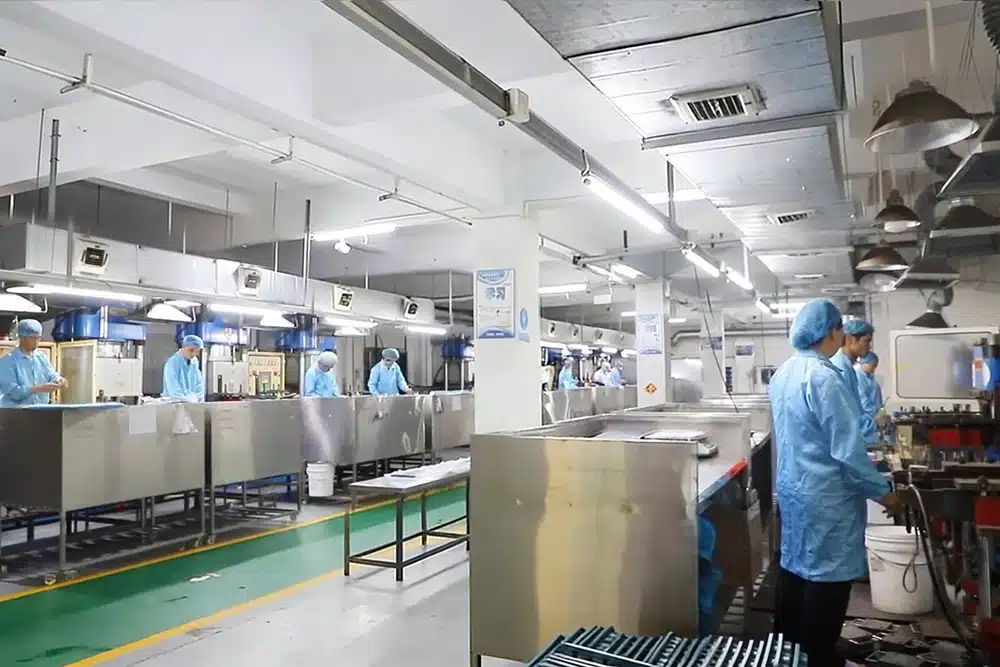
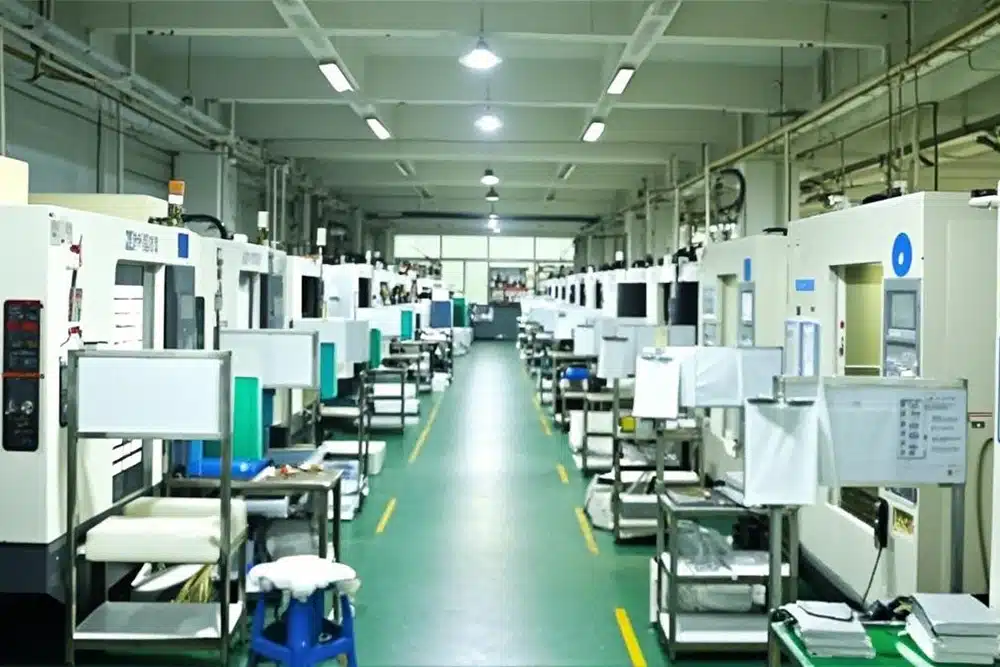
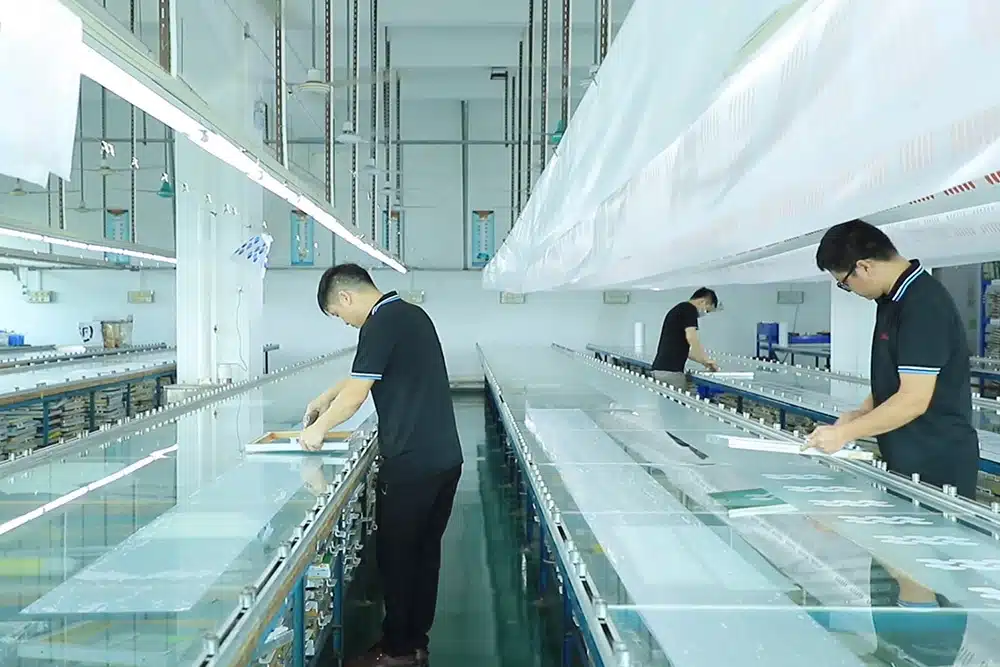
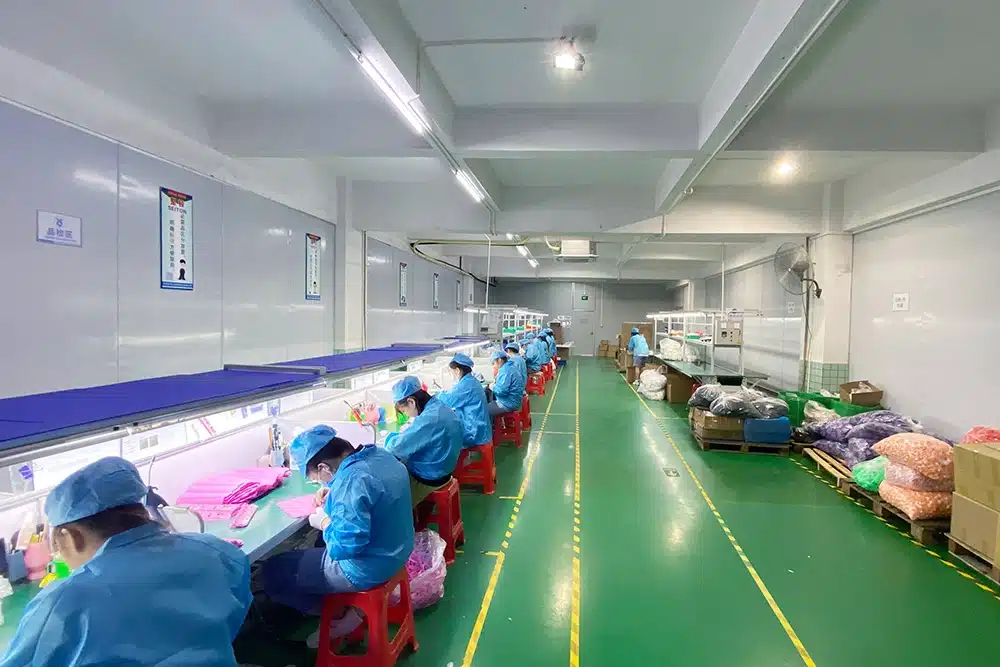
A good manufacturer is a partner in the process of development, from material selection, optimization of product structure, design of tools, prototype production and suitable testing. Our in-house mould workshop, Compression & Co-injection, raw-material inspection, dust-free packaging environment all ensure consistent results for heat-related works, at Dongguan HT Silicone & Rubber Co., Ltd.
Reliable teams can recommend appropriate silicone grades, offer any adjustments to hardness and wall thickness, and help in iterations until the sample performance reaches the desired level.
| Manufacturer Capability | Why It Matters for Heat-Resistant Molds |
| Material Selection Support | Helps choose silicone grade based on temperature and application |
| Food-Contact Knowledge | Supports baking and kitchenware material review where needed |
| Design Review | Ensures wall thickness, cavity depth, and support structure are practical |
| Hardness Recommendation | Balances flexibility, release, and shape support |
| In-House Tooling | Improves control over cavity accuracy and sample revisions |
| Sample Development | Allows heat, odor, color, and release testing before production |
| Process Control | Helps maintain stable curing and product consistency |
| Quality Inspection | Checks dimensions, hardness, appearance, and function |
| Clean Packaging | Supports consumer and food-related product handling |
| Export Experience | Supports communication, documentation, and shipment planning |
Final Buyer Checklist for Heat-Resistant Silicone Molds
When approving tooling or transitioning to mass production, go through this practical checklist to ensure all important points are covered.
| Checklist Question | Why It Matters |
| What is the expected working temperature? | Defines the basic material requirement |
| What is the maximum short-term temperature? | Helps evaluate peak exposure risk |
| How long will the mold be exposed to heat? | Exposure time affects performance expectations |
| Is the product food-contact? | Determines material and testing direction |
| Which market will the product be sold in? | Affects FDA, LFGB, or retailer documentation |
| What is the wall thickness and cavity depth? | Structure affects heat performance and release |
| What hardness is required? | Affects support, flexibility, and demolding |
| Is color stability important? | Pigments may need review under heat conditions |
| Has odor after heating been tested? | Important for baking and kitchenware products |
| Has a real-use heat test been completed? | Confirms performance before mass production |
| Are temperature claims supported? | Helps avoid unsupported retail or packaging claims |
| Is packaging suitable? | Protects product shape and cleanliness before sale |
Conclusion — Heat Resistance Depends on Material, Design and Real Use
Silicone molds are not just a single number. This is based on the type of silicone used, curing system, pigments, wall thicknesses, type of cavity structure, hardness, exposure time, and actual use conditions. Purchasers need to validate temperature claims at the early stage, test samples under intended use conditions, and steer clear of unsupported claims. Combining material selection with design review, tooling and QC, silicone mold projects that are resistant to heat become more predictable and reliable during bulk production.