
April 4, 2026

Blog

Heat Resistance of Silicone Molds: What Temperature Range Should Buyers Consider?

Heat resistant silicone molds are commonly used for baking, candy, chocolate, kitchenware, and other temperature-related applications. This guide explains what temperature range buyers should consider, how silicone material grade, curing system, wall thickness, hardness, product geometry, and exposure time affect heat performance, and what should be tested before mass production.
Blog

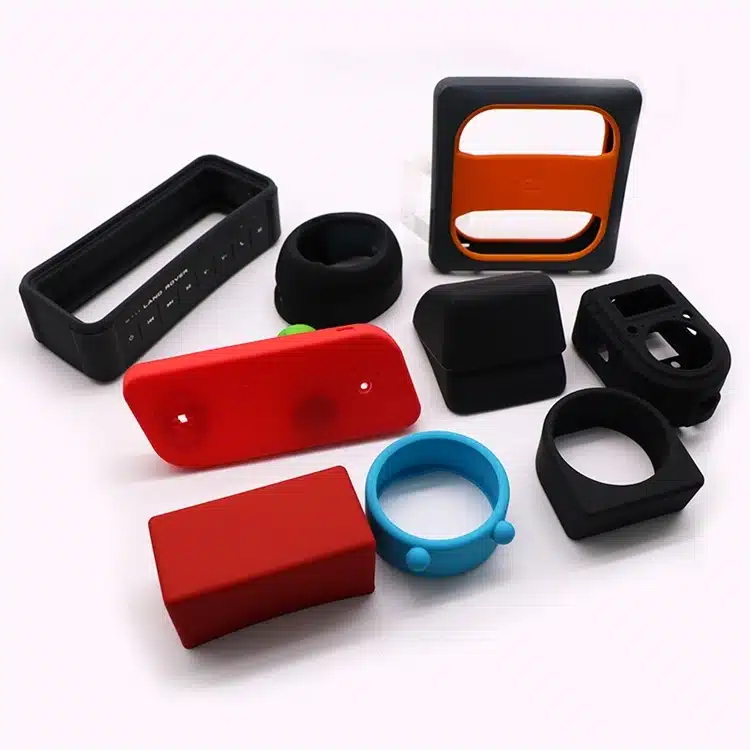
Custom Silicone Protective Covers: Applications, Materials and Manufacturing Options

Custom silicone protective covers can improve grip, cushioning, scratch resistance, and product handling across drinkware, electronics, beauty devices, pet products, home goods, and industrial applications. This guide explains common applications, material choices, design factors, manufacturing options, quality control, and what buyers should prepare before starting a custom silicone cover project.

Schematic diagram comparing clean silicone molecular structure vs. surface adsorption of odor particles on a silicone grid.
Blog

Does Silicone Absorb Odors? Causes and Prevention

Many users wonder whether silicone absorbs odors over time. While silicone is non-porous and chemically stable, lower-quality formulations, surface residues, and improper curing can lead to odor retention. This guide explains the science behind silicone odor concerns and practical ways to prevent or eliminate smells in kitchenware and consumer products.

Scroll to Top