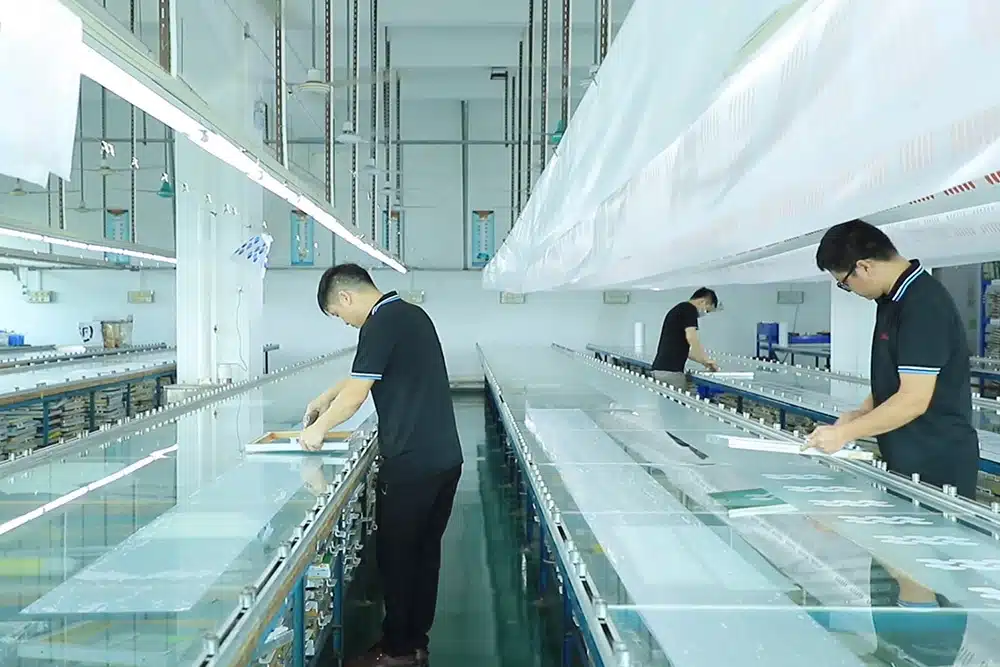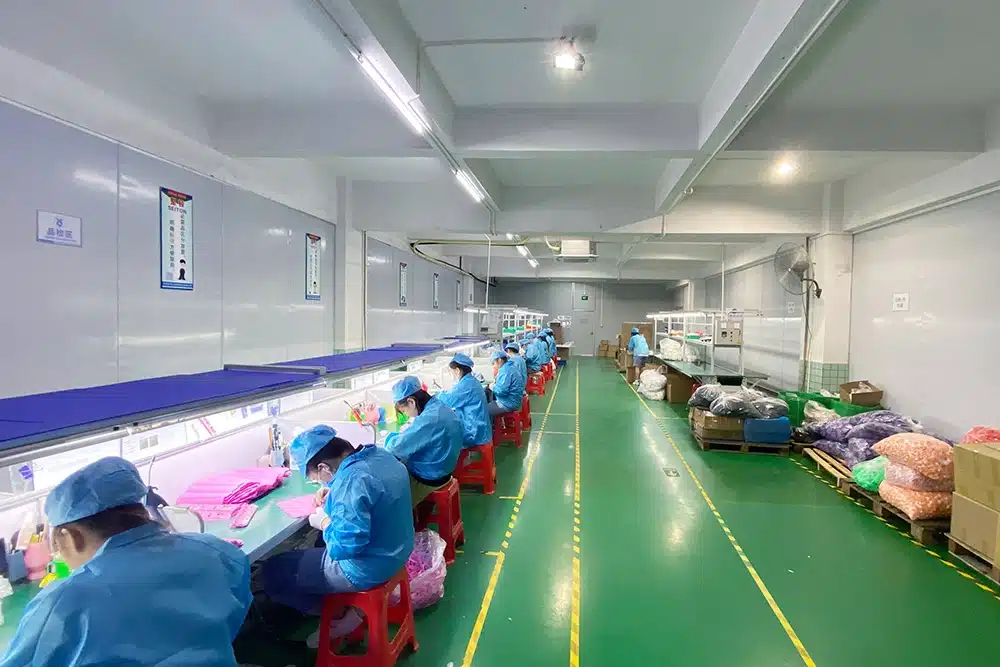

The initial production sample appears to be perfect, however, the second production run appears to be in slightly different shade- this is one of the most common complaints in colored silicone projects.
Not only is the choice of a Pantone the correct choice of silicone colors, but how you and your supplier communicate, test and control color matching and color stability between lab samples and mass production. Stability and colour matching relies upon the silicone formulation and the manner in which you deal with your supplier. Even a good factory will have a hard time to strike the same color every time when there are no clear references, agreed tolerances and proper QC.
Why Material and Application Come First
Material and application should be consistent and agreed upon before you discuss color. It is impossible to talk about color in isolation. The hardness, type of base silicone (HCR or LSR), cure system (platinum or peroxide), and ultimate use all determine what pigments can be used and the stability of the color. Another problem is compliance requirements, which can sometimes restrict the pigment choice to that which is safe and low-odor.
For example, as outlined in our silicone materials & selection guide, choosing the right silicone grade and application fit is the foundation for any successful color project. The same logic applies to regulatory needs — see our compliance checklist for silicone materials in food- and skin-contact products for details on pigment restrictions.
Here’s how different applications shape the color conversation:
| Application Type | What It Means for Color Discussions |
| Food-contact kitchenware / baby items | Limited pigment choices, strict testing and odor constraints |
| Skin-contact wearables | Focus on irritation, sweat resistance, and stain visibility |
| Outdoor / UV-exposed products | UV stability and fading resistance are critical |
| Industrial/automotive parts | Heat resistance and chemical exposure impact color stability |

Give Your Supplier Clear, Concrete Color References
Open-ended questions like a bit more blue or similar to our old product, can hardly be replicated. The closer your references the quicker and more precise the match.
Give one or more of the following:
- Pantone or other standardized color references.
- Physical samples (past parts or color printing chips) available.
- Clear guidelines regarding gloss and matte finish and on the issue of translucency and opaqueness.
It is best to state it at the beginning; what matters most to your project may be the exact hue, cost, or lead time, all of which should be stated at the outset.
| Reference Type | What It Is Good For |
| Pantone / color code | Clear, shared digital reference for base hue |
| Physical sample part | Real-world perception, including texture and finish |
| Printed or digital mock-up | General direction only (needs translation into silicone) |

Understand How Silicone Color Matching Is Done on the Supplier Side
Silicone color matching is on a repeatable but chemistry-based process on the factory side. With solid silicone (HCR), color masterbatch or pre-dispersed pigments are commonly used by technicians. In the case of liquid silicone rubber (LSR), they use liquid colorants and precise inline dosing systems.
The thickness of the cured silicone, its surface finish and its cure chemistry may cause the final color to be different from the original mix in the cup. This is the reason why suppliers use spectrophotometers to measure ΔE values, record the precise pigment ratios, and design trial slabs at controlled conditions.
| Supplier Step | What They Actually Do |
| Formulation | Choose pigments compatible with the silicone grade |
| Lab mixing and trial slabs | Mix, cure and create small test samples |
| Measurement and viewing | Check color by eye and with instruments |
| Adjustment | Fine-tune pigment ratios and repeat if needed |
Agree on What “Acceptable Color Difference” Means
No production process can ensure no difference in all lighting conditions and viewing angles. That is why it is critical to establish silicone color tolerances jointly.
The ΔE is the industry standard used to measure the difference in color. The fewer in number the closer match. Talk about what level is achievable based on your product and brand requirements.
| Tolerance Level | Practical Meaning |
| Very tight (e.g. ΔE ≤ 1–1.5) | High consistency, higher cost/time for adjustments |
| Moderate (ΔE ≈ 2–3) | Good mass-production balance |
| Loose (>3) | More visible variation but easier, cheaper to run |
Request your supplier to provide you with side-by-side photographs or physical samples under the same lighting that you will be using to do final inspection. This pictorial point of reference eliminates misunderstandings in the future.
Build a Clear Color Approval Process with Your Supplier
An approved process in writing eliminates the element of guesswork, as well as safeguarding both parties. Common phases resemble the following:
| Step | Who Does What | What Gets Documented |
| 1 | You send color references and requirements | Color codes, samples, application details |
| 2 | Supplier makes and sends color samples | Sample IDs, mix ratios, test conditions |
| 3 | You review and approve/adjust | Approved reference sample + any comments |
| 4 | Supplier records the final formulation | Pigment ratios, process settings, ΔE if measured |
Write it all down. After acceptance, the reference sample becomes the golden standard to be used in the future production.
Plan for Color Stability: Aging, Light and Environment
Silicone color stability is approximately the ability of the color to maintain itself throughout the lifetime of the product. Shifts can be caused by UV light, heat, chemicals, repeated cleaning, and even by time.
These are some of the factors that you should discuss with your supplier early. Inquire about the pigments, whether they are of high lightfastness, whether they contain any UV stabilizer or antioxidant, and whether they are available in accelerated aging tests that you can use.
For projects that require long-term validation, how to validate your silicone material choice with testing and pilot runs offers a practical framework for checking stability before full production.
| Environment / Stress | What to Ask and Check |
| Outdoor / UV exposure | UV-resistant pigments, UV aging test results |
| High-temperature use | Stability of pigments at operating temperatures |
| Frequent washing / cleaning | Resistance to detergents or disinfectants |
| Skin contact and sweat | Stain resistance and color transfer |
Keep Color Consistency Under Control in Mass Production
After the color has been approved, actual task would be to ensure consistency of silicone color in mass production. A typical source of batch-to-batch variation is minor differences in pigment weighing, mixing time or molding conditions.
A tight production color control checklist should be followed by your supplier:
| Control Point | What the Supplier Should Do |
| Pigment weighing and mixing | Follow documented formulation exactly |
| Process parameters | Keep molding conditions within defined range |
| In-process visual checks | Compare with golden sample under set lighting |
| Periodic instrument checks | Use spectrophotometer where available |

For a deeper look at the variables that can affect results at scale, read what affects color consistency in mass-produced silicone parts.
Typical Color-Related Problems and How to Discuss Them with Your Supplier
Despite the optimal preparation, problems may occur. The trick is to find constructive ways of dealing with them instead of blaming them. Listed below are typical challenges and common ways that experienced teams have dealt with them:
| Issue | Likely Cause or Factor | How to Discuss with Supplier |
| Slightly different shade | Tolerance, pigment or process drift | Share photos, request re-check of formulation |
| Uneven / streaky color | Poor pigment dispersion | Ask about mixing process and adjustments |
| Fading after outdoor use | Low UV stability pigments | Request UV-stable pigments and aging tests |
| Color varies by batch | Inconsistent ratios or conditions | Review QC records and tighten process limits |
| Unexpected translucency shift | Thickness or cure variation | Confirm part geometry and process parameters |
| Surface finish mismatch | Gloss level or mold surface difference | Provide reference sample with exact finish spec |
Conclusion — Color Reliability Comes from Collaboration, Not Guesswork
The outcome of clear communication, agreed tolerances, documented formulations, and shared responsibility between brand and supplier are the result of consistent, stable silicone colors. Spending a little extra time in the process of color-matching and approval can save the company later on unnecessary rework and inconsistencies in the company brand.
By making a joint technical process of silicone color matching and silicone color stability an essential step in crafting a reliable system where the same appearance is produced by the first sample as by the hundredth production run. The more open and organized your cooperation, the better will be the results of all participants.