
The answer to the question of custom silicone molds vs standard silicone molds is really a question of the essentials – do you need the speed and simplicity or do you need complete control over the design, branding and long-term distinction? Standard silicone molds are easier to launch and have lower initial setup costs than custom silicone molds, and the custom silicone molds provide exclusive shapes, exact material specifications, ability to integrate a logo, and packaging that is consistent with your brand.
It depends on your business objectives, audience, channels and product strategy. Many buyers think of silicone molds as always being cheaper and custom silicone molds always being more expensive. While standard options work for repeat testing or simple lines, custom silicone molds provide greater private label value when repeat orders, positioning, and customer experience are paramount. When you consider the overall project value including tooling, MOQ, lead time and differentiation, you don’t end up running into any expensive shortfalls later.
Custom Silicone Molds vs Standard Silicone Molds
If you ned a faster launch and less development time and the products or product lines are simple, ready-made silicone molds are often the best option. Private label silicone molds really come into their own if you have special shapes, perfect branding, material performance preferences and consistency over time.
For companies building private-label baking, candy, soap, ice, beverage, or DIY product lines, custom silicone molds for brand owners can provide greater control over shape, material, logo, color, packaging, and repeat-order consistency. While some standard molds will restrict differentiation in competitive categories, custom molds will need more planning but will deliver a superior market position. The first unit price should not be the only consideration in your decision; you should also consider overall tooling costs, MOQ, lead time, quality requirements, and your forecast of repeat orders.
| Decision Factor | Standard Silicone Molds | Custom Silicone Molds |
| Development Speed | Faster because existing molds are already available | Slower because design, tooling, and sampling are needed |
| Tooling Cost | Usually lower or no new tooling fee | Requires tooling investment for new or modified designs |
| Product Differentiation | Limited because other buyers may use similar shapes | Stronger differentiation through unique shape, cavity, logo, and packaging |
| Branding Control | Mainly packaging, label, or simple color changes | Product shape, logo, color, packaging, surface texture, and material can be customized |
| Material Control | Depends on supplier’s existing product options | Material grade, hardness, color, and application requirements can be specified |
| MOQ | May be lower depending on inventory and supplier policy | Usually linked to tooling, material, color, and packaging requirements |
| Lead Time | Often shorter for available stock or existing production | Longer because tooling, sampling, and approval are required |
| Best For | Quick testing, simple resale, basic product lines | Private-label brands, OEM products, unique SKUs, long-term product strategy |
| Risk | Lower development risk but higher similarity with competitors | Higher planning effort but stronger product control |
What Are Standard Silicone Molds?
Standard silicone molds are pre-made or already available molds for common shapes and uses. They are useful for customers who wish to test out the demand and to add additional products to the basic product range without a big risk of investing in new tooling.
Most of the time these molds are used on popular baking molds, candy molds, soap molds, ice cube trays or DIY craft molds. The benefit of this is that you can finish faster and at a lower upfront cost, but at the same time you’re sacrificing a certain degree of flexibility in shape, cavity arrangement and deep branding.
| Standard Silicone Mold Feature | Buyer Meaning |
| Existing Shape | Product design is already available |
| Lower Development Effort | No full custom design process is needed |
| Faster Sampling | Samples may be available more quickly |
| Limited Design Control | Shape, cavity layout, and structure may not be adjustable |
| Basic Branding Options | Branding may rely more on packaging, labels, or simple color changes |
| Lower Initial Risk | Useful for testing product categories before custom tooling |
| Competitive Similarity | Similar designs may be sold by other brands |
| Faster Launch Potential | Suitable for basic ecommerce, wholesale, or promotional testing |
What Are Custom Silicone Molds?
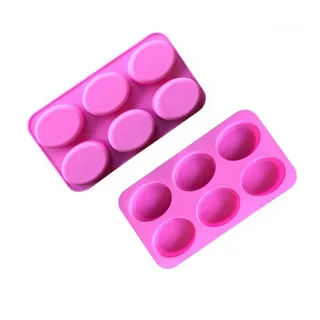
custom silicone molds are silicone mold designs that have been developed and/or modified for your specific product needs. They provide you with complete control over shape, cavity layout, wall thickness, grade and hardness of materials, color, logo placement, surface texture and even coordinated packaging.
Manufacturing-wise, custom silicone molds require a new tooling with prototype sampling and approval process, prior to mass production.This route is ideal for true OEM/ODM projects where the finished product must fly off the shelves in retail, Amazon, or private-label stores.
| Custom Silicone Mold Feature | Buyer Meaning |
| Unique Product Shape | Helps create differentiated products for the brand |
| Custom Cavity Layout | Supports specific function, output size, or product set design |
| Material Selection | Silicone grade can be matched to food, heat, freezer, craft, or non-food use |
| Shore Hardness Control | Balances flexibility, support, demolding, and user feel |
| Pantone Color Matching | Supports brand color and seasonal product lines |
| Logo Customization | Embossed, debossed, printed, engraved, or packaging branding options |
| Custom Packaging | Supports retail, ecommerce, gift, or private-label presentation |
| Tooling and Sampling | Requires mold development and physical sample approval |
| Long-Term SKU Control | Supports repeat production and brand-owned product lines |

Key Differences Between Custom and Standard Silicone Molds
The key distinctions between custom silicone molds and standard silicone molds are most apparent in terms of design ownership, production realities, and the implications for the business. Shared tools are used for standard options and exclusive tools for custom options.
| Factor | Standard Silicone Molds | Custom Silicone Molds | Buyer Decision Tip |
| Design Control | Limited to available molds | High control over shape and function | Choose custom for unique products |
| Tooling | Existing tooling | New or modified tooling required | Evaluate tooling cost with long-term sales |
| Sampling | Faster sample access | Requires prototype or first article samples | Plan time for approval |
| MOQ | Often lower or more flexible | Linked to tooling, material, color, packaging | Match MOQ to sales plan |
| Unit Price | May be lower at start | Depends on design, material, and quantity | Compare total value, not only price |
| Lead Time | Shorter if stock or existing mold is available | Longer due to tooling and sampling | Plan earlier for custom launches |
| Material Options | Limited by existing product | More material and hardness control | Important for food, heat, freezer, or craft use |
| Color Options | May allow standard or limited colors | Pantone and multi-color options possible | Useful for brand consistency |
| Logo Options | Usually packaging or label based | Product logo and packaging branding possible | Stronger private-label value |
| Packaging | Basic or customizable depending on supplier | Designed around brand and channel | Important for retail/ecommerce |
| Differentiation | Lower | Higher | Custom supports brand positioning |
| Repeat Order Control | Depends on supplier inventory | Better if specs and samples are maintained | Important for long-term brands |
When Standard Silicone Molds Make Sense
For speed, less investment, and simplicity, standard silicone molds are appropriate. These decrease the risk of development and enable you to deliver from estimate to shipment rapidly.
If market testing, small trial orders, wholesale distribution or simple ecommerce listings are the case, with the product shape not being the primary selling point, this route is suitable.
| Buyer Situation | Why Standard Molds May Work |
| Quick Market Testing | Allows buyers to test demand before tooling investment |
| Limited Development Budget | Reduces upfront custom design and tooling cost |
| Basic Ecommerce Launch | Suitable for simple product listings or starter SKUs |
| Wholesale Distribution | Works when function matters more than exclusivity |
| Short Timeline | Existing molds can reduce development lead time |
| Simple Promotional Product | Packaging or label branding may be enough |
| Product Category Exploration | Useful before committing to custom product lines |
| Low Differentiation Need | Suitable when shape uniqueness is not a priority |
| Packaging-Led Branding | Brand value can come mainly from packaging and content |
When Custom Silicone Molds Are the Better Choice
When it comes to product differentiation, private label positioning, or long term management of your product portfolio, custom silicone molds are the superior pick. They allow you to fashion shapes, features and branding that your competitors will not be able to easily mimic.
Branded baking molds, novelty candy or chocolate molds, logo embossed soap molds, custom ice cube trays, beverage molds, seasonal promotions and whole gift sets are all options available.
| Buyer Goal | Why Custom Silicone Molds Fit Better |
| Brand Differentiation | Unique shapes and packaging help products stand out |
| Private-Label Development | Supports logo, color, packaging, and repeat-order consistency |
| Unique Product Function | Custom cavity layout and dimensions can match real use |
| Special Material Needs | Food-grade, heat-resistant, freezer-use, or craft materials can be reviewed |
| Better User Experience | Design can be optimized for release, cleaning, and handling |
| Seasonal or Promotional Products | Supports holiday shapes, campaign colors, and branded packaging |
| Premium Retail Positioning | Custom design and packaging can increase perceived value |
| Long-Term SKU Strategy | Specifications can be controlled for repeat orders |
| Product Line Expansion | New shapes and sets can be developed around the same brand style |
Cost, MOQ and Lead Time Comparison
For silicone molds, there is a significant difference between the cost, MOQ, and lead time, especially between standard and custom silicone molds. Typical molds typically reduce initial costs and improve the first order, whereas custom molds typically increase the margins and repeatability as the product becomes successful, especially when you evaluate the full tooling cost against long-term sales potential.
| Commercial Factor | Standard Silicone Molds | Custom Silicone Molds |
| Tooling Cost | Usually lower because tooling already exists | Requires new or modified mold investment |
| Sample Cost | Often lower or faster if samples are available | Depends on prototype, tooling, and material requirements |
| Unit Price | May be competitive for common items | Depends on silicone weight, complexity, and quantity |
| MOQ | May be lower depending on stock or production policy | Usually linked to tooling, material, color, and packaging |
| Color MOQ | May be limited to available colors | Pantone or custom colors may require MOQ |
| Packaging MOQ | Custom packaging may still require MOQ | Often part of private-label planning |
| Lead Time | Shorter when existing stock or molds are ready | Longer due to design, tooling, sampling, and approval |
| Inventory Risk | Lower for market testing | Higher if demand is unproven |
| Differentiation Value | Lower because similar products may be common | Higher because product can be brand-specific |
| Repeat Order Strategy | Depends on supplier availability | More controllable if specs and tooling are maintained |
Product Categories: Which Option Fits Better?
Product categories are a huge factor in determining whether a mold is a standard or custom silicone mold. Novelty, branded or functional molds typically require custom development, whereas everyday shapes can be used with current molds.
| Product Category | Standard Mold Fit | Custom Mold Fit |
| Baking Molds | Good for basic cake, muffin, or simple shapes | Better for branded, novelty, seasonal, or private-label sets |
| Candy Molds | Good for common small shapes | Better for unique cavity shapes or branded candy products |
| Chocolate Molds | Good for simple bars or basic shapes | Better for premium gift shapes or brand impressions |
| Soap Molds | Good for simple handmade soap forms | Better for logo molds, deep cavities, or brand-specific shapes |
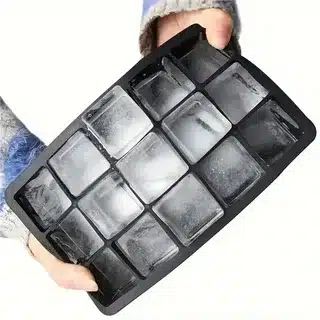
| Ice Cube Trays | Good for common cube or ball shapes | Better for novelty ice, beverage branding, or lid/accessory designs |
| Beverage Molds | Good for simple barware items | Better for custom drink shapes or promotional products |
| Popsicle Molds | Good for standard shapes | Better for multi-part private-label designs |
| DIY Craft Molds | Good for basic craft shapes | Better for unique resin, clay, plaster, or candle designs |
| Promotional Molds | Good for low-cost giveaways | Better for logo, mascot, holiday, or campaign-specific products |
| Gift Sets | Limited differentiation | Better for packaging, product bundles, and seasonal collections |
Branding, Logo, Color and Packaging Differences
One of the most significant differentiating factors between standard silicone molds and custom silicone molds is the differences in brand, logo, color and packaging. Typical mold designs are focused on external branding, and custom molds enable you to create this brand within the product itself through product-level details such as Pantone color matching, logo integration, and coordinated packaging.
| Branding Element | Standard Silicone Molds | Custom Silicone Molds |
| Product Shape | Limited to existing designs | Can be created for brand or product concept |
| Logo on Product | May be limited or unavailable | Embossed, debossed, printed, or engraved options may be possible |
| Brand Color | Usually limited to existing colors or simple changes | Pantone color matching and custom colors can be planned |
| Surface Texture | Usually fixed | Can be designed based on user experience or visual style |
| Packaging | Often the main branding method | Can be coordinated with product design and logo |
| Instruction Card | Can be added for standard products | Can be tailored to product use and brand voice |
| Gift Set Design | Limited by existing items | Can be developed as a complete branded product set |
| Retail Differentiation | Lower | Stronger when product and packaging are aligned |

Material, Quality and Testing Considerations
Whether making standard silicone molds or custom silicone molds, material, quality and testing are important factors to consider, especially when using silicone molds in food-contact, heat-resistant, freezer applications. Specs should always be checked, and samples must be requested before going into production.
| Quality Factor | Standard Silicone Molds | Custom Silicone Molds |
| Material Grade | Depends on existing supplier specification | Can be selected based on application |
| Shore Hardness | Usually fixed or limited | Can be adjusted to function and user feel |
| Food-Contact Use | Must be confirmed if product contacts food | Can be planned with material and testing requirements |
| Heat / Freezer Performance | Depends on existing material | Can be reviewed for intended use |
| Odor | Should be checked with physical samples | Can be part of sample approval and QC |
| Color Consistency | Depends on supplier production control | Can be controlled with approved color samples |
| Testing | May be limited to existing reports | Can be planned based on target market and buyer needs |
| QC Standard | Should be confirmed before order | Can be defined around buyer specifications |
| Repeat Consistency | Depends on supplier and stock | Better when approved samples and records are maintained |
Common Mistakes When Choosing Between Custom and Standard Molds
Many errors in selecting the appropriate mold are related to choosing the lowest price or the quickest turnaround, but they miss the bigger picture. Often buyers rush to the lowest initial price quotation and end up with unnecessarily high maintenance and/or mediocre products.
| Common Mistake | Better Approach |
| Choosing Only by Speed | Check whether standard products can still compete in the market |
| Customizing Without Strategy | Make sure custom design improves function, branding, or customer value |
| Comparing Only Unit Price | Compare tooling, MOQ, packaging, QC, testing, and long-term margin |
| Ignoring Tooling Cost | Evaluate tooling investment against repeat order potential |
| Forgetting Packaging Cost | Include boxes, labels, inserts, barcodes, and cartons in project cost |
| Entering Saturated Categories | Use custom design or packaging to create differentiation |
| Over-Customizing | Avoid complexity that does not improve product value |
| Skipping Sample Testing | Approve physical samples before bulk production |
| Ignoring Material Needs | Confirm food-contact, heat, freezer, or craft-use requirements |
| No Repeat Plan | Keep approved samples, color records, and packaging files |
| Late Design Changes | Finalize key details before tooling begins |
What Buyers Should Prepare Before Deciding
By getting buyers ready before deciding, you and the manufacturer can agree on the right road to take — standard or custom.When expectations are stated the first time, there are no more revisions and time is saved.
| Information to Prepare | Why It Helps the Decision |
| Product Category | Determines whether standard options may already fit the market |
| Target Customer | Helps judge whether differentiation is needed |
| Sales Channel | Retail, Amazon, wholesale, and gifts require different product strategies |
| Brand Positioning | Premium brands may need more customization |
| Unique Shape Requirement | Helps decide whether custom tooling is necessary |
| Logo Requirement | Product logo may require custom tooling or printing |
| Color Requirement | Pantone or seasonal colors may support brand recognition |
| Material Requirement | Food, heat, freezer, craft, or industrial use affects material choice |
| Food-Contact Status | Determines material and testing direction |
| Packaging Style | Packaging can make standard products more brandable |
| MOQ Expectation | Helps balance cost, inventory, and customization |
| Launch Timeline | Standard molds may fit urgent launches better |
| Repeat Forecast | Custom tooling is easier to justify with repeat orders |
| Testing Requirement | Affects both standard and custom product evaluation |
| Target Market | Impacts labeling, documentation, and product claims |
How a Manufacturer Supports Custom Silicone Mold Projects
Manufacturers can help or hinder the launch of custom silicone mold projects. A qualified partner reviews your brief and recommends standard, modified or fully custom silicone molds based on your needs and aspirations, and then brings you through the entire mould production process, starting from design review.
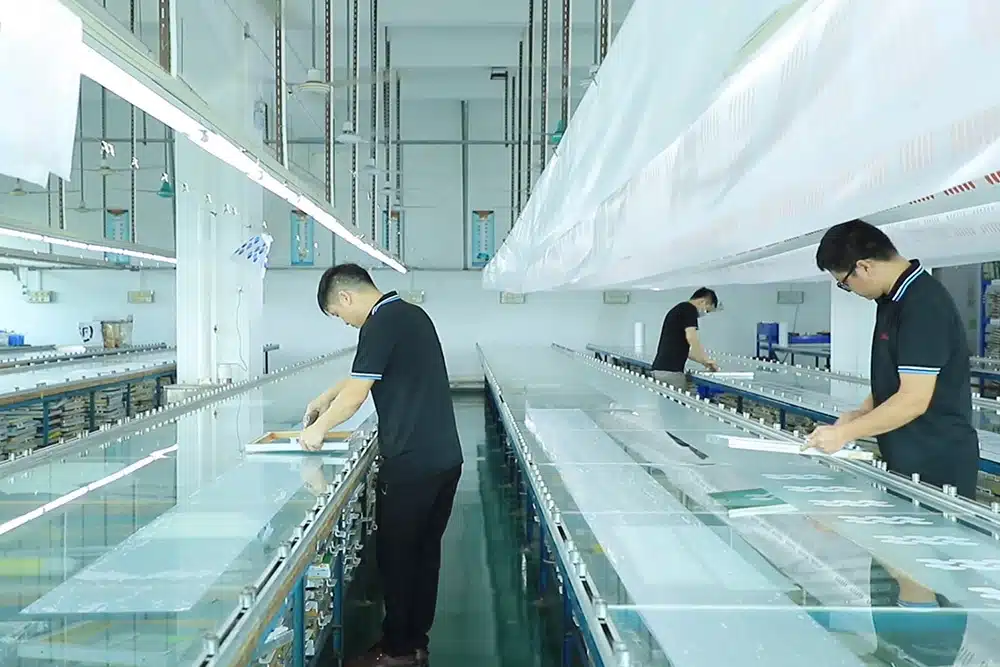
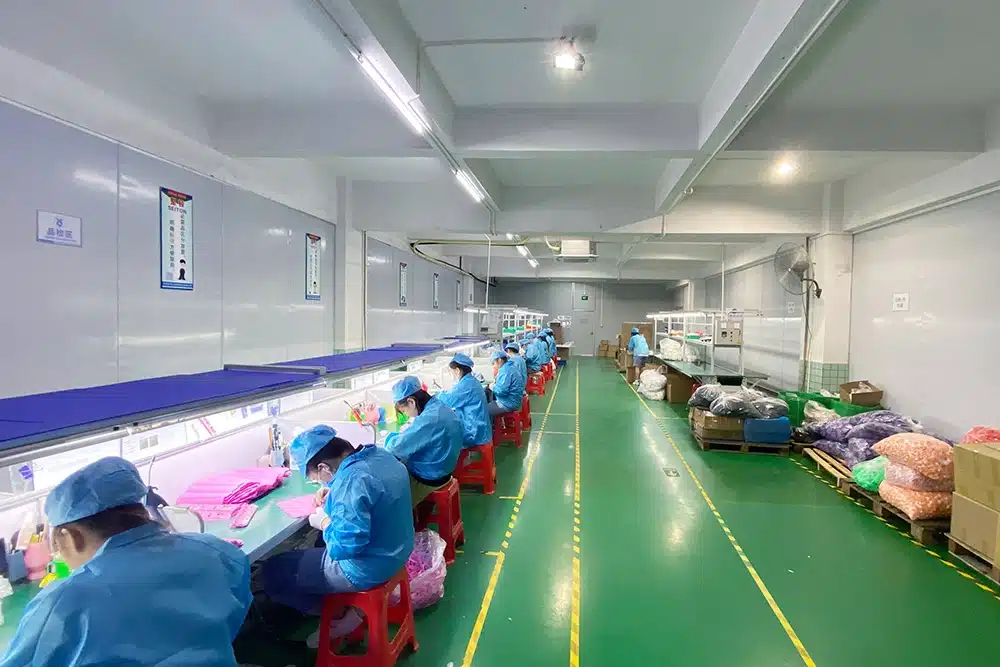
We make product design and structural development, selection and optimization of silicone materials, recommendations for Shore hardness, review of wall thicknesses and cavity structures, mold manufacturing in house, prototype and sample production, compression molding, matching Pantone colors, optional surface finishes (silk screen printing, spray coating, oil finishing, laser engraving), dust-free assembly, and rigorous quality control from the time the mold is inspected, through to the final test. This in-house capability supports the buyer in making the seamless transition from concept to repeatable production.
| Manufacturer Capability | Why It Matters for Custom vs Standard Decisions |
| Project Review | Helps decide whether standard, modified, or custom mold route fits the goal |
| Design Support | Converts product concepts into manufacturable silicone mold designs |
| Material Selection | Matches silicone grade, hardness, color, and application needs |
| In-House Tooling | Supports custom shapes, logo details, and sample revisions |
| Sample Development | Lets buyers test standard or custom options before bulk orders |
| Color Matching | Supports brand colors, seasonal collections, and private-label products |
| Branding Processes | Supports embossed, debossed, printed, engraved, or packaging branding |
| Quality Control | Ensures product dimensions, hardness, color, appearance, and function are checked |
| Packaging Support | Helps turn molds into retail-ready or ecommerce-ready products |
| Export Experience | Supports communication, documentation, carton planning, and shipment |
Final Buyer Checklist: Custom or Standard Silicone Molds?
Final buyer checklist: custom silicone molds or standard silicone molds? Use these questions to draw a picture of your project ‘as is’ and compare it to both routes. Be honest and you will soon find out which road is suitable for your strategy.
| Checklist Question | If Yes, Standard May Fit | If Yes, Custom May Fit |
| Do you need to launch very quickly? | Yes | Only if timeline allows tooling and sampling |
| Is a common shape acceptable? | Yes | No, if differentiation is needed |
| Is your budget limited for tooling? | Yes | Custom may need more upfront investment |
| Do you need a unique product shape? | No | Yes |
| Do you need product-level logo branding? | Limited | Yes |
| Do you need Pantone color matching? | Sometimes | Yes, with sample approval |
| Do you need special material or hardness? | Limited | Yes |
| Is private-label positioning important? | Packaging may help | Stronger fit |
| Is the category highly competitive? | Risk of similarity | Custom helps differentiation |
| Do you expect repeat orders? | Maybe | Custom tooling becomes more valuable |
| Do you need special packaging? | Possible | Stronger coordination with custom product |
| Have you tested physical samples? | Required | Required |
| Are testing requirements clear? | Must confirm | Can be planned from the start |
Conclusion — Choose Based on Strategy, Not Only Price
The choice between custom silicone molds and standard silicone molds is more of a strategic decision than just one of cost. For simple products or fast wholesale expansion, standard silicone molds are perfect for launching faster, testing the market with fewer development efforts, while not requiring a high investment of oxygen. Custom silicone moulds are used to achieve more control over shape, material, colour, logo, packaging and brand differentiation, which is particularly important for private label lines, competitive retail positioning and longterm SKU development.
The best buyers consider the total cost of the tooling, MOQ, lead time, unit price, packing, testing, quality control, market competition and repeat order potential. By matching the mold to the company’s larger objectives, the products created basically are not only effective, but also help spread the company brand message over every time a customer uses them. Regardless of which you choose, stick with the standard or transition to the custom, the important thing is to align the choice with your actual needs and growth curve.