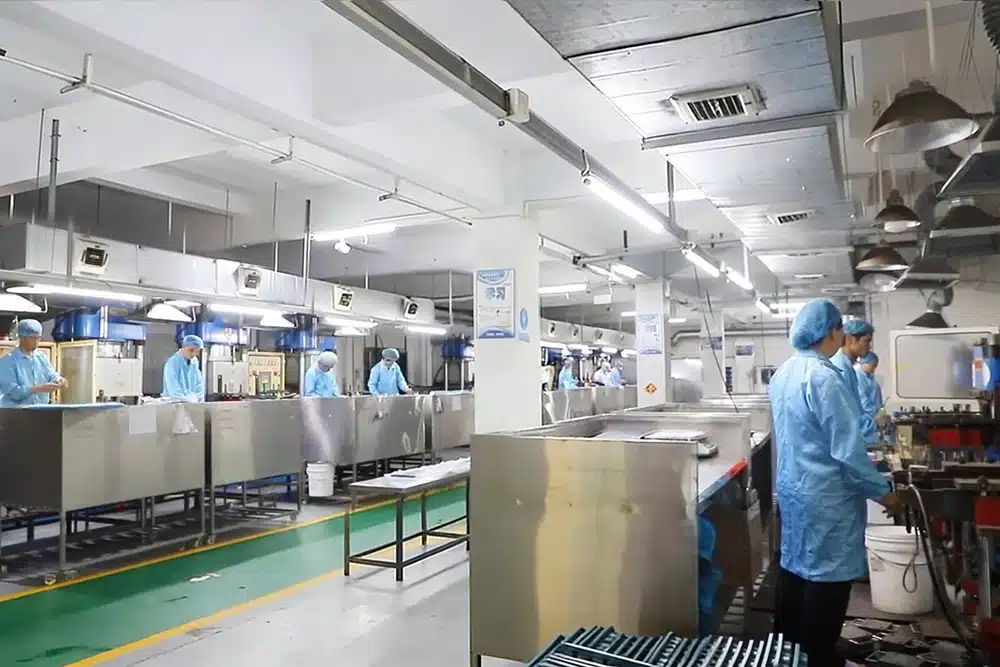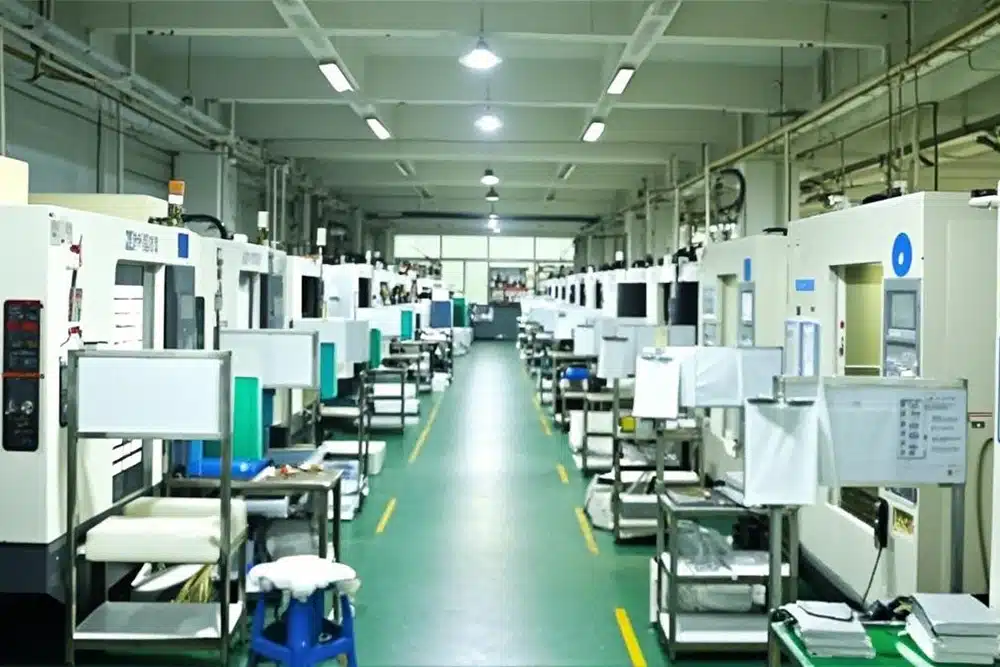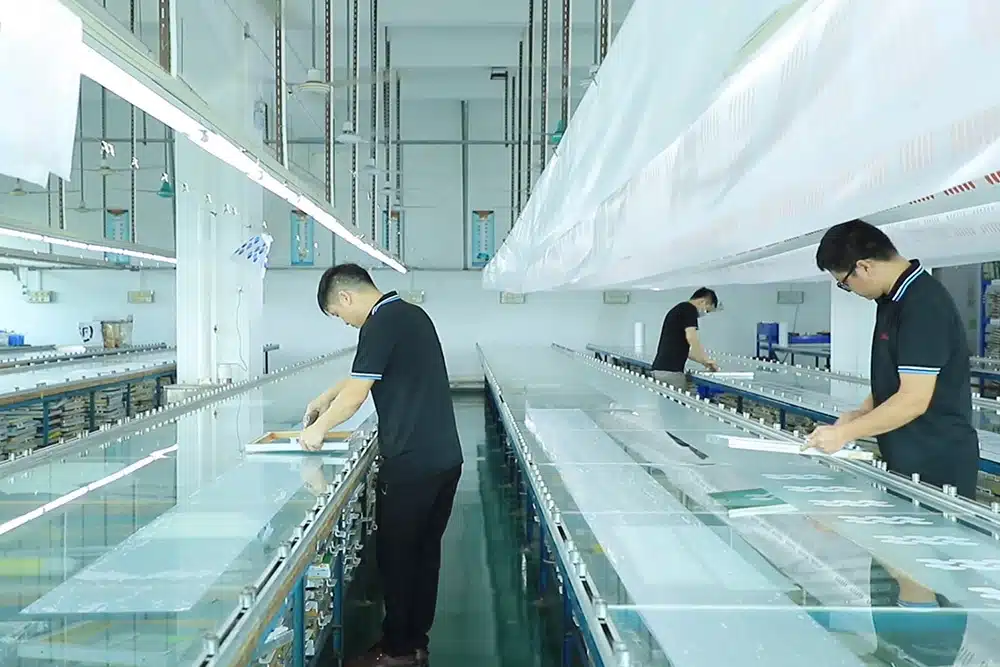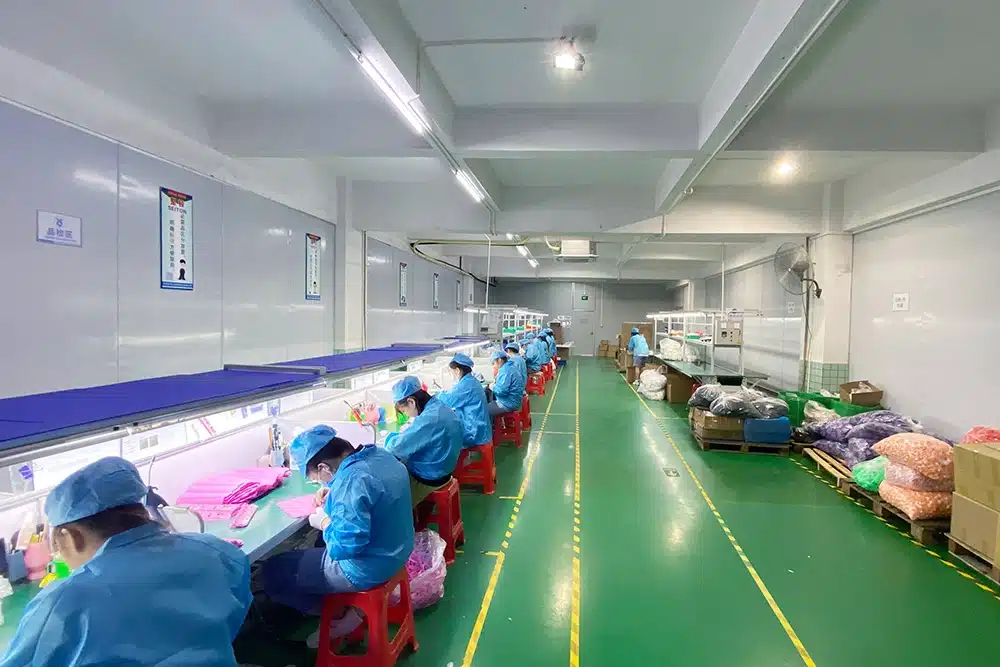

OEM and ODM models may streamline the process of silicone product development by limiting the separation between design, tooling, validation and manufacturing. Product teams do not have to deal with numerous vendors and handoffs, but rather one partner who facilitates the entire process. Assistance in integrated development tends to minimize delays, redesign risks, and communication gaps that tend to derail projects.
Most buyers continue to consider OEM and ODM as sourcing models. They are practical in nature as product development frameworks. OEM and ODM services are usually of the greatest value not in the production outsourcing, but rather in the way they simplify the development process, even prior to the actual production.
What OEM and ODM Mean in Silicone Product Development
OEM and ODM are two different strategies of transforming silicone products of concept to the market. Knowing their definitions assists the teams to implement the appropriate model in their unique needs.
OEM (Original Equipment Manufacturer) can be described as a manufacturing company that manufactures products based on the design and specifications given by the customer. The product design and IP remain with the customer.
ODM (Original Design Manufacturer) is even better: the supplier is involved in product design, engineering, and development and does the manufacturing as well. Customer is able to tailor an existing platform or co-develop a new solution.
| Model | Typical Role | Customer Involvement | Best For |
| OEM | Manufacture to customer design | High | Proprietary product development |
| ODM | Development + manufacturing support | Moderate | Faster product launch |
| Hybrid Approach | Shared development model | Collaborative | Complex projects |

Both models are not necessarily better. The correct decision is based on the objectives of the project, the internal resources, and the time constraint. Numerous silicone product development services are currently providing flexible hybrid structure, which incorporates aspects of both.
To teams seeking solutions on an integrated basis, working with experienced OEM & ODM silicone manufacturing partners can align engineering and production from the earliest stages.
Why OEM & ODM Services Can Accelerate Development
The main benefit of collaborating with a competent OEM or ODM is the fact that there are no additional coordination delays that characterize the conventional development process. The faster feedback loops are achieved when the design, choice of materials, tooling, and production are all housed in a single roof.
Development teams obtain on-the-fly engineering feedback instead of having to wait until individual suppliers have examined files. The time taken to complete the iteration cycles is frequently days as opposed to weeks. Problem solving is real time rather than back and forward emails across time.
| Development Challenge | How OEM/ODM Helps |
| Slow iteration cycles | Faster feedback |
| Supplier coordination gaps | Centralized process |
| Design-to-tooling disconnect | Better integration |
| Launch delays | Streamlined workflow |

The integration can often enhance development efficiency, especially with complex custom silicone parts that demand strict material performance and tolerances.
How OEM Services Support Silicone Product Development
OEM services are optimized in cases where the customers are well endowed in terms of internal design capabilities and desire high control of the end product. The supplier specializes in the transformation of proven designs to reliable and scalable silicone compression molding production.
Design for Manufacturability (DFM) collaboration with detailed material engineering recommendations and seamless prototype-to-production transitions are all the prominent OEM strengths. During the initial phase, engineers assess customer drawings on possible problems, avoiding expensive rework in the future.
| OEM Support Area | Value to Development |
| DFM support | Better manufacturability |
| Material engineering | Performance optimization |
| Tooling collaboration | Production readiness |
| Production scaling | Stable commercialization |
OEM frequently helps with a higher level of control among customers with already developed designs or proprietary technology that they do not want to be compromised.
How ODM Services Can Reduce Time-to-Market
ODM services are the best in situations where speed and lower development load are the most important. Suppliers that possess good ODM capabilities come with existing engineering expertise, material data, and accepted tooling strategies.
Teams do not start at the beginning, but rather they base on platforms. This increases the rate of concept to functional prototype and reduces technical risk of companies having little in-house silicone experience.
| ODM Advantage | Development Impact |
| Existing engineering resources | Faster project start |
| Design support | Reduced complexity |
| Prototype acceleration | Faster validation |
| Integrated production readiness | Shorter launch timeline |
ODM is helpful when development friction reduction is needed, particularly when speed is important such as in consumer goods, kitchenware, or baby care products where speed to market is a competitive edge.
Key Development Stages That Benefit From OEM/ODM Integration
Effective silicone product development can be achieved through a number of stages. OEM and ODM integration value addition is at every stage.
Concept Stage
Early feasibility input assists to check ideas with manufacturing reality.
Engineering Design & Validation
DFM support detects problems prior to major investment.
Material Selection
Application-specific optimization through expert material selection guarantees performance, regulatory compliance and cost efficiency.
Prototyping
The learning cycle will be reduced due to faster validation with in-house capabilities.
Tooling Development
Improved conversion to manufacturing with cooperative tooling development and mold design.
Mass Production Ramp-Up
Stability in production utilizing proven process controls and quality systems.
This provides a more seamless handoff and less surprise.
How OEM & ODM Services Reduce Development Risk
Among the least considered advantages of organized OEM/ODM collaborations is risk reduction. Early engineering participation identifies problems in the design that may end up being costly in terms of altering equipment.
| Development Risk | OEM/ODM Mitigation |
| Design issues | Engineering support |
| Tooling rework | Better front-end planning |
| Delays | Integrated coordination |
| Production instability | Process alignment |
Teams have better repeatability and predictable results when manufacturability and process capability are considered at an early stage.
Choosing Between OEM and ODM for Your Project
The OEM or ODM choice must be based on the clear project priorities and not on the industry trends.
| Project Priority | Better Fit |
| Full design ownership | OEM |
| Faster launch | ODM |
| Proprietary product IP | OEM |
| Lower development burden | ODM |
| Complex collaborative project | Hybrid |
The main criteria of decisions are:
- Intellectual property considerations
- Available timeline
- Internal engineering resources
- Complexity of products and technical needs.
- Expected production scale
OEM is favored by teams with strong design teams and unique IP. Firms that require quick turnaround or those that do not possess strong silicone skills incline towards ODM or hybrid designs.
Common Mistakes Companies Make When Using OEM or ODM Models
OEM and ODM relationships are plagued by a number of common pitfalls:
- Selecting the model without considering the unit price in terms of total development cost and timeline effects.
- ODM is assumed to imply limited customization (ODM partners frequently provide a lot of customization).
- This underestimation of the role of the supplier in engineering and the inability to involve the supplier in the initial stages.
- Taking OEM ties as purely transactional production handoffs.
Failure to clearly define development responsibilities, deliverables and timelines in the contract.
Why Supplier Development Capability Matters as Much as Manufacturing Capability
Strict capacity of production does not provide an assurance of developing silicone products. Projects are usually more dependent on development capability than on the number of machines or the size of the facility.
| Capability Area | Why It Matters |
| Engineering Support | Better development outcomes |
| DFM Expertise | Lower risk |
| Tooling Capability | Production readiness |
| Process Control | Repeatability |
| Scale Support | Long-term stability |

Seasoned partners are responsive in prototyping, inventive in tooling, and disciplined in process control in scale-up. These are what make the difference between average suppliers and development partners.
Conclusion — OEM & ODM Value Lies in Streamlining Development, Not Just Production
OEM and ODM services have the potential of being full development models and not mere sourcing models. This includes support for custom silicone molds and complete product realization from concept to scale. Their greatest worth is frequently shown in lower production costs between initial concepts and scalability.
Mobile silicone product development requires fewer considerations around the label label (OEM or ODM) and more about finding the appropriate development model that matches the engineering support, tooling knowledge, and manufacturing capacity to the priority of the project and internal capabilities. Strategic entry by teams into such partnerships is of great benefit in terms of speed, risk management and end product quality.