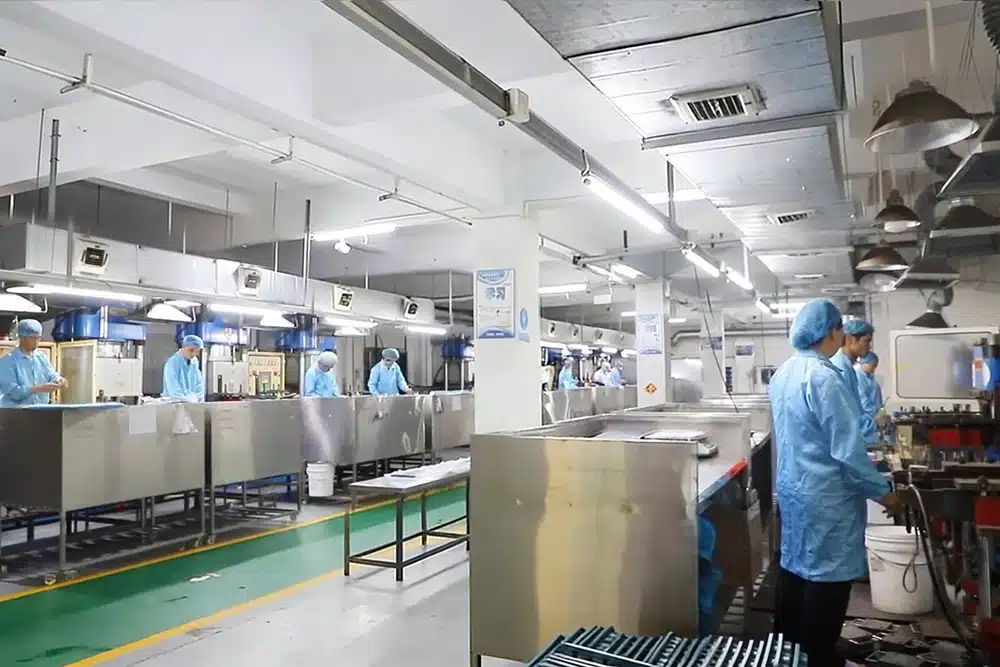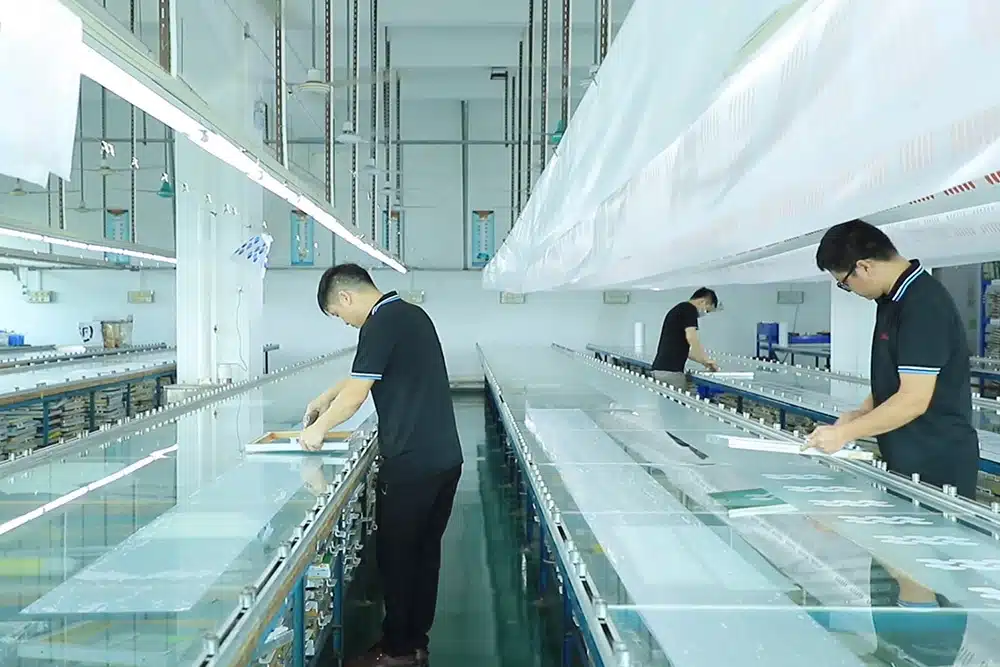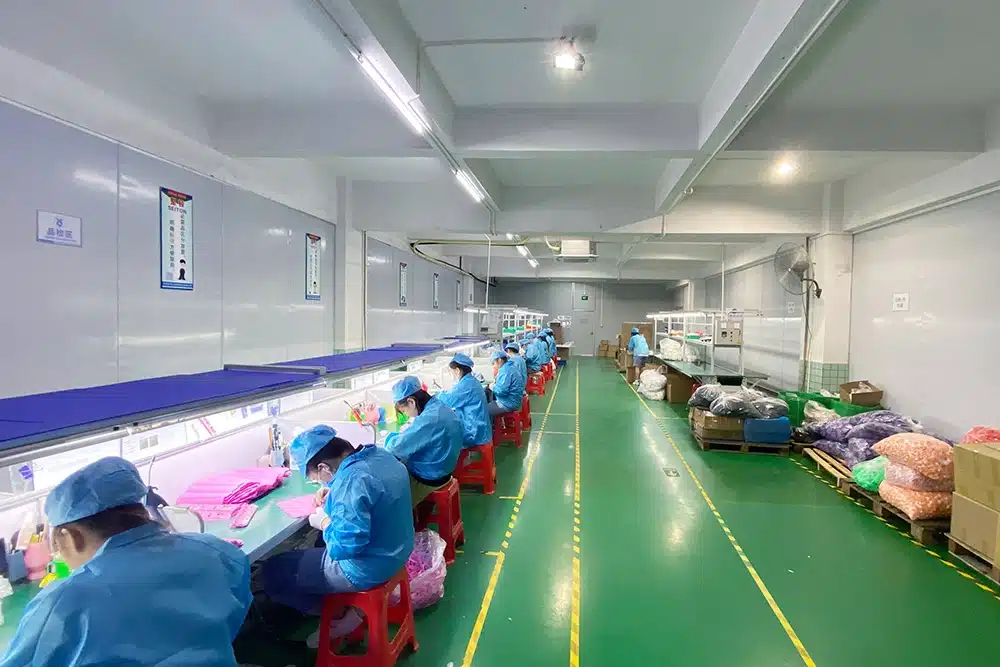

The quality of custom silicone mold should be inspected in sample inspection, material verification, dimension check, hardness test, appearance check, cavity detail check, odor check, release test, application test, packaging fit test, and final approval. Each of the functional tests is necessary for each type of mold, such as baking molds, candy molds, chocolate molds, soap molds, ice cube trays, beverage molds, and DIY molds, due to the unique demands they put on the material and design.
The buyers may accept the silicone mold samples only by color and surface appearance, but as soon as functional testing is performed, there may be some problem in silicone mold that cannot be detected in the sample molding, such as: the hardness is wrong, the mold is not released, the wall thickness is not enough, the cavity size is off, the odor, the deformation of the mold package, and the poor performance in use. The appearance and function of custom silicone mold quality should be approved, as material, hardness, cavity design, wall thickness, demoulding, smell, packing, real use performance, etc., all have a significant effect on the final user satisfaction. Buyers can learn the suitability of silicone molding materials, dimensional accuracy, hardness, cavity details, release performance of the silicone moulding, appearance, odor, packaging fit, and real use performance of silicone moulding products through the testing of the custom silicon moulding before the actual mass production of the moulding products. The sample must be not only visually correct, but also be functional under intended use conditions.
Quick Answer: What Should You Test Before Mass Production?
Before production, buyers should test custom silicone mold quality before mass production to ensure that the product has undergone the following tests: Material grade test, Shore hardness test, Dimension and cavity size test, Wall thickness test, Colour consistency test, Odour test, Surface appearance test, Flash & edge test, Logo or texture detail test, Demoulding & release test, Real use test, Packaging fit test, Test requirements or documenting test, Signed sample test approval. Do not accept samples for approval by visual assessment alone. There are various methods of testing for different product applications. Pre-production testing avoids tooling errors, product defects, variation in product batches, and customer complaints. Only after the sample, the material, colour, hardness, function and packaging are approved, mass production can be started.
For buyers preparing baking, candy, soap, ice, beverage, or DIY mold projects, quality-controlled silicone mold production should start with clear sample inspection, functionality testing and approval criteria beforehand before going into bulk production.
| Quality Check | What Buyers Should Confirm |
| Material Grade | Whether the silicone material matches the product application |
| Shore Hardness | Whether the mold feels and performs as approved |
| Dimensions | Whether overall size, cavity size, and wall thickness match drawings or samples |
| Cavity Details | Whether logos, patterns, textures, and shapes are clear |
| Color | Whether the sample matches Pantone, reference sample, or approved color |
| Odor | Whether odor is acceptable for the intended application |
| Surface Appearance | Whether there are bubbles, stains, deformation, flash, or defects |
| Release Performance | Whether the finished product can be removed smoothly |
| Application Testing | Whether the mold performs during baking, freezing, soap release, candy release, or DIY use |
| Packaging Fit | Whether the product fits retail, ecommerce, or bulk packaging correctly |
| Documentation | Whether testing or reports are required before mass production |
| Approval Standard | Whether all sample approval criteria are clearly recorded |
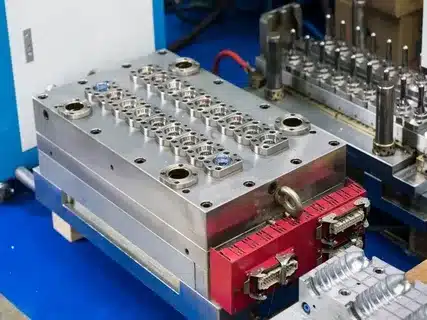
Why Pre-Production Quality Testing Matters
Pre-production quality testing is not a “nice to have” that can be rushed or forgoed; it is particularly important for any custom silicone mold project as it serves as an integral risk control measure.
It avoids the introduction of the incorrect material to mass production, verifies the design and tooling accuracy, minimises the risk of sample revisions, helps to uncover defects in the product before entering bulk production, ensures the batch uniformity, safeguards brand reputation, reduces customer complaints and returns, helps to confirm packaging and retail readiness, and provides clear approval criteria for future orders.
| Pre-Production Testing Benefit | Practical Value for Buyers |
| Confirms Material Suitability | Reduces risk of wrong silicone grade or performance mismatch |
| Verifies Tooling Accuracy | Confirms cavity size, shape, logo, and surface details |
| Reduces Bulk Defects | Problems are easier to correct before mass production |
| Improves Product Consistency | Approved samples become the reference for bulk inspection |
| Protects Brand Reputation | Helps avoid poor reviews, returns, or customer complaints |
| Supports Retail Readiness | Confirms packaging fit, label accuracy, and presentation |
| Clarifies Acceptance Criteria | Gives both buyer and manufacturer a shared quality standard |
Material Verification: Is the Right Silicone Being Used?
The first and most important quality test in custom silicone mold testing is material verification, as the silicone material directly influences the performance, safety expectations, odor, durability and costs. Proper silicone material selection is the foundation of a successful mold project.
First, check the silicone grade appropriate for the intended purpose: food grade for baking or making candy molds, general grade for industrial or promotional use. Look at the curing system (platinum cured or peroxide cured), consistency of the pigments or colorants, temperature that the item needs to be baked or stored in the freezer, odor for consumer products and any required testing or documentation for target markets. In addition, approved material documentation aid in the consistency of the batch during mass production.
| Material Check Item | Why It Matters |
| Silicone Grade | Confirms whether the material fits food-contact, non-food, or industrial use |
| Curing System | May affect odor, appearance, and performance expectations |
| Pigments / Colorants | Important for color consistency and application suitability |
| Temperature Range | Baking, freezer, or high-temperature use may require specific material review |
| Odor Requirement | Important for food, beverage, baby, personal care, or retail products |
| Testing Requirement | FDA, LFGB, or retailer testing may be needed depending on target market to meet international quality standards. |
| Material Documentation | Helps buyers confirm material or finished product requirements |
| Batch Consistency | Ensures the same approved material is used during mass production |
Dimensional Inspection: Size, Cavity Layout and Wall Thickness
With dimensional inspection, the sample is checked for conformance to the drawing, CAD file and/or approved reference sample which cannot be determined by visual inspection alone. This step is especially important in custom silicone mold manufacturing to verify tooling accuracy.
Calculate overall length, width and height and then verify all the cavity size, depths, numbers and spacing. Specific attention should be given to wall thickness, rim or support structures, or accessory or lid fit and to any critical dimensions that may influence packaging or function. Variability should also be checked for tolerance requirements to avoid production variability.
| Dimension Check | What It Helps Prevent |
| Overall Size | Packaging mismatch, poor handling, or incorrect product size |
| Cavity Size | Finished product inconsistency or wrong output size |
| Cavity Depth | Poor release, wrong product volume, or difficult cleaning |
| Cavity Spacing | Weak structure, cleaning difficulty, or inconsistent use |
| Wall Thickness | Deformation, tearing, poor support, or excessive material cost |
| Support Rim | Weak handling or collapse during use |
| Lid Fit | Leakage, loose fit, or poor user experience |
| Critical Dimensions | Assembly, packaging, or functional problems |
| Tolerance Check | Variation between sample and required specification |
Shore Hardness Testing: Does the Mold Feel and Perform Correctly?
In custom silicone molds, Shore hardness testing plays a critical role in determining the flexibility, support, release properties, and user experience.
Confirm material to Shore A hardness specification using Shore A durometer. There are softer silicone and firmer grades, and softer silicone is easier to demould, but may not have good shape retention; whereas, firmer silicone grades have good shape retention but may be more difficult to demould. Test and match the sample feel and performance with the reference, and ensure that hardness will be consistent for production batches.
| Hardness Check | Why It Matters |
| Shore A Measurement | Confirms whether the material matches the approved hardness |
| Flexibility | Affects bending, pushing, and demolding |
| Shape Support | Helps the mold hold its form during filling or handling |
| Release Performance | Determines whether products come out smoothly |
| User Feel | Affects customer perception and product usability |
| Hardness Consistency | Prevents batch-to-batch variation in mass production |
| Comparison Sample | Helps confirm that bulk products match the approved sample |
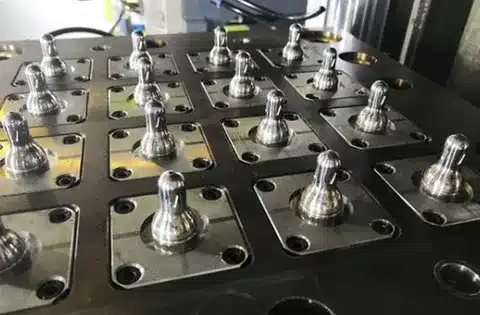
Appearance Inspection: Surface, Flash, Color and Logo Details
Appearance inspection is important since it plays a role in the perception of the customer and in the readiness for retail, but should always be addressed in conjunction with function.
Pay attention to surface smoothness, bubbles, stains, deformation, flash, rough edges, color consistency, logo clarity, pattern, and texture quality, parting line appearance, and overall cleanliness. Any flaw that occurs in a specimen can be very pronounced when thousands of units go to the market.
| Appearance Check | Possible Problem If Ignored |
| Surface Smoothness | Poor visual quality or difficult cleaning |
| Bubbles | Weak appearance or possible structural issues |
| Stains / Dirt | Poor retail presentation or cleanliness concern |
| Flash | Rough edges, poor handling, or extra trimming needed |
| Deformation | Poor shape stability and packaging issues |
| Color Consistency | Mismatch between approved sample and bulk order |
| Logo Clarity | Weak branding or unclear product identity |
| Texture Detail | Poor visual effect or inconsistent appearance |
| Parting Line | Visible edges or flash-prone areas |
| Cleanliness | Poor customer perception and packaging risk |
Functional Testing: Does the Mold Work in Real Use?
Reliability during use is more significant than appearance in functional testing because the mold must function reliably during use.
Do demoulding tests, bending and recovery tests, filled-use tests (for relevant products), baking or freezer tests (for relevant products), candy or chocolate release tests, soap release tests, DIY craft tests, cleaning tests, lid or accessory fit tests and packaging deformation tests. However, you can’t be sure of going to mass production until the mold passes these real-world simulations.
| Functional Test | What It Confirms |
| Demolding Test | Whether products release smoothly without tearing or deformation |
| Bending Recovery Test | Whether the mold returns to shape after bending |
| Filled-Use Test | Whether the mold holds shape when filled |
| Baking Test | Whether baking molds maintain support under intended oven-use conditions |
| Freezer Test | Whether ice trays or beverage molds stay flexible after freezing |
| Candy / Chocolate Release Test | Whether small or delicate cavities release cleanly |
| Soap Release Test | Whether soap edges, logos, or textures remain intact |
| DIY Craft Test | Whether resin, clay, or craft materials release properly |
| Cleaning Test | Whether cavities, textures, and corners are easy to clean |
| Lid / Accessory Test | Whether lids, handles, or inserts fit correctly |
| Packaging Deformation Test | Whether the product remains stable in packaging |
Application-Specific Quality Tests by Product Type
Silicone molds come in various types and have varying testing priorities due to the specific stresses placed on the material and design by the end use. This is particularly relevant when developing custom silicone molds for baking, candy, soap, or other applications.
Baking molds require heat and structural testing, and ice cube trays look at freezer adaptability and release. Correspondence of the right tests to the type of product results in no surprises after mass production.
| Product Type | Key Quality Tests Before Mass Production |
| Baking Molds | Heat-use review, support structure, demolding, odor, wall thickness |
| Candy Molds | Cavity detail, release, surface finish, food-contact material review |
| Chocolate Molds | Smooth release, fine detail, surface quality, color and odor review |
| Gummy Molds | Small cavity accuracy, flexible release, cleaning convenience |
| Soap Molds | Cavity depth, texture clarity, release performance, wall stability |
| Ice Cube Trays | Freezer flexibility, push-out release, lid fit, odor, cavity spacing |
| Beverage Molds | Food-contact material, lid/accessory fit, freezer or use testing |
| Popsicle Molds | Handle fit, lid fit, cavity support, cleaning, release performance |
| DIY Craft Molds | Tear resistance, detail accuracy, compatibility review, demolding |
| Promotional Molds | Logo clarity, color matching, packaging fit, appearance consistency |
Packaging and Label Inspection Before Mass Production
Prior to embarking on bulk production, the packaging should be evaluated for its impact on retail readiness, ecommerce presentation and shipping protection.
Check product fit in packaging, dimension of color box or kraft box, size of polybag, label accuracy, barcode and SKU label, instruction cards, product insert, retail display requirement, carton packing, packaging deformation, and cleanliness. Even if the mold is perfect, if it is not properly presented or protected by packaging, it will not be successful in the marketplace.
| Packaging Check | Why It Matters |
| Product Fit | Prevents deformation, tight packing, or poor presentation |
| Box Size | Affects retail appearance and shipping volume |
| Label Accuracy | Prevents SKU, barcode, or compliance labeling mistakes |
| Instruction Card | Helps users understand product use and care |
| Insert / Tray Fit | Supports gift sets or retail product organization |
| Carton Packing | Protects products during export shipment |
| Packaging Cleanliness | Important for consumer and food-related silicone products |
| Packaging Durability | Reduces risk of damage during storage and transport |
| Private-Label Presentation | Supports brand consistency and customer trust |
Pre-Production Approval Checklist for Buyers
Use this practical buyer checklist before approving mass production to make sure nothing has been overlooked.
| Approval Item | Approved? |
| Material grade confirmed | Yes / No |
| Shore hardness approved | Yes / No |
| Dimensions and cavity size approved | Yes / No |
| Wall thickness approved | Yes / No |
| Color sample approved | Yes / No |
| Logo, texture, or pattern approved | Yes / No |
| Surface appearance approved | Yes / No |
| Odor reviewed and accepted | Yes / No |
| Demolding and release tested | Yes / No |
| Application test completed | Yes / No |
| Packaging fit confirmed | Yes / No |
| Testing or documentation requirements confirmed | Yes / No |
| Final approved sample signed or recorded | Yes / No |
| Mass production inspection criteria agreed | Yes / No |
Common Quality Problems Found During Sample Testing
Being aware of what the most common quality problems are that occur during sample testing allows the buyer to identify problems as early as possible and prevent expensive corrections later on.
These problems include wrong hardness, wrong color, strong odor, surface bubbles, flash, stains, deformation, poor release, weak wall thickness, unclear logo, incorrect cavity size, lid fit and packaging mismatch, and can be identified and rectified at affordable cost.
| Quality Problem | Possible Cause | Better Action Before Mass Production |
| Wrong Hardness | Incorrect material selection or batch setting | Reconfirm Shore A hardness and sample feel |
| Color Mismatch | Pigment or color matching issue | Approve physical color sample before bulk production |
| Strong Odor | Material, curing, or post-curing issue | Review material and curing process |
| Surface Bubbles | Process instability or trapped air | Adjust molding parameters or tooling venting |
| Flash | Mold fit, parting line, or trimming issue | Improve tooling or trimming standard |
| Deformation | Wall thickness, hardness, or demolding issue | Review structure and material |
| Poor Release | Deep cavity, sharp corners, or unsuitable hardness | Adjust radius, hardness, or cavity design |
| Unclear Logo | Logo too small, shallow, or poorly positioned | Modify logo size, depth, or tooling detail |
| Lid Fit Issue | Dimensional or material flexibility problem | Test lid and tray together before production |
| Packaging Mismatch | Product size not checked against packaging | Confirm packaging fit before bulk packing |
How Manufacturers Control Quality During Mass Production
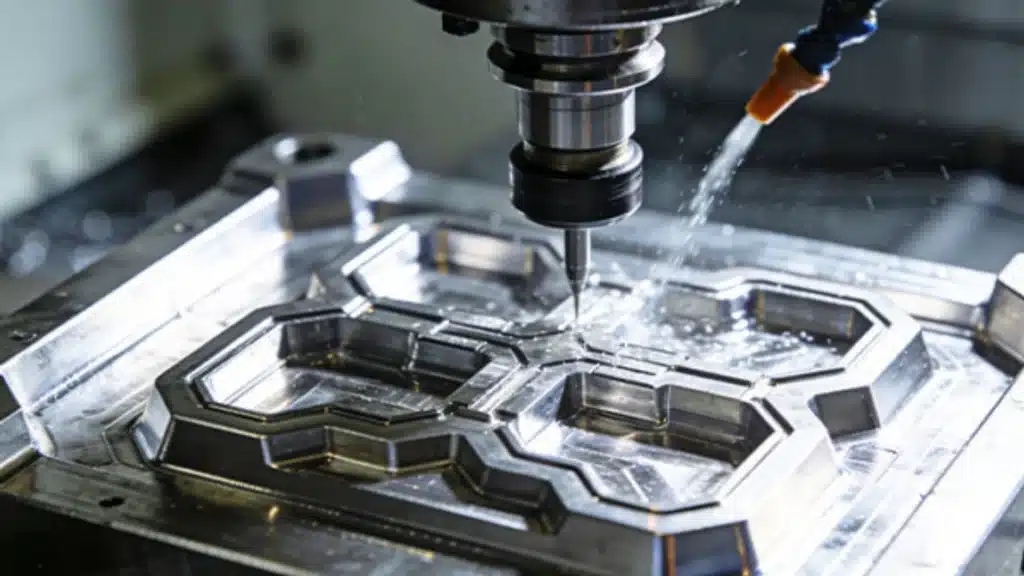
The inspection criterion for bulk production should be pre-production tests, with approved samples to be used as a reference for all future inspections.
The manufacturing process is systematic and consists of raw material inspection, colour matching, in-process inspection, hardness testing, dimension inspection, appearance inspection, functional sampling, defect tracking, packaging inspection, batch consistency verification and final quality reporting (as required).
| Mass Production QC Step | What It Controls |
| Approved Sample Reference | Ensures bulk products match confirmed sample |
| Raw Material Inspection | Confirms correct silicone material is used |
| Color Matching | Reduces batch color variation |
| In-Process Inspection | Catches defects during production |
| Hardness Testing | Confirms stable material performance |
| Dimension Inspection | Checks cavity and product size consistency |
| Appearance Inspection | Controls flash, bubbles, stains, and deformation |
| Functional Sampling | Confirms release, flexibility, and use performance |
| Defect Tracking | Identifies repeated problems early |
| Packaging Inspection | Ensures labels, boxes, and packing are correct |
| Final Inspection | Confirms products are ready before shipment |
Common Mistakes Buyers Should Avoid Before Mass Production
By steering clear of these common mistakes that often show up in custom silicone mold purchases, buyers can minimize many of the quality risks associated with purchasing custom silicone molds.
| Common Mistake | Better Approach |
| Approving samples only by photos | Inspect physical samples before mass production |
| Skipping functional testing | Test release, bending, filling, baking, freezing, or product-specific use |
| Not checking hardness | Confirm Shore A hardness and sample feel |
| Ignoring real-use conditions | Test the product in the intended application |
| Ignoring odor | Review odor during sample approval |
| Forgetting packaging fit | Check packaging before bulk order approval |
| No acceptance criteria | Define material, size, appearance, function, and packaging standards |
| Changing specs after production starts | Lock specifications before mass production |
| No approved sample reference | Keep a signed or recorded golden sample |
| Rushing production | Approve samples and QC standards first |
How to Choose a Manufacturer for Quality-Controlled Silicone Mold Production
When choosing a quality-controlled silicone mold manufacturer, buyers should consider a manufacturer’s QC process, rather than the price or the appearance of the samples. Partnering with an experienced provider of OEM & ODM silicone manufacturing ensures strong quality systems from the start.
Find a silicone product manufacturer that has experience in OEM/ODM silicone products, mold manufacturing capability, product design and structural development, has been optimized the silicone material, knows how to recommend the Shore hardness of silicone products, has a prototype and sample production workshop, can construct silicone compression molding, has a raw material inspection process, has a production process quality control system, has a final product testing system, has a dust-free assembly machine, has a silk screen printing, spray coating, oil finishing, laser engraving finishing process. These features assist in achieving the quality of custom silicone molds from the first sample to the full production runs.
| Manufacturer Capability | Why It Matters for Quality Control |
| Material Selection Support | Helps match silicone grade, hardness, and performance to the application |
| In-House Tooling | Improves control over cavity accuracy and mold revisions |
| Sample Development | Allows buyers to test function, appearance, hardness, and packaging |
| Raw Material Inspection | Helps prevent wrong material or inconsistent batches |
| In-Process QC | Catches defects before final inspection |
| Hardness and Dimension Checks | Confirms key performance and size requirements |
| Functional Testing Support | Helps verify baking, freezing, release, or application performance |
| Clean Assembly and Packaging | Supports better handling for consumer and food-related products |
| Final Product Inspection | Reduces shipment risk before delivery |
| Export Experience | Supports communication, documentation, and international project handling |
Conclusion — Quality Testing Should Happen Before Bulk Production Starts
One of the best methods of minimizing the risk of bulk orders is to test silicone mold quality before the bulk order is produced. A secure approval process should verify the material, hardness, dimensions, cavity design, release performance, odor, real-use function, packaging and inspection standards, in addition to verifying color and appearance. These aspects can be agreed upon with the buyer and manufacturer before production begins, and the final product will be more likely to meet the market’s specifications, if it is at all possible.
Each type of silicone mold product needs to undergo various tests to be approved, but all the process is the same: appearance and function. The approved sample is then used as a reference sample for mass production. This process is assisted by a qualified manufacturer with material review, tooling control, sample test, in-process QC, final inspection and packaging checks. Evaluating a supplier’s full silicone manufacturing capabilities is essential for long-term success.Spending time on pre-production testing is a time and budget saver, and it’s good for your brand reputation.