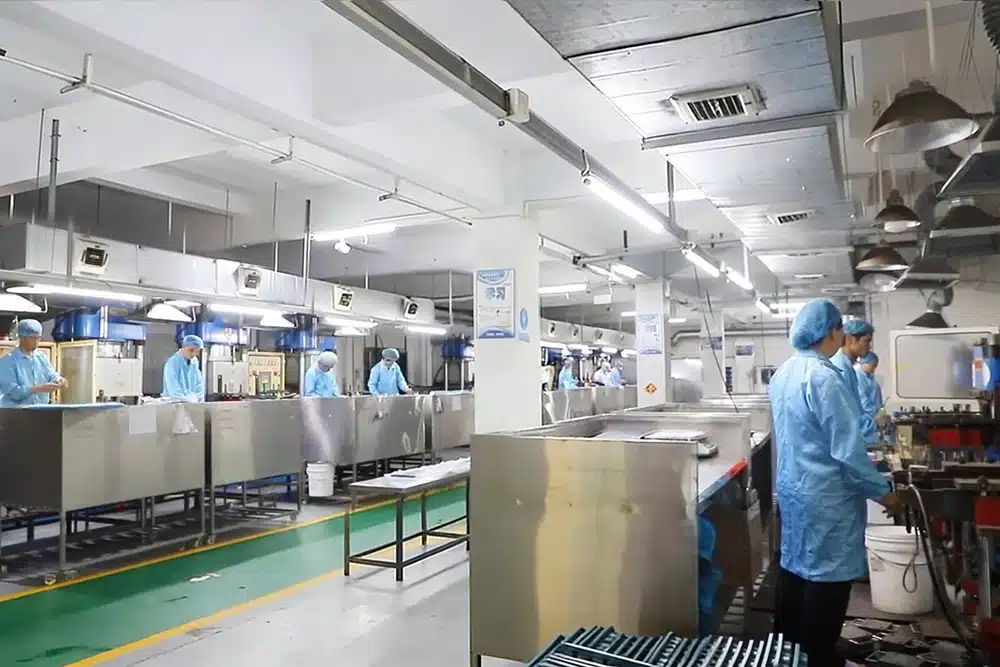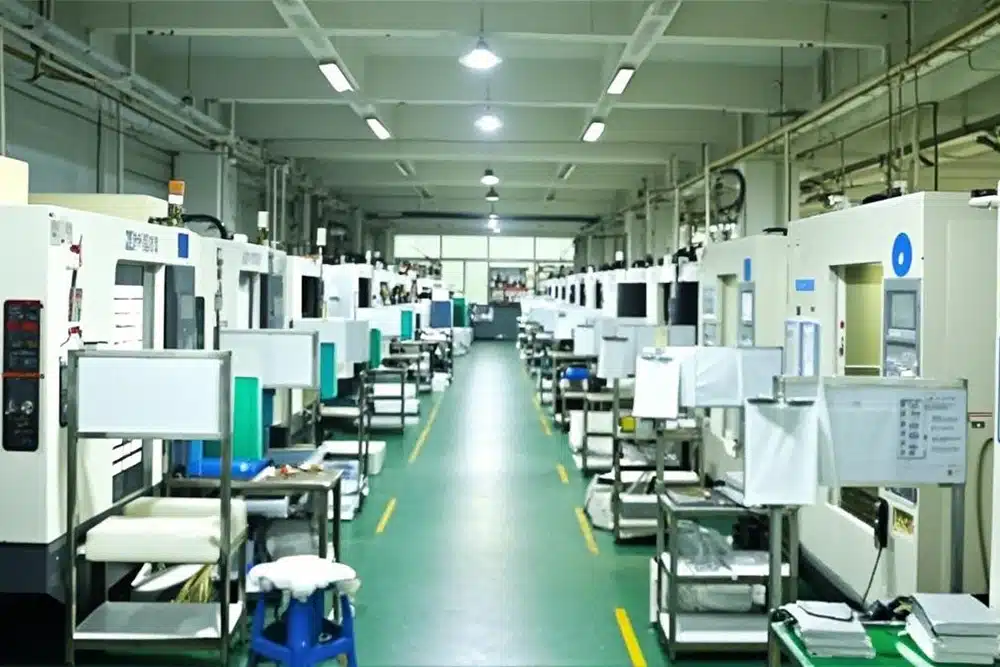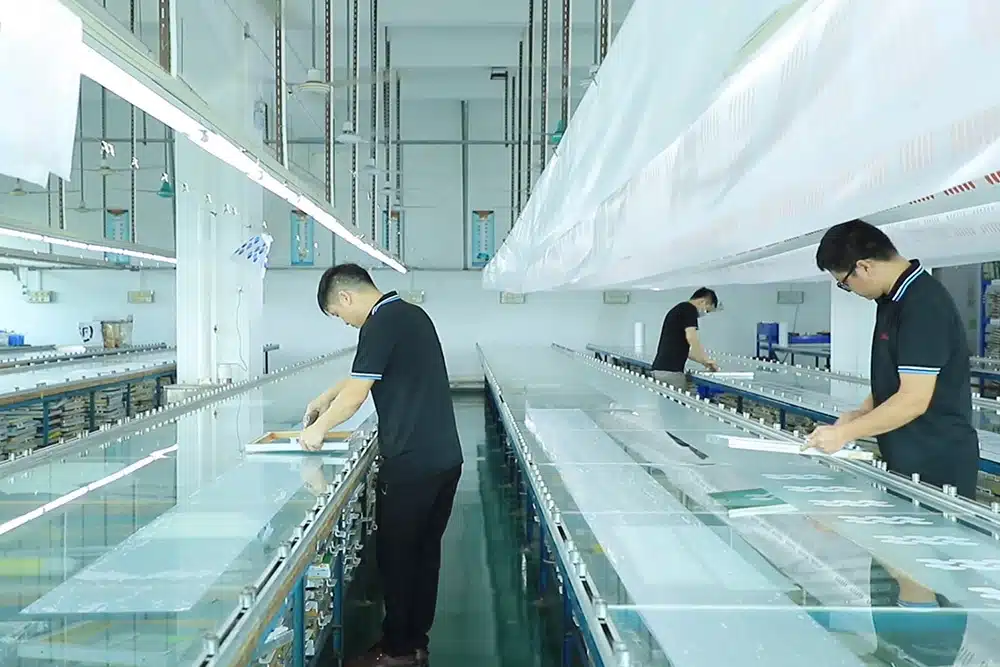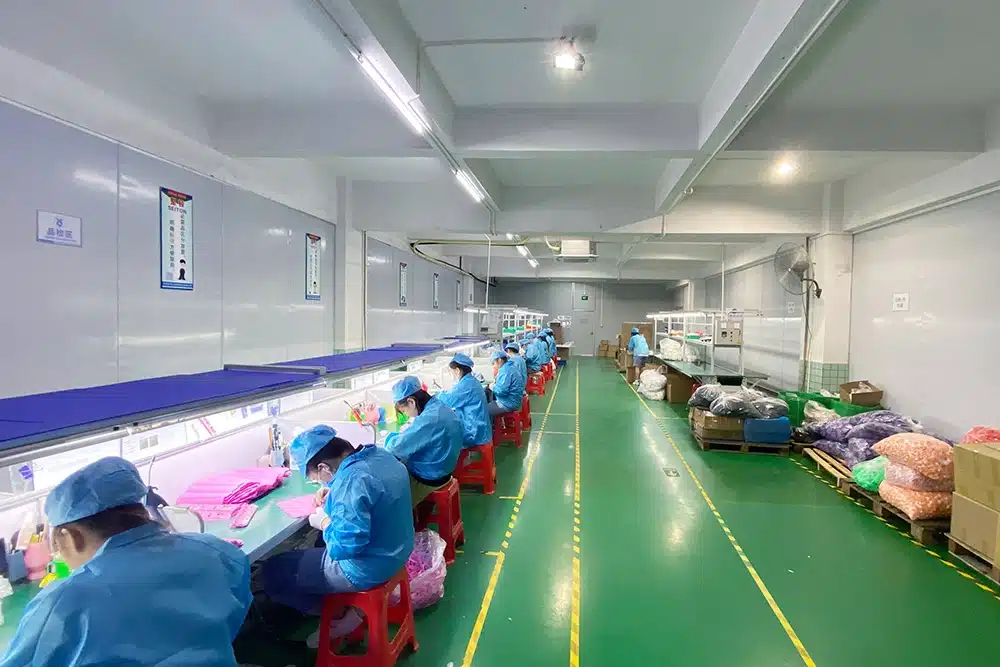

Silicone compression molding is an established manufacturing technology that is employed to make high-precision and durable custom silicone components. A pre-cast silicone material is put in an open and heated cavity of a mold. The mould is then closed with controlled pressure and heat and it forms and cures the material to its shape. Our silicone compression molding capabilities deliver consistent results for demanding OEM projects.
It is not merely a matter of pressing silicone rubber. It requires the accuracy of temperature, pressure, and time. Silicone compression molding is high-quality material or product selection, mold design, and process control that guarantee durable, functional, and consistent custom silicone components.
I have over fifteen years of experience in supporting OEM projects, and have observed that this approach can be a sure thing when properly implemented. Silicone compression molding can usually be the strategic solution when engineers and procurement teams consider manufacturing alternatives, silicone compression molding often proves to be the strategic choice for medium-to-high volume production of complex components.
Key Advantages of Silicone Compression Molding
The silicone compression molding is unique among silicone manufacturing processes, as it provides an outstanding balance of accuracy, cost-effectiveness, and flexibility in both OEM and ODM.
The process gives excellent dimensional accuracy and repeatability between production batches. It is especially cost-effective when medium-to-high volume production is involved, as tooling costs are still less than those of injection molding but can provide high part consistency. It has the capability to deal with thick cross-sections and complex geometries that make it unique and the resulting components are more durable and thermally stable even under harsh conditions.
| Advantage | Benefit for OEM Parts |
| Dimensional accuracy | Ensures parts fit perfectly in assemblies |
| Material versatility | Works with standard, high-temp, and food-grade silicone |
| Surface quality | Reduces post-processing requirements |
| Production efficiency | Suitable for medium-to-high volume runs |

These benefits make silicone compression molding a viable choice in cases where product developers are required to have reliable performance without unnecessary secondary operations or overinflated tooling budgets.
Why Precision and Repeatability Matter in Production
In practice, in OEM projects, the difference in the thickness of the wall or the quality of the surface can cause a failure in the assembly or problems in the field. The controlled flow and curing in compression molding reduce these risks, and engineers are sure that each batch will act in the same way.
Step-by-Step Silicone Compression Molding Process
Effective silicone compression molding process requires attention to detail in each step of a highly controlled process.
The entire process involves the preparation of materials, preforming, molding, curing, demolding and secondary finishing. Each step has direct effect on the end part quality and stability and performance.
| Step | Description |
| Material Preparation | Silicone compound selection and inspection |
| Preforming | Cut or shape silicone into blanks |
| Compression Molding | Place silicone in mold and apply heat & pressure |
| Curing | Solidifies silicone, achieving desired properties |
| Demolding | Remove finished parts from mold |
| Secondary Finishing | Printing, laser engraving, trimming, inspection |
Material Preparation and Preforming
The choice of the appropriate compound and the development of uniform blanks is the basis of the whole process. Effective preforming helps eliminate material waste and avoids trapping of air during the compression process which is known to be a major cause of defects.
Curing and Demolding Considerations
Cure time and temperature should be set to the grade of silicone to be used. The over-curing or under-curing may worsen mechanical properties. Proper control of process parameters is critical for optimal outcomes. Mold release and handling of parts must be carefully done in the demolding process to maintain the surface quality prior to commencing secondary operations.
Materials and Design Considerations
The choice of material and the design of the mold are the most important factors in determining the success of any silicone compression molding project.
Engineers need to align the silicone grade to the final environment. Process parameters (pressure and cycle time) are also defined by part geometry, wall thickness, and desired functionality. When such relationships are neglected, the results of the field or premature failure may be erratic.
| Material Type | Ideal Use | Key Consideration |
| Standard Silicone | General OEM parts | Cost-effective and versatile |
| High-Temp Silicone | Automotive/Industrial | Heat resistance |
| Food-Grade Silicone | Kitchenware, Pet Products | Safety certifications |
The knowledgeable manufacturers, who possess highly developed capabilities of compression molding with HT Silicone, can help clients make such decisions, and the resulting custom silicone components are both performance and regulatory compliant.
Compression Molding vs Other Silicone Molding Methods
The choice of silicone molding technique is extremely dependent on the geometry of the parts, volume of production and performance expectations. See our detailed comparison of compression molding vs other silicone molding methods.
Silicone compression molding can often provide distinct benefits over liquid silicone rubber injection molding and transfer molding, particularly where thicker portions or shapes are needed.
| Method | Best Use Case | Advantages | Limitations |
| Compression Molding | Thick or complex parts | Durable, precise, lower tooling cost | Slower for very small parts |
| Injection Molding | Small intricate parts | Fast, high detail | Higher tooling cost |
| Transfer Molding | Moderate complexity | Good for electronics seals | Less suitable for thick parts |
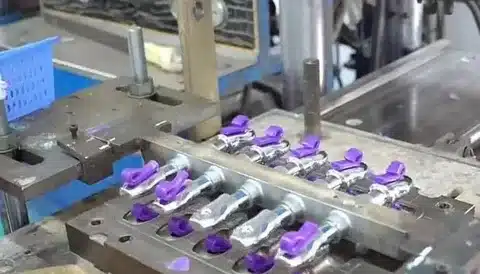
Compression molding is the most balanced and viable option in many OEM silicone parts that are sensitive to durability and repeatability.
Applications Across Industries
Silicone compression molding is used across a wide range of sectors due to its capability to create stable, flexible and chemically impervious components.
Its application in automotive industry is mainly in gaskets, custom silicone seals and vibration dampers, which are required to withstand high temperatures and severe conditions. Compression-molded silicone brushes, massagers, and grips are frequently used in personal care and beauty accessories, necessitating smooth and skin-safe surfaces. Home goods and kitchenware enjoy the advantages of heat-resistant spatulas, baking molds and oven seals created through this technique.
Toys, feeding mats, grooming supplies are also often found in pet supplies. The industrial markets include heavy-duty equipment seals and electrical insulators as well as specialty gaskets as employed in medical devices and chemical processing equipment. In each instance, the process provides a consistent performance in accordance to the application needs.
Common Mistakes in Silicone Compression Molding
Even experienced teams may fail when some of the basics are not taken into account. The commonest problems I have noticed in all the projects are:
- No consideration of material-specific curing times and temperature.
- Not cleaning them and maintaining them regularly.
- Insufficient consideration of the minimum structural wall thickness requirements.
- Applying the wrong grade silicone in the operating environment or regulation requirement.
Early consideration of these issues by appropriate process validation and supplier partnership greatly enhances yield, scrap, and the overall production costs.
Conclusion — Silicone Compression Molding Delivers Durable, Consistent OEM Parts
Silicone compression molding is one of the processes that are still in the corner of producing high-performance custom silicone parts. It offers the benefit of material flexibility, design flexibility, and reliability in quality, making it a choice of engineers and procurement managers looking for reliable production solutions.
Ranging in the material selection and accuracy in mold design to the accuracy of process parameters and comprehensive quality checking, all factors lead to parts that work well in real-life conditions. Knowing the complete image of silicone compression molding enables product developers to make well-informed decisions that can sustain long run durability and uniformity in manufacturing in various industries.