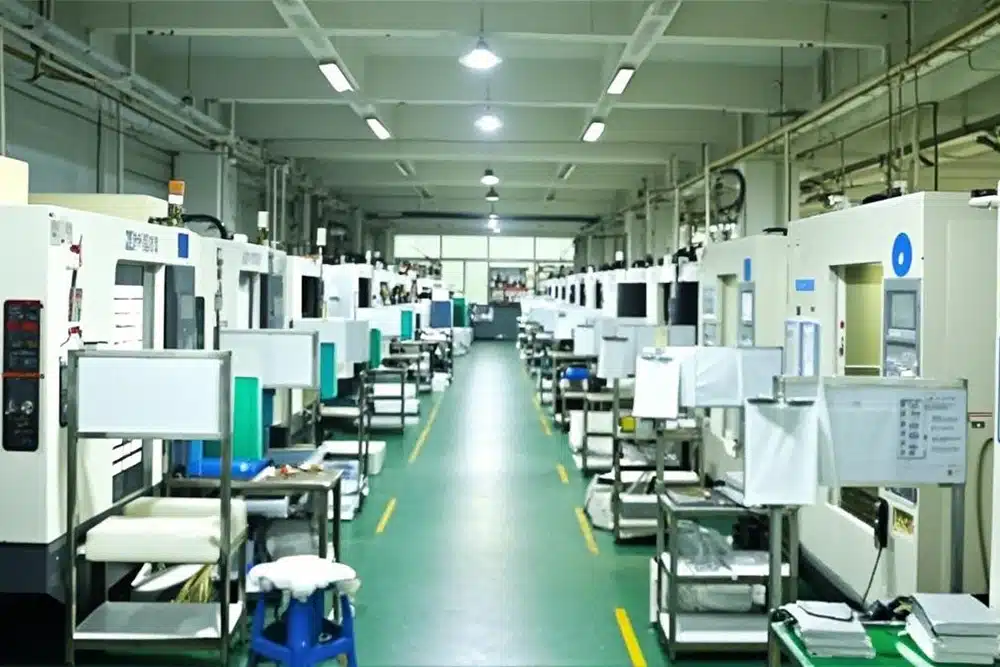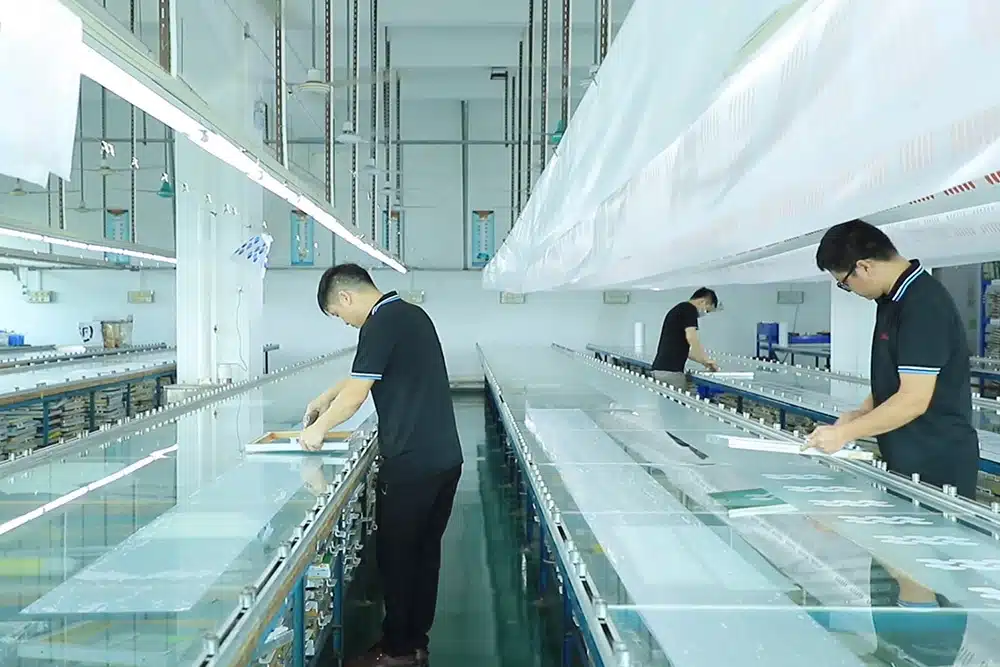

The controlled production settings are the parameters of silicone compression molding process that define the way silicone material fills, cures, and shapes within the mold. Parameters of greatest importance are mold temperature, molding pressure, curing time, material weight, preform shape, venting, mold condition and inspection standards.
Compression molding quality is primarily considered to be dependent on the mold by many buyers, however, in actual production, process stability is equally important as precision of tooling. Stable silicone compression molding needs to have controlled parameters not just good tooling since even a good tool can make parts that are not consistent when temperature, pressure, curing time, and material loading are not under control.
Comparing suppliers with OEM buyers could be achieved by having them review the HT Silicone compression molding capabilities, which will enable them to appreciate how process control, tooling support, and quality inspection collaborate in the production of custom silicone parts.
What Are Silicone Compression Molding Process Parameters?
The measurable and adjustable parameters during silicone compression molding are process parameters. They determine the flow of silicone, fill into the mold, cure, and release out of the mold, and maintain the silicone at a constant dimension.
The aspect of parameter control is highly significant in the custom silicone parts production since various materials, shapes, hardness, wall thicknesses and functional requirements require varying production environments. Understanding the full silicone compression molding process helps achieve optimal results. Even with the correct design of the material and mold, poor parameter control may lead to quality problems.
Key Parameters That Affect Silicone Compression Molding Quality
These parameters need to be considered collectively as altering one environment can tend to influence the rest. They are not looked at as isolated values but as an interrelated system, as treated by experienced process engineers. This is especially important when evaluating compression molding vs injection molding for your project.
| Process Parameter | What It Controls | If Too Low | If Too High |
| Mold temperature | Silicone curing speed and flow behavior | Incomplete curing, longer cycle time | Scorching, surface defects, material degradation |
| Molding pressure | Material flow and cavity filling | Short shots, poor detail transfer | Excess flash, deformation, mold stress |
| Curing time | Crosslinking and final part properties | Soft parts, poor resilience | Over-curing, brittleness, lower efficiency |
| Material weight | Amount of silicone loaded into the mold | Incomplete filling | Excess flash, waste |
| Preform shape | Initial material distribution | Uneven filling | Localized pressure issues |
| Venting | Air release during molding | Bubbles, voids, burn marks | Flash if venting is oversized |
| Mold cleanliness | Surface quality and consistency | Contamination, defects | Not applicable (over-cleaning may affect release) |

Mold Temperature: Why Heat Control Matters
Mold temperature influences the flow of silicone, the rate of curing, finish, and cycle time. Silicone grades have various temperature ranges that are needed and temperature consistency is in most cases more valuable than just raising the temperature.
The temperature of the mold may not be uniform, resulting in partial curing, dimensional fluctuations, poor surface finish, or uneven hardness.
| Temperature Condition | Possible Result | Production Risk |
| Too low | Incomplete cure, longer cycle | Low efficiency and unstable quality |
| Too high | Surface scorching, material stress | Defects and reduced part performance |
| Uneven temperature | Partial curing, dimensional inconsistency | Higher rejection rate |
| Stable temperature | Predictable curing and part consistency | Better repeat production |
Molding Pressure: Balancing Filling and Flash Control
The silicone material is forced to fill the mold cavity by pressure. The lack of pressure can cause the finishing of filling or poor reproduction of details. Overpressure may form flash, overstress the mold, or distort delicate part features.
The choice of pressure is based on the size of parts, their hardness, geometry, venting, and volume of material.
| Pressure Issue | Typical Symptom | Possible Cause |
| Too little pressure | Incomplete edges or short filling | Material cannot fully flow into cavity |
| Too much pressure | Heavy flash | Excess force or too much material |
| Uneven pressure | Inconsistent thickness | Poor material placement or mold alignment |
| Stable pressure | Consistent filling | Proper setup and process control |
Curing Time: Controlling Strength, Elasticity, and Efficiency
The time taken to cure silicone defines the extent of crosslinking within a silicone mold. Under-cured components can be soft, easily deform or even fail performance tests. Excessive curing can decrease productivity and occasionally impact on elasticity or finish.
The time taken to cure must be modified based on material grade, part thickness, mold temperature, and hardness requirement.
| Curing Condition | Part Quality Impact | Manufacturing Impact |
| Under-cured | Softness, poor resilience, weak performance | High rejection risk |
| Properly cured | Stable hardness and function | Reliable repeatability |
| Over-cured | Possible brittleness or surface changes | Longer cycle and lower efficiency |
| Inconsistent curing | Variable performance | Difficult QC control |
Material Weight and Preform Design
Silicone material loaded into the mold influences directly amount and shape which directly influences filling, flash and waste. The idea of preform design implies shaping the silicone prior to molding to have more predictable material flow.
Inadequate volume of material may lead to underfilling. Excessive material may result in overflashing and more trimming. Correct positioning of preforms will minimize the flow imbalance and enhance part consistency.
| Material Loading Factor | Why It Matters | Risk If Poorly Controlled |
| Material weight | Ensures enough silicone fills the cavity | Short shots or excessive flash |
| Preform shape | Guides material flow direction | Uneven filling |
| Preform placement | Balances cavity filling | Thickness variation |
| Batch consistency | Keeps repeated cycles stable | Quality variation between lots |

Venting and Air Release During Compression Molding
Silicone has to fill the mold cavity with air escaping. Lack of venting may result in the trapping of air, bubbles, bubbles, surface marks or incomplete filling. Design on venting should be balanced between the release of air and the control of flash.
The importance of maintaining molds is that blocked vents might alter part quality with time.
| Venting Problem | Visible Defect | Practical Solution |
| Blocked vent | Bubbles or voids | Clean and inspect vent channels |
| Insufficient venting | Burn marks or trapped air | Adjust vent design |
| Oversized venting | Excess flash | Optimize vent size |
| Uneven air release | Local defects | Review mold layout and material placement |
Mold Condition, Surface Cleanliness, and Release Control
The state of mold affects the surface finish, dimensional consistency, demolding, and defect rate. Repeated quality problems can be as a result of contamination, wear, scratches, residue or poor alignment. Mold maintenance is not the independent part of maintenance, but the part of process control.
The release control is significant since when silicone parts are not demolded properly, they can tear or become deformed.
- Wipe down surfaces of molds.
- Check wear and alignment of cavities.
- Do not use too much release agents that can interfere with finishing or bonding.
- Keep track of demolding time to minimize tears and deformations.
- Document repeated defects to determine root causes of molds. For more practical advice, see our design tips for successful silicone compression molding.
How Parameters Change by Part Type and Application
The parameters of the process must not be duplicated between parts, rather they must be aligned to product functionality.
| Product Type | Parameter Focus | Reason |
| Custom silicone seals and gaskets | Pressure, material weight, curing consistency | Ensures sealing performance |
| Silicone sleeves | Demolding, elasticity, surface finish | Prevents tearing and deformation |
| Silicone kitchenware | Material grade, curing, cleanliness | Supports safety and appearance |
| Pet silicone products | Durability, flexibility, surface quality | Improves user experience and lifespan |
| Automotive silicone parts | Heat resistance, dimensional stability | Supports functional reliability |
| Industrial silicone pads | Thickness, hardness, curing | Maintains load-bearing performance |
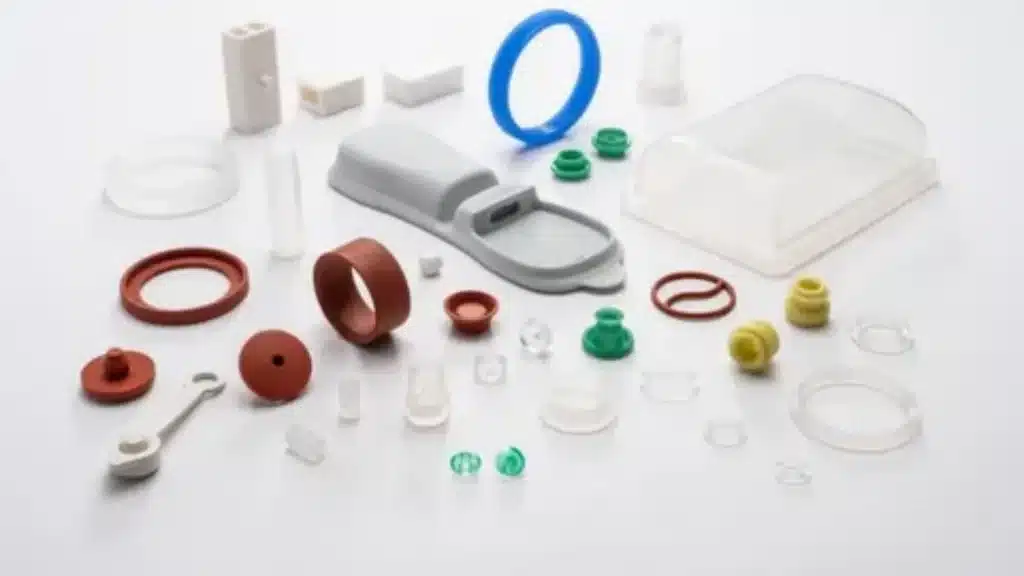
Common Defects Caused by Incorrect Process Parameters
A combination of parameter problems and not a single cause is the root cause of defects.
| Defect | Possible Parameter Cause | What to Check First |
| Flash | Too much material, excessive pressure, vent issue | Material weight and pressure |
| Bubbles | Poor venting, trapped air, material moisture | Venting and material preparation |
| Short shot | Low material weight, low pressure, poor flow | Material loading and pressure |
| Deformation | Poor demolding timing, overpressure | Demolding and pressure |
| Incomplete cure | Low temperature or short curing time | Temperature and cure cycle |
| Surface marks | Mold contamination or uneven heat | Mold cleanliness and temperature |
Process Control Checklist for OEM Silicone Production
This pragmatic checklist can help engineers and buyers to assess the stability of the processes during collaboration with the suppliers.
| Checklist Item | Why It Matters |
| Confirm silicone grade and hardness | Material behavior affects all settings |
| Define tolerance and functional requirements | Parameters must support final use |
| Review wall thickness and part geometry | Thickness affects curing and flow |
| Set initial temperature and pressure range | Establishes baseline production stability |
| Validate curing time with samples | Confirms part performance |
| Control material weight per cycle | Reduces flash and short shots |
| Inspect venting and mold cleanliness | Prevents bubbles and surface defects |
| Record parameter settings | Supports repeat production and troubleshooting |
| Perform first-article inspection | Confirms readiness for batch production |
Conclusion — Stable Parameters Create Stable Silicone Parts
Silicone compression molding is not just a tooling process, but it is a controlled production system. With a consistent approach to the material preparation, temperature, pressure, curing time, venting and inspection, the manufacturers will be able to create silicone parts that are more dimensionally stable, less defective and have a higher long-term performance.Knowledge of and control of silicone compression molding process variables can assist product engineers, sourcing managers and quality departments in producing consistent outcomes in custom silicone parts manufacturing and in OEM silicone parts manufacturing. Regular monitoring of processes is one of the most viable methods of minimizing variation and enhancing the total silicone molding quality management.