
Silicone rubber is a synthetic elastomer that is based on a silicon-oxygen backbone and provides uniform flexibility, thermal, and chemical inertness over a broad spectrum of applications. Practical engineering In real-world engineering, it is not a single generic material, but a family of compounds, which may be formulated and cured in varying ways to suit specific performance requirements.
To this day, many teams consider silicone to be a single option. In practice, silicone rubber is available in numerous grades, hardness levels, and curing systems which give it vastly different behavior under load, heat or chemical exposure. The wrong grade may result in seal failure, part deformation, non-compliance with regulations, or the product life may be shortened.
Silicone rubber is not a common soft material, but a highly tuneable engineering material the hardness, temperature resistance, compression set, and compliance properties of which directly determine whether your product will make it or not in real life application. The outcome of aligning its key properties to the operating environment, required regulatory compliance, and even the mechanical design of the product, not merely the choice of a so-called soft and flexible material.
What Is Silicone Rubber?
Silicone rubber is not an individual generic material, but a family of synthetic elastomers based on silicone polymers. Its stability is due to its backbone of alternating silicon and oxygen atoms, as well as to its inherent stability which most organic rubbers do not possess.
It is normally provided in three major forms to be used in manufacturing:
- Silicone compression molding solid silicone rubber (HTV).
- Silicone rubber Injection molding liquid silicone rubber (LSR).
- Room temperature vulcanized (RTV) silicone to prototype or small production.
The main factors that industry selects silicone rubber include its extensive temperature range, long-term flexibility and biocompatibility. All grades however, do not perform identically in actual use which is why a systematic silicone material selection guide is essential before moving to tooling or production.
| Aspect | Explanation |
| Material family | Synthetic silicone-based elastomer |
| Typical forms | Solid silicone, LSR, RTV |
| Key advantages | Wide temperature range, stability, flexibility |
| Common applications | Seals, gaskets, kitchenware, baby products, medical parts |
| Why it matters for selection | Each grade behaves differently in real use |
Why Silicone Rubber Properties Matter for Material Selection
The behavior of each grade of silicone rubber varies with temperature, load and aging, so one should be familiar with the property of particular grade of silicone rubber.
The choice of material is not merely silicone vs. some other polymer. It involves selection of the appropriate silicone grade to suit the operating environment, mechanical loads, regulatory needs, and projected lifetime. Most commonly, a false belief that any silicone will work can result in leakage, permanent deformation, development of odor, yellowing or even expensive warranty claims.
| Property | What It Influences in Real Use |
| Hardness (Shore A) | Feel, flexibility, sealing force |
| Temperature resistance | High/low temperature performance, safety margins |
| Compression set | Long-term sealing and recovery |
| Chemical/solvent resistance | Contact with oils, fuels, detergents, cosmetics |
| Regulatory & biocompatibility | Food-contact, skin-contact, baby or medical products |
| Color & aging behavior | Aesthetics, brand consistency, yellowing over time |
Key Property 1: Hardness (Shore A) and Feel
Hardness, on the Shore A scale, is the firmness or softness of a silicone part, and its behavior under load.
Practically, Shore A hardness directly regulates flexibility, sealing force, user tactile experience, and ease of assembly. An excessively soft part can fail to keep its shape; an excessively hard part can be irritating or can seal improperly. Normal ranges depend on usage.
| Shore A Range | Feel Description | Typical Use Cases |
| 10–20 | Very soft, gel-like | Cushion pads, some baby products, soft seals |
| 20–40 | Soft/flexible | Wearables, personal care items, soft-touch parts |
| 40–60 | Medium | General seals, gaskets, household products |
| 60–80 | Firm | Structural seals, industrial parts |
To further explore matching hardness with your design, see our guide on how to choose silicone hardness (Shore A).
Key Property 2: Temperature Resistance
One of the best benefits of silicone rubber is its temperature resistance, and the performance in the real world can not be measured only by catalogue numbers.
The majority of silicone grades can be used continuously at temperatures between -60 o C to + 200 o C, which is far below most organic elastomers. Of greater importance is the difference between continuous operating temperature, peak short-term exposure, low-temperature flexibility, and the impact of repeated thermal cycling.
These conditions are often underestimated resulting in hardening, cracking or loss of elasticity long before the anticipated service life.
| Temperature Aspect | What to Consider for Selection |
| Continuous operating range | Normal working environment (e.g. oven, engine bay) |
| Peak/short-term exposure | Short spikes during use or processing |
| Low temperature flexibility | Performance in cold storage or winter climates |
| Temperature cycling | Repeated heat/cool cycles and fatigue |
Key Property 3: Compression Set and Elastic Recovery
Compression set is a measurement of how well a silicone part is able to bounce back to its original shape after being compressed over an extended period, particularly at a high temperature.
Low compression set is essential in the case of seals, gaskets, keypads and cushions. Permanent deformation, loss of sealing force and subsequent product failure occur with high compression set.
It is always important to consider compression set data as it will be at the real temperature and duration that the part will be operated in.
| Compression Set Level | Typical Behavior | Risk in Application |
| Low | Good recovery after long compression | Stable sealing, long component lifetime |
| Medium | Some permanent deformation | Needs careful design and safety margin |
| High | Significant permanent deformation | Seal leakage, poor tactile response, failure |
For more details on how temperature cycling and aging affect silicone performance, read our dedicated article.
Key Property 4: Chemical, Oil and Solvent Resistance
Silicone rubber has good general resistance to water, ozone and most environmental factors, though not all chemicals.
Swelling, softening or degradation can occur when the incorrect grade of oils, fuels, cleaning agents, cosmetics or food ingredients is selected. Engineers are advised to continually align the anticipated chemical exposure with authenticated material compatibility information.
| Exposure Type | Typical Considerations for Silicone Rubber |
| Water and steam | Generally good, but check high-temperature steam |
| Oils and greases | Needs suitable grade; swelling risk for some oils |
| Fuels and solvents | Limited compatibility in many cases |
| Detergents and cleaners | Check pH and long-term exposure |
| Cosmetics / personal care | Interaction with oils, fragrances, active ingredients |
Key Property 5: Regulatory, Biocompatibility and Safety Requirements
Various uses have different regulatory and safety requirements, which must be met by the silicone formulation.
Products in food-contact, baby, skin-contact wearable (and medical devices) each require specific certifications, such as FDA, LFGB, REACH, or RoHS. Food-grade silicone is not an ambiguous marketing term; rather it is a combination of the correct material formulation, migration testing and complete documentation.
And not aligning the material choice with these requirements poses significant compliance and business risks.
| Application Type | Typical Requirements / Considerations |
| Food-contact products | Food-grade certifications, migration limits |
| Baby products | Extra safety margins, odor and taste requirements |
| Skin-contact wearables | Sensitization/irritation tests, comfort |
| Industrial/automotive | Temperature, fluids, sometimes specific OEM specs |
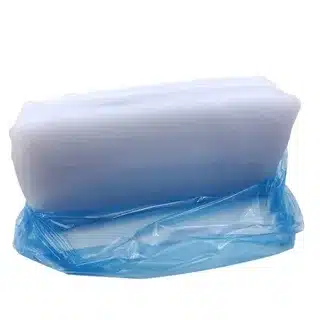
To understand exactly what food-grade silicone actually means in practice, see our detailed explanation.
Other Important Considerations: Color, Aging and Aesthetics
Brand perception and customer satisfaction are directly related to color stability and long-term appearance.
Yellowing, chalking or cracking of the surface may occur due to UV exposure, extended heat exposure or exposure to certain chemicals. The right choice of material and color matching with your supplier will ensure the overall look of your batch and maintains the desired matte or glossy finish.
| Factor | What to Watch For in Selection |
| UV exposure | Yellowing, chalking, surface cracking |
| Heat and aging | Color shift, loss of gloss or texture |
| Color matching | Batch-to-batch consistency, brand color accuracy |
| Surface finish | Matte vs glossy, ease of cleaning, stain visibility |
How to Use These Properties in Real Material Selection Decisions
The best method of selecting silicone rubber is to convert your product needs into product property objectives.
Here is a step-by-step practical procedure, which should be followed:
Step 1: Determine the actual operating environment- temperature, contact media, mechanical loads, lifetime expectations and user interactions.
Step 2: Convert those conditions into quantifiable targets of property (range of hardness, temperature rating, compression set limits, chemical compatibility, and regulatory needs).
Step 3: Select silicone grades that will achieve the targets based on supplier datasheets. Working closely with an experienced partner on silicone material selection ensures the optimal grade is chosen for your exact operating conditions.
Step 4: Design and develop prototypes in a realistic environment.
Step 5: Improve the material, formulation, or design based on test results and closely working with your silicone manufacturer.
| Step | Key Question | Property Focus |
| 1 | Where and how will the part be used? | Temperature, media, load, lifetime |
| 2 | What does the part need to withstand? | Hardness, compression set, chemicals |
| 3 | Which grades meet these requirements? | Datasheets and supplier input |
| 4 | How do samples behave in real tests? | Performance vs expectations |
| 5 | What should be adjusted or optimized? | Hardness, formulation, design or both |
Conclusion — Silicone Rubber Is an Engineered Choice, Not a Guess
Silicone rubber is an engineered material which needs to be chosen on the basis of well defined characteristics and the actual conditions of use. The material selection of sound silicone materials is based on hardness, temperature resistance, compression set, chemical resistance, and regulatory compliance.
Follow the same procedure with silicone rubber as you would with any other important component of an engineering design: begin with clear requirements, test to confirm your design, and work with an established manufacturer. At Dongguan HT Silicone we specialize in turning the right material choice into high-quality custom silicone parts that perform reliably in real-world applications.By doing so, the amount of risk is reduced, the development time is shortened and the parts produced give reliable performance throughout the intended life.