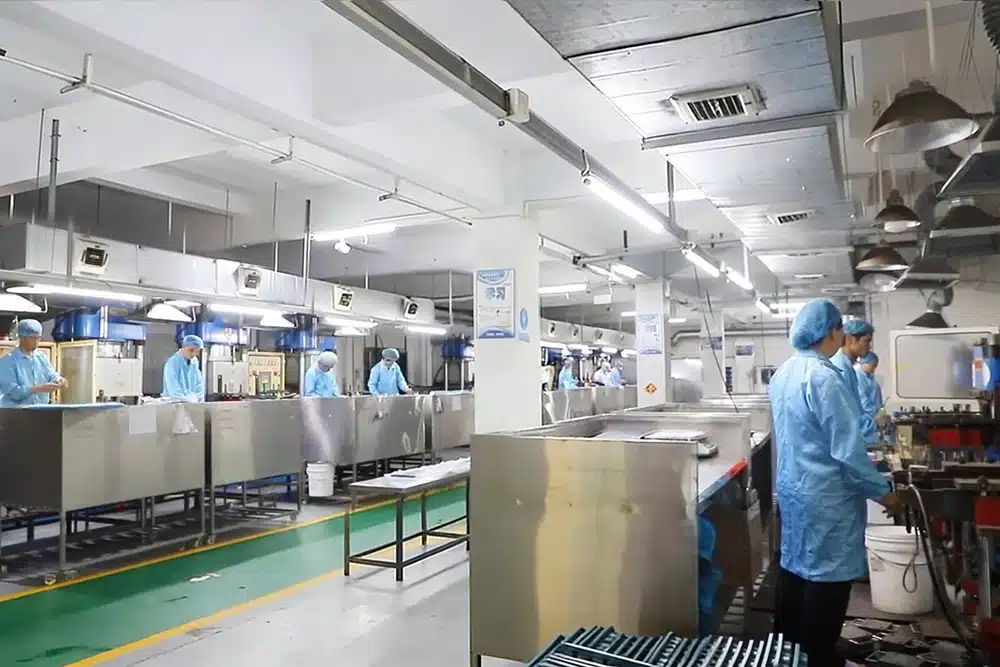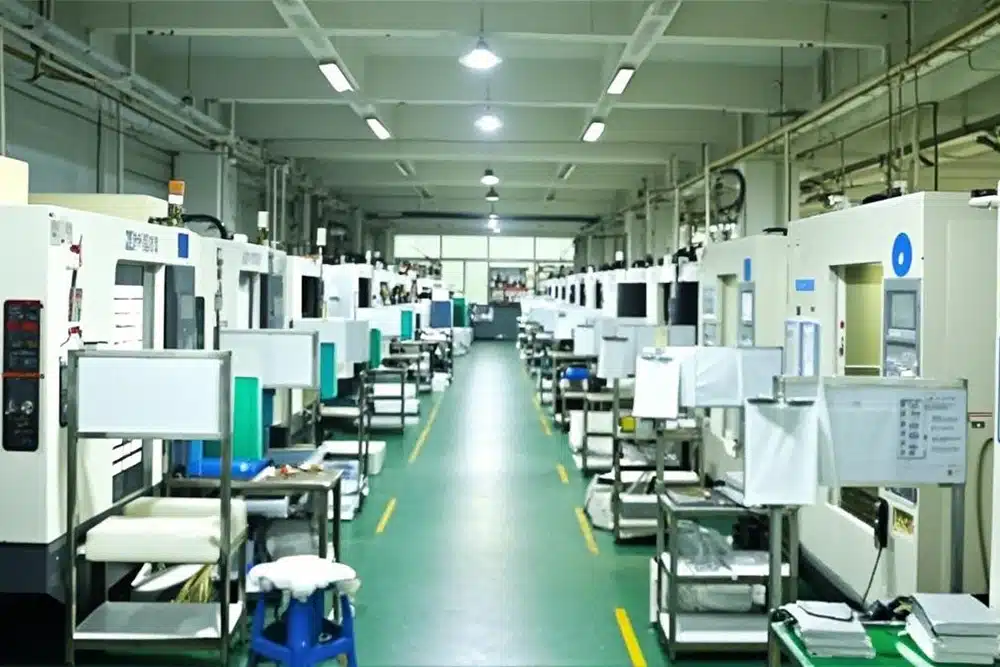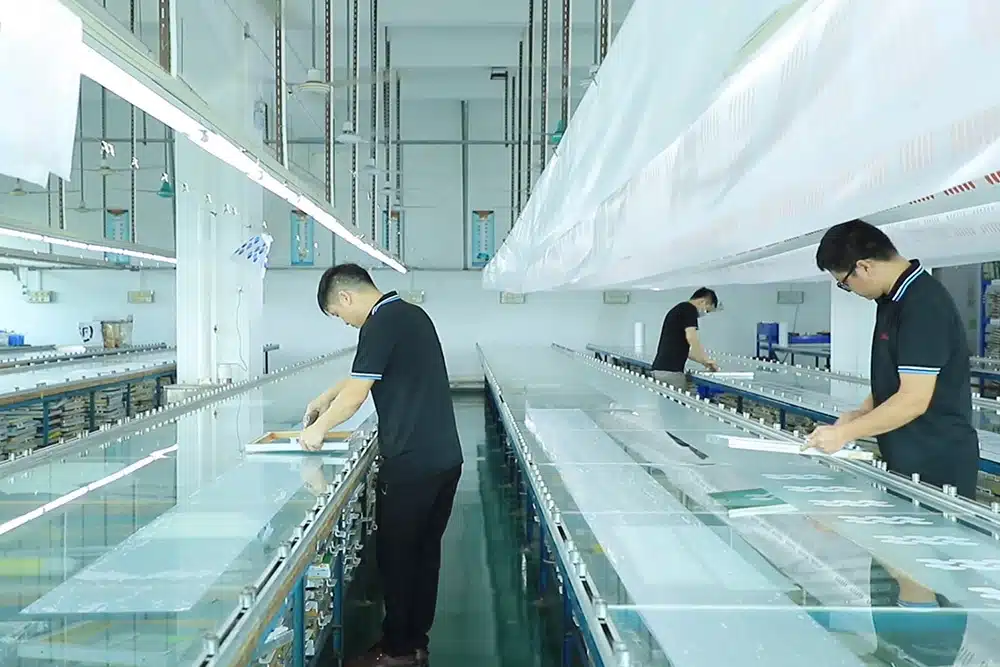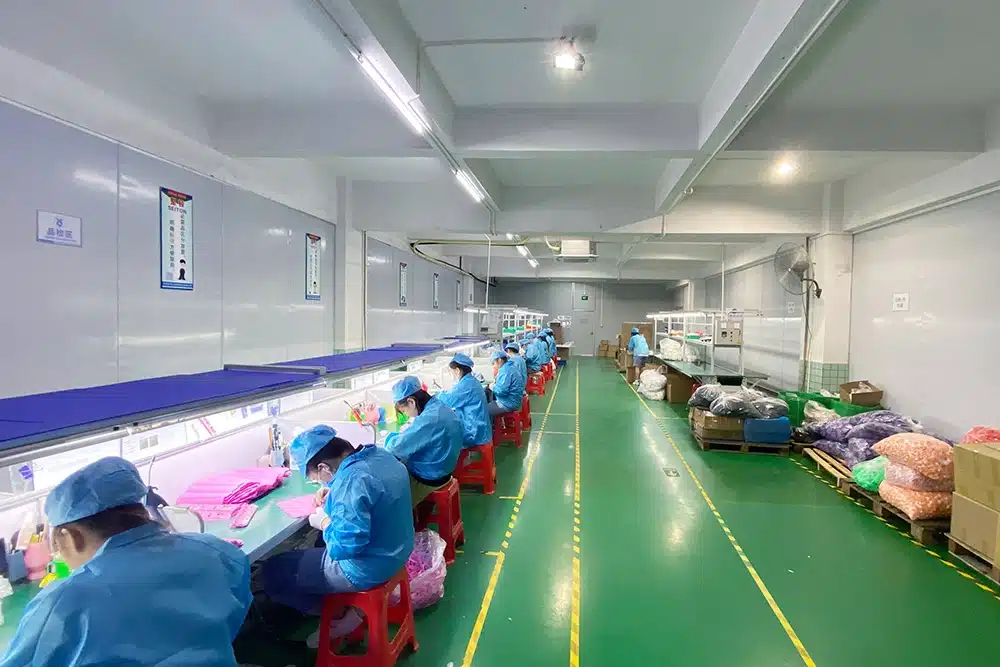

The material selection of sustainable silicone material will help reduce material wastage, energy use, and overall environmental footprint of your project. All the decisions, such as grade choice and wall thickness, curing parameters and additives, directly influence the amount of scraps that will be thrown away into a bin, as well as the ease with which the finished component can be recycled or reprocessed at end of life. Recyclability and resource efficiency are influenced by part design, wall thickness, curing process and additives. Poor material or process selections rapidly raise the scrap rates, energy consumption, and the overall effects on the environment in the long run.
Even now, a significant number of engineers are of the opinion that silicone simply cannot be meaningfully optimized to ensure sustainability due to silicone being a thermoset material. As a matter of fact, attentive grade choice, procedure optimization, and design effectiveness can greatly enhance sustainability without compromising the mechanical properties or regulatory compliance your application requires.
The selection of the sustainable silicone materials combines the use of eco-friendly grades, efficient production, and design optimization to reduce the waste and increase the recyclability without any performance reduction. To select sustainable silicone materials, it is necessary to understand how the material selection, process efficiency, and design optimization can help to reduce waste, recycle, and optimize the environmental impact in the long term. To examine all the options available and in greater detail, consult the guide to silicone evaluation by HT Silicone.
Why Sustainability Matters in Silicone Manufacturing
Production and use of silicone has an environmental impact; sustainable practices decrease waste and reduce consumption of energy.
The process of curing liquid or solid silicone into a complete part is energy-consuming. High temperature ovens and long cycle times consume electricity and excess material in flash, sprues, and defective parts adds to the volume of landfills or incineration. There is also an increase in regulatory pressure: brands and OEMs are increasingly requested by their customers to prove a quantifiable reduction in their waste generation through custom silicone products.
In a real-world perspective, the social and regulatory implications impact both the manufactures and their downstream associates. The consumer and market demand of the eco-friendly products is ever increasing, and particularly in the baby care, kitchenware and personal-care products where the end users are actively seeking lower-impact materials.
| Factor | Environmental Impact | Mitigation Strategy |
| Material scrap | Increased waste | Optimize design, reduce wall thickness |
| Curing energy | High energy use | Shorter cycles, efficient ovens |
| Additives | Potential chemical footprint | Use minimal necessary additives |
| Surface finishing | Waste or VOCs | Eco-friendly coatings or methods |
| Part redesign | Overcomplicated features | Simplify geometry to reduce scrap |
Selecting Eco-Friendly Silicone Grades
The choice of material grade does much to strike a balance between performance, cost, and sustainability.
Not all applications require the most highly spec medical grade silicone. Selecting an average or multi-purpose grade without compromising food-contact or industrial grades can reduce the effect of raw-materials and can decrease the energy attached to ultra-refined polymers. The multi-purpose grades also make it easy to maintain inventory, reduce the chances of obsolescence and surplus inventory that end up as waste.
The flow properties, scope of hardness and curing chemistry must remain the same to ensure that yield remains high. Certifications like FDA, LFGB, or REACH are used to verify grade profile of environmental and safety, but should conform to actual functional requirements rather than being over-specified.
| Silicone Grade | Sustainability Feature | Practical Application |
| Standard grade | Lower environmental impact | Non-critical components |
| Multi-purpose grade | Reduces inventory and waste | Multiple product lines |
| Recyclable silicone | Reusable or reprocessable | End-of-life management |
| Low additive / low VOC | Minimized chemical footprint | Consumer and healthcare parts |

Design and Wall Thickness Optimization
The optimization of part geometry and wall thickness can save material and energy by reducing the consumption of materials and energy.
Thin, homogeneous walls make less use of silicone per part and consume less energy to cure. Too thick sections cause a difference in the rate of curing that may result in voids or warpage, raising the rate of rejects. Unnecessary mold complexity is added by unnecessary ribs, undercuts, or complexities; unnecessary mold complexity increases both the cycle time and unnecessary flash, which is also required to be trimmed and discarded.
This is aimed at designing in a way that it is manufacturably designed in the first place. The even flow and curing promoted by uniform thickness directly enhance yield and reduce the scrap produced during manufacturing of sustainable silicone.
| Design Factor | Optimization Strategy | Sustainability Benefit |
| Wall thickness | Reduce while maintaining strength | Less material, lower energy use |
| Geometry | Simplify ribs and features | Reduce scrap and cycle time |
| Uniform thickness | Optimize flow and curing | Minimize voids and rejects |
| Part complexity | Avoid overdesign | Reduce mold wear and material waste |

Curing and Process Efficiency
Effective curing and process control minimise energy consumption and scrap.
Minor modifications in curing temperature and dwell time can save seconds per cycle with complete cross-linking attained. Complex geometries are filled better with high-flow grades that minimize the voids that lead to rejects. On-the-fly process measurements, be it cavity-pressure sensors or simple visual inspection, can assist in detecting problems at the earliest stage, so that large batches are not wasted.
Where the process permits, sprues and trims may frequently be granulated, and recirculated into non-critical compounds, continuing the process within the factory and reducing the purchase of raw materials.
| Process Factor | Optimization Approach | Sustainability Benefit |
| Curing temperature | Adjust for efficiency | Lower energy consumption |
| Cycle time | Shorten without affecting quality | Higher throughput, less energy |
| Flowability | High-flow grades | Reduce voids, fewer rejects |
| Scrap management | Reuse sprues / trims | Minimize waste |
Additives and Surface Treatment
Choosing which additives and coatings to use can enhance sustainability without reducing performance.
Each filler, pigment, or adhesion promoter contributes to the chemical loading and can make end-of-life recycling more difficult. The formulation can be made cleaner by using them only where they are functionally essential. Ecologically friendly surface treatments, including water-based surface finishes or low-VOC surface finishes, provide the desired aesthetics or bonding performance with much less waste and few emissions.
Uniformity batch-to-batch also is important. Stable material behavior will minimize the test shots and adjustment cycles which will produce scrap during setup.
| Additive / Treatment | Application | Sustainability Benefit |
| Fillers | Functional only | Reduce chemical footprint |
| Pigments | Minimize | Lower environmental impact |
| Adhesion promoters | Use where necessary | Reduce excess material |
| Surface treatments | Eco-friendly options | Reduce VOCs and waste |
Common Mistakes in Sustainable Silicone Selection
The non-consideration of sustainability in material and process planning enhances the waste and environmental impact.
The most common traps that we encounter are:
- Excessively specifying a high-grade medical silicone to non-critical components used by consumers.
- Any introduction of unwarranted pigments or fillers, just because it was applied on a past project is not justified.
- Bringing in default wall thicknesses of early CAD models without scrutinizing material use.
- By-passing a formal process-efficiency analysis and proceeding to production.
- Not taking into account the end-of-life recyclability or regrind potential in the early design stage.
All these choices silently add the environmental cost of otherwise highly engineered custom silicone products.
Checklist for Sustainable Silicone Material Selection
A checklist makes sure that the material and design decisions made are as sustainable as possible, yet remain performance-based.
The queries below should be used during the concept and design-review phases:
| Question | Purpose |
| Is the silicone grade eco-friendly or recyclable? | Minimize environmental footprint |
| Can wall thickness be reduced without compromising performance? | Reduce material use |
| Are part geometry and design optimized for minimal scrap? | Improve yield |
| Are curing cycles energy-efficient? | Lower energy consumption |
| Are additives and coatings minimal and eco-friendly? | Reduce chemical impact |
| Has prototype testing validated durability and sustainability? | Avoid defects and rework |
| Can excess material be reused or recycled? | Minimize waste |
Conclusion — Sustainable Silicone Requires Integrated Decision-Making
Sustainable silicone selection incorporates material grade, wall thickness, geometry, curing, and additive strategies. Design and process efficiency minimizes the amount of material waste and energy consumed. Sustainability is proven by prototype testing and optimization of processes. Early integration guarantees performance, durability and environmental responsibility.
When selecting sustainable silicone materials, it is necessary to balance environmental impact, performance, and manufacturability. Design optimization, reduction of wall thickness, reduction of curing, and reduction of additive use reduce waste, energy use and enhance recyclability and reliable and high quality silicone products. When these factors are viewed as a whole starting at the very steps in the development of the product, engineers and sourcing departments can make some tangible improvements both in the sustainability indices and in the production economy without ever having to sacrifice the functional needs of the final component.