
When deciding on a single cavity vs. multiple cavity silicone mold, not only is this a cost question, there are other factors to consider including tooling structure, production volume, product uniformity, demolding ease, material consumption, MOQ, lead-time, and long-term bulk production efficiency. Single cavity silicone mold in one molding cycle, multi cavity silicone mold in several molding cycles.
Many buyers believe that the more holes there are the less expensive the product will be, but in the case of a large product, deep hole, multi-cavity, hard to release, or low volume products, the increased tooling expense and risk to production can be a problem. The optimum silicone mold cavity layout is not necessarily the one that has the greatest number of cavities, but the layout that provides the most efficient production, cost of tooling, consistency of product, demolding performance and fulfillment of the buyer’s actual order plan.
Quick Answer: Single-Cavity or Multi-Cavity Silicone Mold?
Single-cavity silicone moulds versus multi-cavity silicone moulds can be selected based on the size of the product, design stability, order quantity and manufacturing objectives. For large complicated products, ones that are still in testing, or for smaller production volumes, use single-cavity. Use multi-cavity when product is small to medium in size, stable in design, easily demoldable and is to be made in bulk quantity repeatedly.
For brands planning repeat production of baking, candy, soap, ice, or DIY products, [multi cavity silicone molds](https://jmksilicone.com/custom-silicone-molds/multi cavity silicone molds) can improve output efficiency when the product size, cavity spacing, and demolding design are suitable. Engineering review, production volume, tooling budget, and product application should be taken into consideration in the final selection.
| Buyer Situation | Better Layout | Why |
| Large product size | Single-Cavity Mold | Reduces tooling size, material flow risk, and demolding difficulty |
| Complex shape or deep cavity | Single-Cavity Mold | Easier to test and adjust before scaling production |
| Early product validation | Single-Cavity Mold | Lower initial tooling complexity and easier sample review |
| Small to medium product size | Multi-Cavity Mold | Can increase output per production cycle |
| Stable repeat order plan | Multi-Cavity Mold | Helps improve production efficiency over time |
| High-volume bulk production | Multi-Cavity Mold | Can reduce unit cost when volume supports the tooling investment |
| Unclear market demand | Single-Cavity or Existing Mold Option | Reduces upfront risk before committing to larger tooling |
What Is a Single-Cavity Silicone Mold?
The single-cavity silicone molding is a single product molded design in each compression or injection molding cycle. This type of pattern is simple and provides control, which makes it an acceptable place to begin a lot of custom silicone projects.
| Single-Cavity Mold Feature | What It Means for Buyers |
| One Cavity | Produces one product per molding cycle |
| Lower Layout Complexity | Easier to review and adjust during early development |
| Suitable for Large Products | Helps avoid oversized multi-cavity tooling |
| Easier Sample Validation | Allows focused testing of shape, hardness, release, and appearance |
| Lower Output per Cycle | May increase production time for large bulk orders |
| Useful for Uncertain Designs | Reduces risk before committing to multi-cavity production tooling |
What Are Multi-Cavity Silicone Molds?
Multi-cavity silicone molds have multiple identical cavities inside of a single mold tool so that many products can be molded in a single molding cycle. This is particularly appealing in situations where efficiency and scale are important aspects of consistent designs.
| Multi-Cavity Mold Feature | What It Means for Buyers |
| Multiple Cavities | Produces several products per molding cycle |
| Higher Output | Improves production efficiency for bulk orders |
| Better for Repeat Orders | Tooling investment becomes more practical across larger quantities |
| Requires Balanced Layout | Cavity spacing, material flow, and demolding must be reviewed carefully |
| Higher Tooling Complexity | Mold design and manufacturing may require more engineering work |
| Consistency Requirement | Each cavity must produce stable dimensions, appearance, and function |
Single-Cavity vs Multi-Cavity Silicone Molds: Key Differences
There is more than meets the eye when it comes to single cavity vs. multi cavity silicone molds. It can affect from the start of the investment, through to production realities, right through to outcomes of quality.
| Factor | Single-Cavity Silicone Mold | Multi-Cavity Silicone Mold |
| Output per Cycle | One product | Multiple products |
| Tooling Cost | Usually lower complexity | Usually higher due to more cavities |
| Unit Cost Potential | May be higher for large volume | Can be lower when volume is sufficient |
| Sampling | Easier to validate one cavity | Must check consistency across all cavities |
| Best For | Large, complex, prototype, or low-volume products | Small-to-medium, repeat, high-volume products |
| Design Flexibility | Easier to adjust during early development | Better after design is stable |
| Production Efficiency | Lower output | Higher output |
| Demolding Risk | Easier to control for complex products | Must ensure every cavity releases smoothly |
| Quality Control | Focused on one cavity | Requires checking cavity-to-cavity consistency |
| Long-Term Value | Good for special or low-volume projects | Better for scalable bulk production |
How Product Size Affects Cavity Layout
Thinner or deeper cavities, or more complex, will need closer attention to the layout planning. These design features can either contribute or detract from the release performance and product quality.
| Product Size Factor | Layout Impact |
| Large Overall Size | Usually favors single-cavity or fewer-cavity tooling |
| Small Product Size | Often suitable for multi-cavity layouts |
| Product Thickness | Affects curing, material usage, and production stability |
| Product Weight | Influences silicone consumption and unit cost |
| Mold Sheet Size | Affects tooling size, machine compatibility, and packaging |
| Handling Requirements | Large multi-cavity molds may be harder to operate |
| Packaging Fit | Product dimensions should align with retail or bulk packaging plans |
How Cavity Depth, Wall Thickness and Demolding Affect Layout
The initial and ongoing expense are dependent on the cavity layout. Smart buyers are interested in the total ownership cost, not the lowest initial quote.
| Design Factor | Risk If Ignored | Layout Recommendation |
| Deep Cavities | Difficult release, deformation, or tearing | Use fewer cavities or improve radius and release direction |
| Thin Walls | Weak support or unstable shape | Review wall thickness before increasing cavity count |
| Thick Walls | Higher material cost and longer curing time | Balance thickness with function and cost |
| Sharp Corners | Sticking, tearing, or cleaning difficulty | Use rounded corners where possible |
| Tight Cavity Spacing | Weak mold structure or difficult cleaning | Increase spacing for durability and usability |
| Silicone Hardness | Too soft or too stiff for release | Confirm hardness during sample testing |
| Complex Details | Inconsistent results across cavities | Validate tooling precision and cavity repeatability |
Cost Comparison: Tooling Cost, Unit Price and MOQ
The more the cavities, the better the production output, but only if the cavity design is stable and the layout is practical. True efficiency is being able to fit the mould to your real-life schedule and reorder patterns.
| Cost Factor | Single-Cavity Mold | Multi-Cavity Mold |
| Tooling Cost | Usually lower due to simpler layout | Usually higher because of multiple cavities |
| Unit Price | May be higher for large-volume production | Can be lower when production volume is high enough |
| MOQ | May be more flexible for early-stage projects | Often more suitable for larger order quantities |
| Sample Cost | Usually easier to test one product | May require more cavity consistency checks |
| Production Time | Lower output per cycle | Higher output per cycle |
| Long-Term Value | Good for uncertain or special products | Better for repeat bulk orders |
| Cost Risk | May become inefficient at scale | May be too expensive if order volume is small |
Production Efficiency and Lead Time Considerations
Consistency checks need to be done cavity-to-cavity for multi-cavity molds. When a uniform result is achieved in each cavity it is professional tooling as opposed to average work.
| Production Factor | Layout Impact |
| Output per Cycle | Multi-cavity molds produce more parts per cycle |
| Tooling Lead Time | Multi-cavity molds may require more design and machining time |
| Sampling | Multi-cavity samples require checking each cavity |
| Trimming | More cavities may increase trimming work per cycle |
| Inspection | QC must verify cavity-to-cavity consistency |
| Packaging | Higher output may require better packing workflow |
| Reorder Planning | Multi-cavity tooling supports stable repeat production |
| Production Scheduling | Larger tools may require machine and operator planning |
Quality Control for Multi-Cavity Silicone Molds
Various silicone mold products need various cavity layouts strategies. Super efficient techniques for ice cube trays might not be applicable to big baking dishes.
| QC Check | Why It Matters for Multi-Cavity Layouts |
| Cavity Dimension Check | Ensures all cavities produce consistent product size |
| Appearance Inspection | Confirms every cavity has clean surface and shape |
| Logo Detail Check | Prevents unclear or uneven branding across cavities |
| Wall Thickness Check | Helps avoid inconsistent flexibility or strength |
| Hardness Test | Confirms material performance is stable |
| Color Check | Reduces batch and cavity-related color variation |
| Release Test | Ensures products from all cavities demold smoothly |
| Flash Control | Checks whether parting lines are consistent |
| Defect Tracking | Helps identify if one cavity has repeated issues |
| Packaging Inspection | Ensures consistent finished goods presentation |
Layout Recommendations by Product Category
The technical and commercial information are necessary to develop an accurate layout. Correct information given at the start leads to an engineer providing a mould that performs from the first sample.
| Product Category | Typical Layout Direction | Reason |
| Baking Molds | Single or fewer cavities for large molds; multi-cavity for muffins or small items | Depends on size, support, and heat performance |
| Candy & Chocolate Molds | Often multi-cavity | Small cavities benefit from higher output and user value |
| Soap Molds | Single or multi-cavity | Depends on soap size, cavity depth, and release design |
| Ice Cube Trays | Usually multi-cavity | User expects multiple cubes per tray |
| Beverage Molds | Single, paired, or multi-cavity | Depends on ice ball, popsicle, or frozen product design |
| Popsicle Molds | Multi-cavity with lid/handle review | Requires fit, spacing, and cleaning consideration |
| DIY Craft Molds | Single or multi-cavity | Depends on detail complexity and material use |
| Promotional Molds | Usually based on visual design and gift packaging | Layout should support branding and packaging |
What Buyers Should Prepare Before Confirming Mold Layout
Sometimes, even good sourcing managers miss something that causes a downstream issue. These mishaps prove to be a waste of time and money.
| Information to Prepare | Why It Helps |
| Product Application | Determines layout priorities and performance requirements |
| Product Dimensions | Helps estimate tooling size and machine suitability |
| Cavity Size | Defines product output and user experience |
| Desired Cavity Number | Gives the manufacturer a starting point for layout review |
| Drawing or Sample | Helps engineers evaluate feasibility and structure |
| Material Requirement | Affects hardness, flexibility, and production conditions |
| Hardness Preference | Influences durability, release, material usage, and cost |
| Wall Thickness Target | Helps check cavity detail and tooling feasibility |
| Logo or Detail Requirements | Determines whether multi-cavity tooling is cost-effective |
| Demolding Expectations | Affects final mold size and product set design |
| Order Quantity | Helps evaluate long-term tooling value |
| MOQ Expectation | Helps evaluate long-term tooling value |
| Packaging Style | Helps evaluate long-term tooling value |
| Target Unit Price Range if Available | Helps evaluate long-term tooling value |
| Repeat Order Plan | Helps evaluate long-term tooling value |
Common Mistakes When Choosing Cavity Layout
Even experienced sourcing managers sometimes overlook details that create problems downstream. Avoiding these pitfalls saves time and money.
| Common Mistake | Better Approach |
| Choosing maximum cavities too early | Confirm product size, design stability, and order volume first |
| Ignoring product size | Match cavity count to mold size, machine capacity, and handling |
| Overlooking demolding | Test release performance before scaling cavity number |
| Tight cavity spacing | Leave enough spacing for strength, cleaning, and durability |
| Ignoring tooling cost | Compare total cost across expected order volume |
| Not checking every cavity | Inspect cavity-to-cavity consistency during sampling |
| Forgetting packaging | Review layout together with retail or ecommerce packaging |
| Choosing multi-cavity before design is stable | Finalize product design before investing in complex tooling |
| Comparing incomplete quotes | Make sure suppliers quote the same cavity count and tooling scope |
How a Manufacturer Reviews Silicone Mold Layout
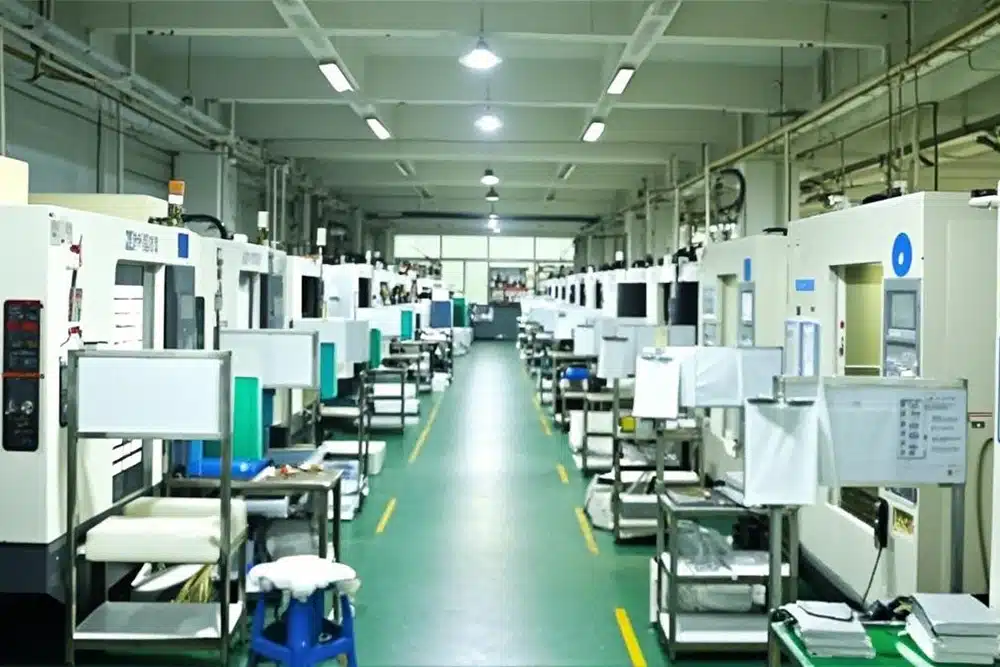
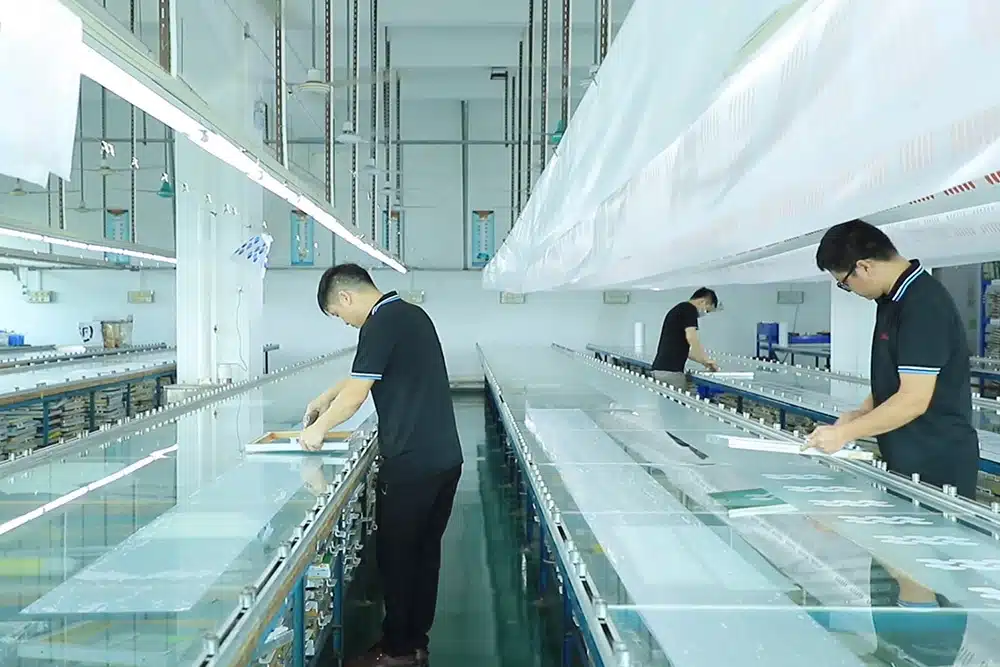
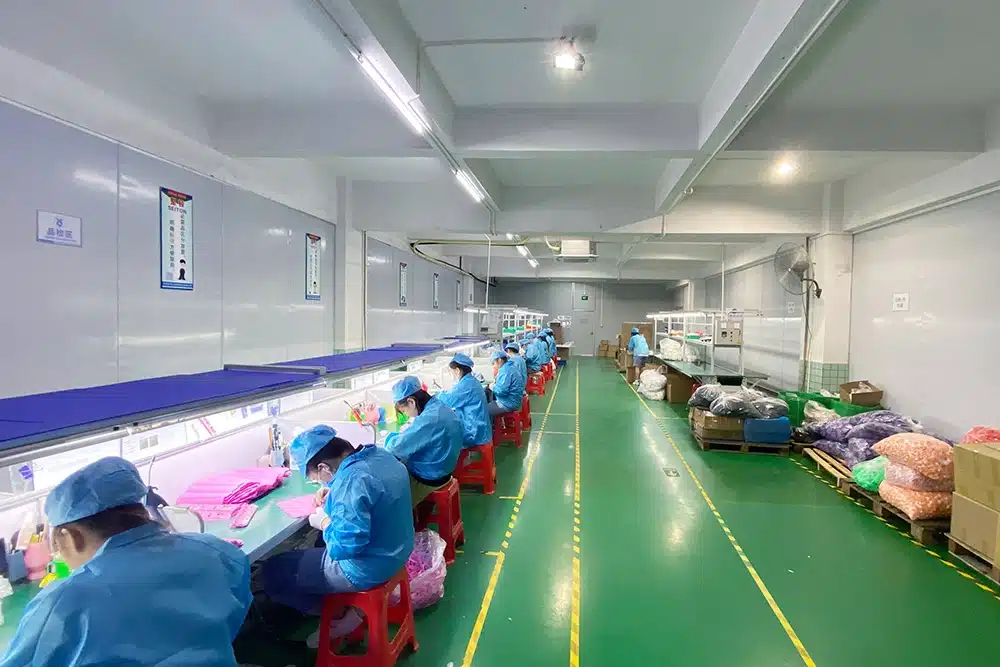
Buyer preference should not dictate cavity layout as this should be reviewed by a qualified manufacturer on the basis of engineering feasibility. Our own mold manufacturing workshop, the ability for compression molding, product design and structural development help, silicone material selection expertise, prototype and sample production, raw material inspections, in process quality control and final product testing enable us to consider all these factors and deliver reliable results.
| Review Area | What the Manufacturer Checks |
| Product Application | Whether the layout fits baking, candy, soap, ice, DIY, or promotional use |
| Product Size | Whether the mold size is practical for tooling and production |
| Cavity Number | Whether the desired number improves efficiency without increasing risk |
| Cavity Spacing | Whether the spacing supports strength, cleaning, and release |
| Wall Thickness | Whether the product has enough support and flexibility |
| Demolding Direction | Whether all cavities can release products smoothly |
| Tooling Feasibility | Whether the mold can be machined and maintained accurately |
| Production Efficiency | Whether the layout supports real output improvement |
| Quality Control | Which dimensions and cavity features need inspection |
| Packaging Fit | Whether the finished product size works with packaging plans |
Conclusion — The Right Cavity Layout Depends on Production Goals
Silicone molds can be useful in single cavity or multi cavity depending on the need. A single cavity mold may be more suited for large, complex, low-volume or early stage products. For repeat orders, stable designs and higher production volumes, multi-cavity silicone molds may be more appropriate.
The layout should be determined after considering the product size, cavity depth, wall thickness, silicone hardness, demolding, tooling cost, MOQ, packaging and repeat order plans. The engineering review by the manufacturer guarantees that layout planning decisions are not made that will cause production or quality issues later. When picking a silicone mold layout, it isn’t just about how many cavities you can get into a mold, it’s about which is the right one. A good layout should facilitate product function, product removal from the mold, structure strength, tooling feasibility, production efficiency and quality uniformity. A good solution is one that is a balance between engineering and the buyer’s production requirements.