
Sleeves for outdoor products are a vital accessory for improving grip, protection, and durability of outdoor products. These specially designed silicone sleeves must be capable of withstanding the heat, sun, humidity and grime of the outdoors, especially when used for a water bottle on a hike or to protect a tool handle on a jobsite.
All of these factors, together—the material, the structure, the texture, the colour stability, the fit, the sample testing and the quality control—created a durable silicone outdoor sleeve. Many buyers think that silicone is always suitable for outdoors use as it offers flexibility and water resistance, but factors to consider for its outdoor use are the UV resistance, choice of pigments, surface finish, wall thickness, abrasion and the cleaning methods as well as the long-term conditions of use.
Why Use Silicone Sleeves for Outdoor Products?
Silicone sleeves provide benefits beyond just decoration and basic padding; they offer practical performance elements that cater to the demands of outdoor usage. They enhance their hand-to-hold on bottles, tools, devices and handheld outdoor products. They can provide a soft protective surface over high contact surfaces. They help decrease the surface scratches, small bumps and daily handling wear. They can add anti-slip characteristics in cold, dusty and wet weather. They can make such products as hard plastic, glass, metal or coated products more comfortable to hold. They can include colour, branding, product identification for outdoor product ranges. They have little utility unless they are built for the actual application and environment of the user.
Sunlight exposure, moisture, grip requirements, material hardness, wall thickness, color stability, and real use testing are important considerations in designing durable silicone sleeves for outdoor applications, like handheld devices, outdoor bottles, tool grips, and pet products.
| Outdoor Product Goal | How Silicone Sleeves Help |
| Improve grip | Silicone texture and flexibility can help users handle products outdoors |
| Add handling comfort | A soft sleeve improves touch feel on metal, plastic, glass, or tools |
| Reduce surface wear | Sleeve coverage can protect common contact areas from daily scratches |
| Support outdoor branding | Custom colors, logos, and textures create stronger product identity |
| Improve product identification | Color-coded sleeves can help distinguish sizes, models, or users |
| Add cushioning | Thicker or reinforced zones can help absorb minor daily bumps |
| Improve wet-hand handling | Textured silicone can support grip in damp or outdoor conditions |
| Extend product usability | A well-designed sleeve can improve practical use in outdoor environments |
Common Outdoor Products That Use Silicone Sleeves
Each outdoor product requires unique sleeve structures, with varying expectations for durability, so the appropriate design–application match is essential for long-term performance. Crafted sleeves are ideal for outdoor water bottles, stainless steel water bottles, travel glass bottles, camping mugs and tumblers, handheld electronics, power banks, flashlights, pet bowls and accessories, sports water bottles, bicycle accessories, tool handles, garden tools, fishing and marine accessories, and industrial outdoor grips.
| Outdoor Product Type | Common Silicone Sleeve Use | Key Design Concern |
| Outdoor water bottle | Grip sleeve, base boot, or body sleeve | Wet-hand grip and UV/color stability |
| Stainless steel bottle | Base protection and anti-slip handling | Fit on smooth or coated metal |
| Camping mug / tumbler | Grip, comfort, and base protection | Heat/cold handling and cleaning |
| Handheld electronics | Protective cover or grip sleeve | Ports, buttons, heat release, and weather exposure |
| Power bank | Grip and surface protection | Avoid blocking ventilation or charging ports |
| Flashlight | Anti-slip grip sleeve | Texture, durability, and hand comfort |
| Pet product | Bowl grip, handle sleeve, or protective cover | Easy cleaning and outdoor dirt exposure |
| Sports product | Grip band or protective cover | Sweat, moisture, and repeated handling |
| Tool handle | Grip and comfort | Abrasion and use force |
| Garden tool | Handle grip or protective sleeve | Dirt, water, and cleaning resistance |
| Industrial outdoor product | Protective grip or cover | Application-specific wear and weather exposure |
What Do UV Resistance and Weather Resistance Mean?
While the words UV resistant or weather resistant may seem like marketing jargon, they actually mean specific things and buyers should know what they mean in terms of life expectancy. UV resistant refers to the selection of material and color to cope with exposure to the sun. Moisture resistance, resistance to rain and humidity, resistance to temperature changes and outdoor storage may be part of weather resistance. The amount of time and intensity of exposure to the outdoors will affect outdoor performance. It’s a very different thing to use it outside occasionally as opposed to use it directly in the sun. Long-term out-of-door storage is more challenging than daily use. The colour, pigment and surface finish and coating could change over time when viewed outdoors. Buyers should specify use requirements prior to material selection.
| Outdoor Performance Term | Practical Meaning for Buyers |
| UV Resistance | Ability of material and color system to better withstand sunlight exposure |
| Weather Resistance | Ability to handle moisture, humidity, temperature changes, and outdoor conditions |
| Heat Exposure | Sunlight or hot surfaces may raise the sleeve’s surface temperature |
| Cold Exposure | Low temperatures may affect feel, flexibility, or user comfort |
| Moisture Exposure | Rain, condensation, or wet handling can affect grip and cleaning |
| Dust and Dirt Exposure | Texture and surface finish should remain practical to clean |
| Temperature Cycling | Repeated hot/cold changes may affect long-term performance |
| Outdoor Storage | More demanding than occasional outdoor use |
Material Selection for Outdoor Silicone Sleeves
The material should be selected based on the outdoor environment and the actual usage, as under the right formulation, even high-quality silicone would perform best when matched to the outdoor environment and actual usage. Occasional use requires general silicone, and UV resistant silicone material is more suitable for use where required. Moisture and humidity resistant silicone material is ideal for outdoor storage and moisture. Silicone that will resist heat is essential for high temperatures. Flexibility of use is important for winter sport or in cold environments outside. When using drinkware outdoors, silicone meant for use with food may be necessary. Shore A hardness influences installation, shape retention, flexibility and grip. Pigments and colour stability are factors as are additives or formulations and surface finish compatibility. Documentation or testing requirements will vary based on the buyer’s requirement.
| Material Consideration | Why It Matters Outdoors |
| Silicone grade | Must match expected exposure and product application |
| UV-resistant material | Helps when products face repeated sunlight exposure |
| Weather-resistant material | Useful for moisture, humidity, and outdoor storage |
| Heat-resistant silicone | Important for hot climates or sun-exposed products |
| Cold flexibility | Relevant for winter sports or cold outdoor environments |
| Food-grade silicone | May be required for drinkware or food-related outdoor products |
| Shore A hardness | Affects grip, flexibility, shape retention, and installation |
| Pigment selection | Influences color stability under sunlight |
| Surface finish | Affects grip, cleaning, appearance, and wear |
| Testing requirement | Supports buyer claims and durability expectations |
Design Factors That Improve Outdoor Durability
The sleeve structure, as well as the material, significantly influences the durability of the product in the outdoors; therefore, many failures can be avoided by careful engineering from the outset. These factors include wall thickness, reinforced grip areas, edge stability, fit and retention, anti-slip texture (where applicable), drainage or open bottom (where applicable), easy-clean texture, avoiding overly deep grips, surface finish, logo positioning, colour selection, avoiding high wear logo areas and packaging and storage prior to use.
| Design Factor | Outdoor Durability Impact |
| Wall thickness | Affects cushioning, shape stability, and material use |
| Reinforced zones | Adds durability where users grip or impact occurs most |
| Edge design | Helps reduce rolling, lifting, or tearing |
| Secure fit | Prevents sleeve sliding, rotating, or shifting outdoors |
| Anti-slip texture | Improves handling in wet, cold, or dusty conditions |
| Easy-clean texture | Reduces dirt buildup and improves maintenance |
| Open-bottom design | May help drainage for drinkware or outdoor use |
| Surface finish | Affects grip, dust attraction, cleaning, and wear |
| Logo placement | Avoids excessive wear in high-friction areas |
| Color selection | Affects visible dirt, heat absorption, and brand appearance |
Color, Logo and Surface Finish for Outdoor Use
The color, logo and surface finish can have a significant impact on appearance, not just function, so selecting colors, logo and surface finish should be considered early in the development process. Color matching from Pantone, dark vs light color, fading risk in bright colors, translucent effects, opaque colors, embossed & debossed logos, printed, laser engraving, matte & glossy finish, soft-touch coating, surface coating durability, logo wear in high touch areas all affect results.
| Appearance Factor | Outdoor Consideration |
| Dark colors | May hide dirt but absorb more heat in sunlight |
| Light colors | May stay cooler visually but show dirt more easily |
| Bright colors | Need color stability review for outdoor exposure |
| Translucent colors | Appearance may change with thickness and background |
| Opaque colors | Often easier to control for brand consistency |
| Embossed logo | Durable molded branding without ink |
| Debossed logo | Subtle branding but cleaning should be reviewed |
| Printed logo | Adhesion and UV/wear resistance should be tested |
| Laser engraving | Contrast depends on material color and finish |
| Matte finish | Practical touch feel but should be tested for dirt and wear |
| Soft-touch coating | Premium feel but outdoor durability must be checked |
Grip and Texture Design for Outdoor Handling
The outdoor grip performance must be tested and not only be judged visually, as the grip will perform differently with wet hands, cold temperatures, dust and gloves. The most important attributes are ribbed texture, dotted texture, grooved texture, raised patterns, fine matte texture, ergonomic grip zones, texture depth, cleaning practicality and comfort when using over and over again.
| Texture Option | Outdoor Benefit | Buyer Consideration |
| Ribbed texture | Helps directional grip | Depth should remain comfortable |
| Dotted texture | Adds decorative grip | Easier to combine with branding |
| Grooved texture | Can improve wet handling | Deep grooves may trap dirt |
| Raised pattern | Supports grip and visual identity | Requires careful mold design |
| Fine matte texture | Mild anti-slip feel | Easier to clean than deep textures |
| Ergonomic grip zones | Matches natural hand position | Must be tested with real users/products |
| Smooth logo panel | Keeps logo readable | Should be balanced with grip zones |
| Glove-friendly texture | Useful for outdoor tools or winter products | Pattern size should be reviewed |
Testing Requirements for Outdoor Silicone Sleeves
Outdoor related claims should be backed up with practical testing under the use conditions, before the buyers would commit to mass production. UV exposure testing as required, heat exposure testing, cold flexibility check, weathering/aging testing (if applicable), water exposure testing, humidity exposure testing, cleaning test, Dirt and dust cleaning review, abrasion/rubbing test, logo wear test, grip test, installation cycle test, color stability test, fit test after exposure, and third party or buyer specific testing (if applicable) all provide the necessary data.
| Test / Review Item | Why It Matters |
| UV exposure test | Helps evaluate sunlight-related material and color performance |
| Heat exposure test | Useful for hot climates or sun-exposed products |
| Cold flexibility check | Relevant for winter or cold outdoor use |
| Water exposure test | Checks performance after rain, condensation, or wet handling |
| Humidity review | Useful for tropical or marine-related environments |
| Abrasion / rubbing test | Evaluates surface wear from repeated handling |
| Cleaning test | Confirms dirt and dust can be removed practically |
| Logo wear test | Checks printed, engraved, embossed, or debossed branding |
| Grip test | Confirms handling in wet, dry, or dusty conditions |
| Fit test after exposure | Checks whether sleeve shape and retention remain acceptable |
| Color stability check | Helps compare exposed samples with approved color standard |
Quality Control for Outdoor Silicone Sleeve Production
The QC should check the material, dimensions, fit, surface finish, color, logo, and packaging uniformity for each batch to ensure the durability as promised in the development stage. The incoming material verification, the pigment/color consistency, Shore A hardness testing, the dimensional inspection, the wall thickness inspection, the fit testing, the texture inspection, the surface finish inspection, the logo inspection, the edge and trimming inspection, the color comparison with approved sample, the durability-related testing (if required), the packaging protection, the final random inspection, and approved sample comparison keeps the production on track.
| QC Item | Why It Matters for Outdoor Sleeves |
| Material verification | Confirms correct silicone grade and formulation |
| Shore A hardness testing | Maintains approved grip, flexibility, and structure |
| Dimensional inspection | Ensures fit and sleeve retention remain consistent |
| Wall thickness inspection | Supports cushioning, durability, and cost control |
| Texture inspection | Confirms grip pattern consistency |
| Surface finish inspection | Checks matte, coated, soft-touch, or natural finish quality |
| Color comparison | Protects brand appearance and batch consistency |
| Logo inspection | Confirms branding clarity and durability expectations |
| Edge/trimming check | Prevents weak edges, rough contact, or tearing risk |
| Fit testing | Confirms sleeve stays stable on the target product |
| Packaging inspection | Protects finished sleeves during storage and shipment |
| Approved sample comparison | Keeps production aligned with buyer-approved standards |
Common Mistakes When Designing Outdoor Silicone Sleeves
There are many details that may overlook by even experienced buyers that may affect their outdoor performances, so it is better to see them early on and save time and money. Common problems include assuming standard silicone is suitable to use outdoors, failing to define sunlight exposure level, not checking the product in outdoor environments, not checking the colour stability, specifying surface coating without durability testing, making the texture too deep and hard to clean, not considering the exposure to dirt and dust, applying the logos to the surface without testing, not testing the hardness in real use, not testing the material in the environment, comparing quotes without verifying the scope of testing, and making weatherproof and UV resistance claims without evidence.
| Mistake | Better Approach |
| Assuming all silicone is outdoor-ready | Define real outdoor exposure and choose material accordingly |
| Not defining UV exposure | Clarify occasional outdoor use vs long-term sunlight exposure |
| Ignoring color stability | Test or approve color based on outdoor expectations |
| Choosing coating without testing | Check coating wear, UV exposure, and cleaning performance |
| Texture too deep | Balance grip with comfort and cleaning |
| Ignoring wet or dusty use | Test grip under realistic conditions |
| Printing logo in high-wear zone | Use molded branding or test printed logo durability |
| Skipping real-use sample testing | Test sleeves on actual products before production |
| Making broad weatherproof claims | Support claims with relevant testing and clear use conditions |
| Comparing only unit price | Compare material, testing, tooling, QC, and packaging scope |
What Buyers Should Prepare Before Requesting Outdoor Silicone Sleeves
Enhanced information about the use environment allows manufacturers to provide more accurate material, design and testing scope recommendations to the customer, which reduces revisions to the development process and speeds development time. It is complete with product type, product sample, 2D drawing, 3D CAD file (if available), outdoor use environment, sun exposure level, rain/moisture exposure, temperature range, dirt/dust exposure, user handling method and sleeve coverage, etc.
| Information to Prepare | Why It Helps |
| Product sample or drawing | Helps evaluate fit, coverage, and mold feasibility |
| Outdoor use environment | Guides UV, weather, heat, or moisture material needs |
| Sunlight exposure level | Helps determine whether UV resistance should be prioritized |
| Temperature range | Supports material and durability planning |
| Moisture exposure | Helps evaluate water, humidity, and cleaning needs |
| Dirt or dust exposure | Guides texture and easy-clean surface design |
| User handling method | Helps define grip zones, texture, and wall thickness |
| Material requirement | Guides silicone grade and performance discussion |
| Shore A hardness | Affects grip, flexibility, and shape retention |
| Color requirement | Helps evaluate color stability and sample approval |
| Logo method | Helps review wear, contrast, and durability |
| Testing requirement | Supports claims and buyer documentation needs |
| Packaging requirement | Protects sleeves during storage and shipment |
How to Work With a Manufacturer on Durable Outdoor Silicone Sleeves
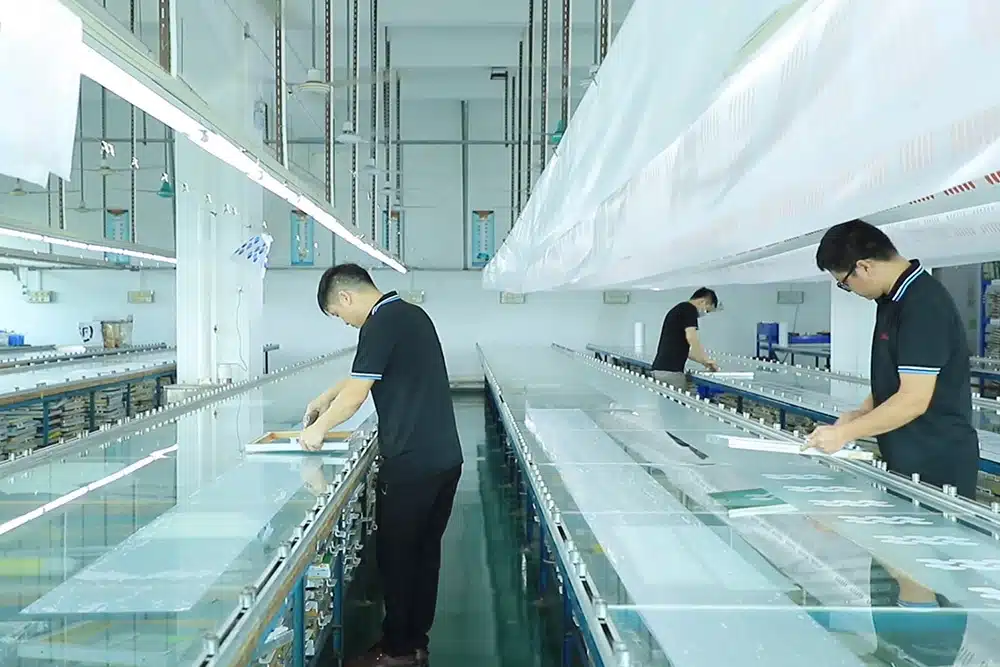
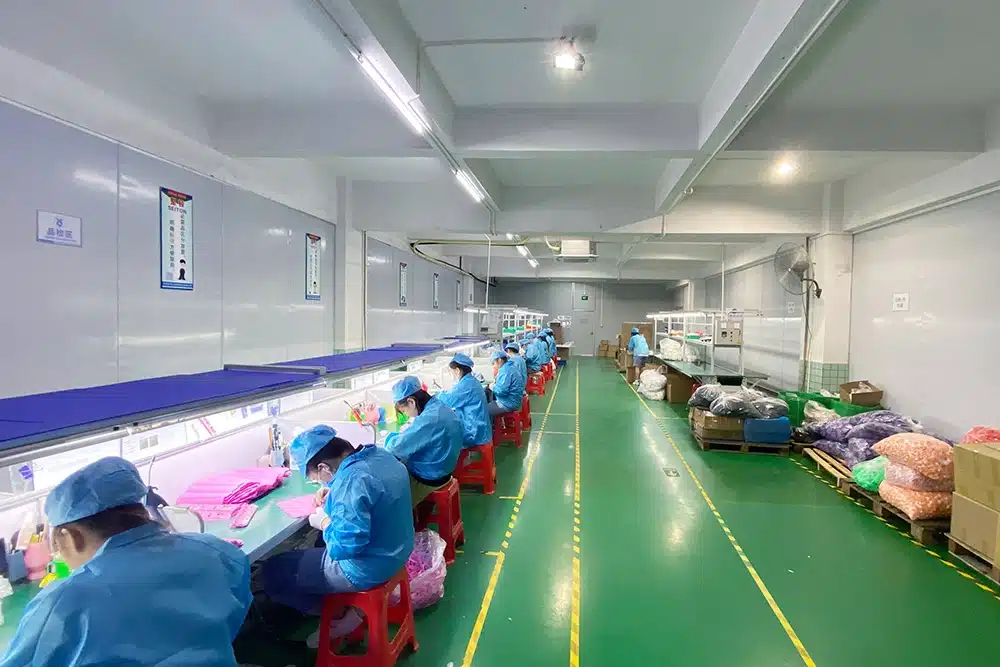
Purchasers should select a manufacturer that can consider the following factors: outdoors material needs, design feasibility, surface finishing, sample testing, QC, and packaging together. A qualified silicone sleeve manufacturer should have the capability to provide you with a custom silicone product manufacturing experience, OEM/ODM silicone sleeve development, assist you with silicone material selection, guide you in the UV resistant and weather resistant material used, and the Shore A hardness, if relevant, sample development and approval, quality control from raw material inspection to product testing, assembly and packaging lines, dust-free or clean production environment, when relevant, and support from concept development, prototype production, sample approval, mass production, packaging, delivery, etc.
| Manufacturer Capability | Why It Matters for Outdoor Silicone Sleeves |
| Material selection support | Helps match silicone grade with sunlight, moisture, heat, and use conditions |
| Outdoor application review | Evaluates UV, weather, grip, cleaning, and durability requirements |
| Hardness guidance | Balances flexibility, grip, shape retention, and installation |
| Wall thickness review | Supports cushioning, durability, and cost control |
| In-house mold capability | Helps control fit, texture, logo, and sample adjustments |
| Silicone molding experience | Supports consistent production quality and durability-related performance |
| Surface finishing options | Helps evaluate matte, coated, soft-touch, or textured surfaces |
| Sample development | Lets buyers test outdoor performance before mass production |
| Quality control system | Checks material, hardness, dimensions, color, logo, texture, and packaging |
| Packaging support | Protects finished sleeves before outdoor product assembly or sale |
Conclusion — Outdoor Silicone Sleeves Need Material, Design and Testing Alignment
When silicone sleeves are designed correctly, they can enhance the grip, comfort, protection, color identity and usability of outdoor products. The factors that affect outdoor durability include: UV exposure, weather, temperature extremes, moisture, dirt, material choice, hardness, wall thickness, texture, color, logo application, surface finish, and QC. For some products that are used from time to time, standard silicone may be appropriate, but products that are exposed to sunlight or left outdoors, or subjected to harsher environments, may necessitate more careful material selection and testing. Samples should be approved and testing requirements should be established with the buyer prior to mass production. The qualified manufacturer can help to review the application circumstances, material options, mold design, surface treatment, quality control, and packaging.
A silicone sleeve that is used outdoors should not only be pleasing to an outsized eye, but should function in the real environment. By planning for UV exposure, weather, handling, texture, material, color, and testing early, buyers can minimize risk of a decrease in durability and create silicone sleeves that are more geared toward outdoor application.