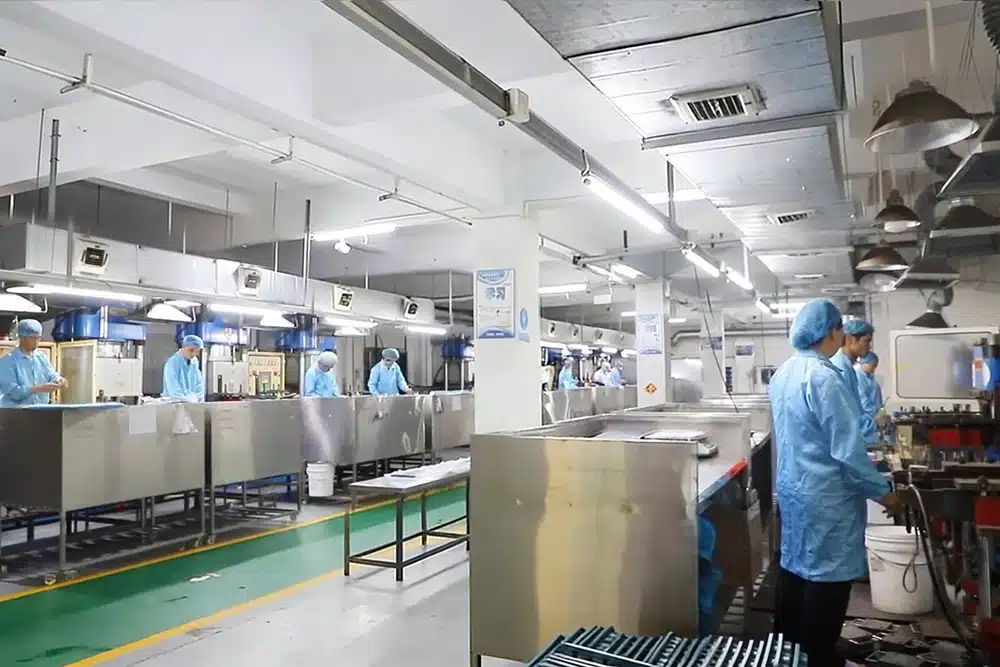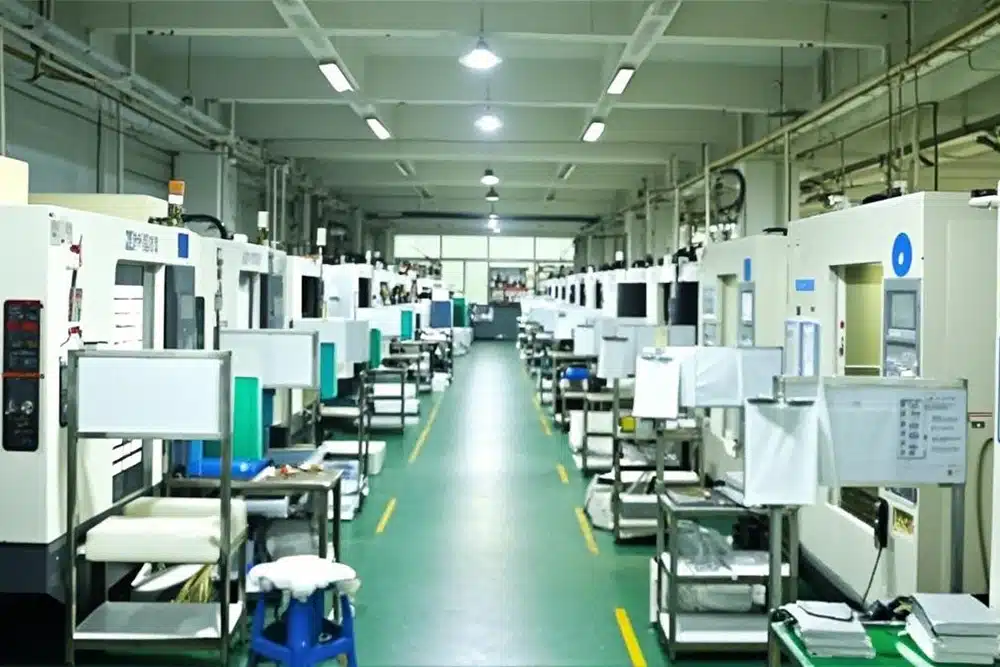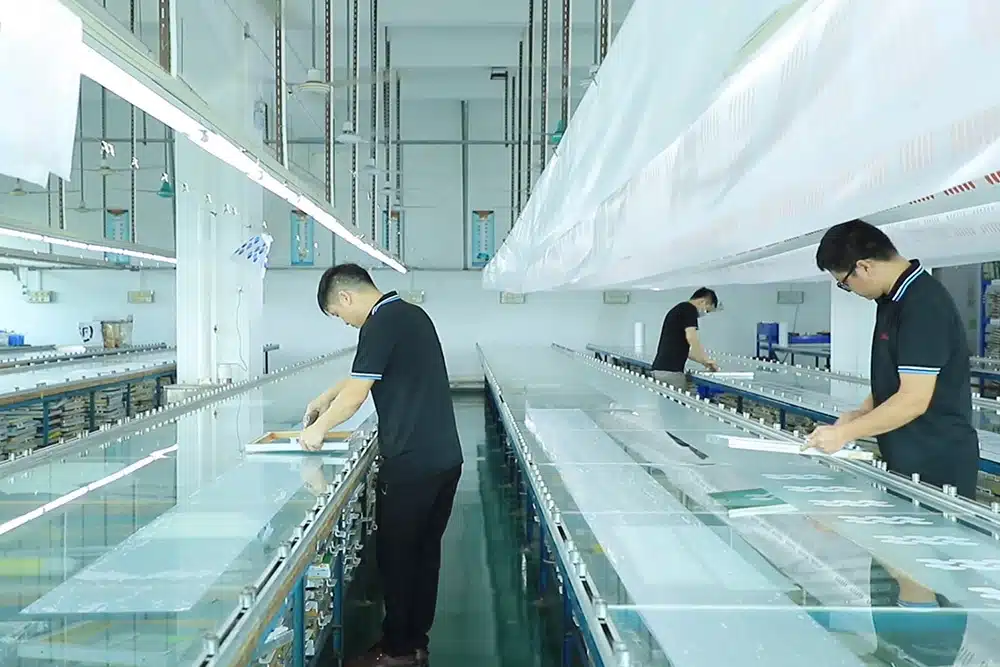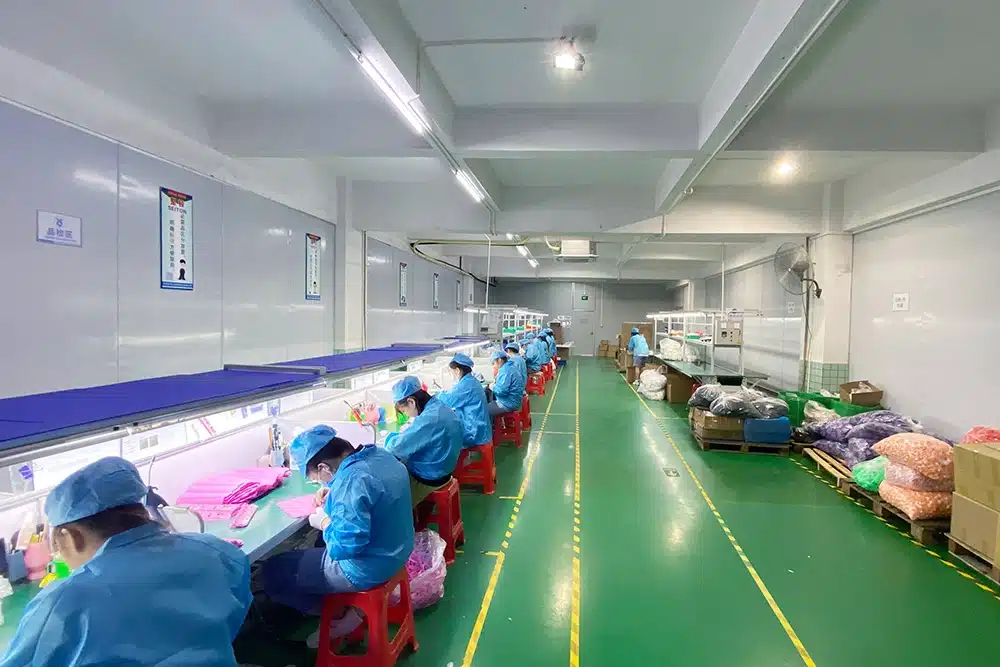

Silicone overmolding is a specialized process manufacturing technique in which liquid silicone rubber (usually LSR) is cast back to retrude onto a solid substrate in place, typically a plastic, to create one component. Overmolding, in contrast to ordinary silicone molding, presents the difficulty of designing a dependable interface between two very different materials, in terms of thermal, chemical and mechanical properties.
What is even more complicated is that silicone has an intrinsic low surface energy that does not offer natural adhesion to a wide variety of substrates. Bonding can be done either by a chemical process (molecular-level adhesion, usually using primers or self-bonding grades), or a mechanical one (undercuts or holes). The issues of surface preparation, material choice and process control are even more critical than just the use of the molding parameters.
It is generally believed among the engineers that silicone bond to most plastics easily, but in reality, unless these two substances are treated or of compatible grades themselves, the interface is weak and subject to separation. The material compatibility and surface engineering are what are of the essence, rather than the pressure or temperature of molding, to perform successful silicone overmolding.
With LSR injection molding process, overmolding further contributes to the level of precision because the substrate should be properly placed and the silicone should flow and cure without interfering with the bond.
How Silicone Overmolding Works (Process Overview)

It is a multi-step task that is well sequenced and, in very few cases, the preparation of the substrate can prove the reliability of the final part more than the molding shot itself.
It begins with the hard part (pre-molded, machined, metal insert) to be placed in the overmolding tool. It is then injection-molded or compression-molded over using a silicone that is usually a two-part LSR, then heat cured to make crosslinks.
Key stages include:
| Process Stage | Purpose | Risk Factors | QC Focus |
| Substrate prep | Ensure surface integrity | Contamination | Cleaning validation |
| Surface treatment | Increase adhesion | Inconsistent treatment | Plasma control |
| Overmolding | Encapsulation | Misalignment | Tool precision |
| Curing | Crosslink bonding | Under-cure | Temperature control |
Surface cleaning eliminates oils and miscellany whereas plasma or corona treatment warms up the substrate surface and allows it to be wetened better. The application of the primers (where necessary) is a chemical bridge. In overmolding, accurate positioning of inserts prevents movement, and controlled curing prevents the development of vices or mechanically weak interfaces.
Materials Compatibility in Silicone Overmolding
The basis of an effective silicone overmolding project is material pairing- any discrepancy in this context causes certain interface problems in the future.
The non-polar character of silicone restricts chemically the number of substrates some of which are common. To overcome this, special self-bonding LSR grades have been formulated so that the primerless adhesion can be achieved in some circumstances.
| Substrate Material | Chemical Bonding Possible? | Mechanical Lock Required? | Risk Level |
| PC | Limited | Often required | Medium |
| ABS | Limited | Recommended | Medium |
| Nylon | Difficult | Required | High |
| Stainless Steel | No chemical bond | Mechanical only | Medium |
| Aluminum | No chemical bond | Mechanical only | Medium |
| PBT | Possible (specific grades) | Sometimes | Low–Medium |
When overmolding on plastic, polar materials such as PC or PBT are compatible with silicone overmolding (where self-bonding LSR is liked) and it should be noted that silicone can also bond with glass-reinforced plastics. Silicone overmolding over metal is virtually entirely dependent on mechanical properties or primers/silane coupling agents because nothing more than a true chemical bond can be formed in the absence of surface activation.
These risks are movable by choice of primer and formulations of a specific grade, although it is always necessary to be able to test – practical behaviour tends to be dissimilar to the underlying theory.
Chemical Bonding vs Mechanical Interlocking
Chemical bonding or mechanical interlocking is not necessarily an either/or situation; lots of dependable parts use both together to provide redundancy.
Chemical binding is based upon molecular sticking at the interface utilizing compatible surface energies, primers or self-bonding LSR formulations. Mechanical interlocking exploits mechanical characteristics in the substrate to capture the silicone, which offers hold in case the bond between adhesion is lost.
| Method | How It Works | Advantages | Limitations |
| Chemical bonding | Molecular adhesion | Clean appearance, no added features | Material dependent, sensitive to contamination |
| Mechanical locking | Undercuts, holes, textures | Reliable even with poor adhesion | Structural design needed, potential stress concentrations |
Chemical bonding is best applied to applications that require smooth looks and can be bonded on substrates (e.g., some plastics with self-bonding LSR). The meta-locking of metals is favored, or where long-term operation at cyclic loads or in the environment is of crucial importance–it is not as sensitive as to the ideal surface conditions.
Practically, mechanical properties tend to supplement chemical efforts, in adverse conditions in particular.
Common Failure Modes in Silicone Overmolding

The worst silicone overmolding failures are not dramatic but slow ones, delaminations, or peel-offs that are detected months in the field.
These are due to interface flaws that are enhanced by real life conditions such as temperature fluctuations, chemicals or mechanical bending.
| Failure Mode | Root Cause | Prevention Strategy |
| Delamination | Poor surface prep | Plasma or primer |
| Peeling | Incompatible substrate | Material testing |
| Thermal failure | CTE mismatch | Design compensation |
| Moisture ingress | Poor sealing | Mold redesign |
| Interface cracking | Stress concentrations | Radius features, uniform thickness |
Silicone overmolding bondages manifestation episodes generally lead to mistreatment of surface activation or contradictory coefficients of thermal expansion (CTE). At edges, delamination is popular where the flow fronts are not sufficiently interlocked. Overmolding failure modes In cases of sustained heat or humidity, the bond strengthening aspect becomes weak, and the first adhesion becomes weak.
Accelerated testing (thermal cycling, humidity soak, peel tests) highlights these problems at the earliest stage – it is often regretted that this step was omitted during any production ramp.
DFM Considerations for Reliable Overmolding
DFM is not an afterthought in silicone overmolding, poor choices in this area create marginal bonds into certain field failures.
Substrate geometry should be able to support flow and curing of silicone without entrapment of air and formation of thin and weak lines.
| DFM Factor | Recommendation | Risk if Ignored |
| Anchor holes | Add locking features | Peel failure |
| Thickness balance | Avoid stress concentrations | Warping |
| Alignment | Precision tooling | Offset bonding |
| Surface roughness | Controlled texture | Adhesion inconsistency |
Including generous drafts, closing off to prevent flash and mechanical anchors (holes, grooves) are to be used as redundancy. Match the thickness of the balance walls to reduce differentials shear. The stack-up between substrate and mold cavities needs to be tolerated with consideration of silicone that shrinks more (usually 2-3 percent).
These, arising from the late changes are more likely to be detected by early coordination between design and tooling teams since sometimes costly revisions of the mold will be necessitated.
When Silicone Overmolding Is Not Recommended
Silicone overmolding has some attractive advantages, without being the solution to every project – it is a waste of time and funds to drive it out of its natural habitat.
It should be avoided on very smooth substrates where no treatment strategy is possible, and the adhesion is not dependable despite primers being used. Low-volume runs have difficulties with the increased tooling and set-up costs than secondary assembly such as adhesive bonding.
Extremely narrow tolerances may experience and denote the shrinkage and thermal characteristics of silicone, resulting in dimensional instability. Interfaces can be damaged more rapidly than anticipated when dealing with applications with high chemical exposure (strong solvents, oils).
Such options as mechanical assembly or alternatives to elastomers should be taken into consideration in such situations.
Conclusion — Overmolding Is a Bonding Engineering Decision

Silicone overmolding can or cannot work at the interface with the material- compatibility can be the highest point, whereas the surface treatment and DFM decisions can be the nearest you can get.
Even the best optimization proved in processing will not cover the root bad fits in chemistry or design. Long term durability cannot compromise early prototyping, adhesion tests and realistic testing of environmental stresses.
Treat it like a real bonding engineering problem, not another molding step and you see the results of that discipline.