
When silicone molds are compared to plastic molds, the right mold can make a significant difference in the performance of your product, customer satisfaction, and your profits. For flexible, heat-resistant and easy to remove applications such as baking, candy making, soap crafting, ice cube trays, and crafting, silicone molds may be better. Plastic molds, on the other hand, excel in settings that require rigidity or structural use, or if you’re looking for a cost-effective solution, like a packaging insert or a display tray that doesn’t need to be heated. The best material isn’t necessarily the cheapest or most fashionable, it is the one that fits the actual usage conditions, production requirements and customer desires for your product.
People often only look at the price per mold when deciding between silicone and plastic molds. However, in real product development, temperature exposure, ease of demolding, durability, ease of cleaning and long-term user experience are much more important. This decision will save you time and money for making costly changes to your tooling and the customer being unhappy later.
Silicone Molds vs Plastic Molds — Which Is Better?
Flexibility, heat resistance, freezer performance, and ease of release are typical factors that should be considered when silicone molds are being used. In cases of rigidity, shape support, display structure or low flexibility applications, plastic moulds may be better. Careful consideration must be given to food-contact, baking, freezer and cleaning needs. Cost should cover: tooling, MOQ, production complexity, packaging, defect risk and user satisfaction. Once a sample is chosen, testing should be done to verify the selection prior to mass production.
For buyers developing baking, candy, soap, ice, beverage, or DIY products, a professional silicone mold design and manufacturing service can help evaluate material, structure, tooling, release performance, and production feasibility before mass production.
Here’s a quick side-by-side look:
| Comparison Factor | Silicone Molds | Plastic Molds |
| Flexibility | Flexible and easy to bend for demolding | Usually rigid or semi-rigid |
| Release Performance | Often easier for baking, soap, ice, candy, and DIY products | May need draft, coating, or release design depending on use |
| Heat Resistance | Suitable for many heat-related applications when material is selected correctly | Depends strongly on plastic type and heat requirement |
| Freezer Use | Maintains flexible release in many freezer applications | Can become stiff or harder to release depending on plastic |
| Food-Contact Use | Food-grade silicone can be used where suitable and tested as required | Food-contact plastic must also match material and testing requirements |
| Durability | Good for repeated bending and demolding | Good rigidity but may crack or deform depending on material and use |
| Surface Feel | Soft, flexible, and user-friendly | Harder, more rigid feel |
| Tooling / Production | Requires silicone mold tooling and molding process control | Requires plastic tooling and injection or forming process |
| Best Applications | Baking, candy, chocolate, soap, ice, beverage, DIY, flexible molds | Rigid trays, packaging, display, some non-heat or low-flex needs |
What Are Silicone Molds?
Silicone molds are final products, manufactured and designed to address specific demolding, temperature and user experience issues. They are very popular for baking, candy making, chocolate, soap, ice cube, beverage, popsicle and DIY mold making as well as promotional products, due to their flexibility and good release.
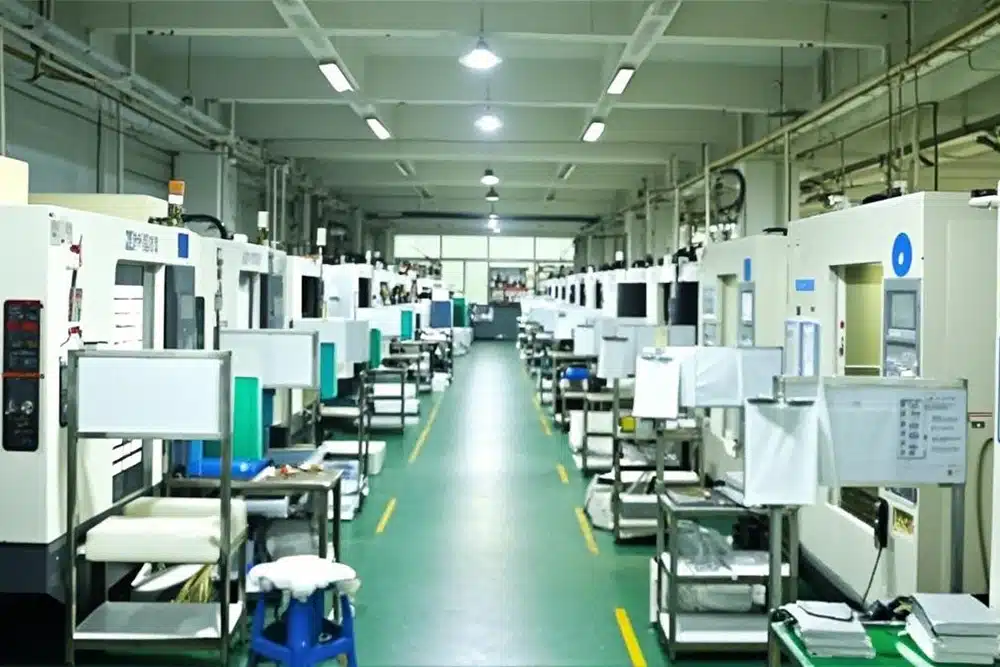
Unlike standard silicone molds, custom silicone molds can be specifically made with custom surface texture, cavity design, brand logos, color, and Shore hardness to fit every specific requirement for performance and brand. Our Dongguan factory manufactures solid (HTV) silicone molds and liquid (LSR) silicone molds by compression molding and co-injection technology, which ensures quality control at every stage of production, from raw materials to finished products.
| Silicone Mold Feature | Buyer Meaning |
| Flexible Material | Easier bending, pushing, and demolding |
| Shore Hardness Options | Allows different levels of softness, support, and release |
| Custom Cavity Design | Supports unique shapes, logos, textures, and product sets |
| Heat-Use Potential | Suitable for baking or warm-contact use when properly specified |
| Freezer-Use Potential | Useful for ice trays, popsicle molds, and beverage molds |
| Food-Contact Material Options | Important for baking, candy, chocolate, ice, and kitchenware |
| Color and Logo Customization | Supports private-label and promotional products |
| Reusable Performance | Good for products designed for repeated use |
| Tooling and QC Needs | Requires proper mold design, sampling, and production control |

What Are Plastic Molds?
In this context, plastic molds means products of the mold which are finished items made of rigid or semi-rigid plastic materials, but not the injection mold which manufacturing the plastic parts. They are typically used in craft applications, in simple trays and forms, packages inserts, or in an application that needs to retain shape and is not flexible.
There are a wide range of grades of plastics from which plastic molds are made (PP, PET, PS, etc.), and as such, the resistance to hot temperatures, suitability for food contact, and durability of plastic molds vary significantly. They can be more cost-effective for some designs that are rigid, but sometimes they have to be combined with extra release features, draft angles and may not provide the same push-out convenience as flexible silicone.
| Plastic Mold Feature | Buyer Meaning |
| Rigid Structure | Holds shape well but may not bend for release |
| Material Variety | Performance depends on specific plastic type |
| Lower Flexibility | May be less suitable for deep cavities or difficult demolding |
| Possible Cost Advantage | May suit simple rigid products or packaging-related uses |
| Heat Limitation | Must be reviewed carefully for hot or oven-use applications |
| Food-Contact Requirements | Food-use products still require suitable material and testing |
| Surface Clarity / Display | Some plastics can support clear or rigid display functions |
| Crack / Warp Risk | Depends on plastic grade, thickness, use, and temperature exposure |
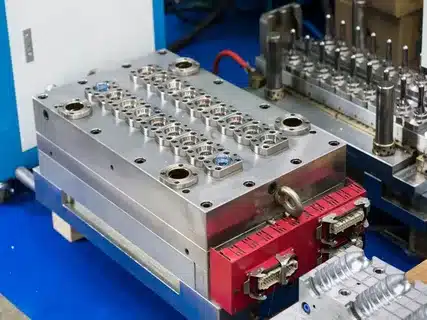
Key Differences Between Silicone Molds and Plastic Molds
The key differences between silicone molds and plastic molds is related to their behavior in real-world stress, temperature, and repeated use. Without knowing what these trade-offs are, people may end up in rework or bad reviews from customers.
| Factor | Silicone Molds | Plastic Molds | Buyer Decision Tip |
| Flexibility | High flexibility | Usually lower flexibility | Choose silicone for bend-and-release applications |
| Demolding | Easier for flexible release | May be harder for deep or detailed shapes | Test release before production |
| Heat Use | Can be suitable with proper silicone grade | Depends on plastic type and heat exposure | Do not assume either material without testing |
| Freezer Use | Often easier to release frozen products | May become stiff depending on plastic | Test freezer release if needed |
| Durability | Good for repeated bending | Good rigidity but may crack under stress | Match durability to user behavior |
| Cleaning | Flexible cavities can be easier to push and clean | Rigid corners may trap residue depending on design | Review cavity geometry |
| Detail Accuracy | Can support molded details with proper tooling | Can support sharp detail in rigid structures | Choose based on product output and release |
| Logo Options | Embossed, debossed, printed, packaging | Molded, printed, label, packaging | Review branding durability |
| Tooling Cost | Depends on silicone mold design and cavity layout | Depends on plastic tooling and material | Compare full project scope |
| User Feel | Soft and premium in many consumer products | Hard and structural | Match brand positioning |
When Silicone Molds Are Usually the Better Choice
When the product requires flexibility and easy separation, silicone molds are typically the more robust option. They are excellent for applications in which the user must push, bend or twist the mould to be able to remove the delicate or sticky contents without damage.
| Product Requirement | Why Silicone May Be Better |
| Easy Demolding | Flexible silicone helps release baked, frozen, soap, candy, or craft items |
| Deep Cavities | Bending and pushing can help remove finished products |
| Baking Use | Suitable heat-resistant silicone can support oven-use projects |
| Freezer Use | Flexible silicone can improve ice or frozen product release |
| Repeated Use | Silicone can handle repeated bending when properly designed |
| Soft User Experience | Flexible feel can improve product perception |
| Custom Shapes | Silicone supports creative shapes and cavity layouts |
| Private-Label Branding | Color, logo, packaging, and molded branding options are available |
| Food-Contact Products | Food-grade silicone can be selected where required and tested as needed |
| DIY / Craft Products | Flexible release helps with soap, resin, clay, plaster, or craft applications |
When Plastic Molds May Be a Better Fit
In cases where flexibility and structural integrity are not as critical, plastic molds might be more suitable. They are still useful for a variety of commercial and retail uses where it is not necessary to repeatedly bend or push-out demold.
| Product Requirement | Why Plastic May Be Suitable |
| Rigid Shape Support | Plastic can maintain a firm shape during handling |
| Display or Packaging Function | Clear or rigid plastic may support presentation and organization |
| Shallow Cavities | Rigid plastic may work if demolding is easy |
| Non-Heat Applications | Plastic may be practical when heat resistance is not required |
| Cost-Sensitive Simple Products | Plastic may reduce cost in some simple designs |
| Limited Flex Requirement | Suitable when bending or push-out release is not needed |
| Structured Inserts | Works well for trays, compartments, and protective packaging |
| Clear Appearance | Some plastics can provide transparent or semi-transparent display effects |
Application Comparison: Baking, Candy, Soap, Ice and DIY Products
For different applications, different materials may be most suitable. A potpourri that is good in one type of situation can be problematic in another.
| Application | Silicone Mold Consideration | Plastic Mold Consideration |
| Baking Molds | Flexible release and heat-use material review | Plastic usually needs careful heat limitation review |
| Candy Molds | Good release and flexible cavity options | May suit simple shallow trays depending on material |
| Chocolate Molds | Flexible or soft demolding for certain designs | Rigid plastic may suit smooth shallow chocolate forms |
| Gummy Molds | Silicone helps release sticky or soft products | Plastic may be harder to demold for small cavities |
| Soap Molds | Flexible release is often useful for deep cavities | Plastic may suit simple shallow soap forms |
| Ice Cube Trays | Silicone helps push out frozen cubes | Plastic may be rigid and harder to twist or push |
| Beverage Molds | Silicone supports flexible freezer release | Plastic may suit rigid shape trays if release is easy |
| Popsicle Molds | Silicone can help demolding and flexibility | Plastic may work for rigid molds with proper design |
| DIY Craft Molds | Flexible release helps with many craft materials | Plastic may suit simple, rigid, shallow applications |
| Promotional Products | Silicone supports color, logo, and soft user appeal | Plastic may suit lower-flex giveaways or packaging |

Heat Resistance, Freezer Use and Dishwasher Cleaning
Silicone molds are not always compatible with plastic molds, as they may have different temperature needs and cleaning requirements. When an appropriate grade is selected and specimens are carefully tested both materials can yield satisfactory results.
| Use Condition | Silicone Mold Review | Plastic Mold Review |
| Oven Use | Select suitable heat-resistant silicone and test samples | Most plastics require strict heat limitation review |
| Hot Ingredient Contact | Review material, exposure time, and odor | Plastic type must be confirmed for temperature exposure |
| Freezer Use | Check flexibility and release after freezing | Some plastics may become stiff or difficult to release |
| Temperature Cycling | Review repeated hot/cold performance | Plastic may crack, warp, or change depending on grade |
| Dishwasher Cleaning | Review hot water, detergent, and repeated cycles | Plastic may deform or degrade depending on material |
| Food-Contact Use | Use suitable material and testing where needed | Use suitable food-contact plastic and testing where needed |
| Retail Claims | Claims should be supported by data or testing | Same rule applies; avoid unsupported claims |
Cost, Tooling and MOQ Comparison
When comparing the costs of silicone mold vs plastic mold, the total project should also be taken into account, not just the per-unit cost on paper.
| Cost Factor | Silicone Molds | Plastic Molds | Buyer Note |
| Tooling Cost | Depends on silicone mold structure and cavity layout | Depends on plastic tooling and process | Compare the same cavity and design scope |
| Unit Price | Affected by silicone weight, cycle, labor, QC | Affected by plastic material, injection/forming process | Cheapest unit price may not mean best value |
| MOQ | Affected by material, color, tooling, packaging | Affected by tooling, material, production setup | MOQ should match launch plan |
| Material Cost | Silicone grade affects cost | Plastic grade affects cost | Material choice must match application |
| Sample Cost | Needed for color, hardness, release, and function | Needed for fit, rigidity, release, and appearance | Approve physical samples |
| Packaging Cost | Flexible products may need shape support | Rigid products may need less shape support | Packaging should protect product value |
| Testing Cost | May be needed for food-contact or heat claims | May also be needed for food-contact or claims | Do not compare without testing scope |
| Long-Term Value | Useful for reusable and branded products | Useful for rigid or cost-sensitive structures | Evaluate customer experience and returns risk |
Sustainability and Product Lifecycle Considerations
Sustainability in silicone molds vs plastic molds goes beyond material labels. The best option for the environment is typically going to be the one that will last longest and which will need to be replaced less often.
| Lifecycle Factor | Silicone Mold Consideration | Plastic Mold Consideration |
| Reusability | Often designed for repeated flexible use | Depends on plastic material and product purpose |
| Product Lifespan | Good design can support long-term use | Rigid products may last if not exposed to stress or heat |
| Breakage Risk | Flexible material reduces cracking risk | Plastic may crack depending on material and handling |
| Material Waste | Wall thickness and design affect material use | Tooling and production efficiency affect waste |
| Packaging Impact | Packaging should be right-sized and protective | Same principle applies |
| Eco Claims | Avoid unsupported sustainability claims | Avoid unsupported recyclability or eco claims |
| Customer Behavior | Reusable products depend on real user care | Product lifespan depends on actual use conditions |
Common Mistakes When Choosing Between Silicone and Plastic Molds
Even seasoned sourcing teams can sometimes get it wrong on material selection and face downstream issues. Here are the ones that we see the most.
| Common Mistake | Better Approach |
| Choosing Only by Unit Price | Compare material, tooling, testing, packaging, QC, and customer experience |
| Ignoring Temperature Use | Confirm oven, freezer, dishwasher, or warm-contact conditions |
| Ignoring Demolding | Test real release performance before production |
| Assuming All Silicone Is Food-Grade | Confirm silicone material and testing needs |
| Assuming All Plastic Is Poor Quality | Evaluate plastic type, function, and application honestly |
| No Real-Use Testing | Test baking, freezing, soap release, candy release, or craft use |
| Ignoring Cavity Design | Review depth, radius, wall thickness, and release direction |
| Wrong Material for Deep Cavities | Use flexible material when push-out release is needed |
| Wrong Material for Rigid Needs | Use rigid material when structure is more important than flexibility |
| No Packaging Fit Check | Test product and packaging together |
| Unsupported Claims | Use only claims supported by material data or testing |
| Comparing Incomplete Quotes | Confirm material grade, tooling, MOQ, QC, and testing scope |
What Buyers Should Prepare Before Choosing a Material
Smart buyers have a concise brief to send out prior to sending out their quotes or samples. The more complete your information is the quicker and more accurate the manufacturer’s recommendation will be.
| Information to Prepare | Why It Helps Material Selection |
| Product Application | Determines whether flexibility, rigidity, heat, or release matters most |
| Food-Contact Status | Helps define material and testing requirements |
| Heat Exposure | Important for baking or warm-contact products |
| Freezer Use | Helps evaluate low-temperature release and flexibility |
| Dishwasher Cleaning | Affects durability and claim review |
| Flexibility Requirement | Helps decide whether silicone is needed |
| Rigidity Requirement | Helps decide whether plastic may be suitable |
| Cavity Depth | Deep cavities often need flexible release |
| Product Dimensions | Affects tooling, material use, packaging, and cost |
| Wall Thickness | Influences strength, flexibility, and durability |
| Logo Requirement | Affects tooling, printing, or packaging branding |
| Color Requirement | Helps evaluate pigment and sample needs |
| Packaging Style | Affects retail presentation and protection |
| Order Quantity | Supports tooling, MOQ, and unit price planning |
| Target Market | Affects documentation, labeling, and testing expectations |

How a Manufacturer Helps Decide Between Silicone and Plastic
A qualified manufacturer will not only provide you with quotes, but will also be able to use real application data to help you determine which material is most suitable, silicone or plastic. We at Dongguan HT Silicone & Rubber Co., Ltd. specialize in custom silicone product development, and can promptly let you know if silicone is suitable or not, and whether it is more practical to use plastic instead.
| Manufacturer Capability | Why It Matters for Material Decision |
| Application Review | Helps confirm whether silicone is suitable for the intended use |
| Material Selection Support | Matches silicone grade, hardness, color, and performance needs |
| Design Review | Checks wall thickness, cavity depth, release, and user experience |
| Tooling Capability | Supports custom silicone mold development and sample revisions |
| Prototype Development | Allows buyers to test silicone performance before mass production |
| Production Process Control | Helps maintain stable molding, curing, and product consistency |
| Quality Control | Checks hardness, dimensions, appearance, release, and packaging |
| Branding Support | Supports logo, color, surface finishing, and private-label presentation |
| Packaging Support | Helps protect flexible silicone products and prepare retail packaging |
| Export Experience | Supports communication, documentation, and international shipment planning |
Final Buyer Checklist: Silicone or Plastic?
Please use this checklist prior to your tooling or placing your order.
| Checklist Question | If Yes, Consider Silicone | If Yes, Consider Plastic |
| Does the product need flexible release? | Yes | Usually no |
| Will the product be used for baking? | Often yes, with suitable material | Only if plastic material supports the condition |
| Will it be used in the freezer? | Often yes for push-out release | Possible if rigidity is acceptable |
| Are deep cavities required? | Often yes | Only if release is easy |
| Is the product mainly for rigid display? | Not always necessary | Often yes |
| Is soft user feel important? | Yes | No |
| Is structure rigidity more important than flexibility? | Not usually | Yes |
| Is logo molded into flexible product needed? | Yes | Possible depending on plastic tooling |
| Is product protection/packaging the main purpose? | Sometimes | Often |
| Is reusable customer experience important? | Often yes | Depends on plastic material and design |
| Are cost and MOQ realistic for the chosen material? | Confirm with supplier | Confirm with supplier |
| Has physical sample testing been completed? | Required before bulk production | Required before bulk production |
Conclusion — Choose the Material That Matches Real Product Use
The choice between silicone molds and plastic molds isn’t a simple and straightforward one. Silicone molds stand up better for features like flexibility, release, heat and freezer use, soft touch and repeat use. Rigid display structure, simple low flex applications or, when rigidity predominates, plastic molds can be useful. Prior to selecting material, buyers need to specify product use, temperature to be used, food contact requirements, cavity design, packaging, MOQ, and the required tests. Early in development, a decision on the type of material eliminates tooling changes, sample delays and bulk production risks.
HT Silicone has helped hundreds of brands go through this process. From flexible silicone molds to a combination of silicone and another method, our in-house engineering, mold-making, and quality-control teams are ready to help you make the best choice and ensure prototype to mass production repeatability and quality. Present your product summary and let’s discover the ideal material for your objectives.