
The performance of silicone gaskets and pads is predictable and highly durable and low maintenance where precision is most critical in automated manufacturing lines. These components are used in robotics, sensor systems, control panels, and high-speed machinery that operate continuously under high stress conditions, for sealing, vibration damping, and environmental protection.
Both engineers and equipment designers use custom silicone solutions because they are flexible and extremely resistant to conditions of temperature and stable over time. This is a guide to the applications and practical design of silicone gaskets and pads for industrial automation, to real world requirements in modern manufacturing facilities.
When you understand typical applications and design tips, you can specify better silicone gaskets and pads for industrial automation that deliver reliable sealing, vibration damping, and protection in automated production lines.
Why Industrial Automation Demands High-Performance Silicone Sealing
Industrial automation systems must function at high speed and with minimal downtime increasing the amount of vibration, temperature fluctuations, dust, moisture and mechanical stress being placed on the component. This situation often causes failure of traditional materials, resulting in leaks, equipment damage, or expensive stops for maintenance.
Excellent elasticity, Chemical resistance and wide temperature range performance are solved by Silicone gaskets and pads. They can be used in sealing electrical enclosures, vibration isolation in sensitive electronics and protection of critical assemblies in robotic arms, conveyor systems and automated assembly lines.
How Automation Expansion Drives Demand for Silicone Sheets, Gaskets, and Molded Seals
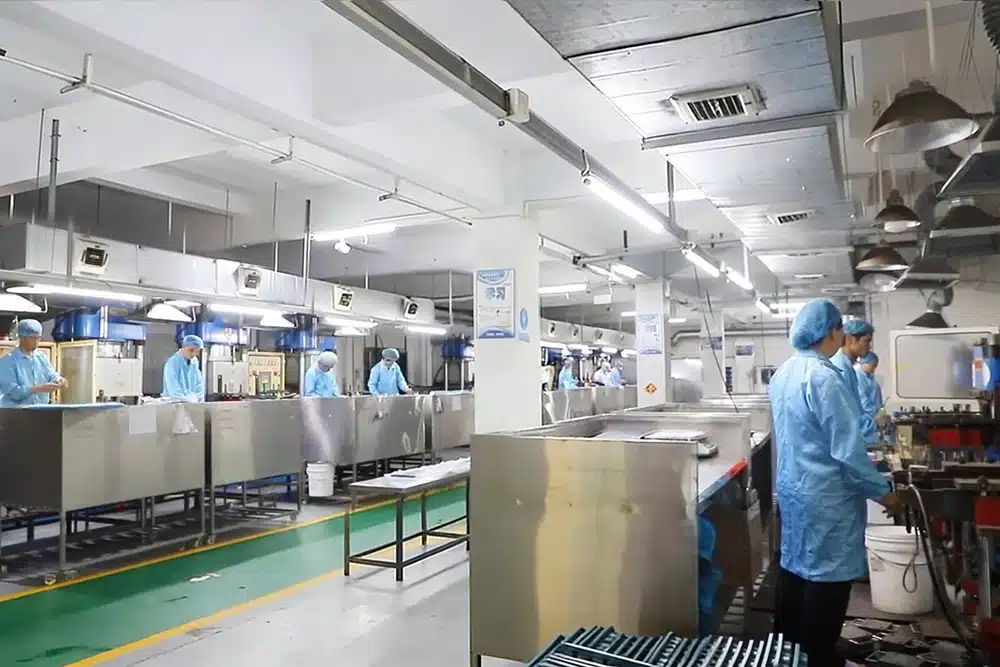
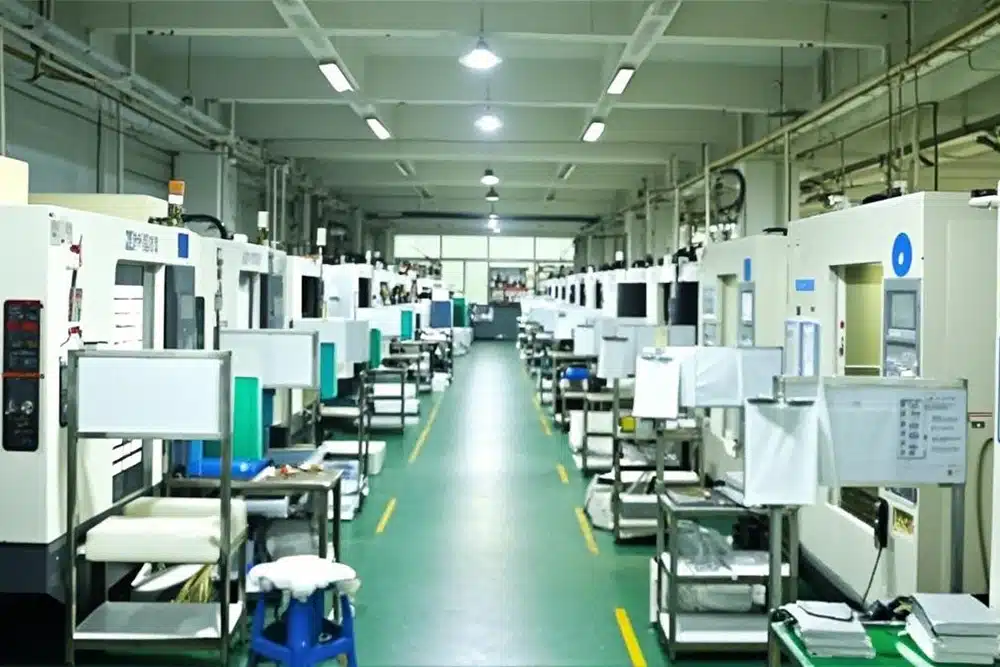
The trend of using robotics, sensors, and continuous production systems is continuing to grow in smart factories. Silicone sheets, gaskets and molded seals are used in many applications where durability and precision are essential. They seal control cabinets, absorb vibrations on sensor mounts and keep electronics safe in extreme conditions. We make these components at our Dongguan plant with both HTV compression molding and LSR to fit the exact automation specifications.
Application #1 – Reliable Sealing in High-Speed Machinery
One of the main uses of silicone gaskets and pads in industrial automation is reliable sealing components in fast-moving machinery. These components act as a seal to stop the leakage of fluid in pneumatic or hydraulic systems, insulation of electrical connections, and enclosure integrity during continuous use.
Typical applications include seals for enclosure of control panels and electrical cabinets, hydraulic and pneumatic system seals, cooling system gaskets, HVAC ductwork seals and connection seals for automated equipment. Silicone provides good sealing performance without maintenance under vibration loads and thermal cycling.
Adhesive-Backed Gaskets for Faster Installation and Reduced Downtime
Adhesive backed silicone gaskets make it easier to assemble because it secures the gasket in place prior to final compression. This saves installation time and error on the production line, particularly important at short maintenance window in an automated environment.
Adhesive retains performance in temperature cycling, exposure to outdoors (as appropriate) and mechanical vibration. They can be found in control panel seals, electrical cabinet seals, and HVAC ductwork seals in high-speed production settings.
Temperature Cycling and Vibration Resistance for Machine Enclosure Seals
Machine enclosure gaskets need to be capable of resisting changes of temperature and continuous vibration without losing compression. Silicone gaskets are known for their durability and ability to maintain flexibility in temperatures ranging from -60°C to +230°C, ensuring reliable sealing under continuous use.
These are used to be designated by designers for control panels, electrical cabinets and machinery enclosures where failure could cap the total production line. Long service life and uniform protection of IP-rated is achieved through proper material selection.
Application #2 – Vibration Damping for Sensitive Systems
The field of industrial automation is another major application of silicone gaskets and pads for vibration damping of sensitive systems. Vibration can deter degradation of sensors, misalignment of components or shorten the life of electronic assemblies in high speed machinery.
Common applications are sensor mounting pads, electronic assembly dampers, control panel vibration isolation, robotic arm vibration damping, motor vibration isolation mounts and pump vibration isolation mounts. Inherent damping properties of silicone effectively absorbs energy and retains structural integrity.
Silicone Spacers, Holders, and Dampeners for IP Sealing Applications
In addition to sealing, many silicone parts are also used as spacers, holders or dampeners. Custom and standard gaskets isolate vibration and provide IP sealing, ensuring accurate positioning and protection of sensitive electronics.
Throughout production automation, these solutions are commonly used in sensor mounting pads, electronic assemblies, and control panel isolation systems.
Durometer and Compression Selection for Vibration Damping
Vibration absorption takes place better with a lower durometer (softer) silicone and, if the compression is adequate, the damping effect will remain under load. The challenge for engineers is to design a soft material that has a high compression set resistance as well.
The appropriate selection of durometer can help to minimize vibration transfer and increase equipment life in applications such as robotic arms, sensor mounts, and motor isolation.
Application #3 – Protection for Electronic Assemblies
Among the most important applications of silicone gaskets and pads in industrial automation is protection. There are many sensors, controllers, circuit boards within automated systems that need to be protected from dust, moisture, and mechanical injury.
IP sealing for electronic enclosures (IP65 – IP69K), dust and moisture seals for control panels, electrical equipment and switchgear seals, sensor housing seals, connector and cable seals are key applications.
IP65–IP69K Sealing for Harsh Industrial Automation Environments
Silicone gaskets are suitable for use in harsh environments and are commonly found in areas with high levels of IP rated protection. They help keep electronic enclosures free of dust and water, keeping equipment working in the presence of water jets, dust or chemicals.
These powerful seals support control panels, sensor housings and electrical cabinets and help to ensure uptime in challenging automation environments.
Electrical Insulation and Moisture Resistance for Switchgear and Control Panels
Silicone is a highly moisture resistant material with good electrical insulation properties. This is the perfect solution for switchgear, control panels, sensor enclosures and connector seals where safety and reliability are paramount.
It has a high resistance to UV, air and chemicals used in industrial applications, and can withstand leaks and mechanical damage.
Design Tip #1 – Temperature Range and Material Selection
They are flexible and seal in high temperatures (-60°C to +230°C), withstanding softening in hot temperature and hardening in cold temperature, which are applicable for various automation scenes.
Match the chemical exposure and regulatory requirements for the application with the specific grade—food-grade, medical-grade, or industrial. This will provide longterm reliability and compliance.
High-Temperature Silicone Press Pads for Pressures Exceeding 350 PSI
Specialized high temperature silicone press pads are designed for strong pressure resistance that offers high PSI capacity up to 350 PSI and remains elastic. They are outstanding in hydraulic systems, press equipment and high pressure machinery in automated lines.
Design Tip #2 – Compression, Thickness, and Groove Design
Sealing is based on the proper compression, thickness, and groove design. Strongly sealing under high pressure and high temperature, solid silicone gaskets are durable. Compression must be calculated so that a good seal is formed without over compressing the material, as this may shorten the life of the compression.
Solid Silicone Gaskets for High-Pressure and High-Temperature Automation Systems
In industrial machinery, solid silicone gaskets are popular due to their ideal combination of strength and flexibility. They are reliable in hydraulic systems, press equipment, and other critical components of automation.
Design Tip #3 – Adhesive-Backed vs Compression-Fit for Installation
Select installation method according to assembly and operating pressures. The adhesive-backed varieties are quick to install and the compression-fit types perform better under heavy pressure.
When to Choose Adhesive-Backed for Faster Installation
Backed silicone gaskets speed up the installation time and keep in place while being installed. They are suitable for control panels, HVAC systems, electrical cabinets and other applications where placement speed and accuracy are important.
When to Choose Compression-Fit for High-Pressure Sealing
Compression fit gaskets offer superior, non-adhesive sealing for hydraulic systems, press equipment and high pressure machinery. They are very good in situations where they need to exert the greatest sealing pressure.
Future Trends – Embedded Sensors and Predictive Diagnostics in Silicone Gaskets
AI, IoT, and automation are reshaping the silicone gasket industry. Embedded sensors will be used in the future designs for real-time health monitoring, predictive maintenance, and adaptive performance in automated production lines.
How AI and IoT Are Driving Silicone Gasket Market Growth in Automation
Gasket-integrity embedded sensors allow for continual monitoring of gasket compression, temperature, and integrity. This enables prediction diagnostics, which minimize unexpected downtime and maximize the efficiency of maintenance in smart factories.
Summary – Sealing, Vibration Damping, and Protection as Core Automation Functions
Silicone gaskets and pads are especially effective for three functions in industrial automation: they are vibration dampers for sensitive machinery, reliable sealing in high-speed equipment, and protect electronic assemblies. Some of the most important design factors to consider are the operating temperature range (-60°C to +230°C), the type of adhesive (adhesive-backed or compression fit) and the thickness of the compression film.
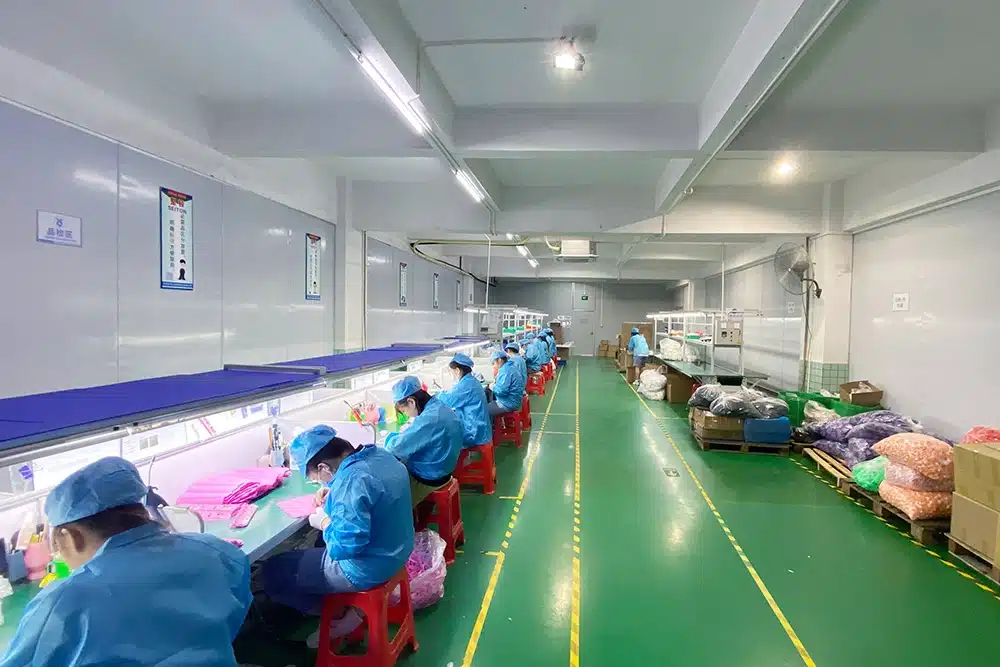
These uses and suggestions enable engineers to select components that will help to ensure reliability, reduce maintenance efforts and facilitate uninterrupted operation of automated facilities. Our in-house mold making, state-of-the-art production processes and quality control systems guarantee we can provide the solutions that meet your automation needs.