
In the electronics industry, silicone dispensing involves applying silicone material in small, precise amounts to specific regions such as joints, grooves, housings, connectors, or interfaces between components. The local application process provides localized sealing, insulating, cushioning, vibration damping, and component protection without sealing the entire assembly. It is a flexible solution for OEM consumers, building reliable electronics systems with clean design and effective production in consumer electronics, wearables, automotive, home appliances and other fields.
Many buyers think that silicone dispensing is a substitute for all protection products; however, it works best in specific applications. The use of silicone for electronics protection can enhance a product’s performance in the field when the materials, bead design and process control are compatible. Knowing about the time and how to use it prevents common problems and ensures the same quality in the prototype as in mass production.
What Is Silicone Dispensing for Electronics?
A controlled secondary processing technique involves applying silicone adhesive, sealant or protective material in precise patterns to specific areas of an electronic product or assembly, an application of silicone dispensing for electronics. It is differently applied than random application, and it can be used to form dots, lines, beads, pads or sealing profiles for meeting specific functional needs.
This approach is different from regular gluing or wide coating, as it is focused on accuracy and repeatability in large-scale production. It can be used as an assembly line post molding or post assembly step as a compliment to other custom silicone solutions.
| Item | Explanation |
| Process Type | Controlled silicone application for selected electronic product areas |
| Material Used | Silicone adhesive, silicone sealant, liquid silicone, or protective silicone material |
| Application Area | Housings, covers, joints, grooves, connectors, pads, contact areas, or assembly interfaces |
| Main Purpose | Sealing, insulation, cushioning, vibration damping, bonding support, or localized protection |
| Common Output | Silicone beads, dots, protective pads, sealing lines, insulating areas, or soft-touch features |
Why Electronics Products Use Silicone Dispensing
Silicone dispensing is a cost effective solution for targeted application in order to achieve beneficial effects at critical points in the electronics products.
| Electronics Requirement | How Silicone Dispensing Helps |
| Sealing | Adds controlled beads around joints, grooves, covers, or interfaces |
| Insulation | Helps protect selected areas from electrical contact or exposure |
| Cushioning | Soft silicone material can reduce impact or pressure on components |
| Vibration Damping | Flexible silicone helps absorb movement in assembled products |
| Dustproofing | Fills small gaps or edges where particles may enter |
| Moisture Resistance | Supports localized protection when properly designed and tested |
| Anti-Slip Function | Adds grip dots, lines, or pads to contact surfaces |
| Soft-Touch Feel | Improves user comfort on wearable or handheld products |
| Assembly Support | Helps position, bond, or stabilize selected parts |
Common Electronics Applications for Silicone Dispensing
When localized material placement can help maintain consistent appearance and function, silicone dispensing can be beneficial in a wide variety of product categories.
| Product / Assembly Type | Typical Silicone Dispensing Application |
| Consumer Electronics Accessories | Anti-slip pads, protective beads, bonding support, soft-touch features |
| Wearable Devices | Comfort pads, sealing areas, flexible contact zones, waterproof support |
| Electronic Housings | Sealing lines around covers, joints, or enclosure edges |
| Personal Care Devices | Washable product sealing, grip areas, skin-contact soft silicone details |
| Automotive Electronics | Vibration damping, dustproofing, sealing, and component protection |
| Home Appliance Electronics | Control panel protection, cushioning, or sealing around interfaces |
| Remote Controls | Button area sealing, grip support, or protective silicone details |
| Charging Accessories | Anti-slip pads, protective zones, and localized cushioning |
| Sensor Covers | Soft protective pads and localized shielding support |
| Industrial Electronics | Insulation, cushioning, and environmental protection in selected areas |
Silicone Dispensing vs Potting, Coating and Overmolding for Electronics
Among the electronics protection methods, silicone dispensing comes in with a certain bang, but it’s quite different than other methods in terms of application, cost, and scope.
| Process | Main Purpose | Best For | Key Limitation |
| Silicone Dispensing | Localized sealing, insulation, cushioning, or protection | Points, lines, grooves, pads, joints, and selected areas | Not intended for full encapsulation |
| Silicone Potting | Encapsulating electronic components or assemblies | Full-volume protection against moisture, vibration, and contaminants | Adds weight and may reduce serviceability |
| Silicone Coating | Creating a broader protective or tactile surface layer | Surface protection, grip, appearance, or soft-touch finish | Not ideal for controlled bead or gap filling |
| Silicone Adhesive Dispensing | Bonding components while maintaining flexibility | Multi-material assemblies or bonded electronic parts | Requires adhesion compatibility testing |
| Silicone Overmolding | Integrating silicone onto a part during molding | Strong integrated protection or soft-touch structures | Requires mold investment and design validation |
| Molded Silicone Parts | Pre-formed covers, pads, gaskets, or sleeves | Repeatable protective components | Requires separate molding and assembly planning |
Design Factors That Affect Electronics Protection Performance
The key to successful silicone dispensing for the electronics begins with product design from the ground up, taking into account the area in which it should flow, what its function is, and the assembly process.
| Design Factor | Why It Matters |
| Dispensing Access | The nozzle must reach the target area consistently |
| Bead Geometry | Width and height affect sealing, cushioning, and fit |
| Component Spacing | Tight spaces may limit material placement or inspection |
| Groove / Gap Design | Helps control silicone flow and bead position |
| Base Material | Determines adhesion and surface preparation needs |
| Assembly Tolerance | Variation between parts can affect sealing or contact performance |
| Heat Exposure | Material must remain stable under expected operating temperatures |
| Moisture Exposure | Design should support realistic sealing and testing needs |
| Vibration / Impact | Flexible silicone may help absorb movement or shock |
| User Contact | Skin-contact or grip areas may require suitable material selection |
| Electrical Requirement | Insulation areas should be clearly defined and tested |
How the Silicone Dispensing Process Works for Electronics
The silicone dispensing process for electronics is a well-defined process that links design, material selection, application, curing and verification to ensure a consistent result.
| Process Step | What Happens | Why It Matters |
| Design Review | Engineers review the protection area, function, and product structure | Confirms whether dispensing is suitable |
| Material Selection | Silicone adhesive, sealant, or protective silicone is selected | Affects flexibility, adhesion, curing, and durability |
| Compatibility Check | Base material and silicone behavior are reviewed or tested | Reduces adhesion and performance risks |
| Surface Preparation | Parts are cleaned or treated if needed | Improves adhesion and reduces contamination |
| Fixture Setup | Parts are held in a repeatable position | Supports bead position and batch consistency |
| Dispensing Setup | Bead size, path, pressure, speed, and nozzle are defined | Controls silicone placement and appearance |
| Silicone Dispensing | Silicone is applied to selected electronic areas | Creates sealing, insulation, cushioning, or protection |
| Curing | Material cures under controlled conditions | Stabilizes final performance |
| Inspection | Appearance, position, adhesion, and function are checked | Helps prevent defects before shipment |
Quality Risks in Silicone Dispensing for Electronics
If not properly controlled, quality risks associated with silicone dispensing for electronics may affect appearance, function, assembly fit and long-term reliability.
| Quality Risk | Possible Cause | Prevention Method |
| Misaligned Bead | Poor fixture design or part positioning | Use accurate jigs and repeatable loading methods |
| Overflow | Excess material, high pressure, or poor bead design | Control volume, pressure, and dispensing path |
| Missing Material | Blocked nozzle, unstable flow, or path interruption | Inspect output and validate process parameters |
| Bubbles | Air trapped in material or unstable dispensing | Improve material handling and pressure control |
| Poor Adhesion | Surface contamination or material mismatch | Clean, pretreat, and test compatibility |
| Incomplete Curing | Incorrect time, temperature, or material choice | Validate curing conditions before production |
| Assembly Interference | Bead height or position not aligned with design | Review tolerance and assembly fit |
| Insufficient Protection | Incomplete coverage or wrong material selection | Define protection area and test functional performance |
Quality Control and Testing Considerations
Silicone dispensing for electronics is not a standard inspection application, and should be inspected based on the specific protection needs of that product.
| QC / Test Method | What It Checks | When It Is Useful |
| Visual Inspection | Overflow, bubbles, gaps, contamination, surface defects | General electronics accessories and visible areas |
| Position Check | Whether silicone is applied to the correct area | Narrow grooves, pads, joints, and component interfaces |
| Bead Measurement | Width, height, and consistency | Sealing, cushioning, or appearance-critical products |
| Adhesion Test | Bonding between silicone and base material | Bonded assemblies and protective silicone features |
| Sealing Test | Moisture or dust protection performance | Housings, covers, washable products, outdoor electronics |
| Insulation Check | Whether selected areas are properly protected | Electronic assemblies with insulation requirements |
| Assembly Fit Test | Whether silicone affects assembly or mating parts | Multi-part electronic products |
| Aging / Environmental Test | Long-term material stability | Products exposed to heat, UV, moisture, or repeated use |
| Traceability Record | Material batch, process settings, inspection results | OEM projects requiring long-term quality control |
Advantages and Limitations Buyers Should Understand
Silicone dispensing can be beneficial for a variety of electronics applications, and can benefit best when chosen for its design and performance requirements.
| Advantages | Limitations |
| Supports localized sealing, insulation, cushioning, and protection | Not suitable for every full-encapsulation requirement |
| Helps reduce material use compared with full potting in some cases | Requires accurate bead design and dispensing control |
| Maintains flexibility for wearable and handheld products | Surface compatibility must be tested |
| Can improve grip, comfort, and soft-touch contact areas | Excess material may interfere with assembly |
| Supports custom electronics accessory designs | Critical waterproofing or insulation may require functional testing |
| Can be integrated into OEM assembly workflows | Curing time and handling must be planned |
What OEM Buyers Should Prepare Before Requesting a Quote
Having clear technical information in hand prior to manufacturer contact will improve the accuracy of quotations, shorten sample development time, and enhance final quality.
| Information to Prepare | Why It Helps |
| 3D CAD File | Helps engineers review geometry, access area, and fixture needs |
| 2D Drawing | Defines dimensions, tolerances, and critical notes |
| Product Sample | Helps evaluate real surface condition and assembly structure |
| Protection Area | Clarifies where silicone should be applied |
| Base Material | Determines adhesion and surface preparation requirements |
| Functional Purpose | Confirms whether the goal is sealing, insulation, cushioning, grip, or bonding |
| Use Environment | Helps select suitable material and testing methods |
| Bead or Pad Requirement | Helps estimate feasibility, material usage, and process control |
| Testing Requirement | Defines sealing, insulation, aging, adhesion, or assembly validation |
| Estimated Quantity | Helps plan manual, semi-automatic, or automated dispensing method |
How to Choose a Manufacturer for Electronics Silicone Dispensing
There is more to choosing the ideal partner for silicone dispensing than just the ability to dispense silicone. The knowledge of materials, process control and support for application to electronics of experienced manufacturers is good.
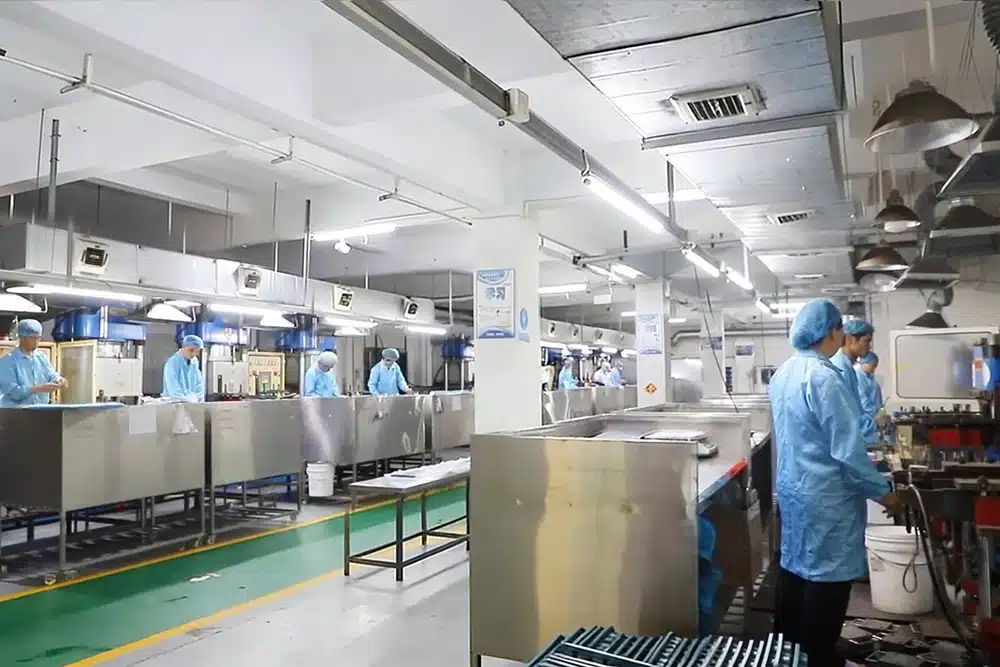
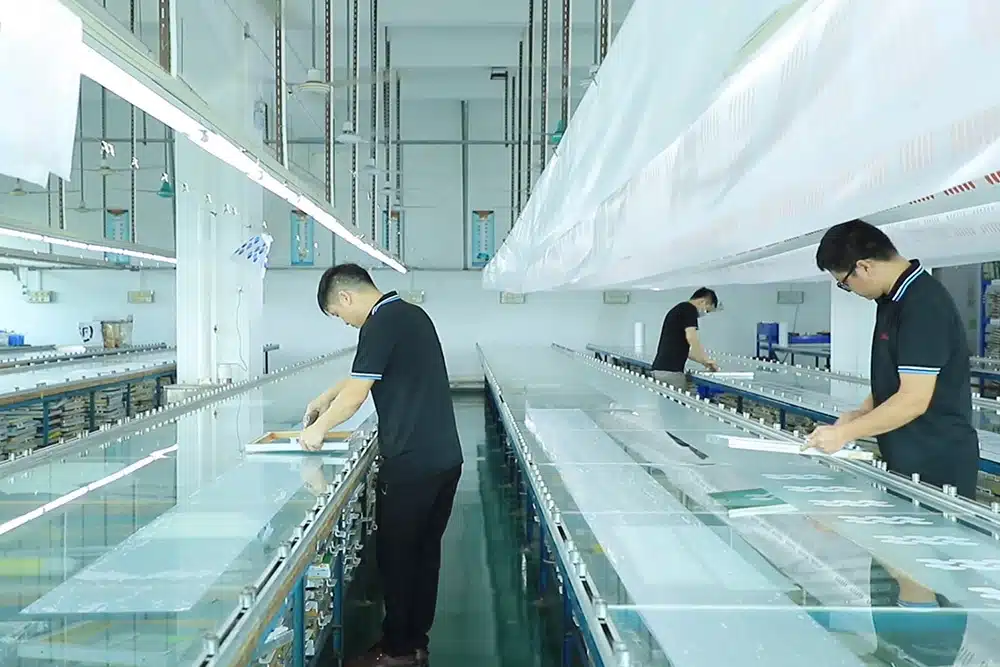
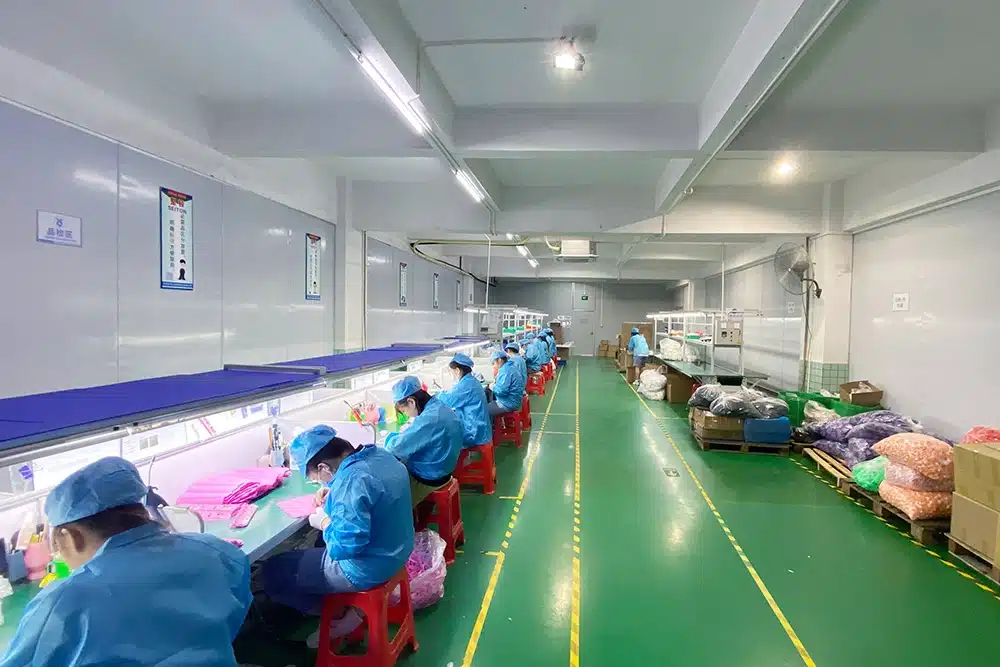
Some of the essential skills to assess are silicone material knowledge, fixture and jig design, control of dispensing parameters, surface preparation experience, curing process management, clean assembly environments and overall quality systems. A competent OEM/ODM partner also has the in-house expertise needed to manufacture products using mold making, co-injection, printing and laser engraving, and the production facilities that are dust free to ensure full project requirements for consumer electronics, wearables, automotive and personal care product applications.
| Supplier Capability | Why It Matters |
| Silicone Material Knowledge | Helps match flexibility, insulation, adhesion, and durability requirements |
| Electronics Application Understanding | Supports better review of sealing, insulation, and assembly risks |
| Fixture and Jig Design | Improves bead position and repeatability |
| Dispensing Parameter Control | Helps control volume, bead shape, path, and consistency |
| Surface Preparation Experience | Reduces peeling, contamination, and weak adhesion risks |
| Curing Process Control | Stabilizes final material performance |
| Clean Assembly Environment | Reduces dust and particles on sensitive surfaces |
| Quality Inspection System | Verifies appearance, position, adhesion, curing, and function |
| OEM/ODM Project Experience | Supports sample development, testing, and mass-production consistency |
Common Misunderstandings About Silicone Dispensing for Electronics
There are a number of common misconceptions that might lead to unrealistic expectations or delays in the project:
- Silicone dispensing does not replace the potting or potting the entire unit.
- Increasing the amount of silicone does not always mean gaining greater protection.
- A visually clean bead doesn’t necessarily mean that it’s capable of sealing or insulating.
- When attaching to other materials such as plastic, metal, existing coatings, etc., it always requires testing.
- Before proceeding to samples, the electronics protection goals need to be well defined.
- For critical applications, functional testing is more pertinent than visual testing.
- Automation can help to enhance uniformity, but correct fixtures, material control and inspection are still critical.
Conclusion — Electronics Protection Requires Controlled Silicone Placement
Silicone dispensing for electronics offers a solution for sealing, insulating, cushioning, vibration damping, bonding support, gripping and protecting individual parts. This is in contrast to full potting, broad coating, over molding or pre-molded silicone components, which can be used for specific applications in consumer electronics, wearables and industrial assemblies.
Ultimately, these include careful selection of the material, careful design of the product, compatibility of the base materials, dispensing accuracy, curing control, assembly considerations and thorough examination. The OEM buyer can rely on a successful manufacturing process that meets protection requirements and improves product performance and customer satisfaction by establishing protection requirements early and collaborating with experienced manufacturers.