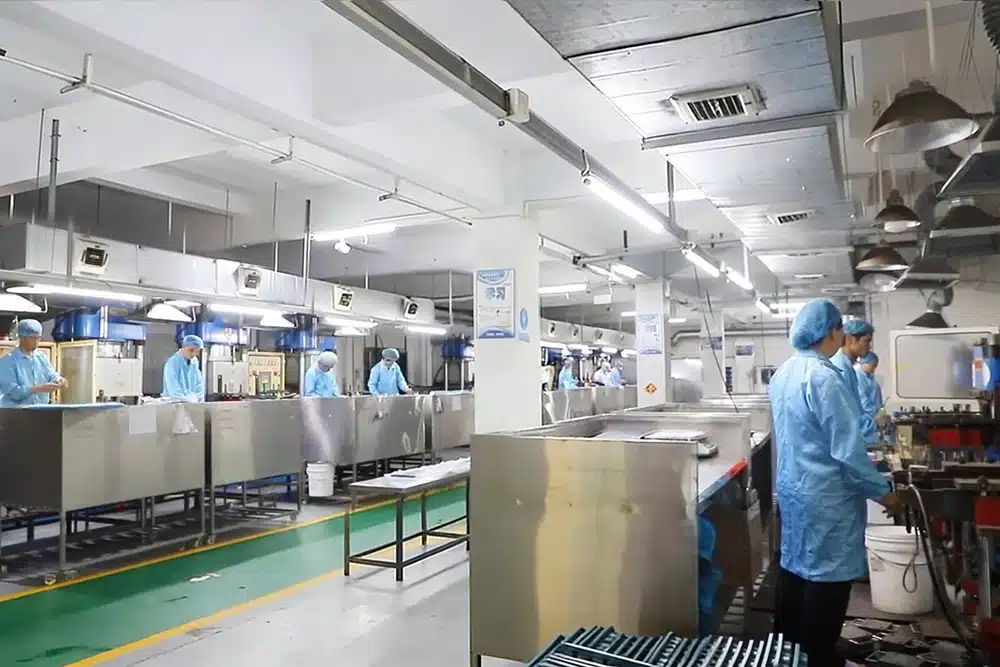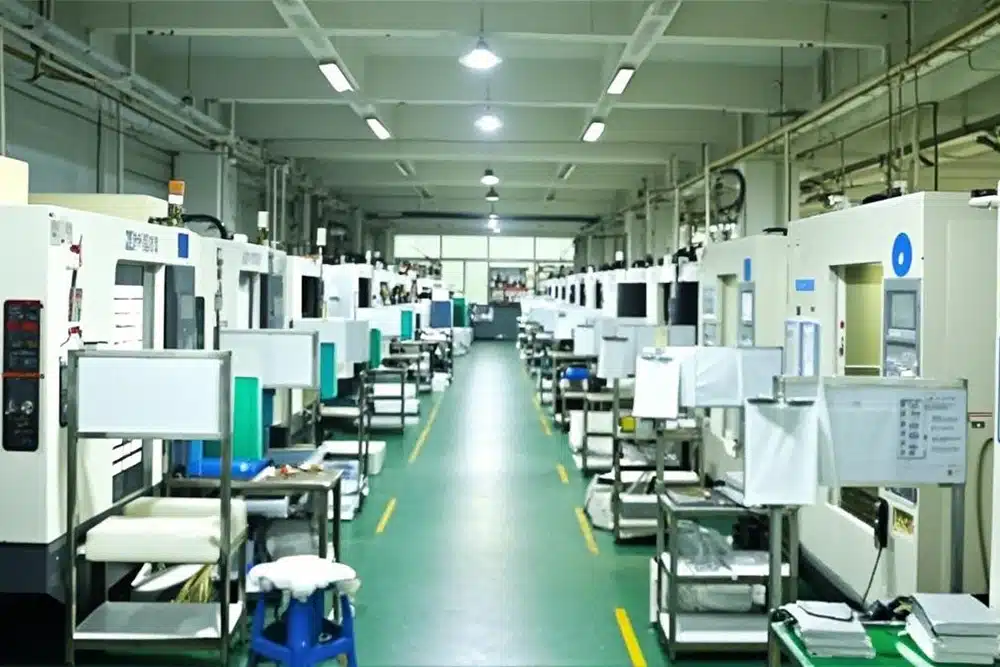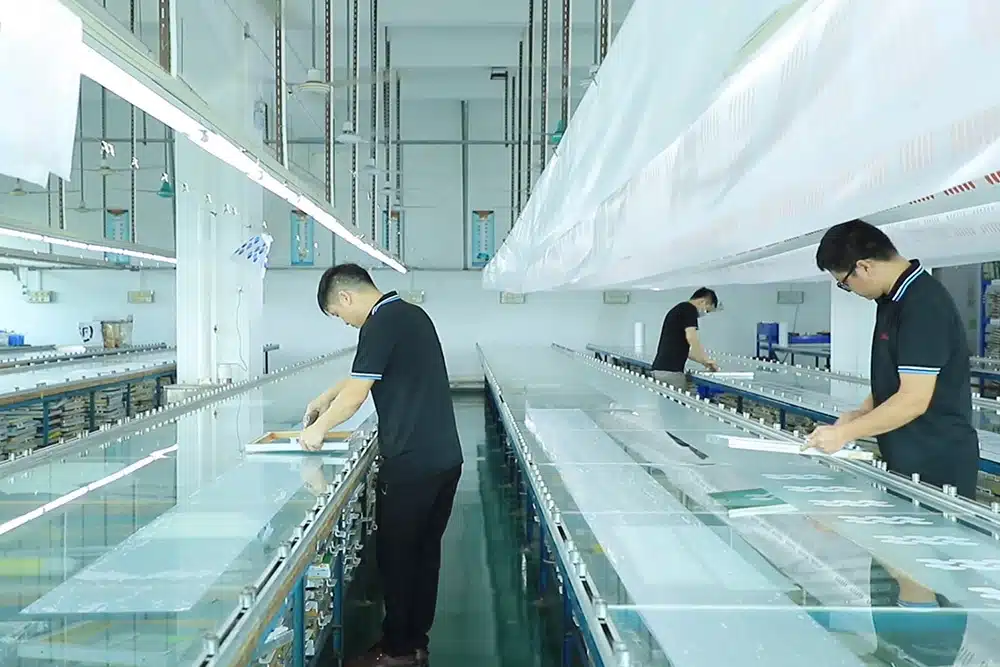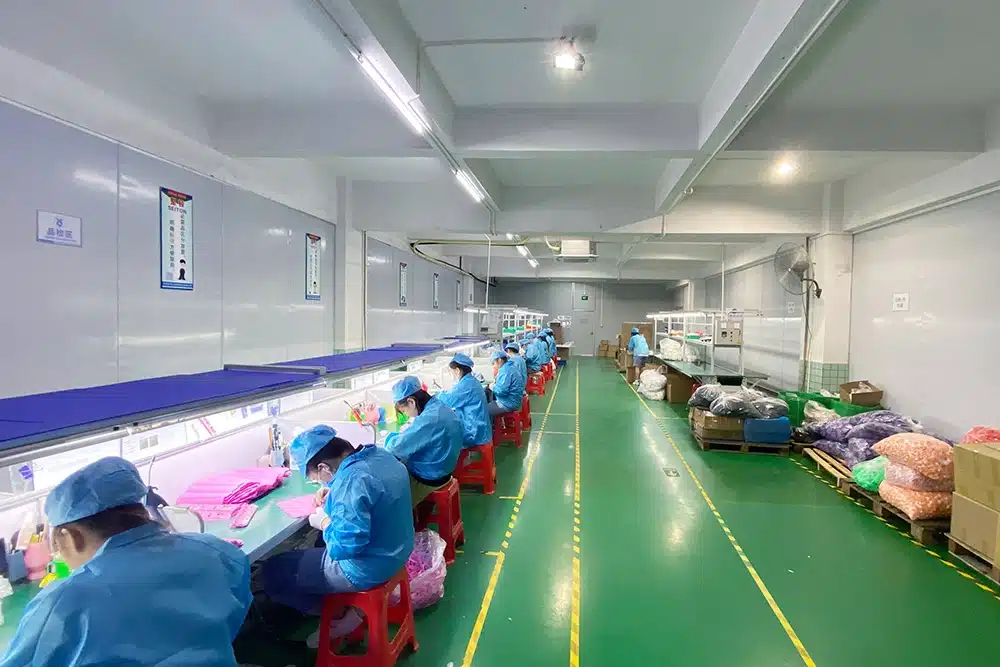

Peeling, bubbles, and other silicone coating defects can occur for a variety of reasons, including material compatibility, surface preparation, application control, curing conditions, and clean handling, and are often caused by a combination of these factors, not just one single error. When it peels, it’s a sign of improper adhesion; bubbles create air or contamination; and uneven finishes are caused by thickness irregularity or process variation. These issues can affect the product’s looks, grip, soft-touch, long lasting performance and even its durability.
It’s important for the OEM buyer and engineers involved in custom silicone products to be aware of these root causes. Quality control of silicone coating, for custom products, does not start with final inspection, but much sooner, when evaluating the substrates, testing for compatibility and validating the process. Some people seem to think that a thicker coat is the answer, but this can result in sticky surfaces or poor adhesion. To make the defect free requires disciplined control throughout the process.
What Are Silicone Coating Defects?
Silicone coating defects are any imperfections that occur in the coating on the surface which impact visual quality, product functionality or product reliability. They may manifest on silicone components, over-moulded plastic bases, metallic parts or combinations of any of these.
Appearance defects are obvious, e.g., bubbles or streaks, and functional defects, such as poor adhesion, may only become apparent after repeated use, cleaning or aging. During mass production, uncontrolled defects result in increased rejections, customer complaints, and rework.
| Defect Category | What It Means | Possible Impact |
| Appearance Defect | Visible issue such as bubbles, rough edges, dust marks, streaks, or uneven finish | Lower perceived product quality and rejection risk |
| Adhesion Defect | Coating separates, peels, lifts, or flakes from the base surface | Poor durability, failed use testing, or customer complaints |
| Surface Feel Defect | Coating feels sticky, rough, patchy, too soft, or inconsistent | Poor user experience and inconsistent grip |
| Process Defect | Variation caused by unstable coating thickness, curing, handling, or environment | Batch inconsistency and higher rework risk |
| Hidden Defect | Problem not obvious at first but appears during testing or use | Peeling, cracking, wear, or surface degradation over time |
Common Silicone Coating Defects and Root Causes
There are root causes that are known for most of the silicone coating defects. By using a systematic approach to RCA, manufacturers can shift from merely finding the “bad parts” to preventing them in upcoming runs.
| Common Defect | What It Looks Like | Possible Root Causes |
| Peeling | Coating lifts, flakes, or separates from the base surface | Poor adhesion, material mismatch, contamination, weak pretreatment, curing issue |
| Bubbles | Small raised spots, air pockets, or pinholes on the coating | Trapped air, surface contamination, unstable application, poor material handling |
| Uneven Finish | Patchy texture, streaks, inconsistent surface feel, or thickness variation | Unstable coating process, poor fixture, complex geometry, inconsistent application |
| Fish-Eye Defects | Circular areas where coating pulls away or refuses to wet the surface | Oil, silicone residue, mold release, or surface contamination |
| Sticky Surface | Coating remains tacky after curing | Incomplete curing, wrong material ratio, poor curing conditions, contamination |
| Rough Edges | Uneven boundary, raised edges, or coating overflow | Poor masking, excessive coating thickness, poor edge control |
| Dust / Particles | Visible particles embedded in the coating | Poor clean handling, dusty environment, insufficient surface cleaning |
| Color Variation | Coating color differs between parts or batches | Material batch variation, poor mixing, thickness variation, curing differences |
| Cracking | Fine lines or coating breaks after bending or use | Wrong coating material, excessive stress, poor flexibility, over-curing |
| Wear Marks | Coating wears off during rubbing, cleaning, or repeated handling | Insufficient adhesion, wrong material, inadequate durability testing |
Why Silicone Coating Peels
The most common case of silicone coating peeling is an adhesion problem. The key factors for successful bonding are the chemical and physical relationship between the coating material and the substrate, surface condition, and curing process.
| Peeling Cause | Why It Happens | Prevention Method |
| Material Mismatch | Coating does not bond well with the substrate | Test compatibility before sampling and mass production |
| Low Surface Energy | Coating cannot wet the surface properly | Use suitable pretreatment or material adjustment |
| Mold Release Residue | Residue blocks coating contact with the base surface | Clean and verify surface condition before coating |
| Oil / Dust / Moisture | Contamination weakens coating adhesion | Improve cleaning, drying, and handling control |
| Weak Pretreatment | Surface is not activated enough for bonding | Use plasma, corona, primer, or other suitable preparation if needed |
| Incorrect Curing | Coating does not fully stabilize or bond | Validate curing time, temperature, and process conditions |
| High Use Stress | Coating is exposed to bending, rubbing, or cleaning beyond design limit | Test durability under realistic use conditions |
Why Bubbles Appear in Silicone Coating
Silicone coating is often filled with problems, and the ones that happen are due to several factors.
| Bubble Cause | Possible Result | Prevention Method |
| Air in Material | Bubbles or pinholes in coating surface | Improve material handling and degassing where needed |
| Poor Mixing | Uneven flow or trapped air | Standardize material preparation |
| Surface Moisture | Blistering or weak adhesion | Dry parts before coating |
| Contamination | Local bubbles, craters, or fish-eye defects | Strengthen surface cleaning and handling control |
| Excessive Thickness | Air cannot escape easily | Control coating thickness and application method |
| Fast Cure Before Air Release | Bubbles locked into the surface | Adjust curing conditions and process timing |
| Complex Geometry | Air trapped in corners, grooves, or edges | Review coating path, fixture, and part orientation |
What Causes Uneven Finish and Inconsistent Surface Feel?
Uneven silicone coating is more likely to occur because of some variation in the coating, curing, or handling of silicone than by chance.
| Cause of Uneven Finish | How It Affects the Product | Prevention Method |
| Thickness Variation | Uneven feel, gloss, color, or protection | Define target coating thickness and process control |
| Poor Fixture Setup | Inconsistent coating area or edge line | Use repeatable fixtures and positioning |
| Complex Geometry | Coating gathers, thins, or streaks in certain areas | Review part orientation and coating method |
| Poor Masking | Rough coating boundary or overflow | Improve masking and edge control |
| Dust / Particles | Visible surface defects and rough feel | Use cleaner handling and packaging procedures |
| Uneven Curing | Sticky or inconsistent tactile surface | Control curing time, temperature, and airflow |
| Handling Too Early | Fingerprints, marks, deformation, or surface damage | Allow proper curing and stabilization before handling |
How Manufacturers Prevent Silicone Coating Defects Before Mass Production
Preventing defects must begin from the engineering and sampling phase, before full production is involved.
| Prevention Step | What Manufacturers Check | Why It Matters |
| Material Identification | Base material, additives, coating compatibility | Reduces peeling and adhesion failure |
| Surface Preparation Trial | Cleaning, drying, pretreatment, primer if needed | Improves adhesion and surface stability |
| Coating Material Selection | Flexibility, feel, adhesion, curing, durability | Matches coating performance to product use |
| Thickness Control | Target coating thickness and coverage | Reduces uneven finish, sticky surface, and weak durability |
| Fixture / Masking Setup | Coating area, edge boundary, repeatability | Improves appearance and process consistency |
| Curing Validation | Time, temperature, airflow, handling time | Stabilizes final adhesion and surface feel |
| Sample Testing | Appearance, adhesion, abrasion, aging, cleaning resistance | Confirms whether sample performance is acceptable |
| Pilot Run | Small-batch production under real conditions | Finds repeatability issues before full production |
| Packaging Review | Surface protection during storage and shipment | Prevents scratches, sticking, or handling marks |
Quality Inspection Methods for Silicone Coating
Reliable inspection involves the use of both visual and functional checks and can identify both visible and hidden problems.
| Inspection Method | What It Checks | When It Is Useful |
| Visual Inspection | Bubbles, dust, scratches, uneven finish, rough edges | All silicone coating projects |
| Coverage Check | Whether coating reaches the required area | Partial coating, masked parts, and visible surfaces |
| Surface Feel Check | Soft-touch, grip, tackiness, or roughness consistency | User-contact products |
| Thickness Check | Coating build-up and uniformity | Products with defined coating requirements |
| Adhesion Test | Whether coating bonds to the substrate | Adhesion-critical products |
| Peel / Tape Test | Coating lifting or weak surface bond | Plastic, metal, or coated substrates |
| Abrasion / Rub Test | Resistance to repeated handling or cleaning | High-contact products |
| Aging Test | Long-term coating stability | Outdoor, washable, or durable-use products |
| Cleaning Resistance Test | Performance after wiping, washing, or detergent contact | Personal care, home, pet, and kitchen products |
| Color / Gloss Check | Batch appearance consistency | Branded or appearance-sensitive products |
| Cure Check | Surface tack, elasticity, and stability | Products requiring stable handling and packaging |
What OEM Buyers Should Check Before Approving Samples
Smart buyers take the time to look at each sample individually, not just a quick look at the first one.
| Sample Approval Item | What to Confirm |
| Adhesion | Coating does not peel, lift, or separate during basic testing |
| Surface Appearance | No obvious bubbles, dust, streaks, scratches, or rough edges |
| Coating Uniformity | Surface feel, coverage, and thickness are consistent |
| Edge Quality | Coating boundaries are clean and not rough or lifted |
| Cure Stability | Surface is not sticky, weak, or easily marked after curing |
| Grip / Feel | Tactile performance matches product requirements |
| Durability | Coating can handle expected rubbing, cleaning, or handling |
| Color / Finish | Appearance matches approved sample or color standard |
| Assembly Fit | Coating does not interfere with assembly or product function |
| Mass Production Repeatability | Supplier can explain how the same result will be controlled in production |
How to Choose a Manufacturer That Can Control Silicone Coating Quality
Choosing the right partner involves more than just choosing who provides coating services. The manufacturers are well-experienced in material science, process control and clean production environment. Consider companies that have molding skills in-house, controlled dispensing systems, and a wide range of secondary processing services including spray coating and finishing.
| Supplier Capability | Why It Matters |
| Material Compatibility Knowledge | Helps prevent peeling, bubbles, and poor adhesion |
| Surface Preparation Capability | Reduces contamination, fish-eye defects, and coating failure |
| Coating Process Control | Maintains coverage, thickness, surface feel, and appearance |
| Fixture and Masking Support | Improves coating boundaries and batch repeatability |
| Curing Process Control | Stabilizes adhesion, surface feel, and durability |
| Clean Production Environment | Reduces dust, particles, and visible surface defects |
| Inspection System | Verifies adhesion, appearance, curing, durability, and consistency |
| OEM/ODM Project Experience | Supports sample validation, pilot runs, and stable mass production |
Common Misunderstandings About Silicone Coating Defects
When buying, buyers might underestimate risks for several reasons:
- The coating material is very rarely the cause of peeling; it’s more likely to be the condition and preparation of the substrates.
- Contamination and handling can cause bubbles as well as problems with the coating formulation itself.
- Coating thickness and durability do not necessarily go hand-in-hand, and excessive coating can cause problems such as tackiness or cracks.
- The first time it works, you will not know if it will work in repeated use or aging.
- The preparation of the surface is often more important than the actual coating material.
- Clean handling and appropriate packaging is part of the quality control and not secondary considerations.
- A lot of defects are only observed in real use or after exposure to the environment.
Conclusion — Silicone Coating Defect Prevention Depends on Process Control
Peeling, bubbles, uneven coating, sticky surfaces, dust marks, rough edges, and colour variation are all possible faults found during silicone coating that can affect the product’s appearance, grip, durability and customer satisfaction. Most of these topics can be reduced to a minimum of problems if the material compatibility, surface preparation, application parameter, curing condition and clean production are carefully controlled in practice.
For OEM buyers, it is best to check the sample quality as well as the supplier’s potential to maintain the quality in mass production. Early process validation and establishing clear inspection criteria can help brands minimise risk and ensure custom silicone-coated products are delivered to the expected quality, standards and requirements in competitive markets.