
Silicone coating for plastic parts is a secondary surface process applied to molded plastic parts to provide a controlled coating of silicone or silicone-based material. This is generally added to impart grip, soft-touch feel, surface protection and enhanced user comfort – attributes that may not be found alone in rigid plastics. This finishing process can add an extra level of sophistication to mainstream consumer products, but achieving the proper results depends on compatibility of the material, thorough preparation of the surface, and a controlled process of application for OEM buyers and product engineers.
Many believe that there is a formula that can fit into any plastic, but in reality, silicone coating is not that easy. The surface energy, additives and residues present in plastics vary, and adhesion is the main technical challenge. Many of the low surface energy materials (such as PP or PE) require some form of pre-treatment, and even the substrates that are compatible, such as ABS, still require clean handling and testing procedures. In reality, silicone coating on plastic is a process of material compatibility and adhesion control, which needs to be tested prior to scaling up manufacturing. For OEM products that require improved grip, soft-touch feel, or surface protection on plastic components, silicone coating for plastic parts should be evaluated through material compatibility testing, surface preparation, and process validation before mass production.
What Is Silicone Coating for Plastic Parts?
Silicone coating of plastic parts is the process of coating existing molded plastic components with a thin layer of silicone that changes the surface properties of the parts without altering their geometry. Coating is a secondary molding operation and differs from over molding in that silicone is added to the molding after it has been completed. It also is not the same as soft touch paints or removable silicone sleeves, providing a unique combination of durability, feel, and integration.
| Item | Explanation |
| Process Type | Secondary silicone surface application on plastic components |
| Base Material | Plastic substrates such as ABS, PC, PP, PE, PA, TPU, TPE, or blended plastics |
| Coating Material | Silicone coating material, liquid silicone, coating-grade silicone, or silicone-based surface material |
| Main Purpose | Grip improvement, soft-touch feel, surface protection, comfort, appearance, and durability |
| Common Output | Silicone-coated plastic surface, tactile layer, anti-slip area, protective finish, or user-contact surface |
This method is particularly suitable for custom silicone product manufacturing, particularly for brands that are looking for specific improvements instead of a complete overhaul of the material.
Why Apply Silicone Coating to Plastic Parts?
When the surface performance of the base plastic is too weak or inadequate to achieve the desired results, silicone coating is selected. It enables manufacturers to enhance certain aspects without having to redesign the whole component.
| Product Requirement | How Silicone Coating Helps |
| Better Grip | Adds a higher-friction surface to reduce slipping |
| Soft-Touch Feel | Makes rigid plastic feel softer and more comfortable |
| User Comfort | Improves skin-contact or hand-contact areas |
| Surface Protection | Helps protect high-contact areas from wear or handling marks |
| Appearance Enhancement | Creates a more refined matte, soft, or tactile finish |
| Product Differentiation | Adds functional and visual value to consumer products |
| Partial Functional Surface | Allows coating only where grip, comfort, or protection is needed |
| Improved Handling | Useful for handheld, wearable, outdoor, or washable products |
This is particularly useful for personal care products, consumer electronic grips, pet products and home products where the user experience can significantly affect satisfaction.
Why Adhesion Is the Main Challenge
The greatest variable, and the one that remains a problem with silicone coating for plastic parts, is adhesion.The greatest variable, and the one that remains to be a problem with silicone coating for plastic parts is the adhesion between silicone and plastic. Failure can occur fast if surface energy differences, contamination and material interaction are not taken into consideration.
| Adhesion Factor | Why It Matters | Possible Risk If Ignored |
| Plastic Type | Different plastics bond differently with silicone coating | Peeling, weak adhesion, or coating failure |
| Surface Energy | Low-surface-energy plastics are harder to coat | Poor wetting and weak bonding |
| Additives / Fillers | Internal additives may migrate or affect surface behavior | Unstable adhesion or surface defects |
| Mold Release Residue | Residue can block coating contact with the plastic | Peeling, bubbles, or fish-eye defects |
| Surface Cleanliness | Oil, dust, moisture, or handling marks reduce adhesion | Local coating failure or contamination |
| Pretreatment | Some plastics need plasma, corona, primer, or other preparation | Weak coating bond if skipped |
| Curing Conditions | Cure affects final adhesion and coating stability | Sticky surface, poor durability, or delamination |
| Use Environment | Heat, moisture, UV, and abrasion affect durability | Coating degradation during real use |
Successful teams know that exploration and testing are better ways to deal with these factors early on, before assuming success.
Plastic Materials and Silicone Coating Compatibility
It is important to always test for compatibility since plastics react differently during coating processes. The chemistry and additives are different in different substrates and what works well in one will not work well in another.
| Plastic Material | General Coating Consideration |
| ABS | Often easier to coat than low-surface-energy plastics, but surface cleaning is still required |
| PC | May support coating with proper material selection and surface preparation |
| PC/ABS | Compatibility depends on blend ratio, additives, and surface condition |
| PP | Usually more difficult due to low surface energy; pretreatment may be required |
| PE | Often difficult to coat reliably without special treatment or material review |
| PA / Nylon | Moisture absorption and surface condition should be considered |
| TPU | Flexibility and surface chemistry require compatibility testing |
| TPE | Additives and oil migration may affect adhesion |
| POM | Typically challenging for coating adhesion and requires careful validation |
| Painted / Coated Plastic | Coating must bond to the existing surface layer, not only the base plastic |
The reason why sample validation is necessary before committing to production is attributed to this variability.
Surface Preparation Methods for Silicone Coating on Plastic
Surface preparation can be the key between a good looking coating and one that will do well over time. This is a common reason for field failures.
| Surface Preparation Method | Purpose | When It May Be Needed |
| Cleaning | Removes dust, particles, and loose contamination | Most plastic coating projects |
| Degreasing | Removes oil, fingerprints, and processing residue | Parts handled manually or exposed to oils |
| Drying | Removes moisture before coating | Moisture-sensitive plastics or humid environments |
| Mold Release Removal | Removes residue from molded plastic surfaces | Plastic injection molded parts |
| Plasma Treatment | Increases surface activation for better adhesion | Low-surface-energy or difficult substrates |
| Corona Treatment | Improves surface energy on selected plastic surfaces | Thin or flat plastic surfaces where suitable |
| Primer Application | Promotes bonding between plastic and silicone coating | Difficult materials or high-adhesion requirements |
| Controlled Handling | Prevents re-contamination after preparation | Appearance-critical and adhesion-critical parts |
Wetting and long term bond strength will be improved through proper preparation.
How the Silicone Coating Process Works for Plastic Parts
In plastic silicone coating, the process is carefully planned to reduce defects and also results in uniformity. It starts with design review and ends with validated parts that are ready to be assembled or shipped.
| Process Step | What Happens | Why It Matters |
| Design Review | Engineers review coating area, surface geometry, and functional requirements | Confirms whether coating is suitable and accessible |
| Plastic Identification | The exact substrate material is confirmed | Determines adhesion strategy and pretreatment needs |
| Compatibility Testing | Coating material is tested with the plastic substrate | Reduces risk of peeling or poor bonding |
| Surface Preparation | Plastic surface is cleaned, treated, or primed if needed | Improves coating adhesion and appearance |
| Fixture / Masking Setup | Parts are held and protected during coating | Controls coating area, edges, and consistency |
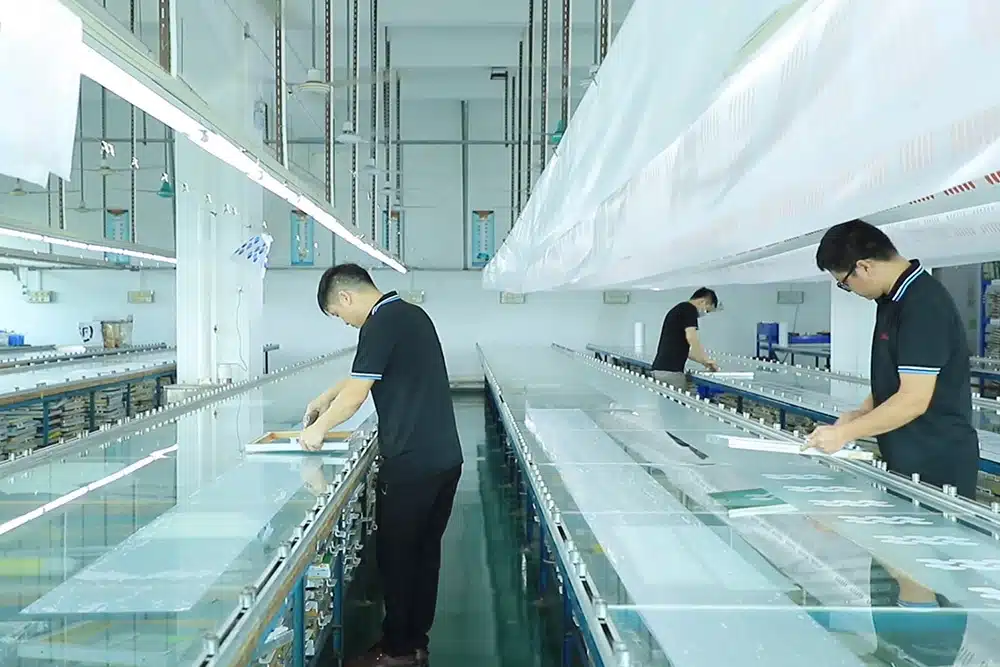
| Coating Application | Silicone coating is applied to selected surfaces | Creates grip, soft-touch feel, or protective layer |
| Curing | Coating cures under controlled time and temperature | Stabilizes adhesion, surface feel, and durability |
| Inspection | Appearance, coverage, adhesion, and surface quality are checked | Helps prevent defects before shipment |
The controlled parameters at each of the stages contribute to quality control in batches.
Common Process Challenges in Silicone Coating for Plastic Parts
Process challenges may occur in the sampling or scale-up process when the scale up and/or compatibility is not carefully controlled. If they are caught early, there will be no time-consuming changes to the document.
| Process Challenge | Possible Cause | Prevention Method |
| Peeling | Poor compatibility, low surface energy, or insufficient pretreatment | Test adhesion and improve surface preparation |
| Bubbles | Surface contamination, air entrapment, or unstable application | Improve cleaning and coating parameters |
| Fish-Eye Defects | Oil, silicone residue, or contamination on surface | Strengthen degreasing and handling control |
| Uneven Thickness | Poor application control or complex geometry | Validate coating method, fixture, and process settings |
| Rough Edges | Poor masking or edge control | Improve masking, fixture design, and coating boundary definition |
| Sticky Surface | Incomplete curing or wrong material condition | Validate curing time, temperature, and material handling |
| Dust / Particles | Poor production environment or handling | Improve clean production and packaging procedures |
| Color / Gloss Variation | Batch variation or inconsistent coating conditions | Define appearance standards and inspect samples |
| Cracking or Wear | Coating not matched to use conditions | Test abrasion, bending, aging, and cleaning resistance |
Quality Control and Testing for Silicone-Coated Plastic Parts
The inspection needs to confirm appearance and usability. Appearance alone can be misleading as to underlying adhesion problems.
| QC / Test Method | What It Checks | When It Is Useful |
| Visual Inspection | Bubbles, dust, uneven areas, scratches, or visible defects | All silicone-coated plastic parts |
| Coverage Check | Whether coating reaches the required area | Partial coating and masked surfaces |
| Adhesion Test | Whether coating bonds reliably to plastic | Adhesion-critical projects |
| Peel Test | Resistance to coating separation | High-contact or flexible parts |
| Abrasion / Rub Test | Surface durability under repeated contact | Handheld, wearable, and outdoor products |
| Aging Test | Long-term coating stability | Products exposed to heat, UV, moisture, or repeated use |
| Cleaning Resistance Test | Performance after wiping or washing | Personal care, home, pet, and kitchen-related products |
| Surface Feel Check | Soft-touch, matte, or grip consistency | User-contact products |
| Color / Gloss Check | Appearance consistency across batches | Branded or appearance-critical parts |
| Traceability Record | Material batch, process settings, inspection results | Long-term OEM quality control |
Silicone Coating vs Overmolding for Plastic Parts
Many people look at silicone coating vs. overmoulding when choosing for soft-touch or gripping.
| Process | Best For | Key Consideration |
| Silicone Coating | Surface feel, grip, protection, appearance, thin tactile layer | Adhesion depends on plastic type, preparation, and curing |
| Silicone Overmolding | Integrated soft-touch layer, structural grip, thicker silicone coverage | Requires tooling, material compatibility, and mold design |
| Textured Plastic Molding | Anti-slip texture without added coating | Texture is limited by mold design and base plastic feel |
| Soft-Touch Paint / Spray Coating | Appearance and tactile improvement on selected plastics | Durability and feel differ from silicone-based coating |
| Silicone Sleeve / Cover | Removable or assembled silicone protection | Requires separate molded silicone component and assembly |
There are compromises among the three methods, regarding cost, durability and design flexibility.
Advantages and Limitations Buyers Should Understand
Silicone coating may have some benefits in practice, but there are some limitations that need to be taken into consideration when deciding.
| Advantages | Limitations |
| Improves grip and soft-touch feel on plastic surfaces | Adhesion varies by plastic material |
| Enhances user comfort and perceived product quality | Some plastics require pretreatment or primer |
| Adds surface protection to high-contact areas | Coating thickness and coverage must be controlled |
| Allows partial surface enhancement without full redesign | Not always suitable for low-surface-energy plastics without testing |
| Can support custom color, texture, or finish requirements | Curing and handling may affect production lead time |
| Useful for handheld, wearable, personal care, and consumer products | Long-term durability must be validated under real use conditions |
What OEM Buyers Should Prepare Before Requesting a Quote
Accurate quotes and development are sped up with clear documentation and samples.
| Information to Prepare | Why It Helps |
| Plastic Material Grade | Determines compatibility and surface preparation strategy |
| 3D CAD File | Helps engineers review geometry, coating area, and fixture needs |
| 2D Drawing | Defines dimensions, tolerances, and surface notes |
| Product Sample | Helps evaluate real surface condition and coating feasibility |
| Coating Area | Clarifies whether coating is partial, full, visible, or hidden |
| Surface Condition | Identifies contamination, texture, paint, or mold release risks |
| Surface Feel Requirement | Helps define grip, soft-touch, matte, or textured expectations |
| Color / Finish Standard | Supports appearance matching and batch consistency |
| Functional Purpose | Confirms whether the goal is grip, protection, comfort, or decoration |
| Testing Requirement | Defines adhesion, abrasion, aging, cleaning, or peel-test needs |
| Estimated Quantity | Helps plan process method, fixtures, and production control |
How to Choose a Manufacturer for Silicone Coating on Plastic Parts
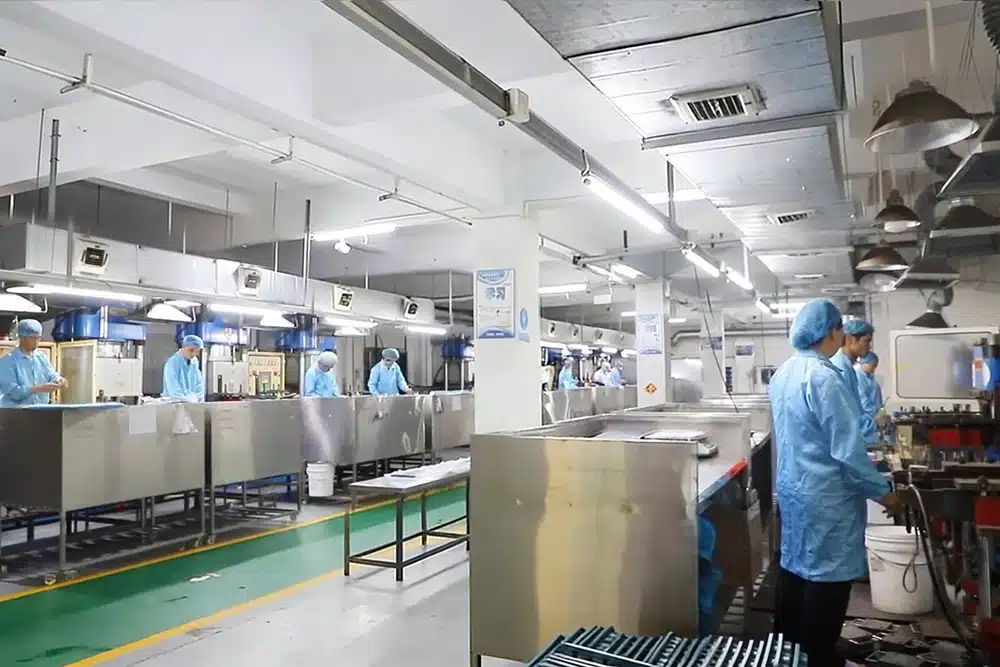
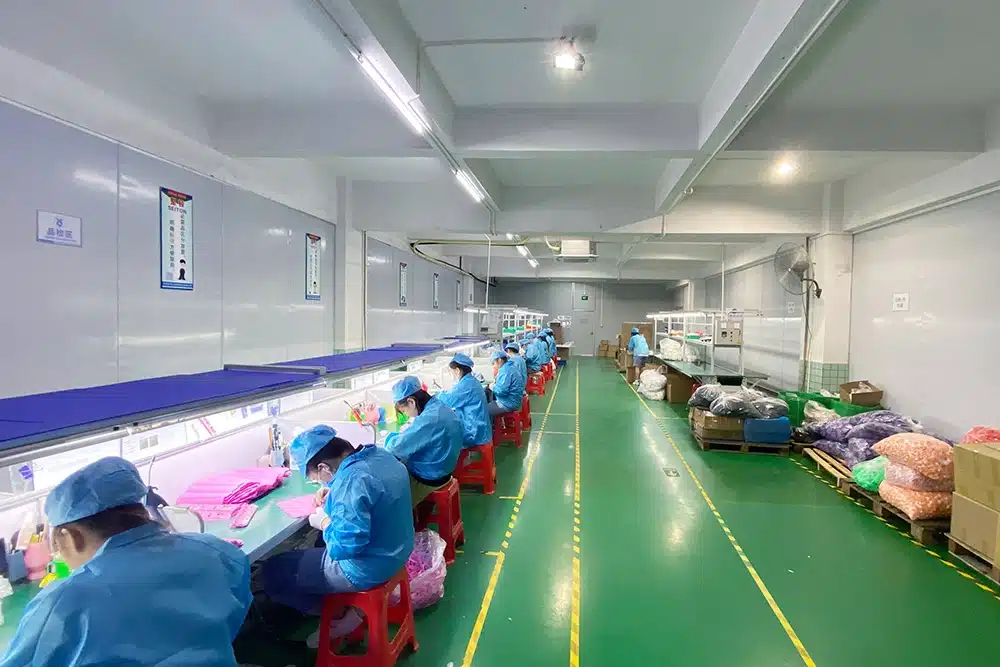
A good coating partner is more than just able to coat. Check compatibility of materials in relation to the process used for the treatment and quality systems. A good manufacturer usually has an in-house silicone capability, surface treatment facilities, dust free manufacturing area, and ability to inspect raw materials to final product. This aids in standardized outcomes in automotive, personal care, home goods, pet supplies, and other areas.
| Supplier Capability | Why It Matters |
| Plastic Compatibility Knowledge | Helps evaluate whether coating is feasible on the selected substrate |
| Silicone Material Selection | Matches coating performance with grip, feel, adhesion, and durability needs |
| Surface Preparation Capability | Reduces peeling, bubbles, fish-eye defects, and weak adhesion |
| Coating Process Control | Helps maintain coverage, thickness, edge control, and appearance |
| Curing Process Control | Stabilizes adhesion, tactile feel, and surface performance |
| In-House Molding Capability | Helps coordinate plastic or silicone part design with coating requirements |
| Clean Assembly Environment | Reduces particles, dust, and surface contamination |
| Quality Inspection System | Verifies adhesion, appearance, coverage, curing, and durability |
| OEM/ODM Project Experience | Supports sample development, testing, and mass-production consistency |
Common Misunderstandings About Silicone Coating for Plastic Parts
There are several common misunderstandings and expectations that can be set that are not realistic:
- Not all plastics will bond the same with silicone coating.
- Typically, low-surface-energy plastics require special treatments.
- Even though the first sample looks nice, it does not ensure long-term adhesion during actual use.
- Coating thickness is not necessarily proportional to durability; optimal thickness will depend on application.
- Surface preparation is a critical process and NOT an option for many substrates.
- Sometimes the coating material is not at fault, but rather failure is due to plastic additives or residue.
- Unlike overmolding, soft-touch paint, and sleeves, silicone coating will not compromise the performance of the item being coated.Unlike sleeves, soft-touch paint and overmolding, silicone coating will not degrade the functionality of the product being coated.
- For high contact products, real use testing (abrasion, cleaning, aging) is essential.
Conclusion — Successful Silicone Coating on Plastic Starts With Compatibility
While the silicone coating can provide additional grip, comfort and surface durability for plastic parts, it must be compatible and properly prepared. To make a successful project, it is essential that the material to be coated is identified, adhesion is tested and the surface is prepared appropriately, before coating thickness and curing, and the part is validated under realistic use conditions before mass production.
When silicone coating for plastic parts is treated as a validated manufacturing process, instead of just a finish, OEMs and engineers minimize risk and guarantee consistent, high-quality product that fulfills a functional and commercial requirement.