
Silicone adhesive dispensing is a controlled process which applies exact quantities of silicone adhesive to join custom parts or assemblies when flexibility, sealing or vibration resistance is required. It is a popular material for silicone-to-silicone bonding and silicone-to-plastic, silicone-to-metal, and multi-material bonding in which an elastic joint, rather than a rigid mechanical fastener, is needed.
This is most advantageous for OEMs who are creating custom silicone items, where the end product needs to be elastic, waterproof or present a neat finish without hardware. In contrast to simple gluing, the adhesive dispensing of silicone requires a careful matching of material, surface and process parameters. When it comes to glue, many customers think that any adhesive will do if they put enough into it, but in actual production, it can lead to overflow, insufficient curing or assembly problems. Silicone Adhesive Dispensing for custom components may assist in controlling overall consistency, bonding area, and placement for products that require reliable flexible bonding.
What Is Silicone Adhesive Dispensing?
Precision secondary processing method silicone adhesive dispensing can accurately dispense a certain amount of silicone adhesive onto bonding parts along the bonding line. Much more than manual gluing, as it is controlled by equipment to control bead size, volume, position and speed to achieve repeatable results.
Advantage in custom silicone manufacturing is that this process maintains the natural properties of silicone, such as flexibility and durability, but also forms strong, elastic bonds. It is best used where there is a need for the joint to move, seal or be used repeatedly without cracking or splitting.
| Item | Explanation |
| Process Type | Controlled silicone adhesive application for bonding custom parts |
| Material Used | Silicone adhesive, RTV silicone, liquid silicone adhesive, or suitable bonding-grade silicone |
| Application Area | Joints, grooves, bonding surfaces, assembly interfaces, edges, or localized contact areas |
| Main Purpose | Flexible bonding, sealing, cushioning, waterproofing, or assembly support |
| Common Output | Bonded silicone parts, silicone-to-plastic assemblies, silicone-to-metal components, flexible joined parts |
When Is Silicone Adhesive Dispensing Used?
When there are requirements for flexibility and performance in product design that dictate the need for silicone adhesive dispensing rather than traditional assembly methods, or when traditional assembly methods are found to be impractical, silicone adhesive dispensing is used.
It’s the go-to solution for a handful of typical situations in the production of custom silicone products.
| Use Case | Why Silicone Adhesive Dispensing Is Used |
| Silicone-to-Silicone Bonding | Helps join separate silicone parts while maintaining flexibility |
| Silicone-to-Plastic Assembly | Supports bonding between soft silicone and rigid product structures |
| Silicone-to-Metal Bonding | Adds flexible bonding or sealing around metal inserts or components |
| Waterproof Joints | Adhesive can help seal gaps while bonding parts together |
| Vibration-Resistant Assemblies | Flexible adhesive absorbs movement better than rigid bonding methods |
| Visible Bonding Lines | Controlled dispensing helps improve appearance consistency |
| Multi-Part Custom Products | Supports assembly when one-piece molding is not practical |
| Soft-Touch Product Assembly | Maintains comfort, flexibility, and user-friendly contact surfaces |
Silicone Adhesive Dispensing vs Other Bonding Methods
Along with other bonding methods, silicone adhesive dispensing can be used to join parts, but it should be chosen depending on the functional requirements, type of material combination, production volume, and design constraints.
| Bonding Method | Best For | Main Limitation |
| Silicone Adhesive Dispensing | Flexible bonding, sealing, cushioning, multi-material assemblies | Requires material compatibility, surface preparation, and curing control |
| Mechanical Fastening | Parts that need screws, clips, or removable assembly | May add weight, visible hardware, or stress points |
| General Glue Application | Simple low-requirement bonding | May lack flexibility, appearance control, or long-term durability |
| Double-Sided Tape | Flat surfaces and light-duty bonding | Limited durability under heat, moisture, or curved surfaces |
| Overmolding | Strong integrated bonding during molding | Requires mold investment and material compatibility |
| Co-Injection / Integrated Molding | Multi-color or multi-material molded products | More complex tooling and process requirements |
What Materials Can Be Bonded with Silicone Adhesive Dispensing?
While silicone adhesive dispensing can be used to bond different material combinations, it is never taken for granted, it must be confirmed via testing prior to mass production.
| Material Combination | Bonding Consideration |
| Silicone to Silicone | Usually feasible with suitable adhesive, surface cleanliness, and curing conditions |
| Silicone to Plastic | Depends on plastic type, surface energy, pretreatment, and adhesive compatibility |
| Silicone to Metal | Surface cleaning and corrosion or coating conditions should be reviewed |
| Silicone to Glass | Adhesion may be possible with proper surface preparation and adhesive selection |
| Silicone to Fabric / Textile | Requires review of flexibility, absorption, and use environment |
| Silicone to Coated Parts | Coating adhesion and compatibility must be tested before production |
| Multi-Material Assemblies | Each interface may require different surface preparation or validation |
Adhesion to low surface-energy plastics may require a primer or plasma treatment, and mold release residue on newly molded silicone components can create problems if not cleaned up properly.
Key Factors That Affect Bonding Strength
The bonding strength of silicone adhesive dispensing is not only dependent on the adhesive itself, but also on the entire process chain. Proven manufacturers consider various factors for quality and consistent performance.
| Bonding Factor | How It Affects Adhesion | Possible Risk If Ignored |
| Adhesive Selection | Determines compatibility, flexibility, and cure behavior | Weak bonding or poor long-term durability |
| Surface Cleanliness | Removes oil, dust, moisture, and residues | Peeling, local bonding failure, or contamination |
| Material Compatibility | Affects whether adhesive can bond to the substrate | Adhesion failure during use or testing |
| Bead Size | Controls adhesive volume and contact area | Overflow, insufficient bonding, or assembly interference |
| Joint Design | Determines load distribution and bonding surface | Stress concentration or early failure |
| Curing Control | Stabilizes final bonding strength and elasticity | Sticky surface, weak bond, or incomplete cure |
| Use Environment | Heat, moisture, UV, and movement affect durability | Bond degradation or product failure |
| Inspection Method | Confirms whether bonding meets functional requirements | Hidden failures may reach final products |
How the Silicone Adhesive Dispensing Process Works
The silicone adhesive dispensing process is a systematic procedure that is more than just the application of adhesive. All of them are having an impact on final bonding reliability.
| Process Step | What Happens | Why It Matters |
| Design Review | Engineers evaluate bonding area, joint design, and material combination | Confirms whether adhesive bonding is suitable |
| Adhesive Selection | A suitable silicone adhesive is selected based on product function | Affects bond strength, flexibility, curing, and durability |
| Surface Preparation | Surfaces are cleaned or treated if required | Improves adhesion and reduces contamination risk |
| Fixture Setup | Parts are held in the correct position during dispensing and curing | Improves alignment and bonding consistency |
| Dispensing Setup | Bead size, pressure, speed, path, and volume are defined | Controls adhesive placement and appearance |
| Adhesive Dispensing | Silicone adhesive is applied to the targeted bonding area | Forms the bonding layer or bead |
| Assembly | Parts are joined while the adhesive remains workable | Ensures correct contact and alignment |
| Curing | Adhesive cures under controlled time and temperature conditions | Stabilizes final bonding performance |
| Inspection | Bonding line, adhesion, appearance, and function are checked | Reduces risk before shipment |
Common Applications of Silicone Adhesive Dispensing
In many industries that require flexibility and reliability in bonding for function and user experience in the finished product, silicone adhesive dispensing plays a vital role.
| Product Type | Typical Bonding Application |
| Consumer Electronics | Bonding silicone pads, protective covers, seals, and anti-slip components |
| Smart Wearables | Flexible bonding for comfort pads, straps, covers, or sealing areas |
| Personal Care Devices | Bonding soft-touch silicone parts to device housings or contact areas |
| Automotive Components | Flexible bonding, vibration damping, sealing, and weather-resistant joints |
| Home Goods | Bonding silicone grips, cushions, pads, and protective parts |
| Pet Products | Bonding soft silicone edges, grip features, or decorative components |
| Food-Contact Products | Bonding suitable silicone parts using compliant materials when required |
| Outdoor Sports Products | Bonding weather-resistant grip, cushioning, or protective elements |
| Custom Assemblies | Joining molded silicone parts with plastic, metal, or other components |
Common Bonding Defects and How Manufacturers Prevent Them
Bonding defects frequently are caused by improper attention to things such as material handling, surface preparation or process control. Good manufacturers foresee and avoid these problems in a systematic way.
| Bonding Defect | Possible Cause | Prevention Method |
| Poor Adhesion | Wrong adhesive, material incompatibility, or dirty surface | Test compatibility and clean or pretreat surfaces |
| Peeling | Weak surface bond or incomplete curing | Validate surface preparation and curing conditions |
| Overflow | Too much adhesive or poor bead control | Adjust bead size, pressure, and dispensing path |
| Insufficient Adhesive | Low volume, blocked nozzle, or incomplete path | Validate dispensing parameters and inspect bead continuity |
| Misalignment | Poor fixture or unstable assembly | Use jigs and controlled positioning during bonding |
| Bubbles | Air trapped in adhesive or unstable dispensing | Improve material handling, pressure control, and degassing if needed |
| Sticky Surface | Insufficient cure or wrong curing conditions | Confirm curing time, temperature, and material requirements |
| Contamination | Dust, oil, moisture, or handling residue | Improve cleaning, handling, and production environment control |
Advantages and Limitations Buyers Should Understand
While there are many custom silicone projects in which silicone adhesive dispensing is advantageous, there are also key issues that must be considered at the outset when choosing a silicone adhesive.
| Advantages | Limitations |
| Supports flexible bonding between custom components | Requires material compatibility testing |
| Can combine bonding and sealing in one process | Surface preparation is often critical |
| Allows controlled adhesive placement | Curing time may affect production planning |
| Useful for multi-material assemblies | Not every plastic, coating, or surface bonds easily |
| Can reduce visible mechanical fasteners | Bond strength depends on joint design and contact area |
| Supports cushioning and vibration resistance | Poor process control can cause overflow or weak adhesion |
What OEM Buyers Should Prepare Before Requesting a Quote
Accurate technical information in advance will assist manufacturers to give accurate quotes, faster sample development time and more reliable bonding results.
| Information to Prepare | Why It Helps |
| 3D CAD File | Helps engineers review bonding area, assembly structure, and fixture needs |
| 2D Drawing | Defines dimensions, tolerances, and critical notes |
| Product Sample | Helps evaluate real surface condition and assembly fit |
| Component Materials | Determines adhesive compatibility and surface preparation needs |
| Bonding Area | Clarifies where silicone adhesive should be applied |
| Functional Purpose | Confirms whether bonding also needs sealing, cushioning, or vibration resistance |
| Use Environment | Helps evaluate heat, moisture, UV, chemical, or aging resistance requirements |
| Appearance Standard | Defines acceptable bond line, overflow, and visible surface quality |
| Testing Requirement | Helps establish adhesion, sealing, aging, or pull-test criteria |
| Estimated Quantity | Helps plan manual, semi-automatic, or automated dispensing method |
How to Choose a Manufacturer for Silicone Adhesive Dispensing
The selection of a silicone adhesive dispensing partner requires more than just the ability to dispense silicone adhesive. Search for manufacturers with a strong background in material science, process control, and comprehensive custom silicone manufacturing.
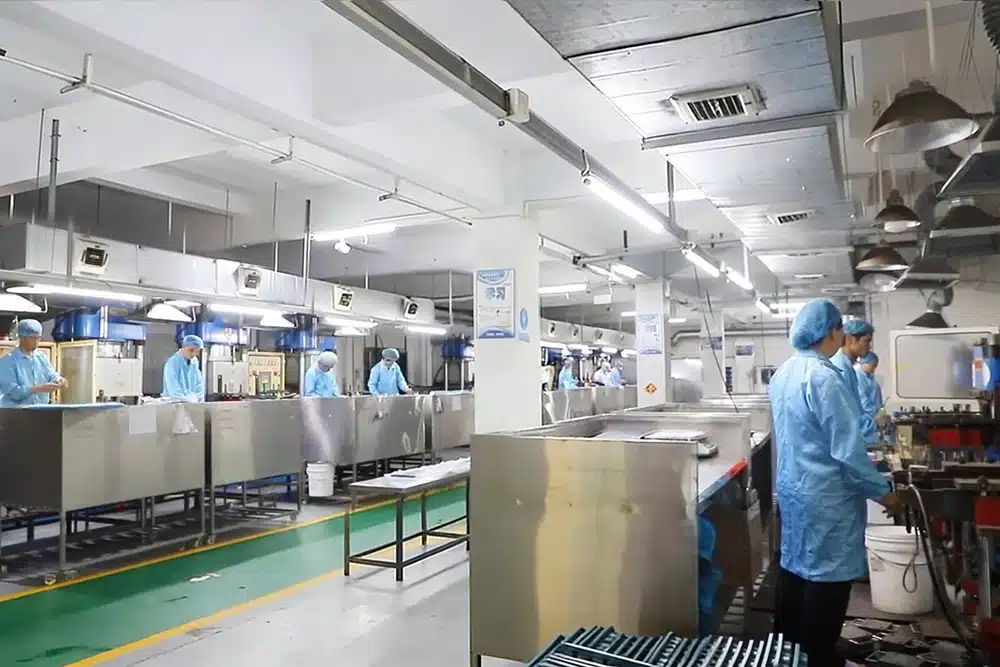
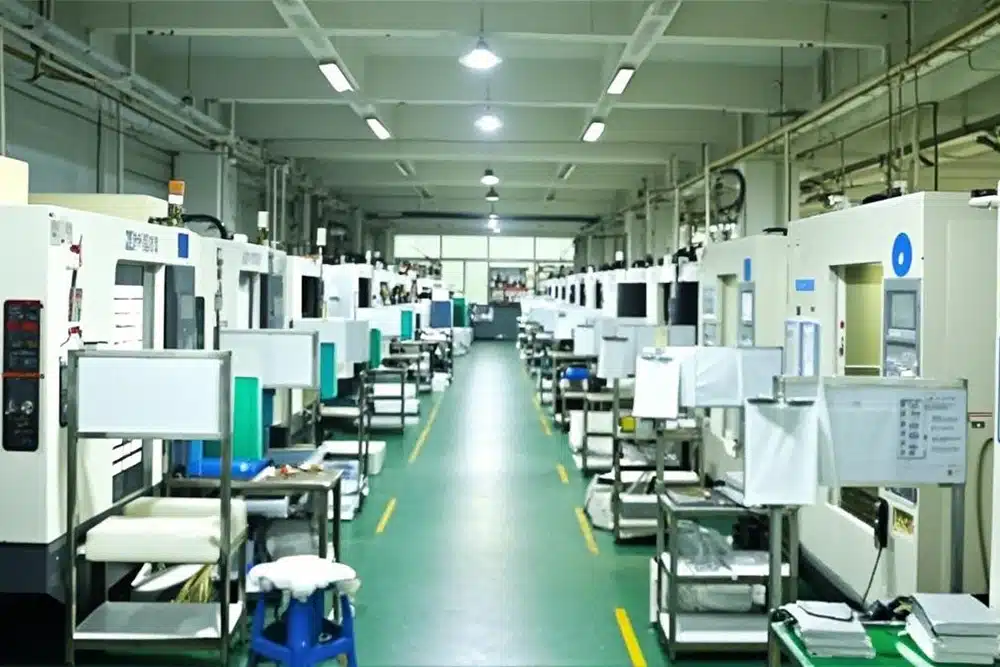
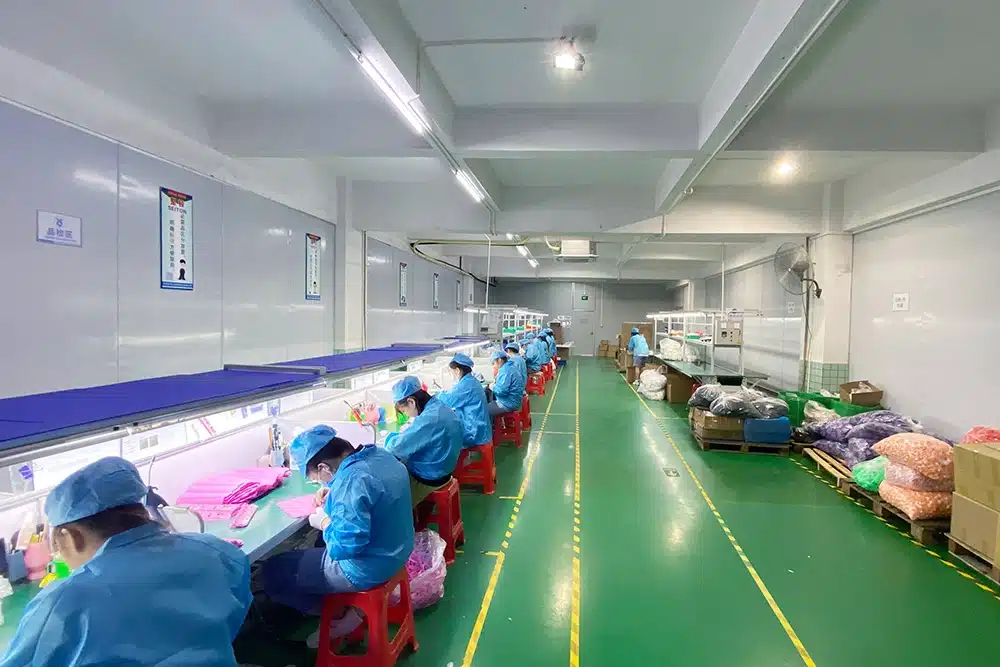
A qualified supplier will have excellent skills in adhesive knowledge, material knowledge, surface preparation, fixture design, in-house molding, clean assembly environment, and a complete quality system. Knowing how to serve a variety of markets, from automotive to personal care, pet supplies to consumer electronics, can mean understandings of practical expertise that will lead to consistent results.
| Supplier Capability | Why It Matters |
| Adhesive and Material Knowledge | Helps match bonding method with material and product function |
| Surface Preparation Experience | Reduces peeling, weak adhesion, and contamination-related failures |
| Fixture and Assembly Support | Improves alignment and bond line consistency |
| Dispensing Parameter Control | Helps control adhesive volume, bead shape, and placement accuracy |
| Curing Process Control | Stabilizes bonding strength, elasticity, and final surface quality |
| In-House Molding Capability | Helps coordinate molded part design with bonding requirements |
| Clean Assembly Environment | Reduces dust, oil, moisture, and particle contamination |
| Quality Inspection System | Verifies adhesion, appearance, position, curing, and function |
| OEM/ODM Project Experience | Supports sample development, testing, and mass-production planning |
Common Misunderstandings About Silicone Adhesive Dispensing
Some misunderstandings may result in unexpected issues during development. Let’s go over some points to clarify:
- Silicone adhesive can not be 100% compatible with all materials without testing.
- More adhesive is not necessarily better, the correct volume and bead geometry is important.
- Often the surface preparation is more important than the selection of the adhesive.
- Having a perfect bond line doesn’t guarantee strong long-term adhesion under real-use conditions.
- Curing is not just a waiting time, but an active process which is controlled.
- When using adhesive, good joint design is still essential.
- While flexible bonding works well in many applications, there are other loads and/or rigidities for which it is not the best choice.
- Sample bonding results need to be carefully validated before being “taken for granted,” to be used directly in mass production stability.
Conclusion — Silicone Adhesive Dispensing Works Best When Bonding Is Engineered
When bonding custom parts for flexibility, sealing, cushioning, vibration resistance or clean multi-material assembly, silicone adhesive dispensing is an effective bonding option. Thoughtful material compatibility review, appropriate surface preparation, precise dispensing control, accurate part positioning, validated curing and consistent inspection are all key to success.
The OEM buyer or product engineer can rely on consistent, long-lasting performance and appearance, rather than an “assemble with glue” approach, when using bonding as a complete manufacturing process. Working with an established manufacturer at the beginning of a project can help you determine what makes the best sense for your project requirements.