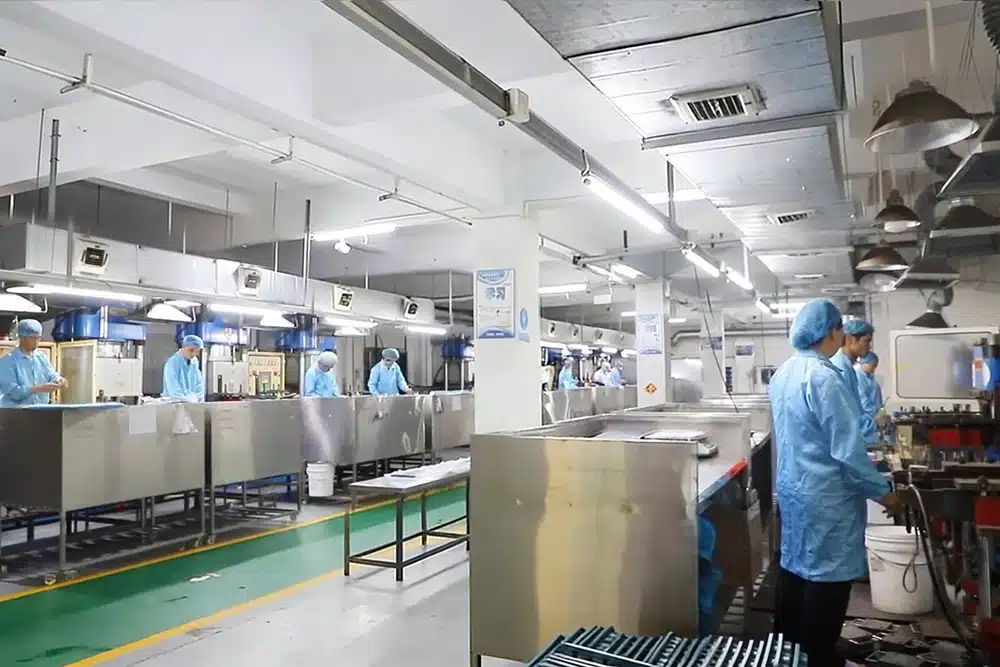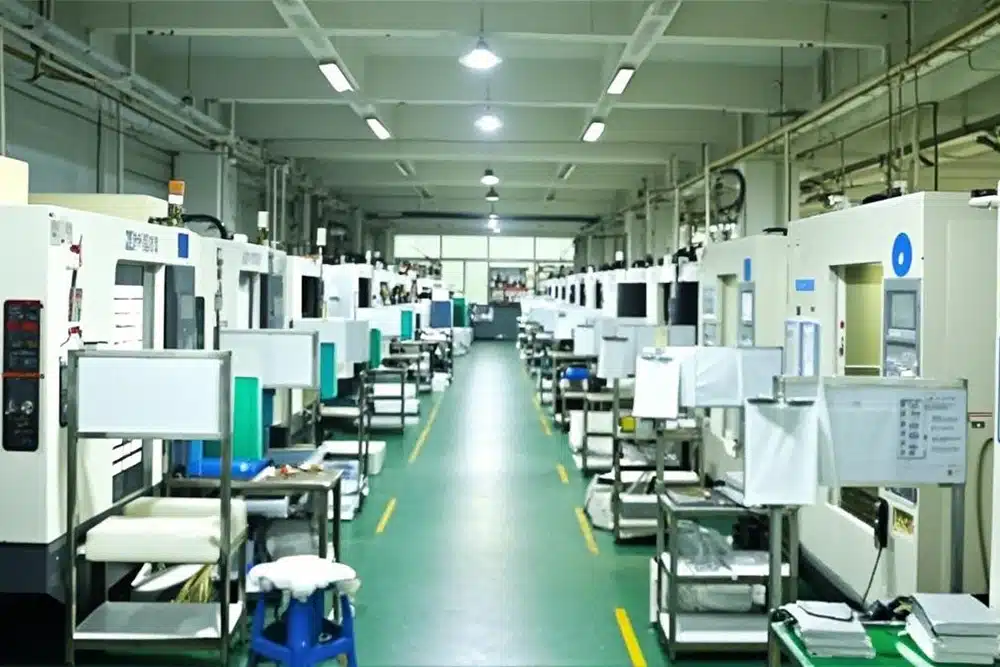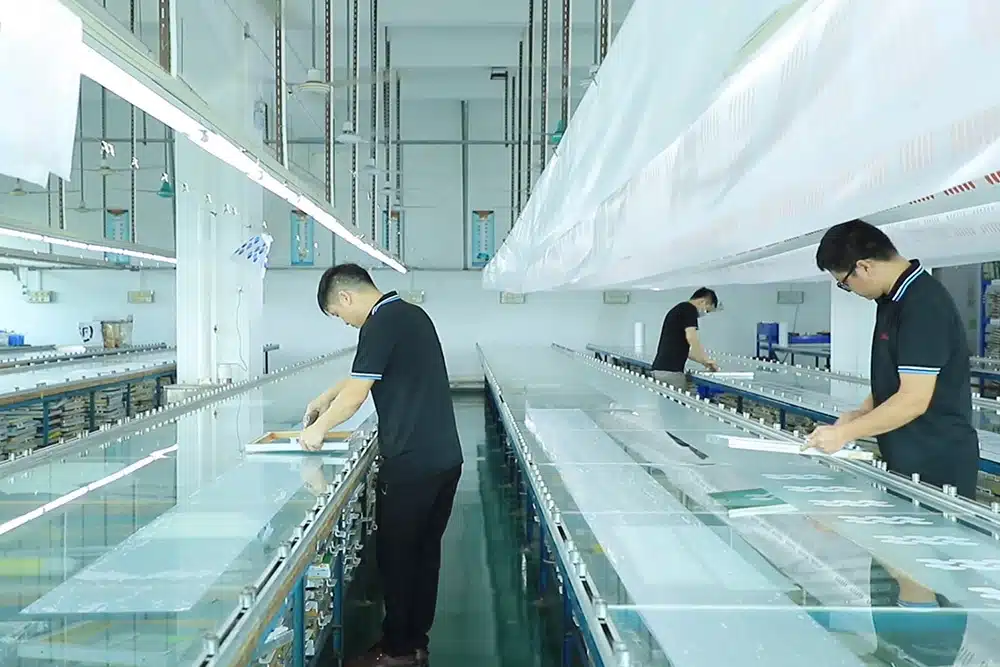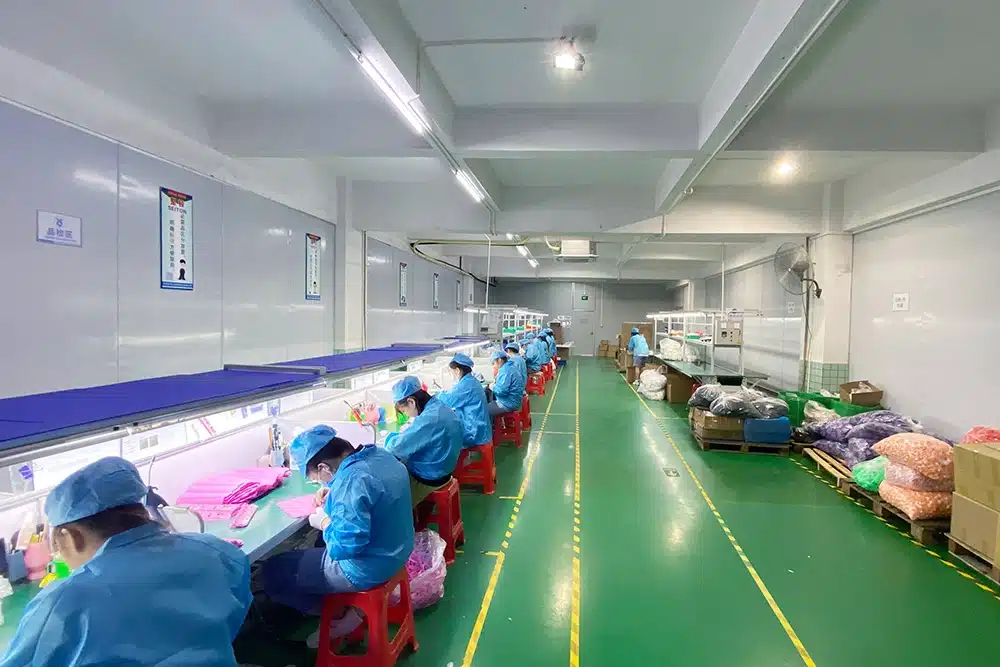

Custom silicone mats can significantly enhance production efficiency through its ability to work around bottlenecks in the daily workflow that are ignored by most of the buyers. With the right design, they eliminate slippage, safeguard surfaces, accelerate cleaning, hold them in place, and minimize rework or replacement cycles- transforming tiny operational thorns into quantifiable speed, consistency, and cost reductions.
Such improvements do not often occur as a result of a single dramatic transformation. Instead, they are a product of careful consideration of material hardness, thickness, surface texture, edge design, drainage considerations, heat resistance, and fit to the actual task. The utility of custom silicone mats is most significant when the mat is oriented to a particular workflow issue rather than as a general flat silicone sheet.
Most consumers think that silicone mats are only used as simple protective surfaces. Within commercial and production contexts, however, a properly-designed mat enhances consistency of processes, reduces cleaning time, protects equipment, aids consistent positioning, and reduces the frequency of replacement. The design aspects that are most significant, including choice of materials, thickness, texture, and tailored shaping, directly determine the frequency of these advantages in everyday activities.
These silicone mat case studies demonstrate that simple design enhancements to material, thickness, texture and shape can resolve recurrent workflow issues in actual production or commercial settings.
Why Custom Silicone Mats Can Improve Production Efficiency
This means that production efficiency can be enhanced by numerous minor, repetitive changes instead of a major redesign. Exclusive silicone mats provide just the type of incremental value in a broad spectrum of industries.
| Efficiency Factor | How Custom Silicone Mats Help | Practical Result |
| Anti-Slip Performance | Prevents products, tools, or trays from moving | More stable handling and fewer interruptions |
| Surface Protection | Protects tables, counters, molds, tools, or product surfaces | Less damage and lower replacement cost |
| Easier Cleaning | Smooth or properly textured silicone washes quickly | Shorter cleanup time between tasks |
| Heat Resistance | Handles hot trays, tools, or process surfaces | Safer and more flexible workstations |
| Positioning Support | Custom shapes, grooves, or marks guide placement | More repeatable workflow |
| Durability | High-quality silicone resists tearing and aging | Less downtime from frequent replacement |
| Custom Fit | Mat size and shape match the workstation or product | Less adjustment during use |
Paying attention to these aspects, brands and production teams transform a mere accessory into a silent productivity device.
Case Study 1: Commercial Kitchen Prep Mat Reduced Slipping and Cleaning Time
A high-volume commercial kitchen found that regular cutting boards and trays moved around each time the high-volume prep was in progress, slowing down the speed of the line and making safety more risky.
The solution involved silicone food grade with anti-slip bottom texture and smooth easy to clean surfaces on top and slightly rounded edges. The outcome was a workstation that became stable and remained in position despite wet and wiped down within seconds between uses.
| Project Element | Details |
| Application | Commercial kitchen preparation surface |
| Original Problem | Tools or trays moved during repeated prep work |
| Silicone Mat Design | Food-grade silicone, anti-slip bottom, smooth easy-clean top |
| Key Design Factor | Texture balance between grip and cleaning |
| Practical Improvement | More stable workstation and faster cleanup |
| Buyer Lesson | Non-slip design should not create hard-to-clean areas |

Case Study 2: Bakery Silicone Mat Improved Heat Resistance and Reuse
One bakery had a problem with disposable liners and low-grade mats that deteriorated after only a few oven cycles, resulting in the necessity to change them regularly, and poor baking performance.
The replacement of heat-sensitive silicon mats with uniform balance thickness and strengthened borders enabled the use of the mats repeatedly at the temperature of the oven without any form of warping or disintegration. Cleaning was quicker and baking surfaces were consistent batch after batch.
| Project Element | Details |
| Application | Bakery trays and baking surfaces |
| Original Problem | Short-life liners or mats required frequent replacement |
| Silicone Mat Design | Heat-resistant silicone with balanced thickness |
| Key Design Factor | Temperature tolerance and edge durability |
| Practical Improvement | Longer reuse cycle and more consistent baking workflow |
| Buyer Lesson | Material grade should match actual heat exposure |

Case Study 3: Pet Feeding Mat Reduced Floor Mess and Product Movement
Complaints common to pet product brands include bowls sliding on floors, leaking water, and causing end-users to have a headache due to daily cleanup.
Bowls were held in a custom pet feeding mat which had a raised edge, anti-slip base, and easy-cleaning surface that contained spills. The feeding area also appeared easier to maintain since the footprint was a bit bigger and made it look nicer.
| Project Element | Details |
| Application | Pet feeding mat |
| Original Problem | Bowl movement, water spills, and floor mess |
| Silicone Mat Design | Raised edge, anti-slip base, easy-clean surface |
| Key Design Factor | Edge height, mat footprint, and cleaning convenience |
| Practical Improvement | Cleaner feeding area and better product stability |
| Buyer Lesson | Function should guide size and edge design |
Case Study 4: Bar Mat Improved Drainage and Brand Presentation
At the back of a crowded bar, fluids were streaming, glasses swayed, and cleaning was too long–as the brand logo on regular mats was washed away or lost its sight.
A drainage-textured silicone bar mat with a special logo space and firm hardness ensured counters drier, glasses more stable, and branding easily visible without loss of functionality.
| Project Element | Details |
| Application | Bar counter mat |
| Original Problem | Liquid buildup and limited brand visibility |
| Silicone Mat Design | Drainage texture, logo area, durable silicone |
| Key Design Factor | Balance between drainage structure and branding area |
| Practical Improvement | Cleaner counter and stronger brand presentation |
| Buyer Lesson | Logo placement should support, not disrupt, function |
Case Study 5: Industrial Work Mat Protected Parts During Assembly
A micro-scratch on fragile parts occurred very often on an electronics assembly line when handling and inspecting the components, and this increased the rates of rework.
Silicone work mats that were soft and yet hardened and had positioning grooves and an anti-slip bottom minimized surface defects and increased the repeatability and ease of inspection of part placement.
| Project Element | Details |
| Application | Industrial assembly or inspection workstation |
| Original Problem | Parts scratched or shifted during handling |
| Silicone Mat Design | Durable silicone, anti-slip base, custom positioning zones |
| Key Design Factor | Hardness, surface softness, and molded positioning features |
| Practical Improvement | Better part protection and repeatable placement |
| Buyer Lesson | Workstation mats should match part geometry and handling steps |
Case Study 6: Beauty Product Display Mat Improved Product Stability and Cleaning
The bottles and jars were sliding in a beauty brand retail display and packing stations and posed safety hazards as well as unprofessional appearance.
Specially-sized soft-touch silicone mats with branded space and simple-clean surface held products in place, made daily maintenance much easier and enhanced premium presentation.
| Project Element | Details |
| Application | Beauty or personal care product display surface |
| Original Problem | Product slipping and poor presentation consistency |
| Silicone Mat Design | Soft-touch silicone, custom fit, branded area |
| Key Design Factor | Surface feel, color, and easy cleaning |
| Practical Improvement | More stable display and easier maintenance |
| Buyer Lesson | Visual design must work with real product handling |
Common Design Patterns Found in Successful Silicone Mat Projects
The common feature of these practical illustrations is the application-first, disciplined approach as opposed to generic specifications.
| Successful Design Pattern | Why It Matters |
| Application-First Design | Prevents over-design and under-design |
| Correct Material Grade | Supports safety, heat resistance, and durability |
| Balanced Thickness | Controls cost while maintaining performance |
| Functional Texture | Improves grip, drainage, or positioning |
| Easy-Clean Structure | Reduces cleaning time and improves hygiene |
| Durable Edges | Reduces tearing and deformation |
| Practical Branding | Improves appearance without hurting function |
| Sample Testing | Confirms real-use performance before mass production |

How Buyers Can Identify Efficiency Opportunities Before Customization
Buyers ought to methodically map the real workflow issues that the mat will resolve before committing to any custom silicone mat design.
| Question to Ask | Why It Helps |
| What repeated problem should the mat solve? | Defines the real design purpose |
| What surface needs protection? | Determines material hardness and thickness |
| Will the mat contact food, heat, oil, or detergent? | Guides material selection |
| Does the mat need anti-slip performance? | Determines surface texture and base design |
| Is cleaning speed important? | Helps avoid deep or hard-to-clean patterns |
| Does the mat need positioning features? | Supports grooves, marks, or custom shapes |
| Is branding required? | Determines logo method and placement |
| What is the expected order volume? | Affects tooling and production planning |
What Buyers Should Prepare for a Custom Silicone Mat Project
Efficiency goals can be translated into a high-performing product that can be manufactured with the help of clear preparation by any silicone mat manufacturer.
| Information to Prepare | Why It Helps |
| Application Description | Helps the manufacturer understand the real workflow problem |
| Size and Shape | Supports custom fit and material calculation |
| Thickness Requirement | Affects stability, durability, and cost |
| Silicone Grade | Ensures safety and performance for the use environment |
| Hardness Requirement | Controls softness, grip, and part protection |
| Surface Texture | Defines anti-slip, drainage, or easy-clean function |
| Temperature Exposure | Confirms heat resistance requirements |
| Cleaning Method | Helps design for hygiene and long-term use |
| Logo Requirement | Supports branding without affecting function |
| Existing Sample | Helps compare performance and design improvements |
| Quantity Forecast | Supports tooling and production planning |
How to Choose a Manufacturer for Efficiency-Focused Silicone Mat Projects
Achieving efficiency-driven custom silicone mats need a partner possessing knowledge of the material science as well as the practical aspects of the application of the silicone material- not mere molding potential.
Find vendors that provide application reviewing, material selection assistance, mold design, surface texture, compression molding, sample building, stringent quality control, and complete OEM/ODM project management.
| Supplier Capability | Why It Matters |
| Application Review | Helps translate workflow problems into product design |
| Material Selection Support | Matches silicone grade to safety, heat, and durability needs |
| Mold Design Capability | Supports custom shape, texture, grooves, and logo areas |
| Surface Texture Experience | Helps balance grip, drainage, and cleaning |
| Sample Development | Confirms performance before mass production |
| Quality Control | Ensures consistency across production batches |
| Finishing Options | Supports branding and appearance requirements |
| Packaging Support | Helps deliver a ready-to-market product |
| OEM/ODM Experience | Supports development from concept to mass production |
Conclusion — Small Silicone Mat Design Changes Can Improve Daily Efficiency
There is no enhancement in the efficiency of production of custom silicone mats merely because they are composed of silicone. They give outcomes when they are set up to address a particular issue- be it slipping, scratching, cleaning time, unstable positioning, heat exposure or product presentation.
The above case studies show that performance improvements are almost always made up of practical considerations: the appropriate anti-slip texture, a wipable surface, a tailored fit, heat resistance, or long-lasting edges. The requirements of the applications and sample testing are the keys to any successful project.
Customers who take time at the beginning to map their actual workflow requirements and collaborate with a manufacturer who has extensive experience always realize improved operations and durability of their product. Efficiency will occur naturally when the design of silicone mats begins with the problem, rather than the material.