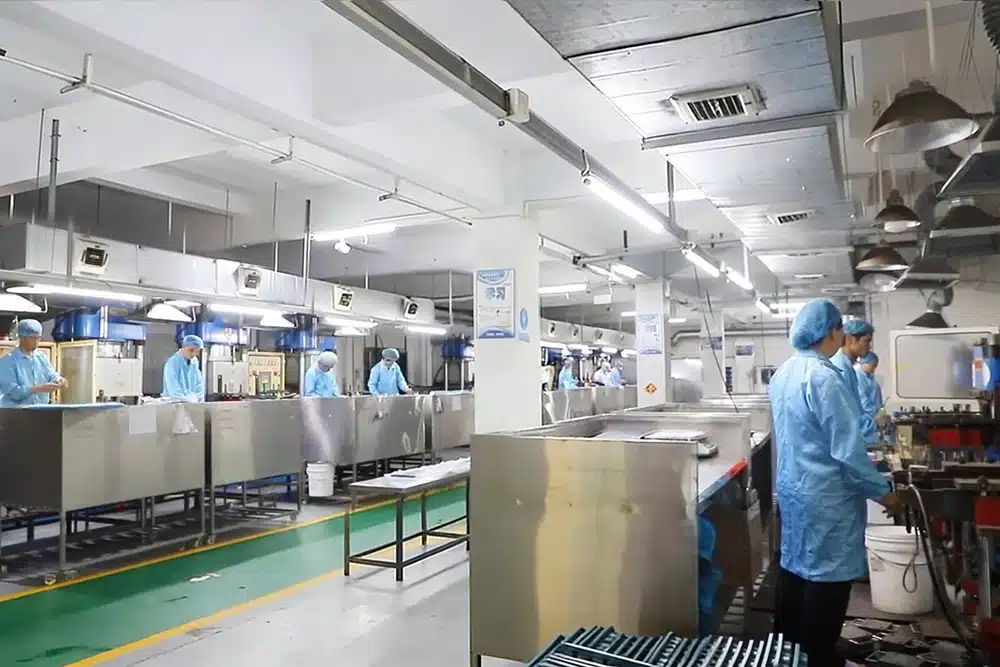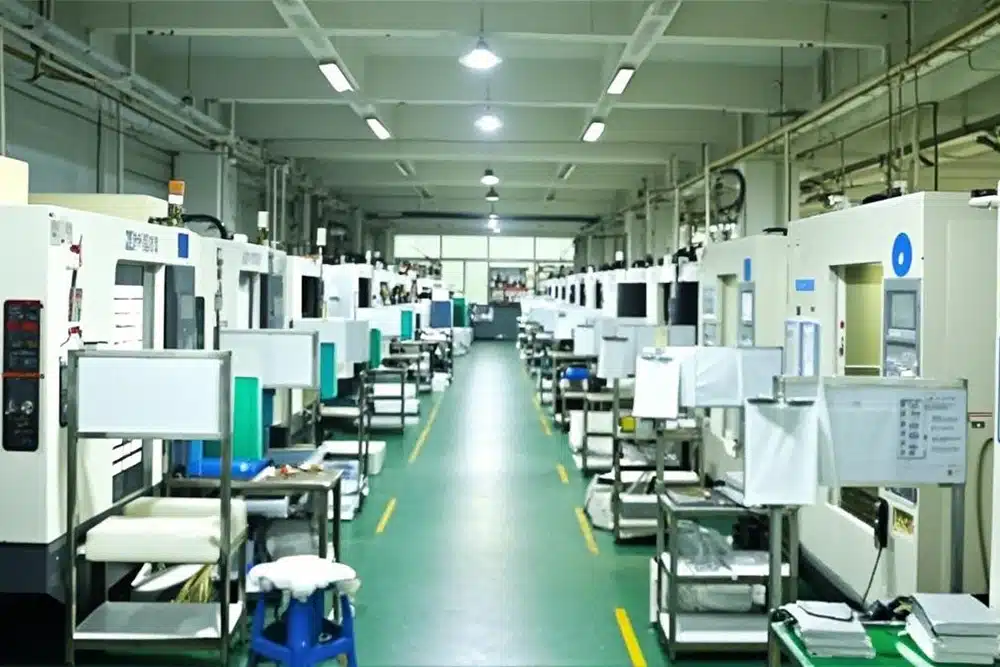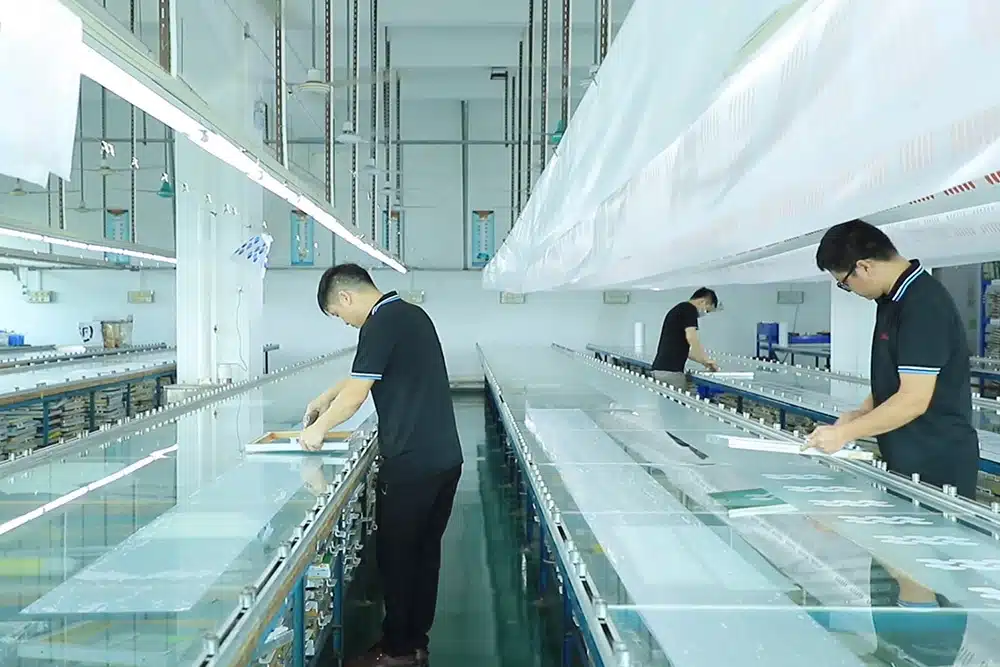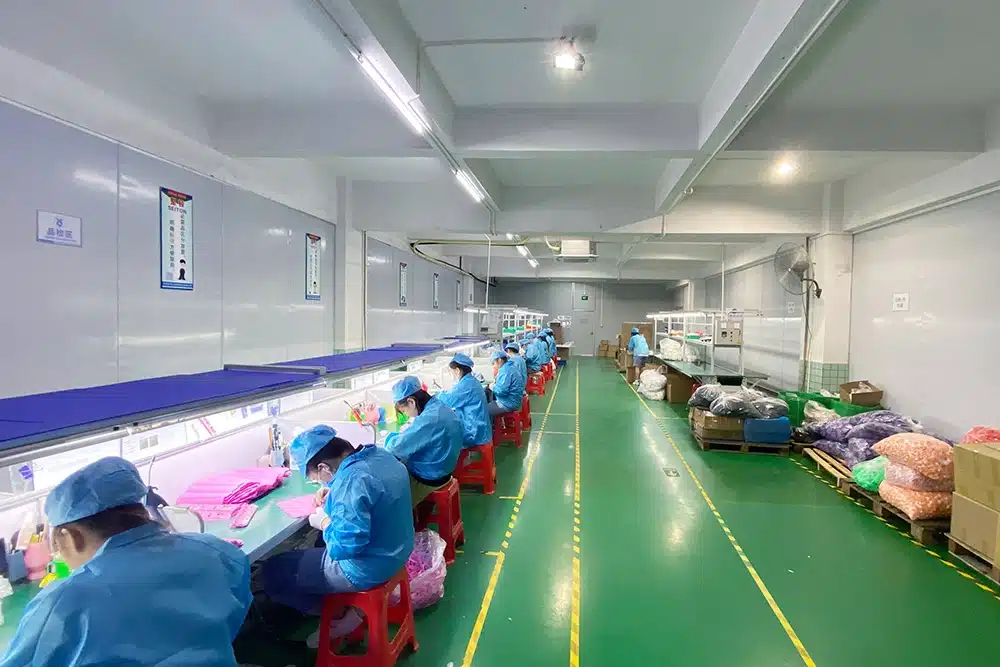

OEM silicone kitchenware manufacturing is the entire process of making food contact silicone products including spatulas, baking tools, lids, trivets, pot holders, kitchen accessories and more from a buyer’s design, drawing, sample or concept to a high quality food contact silicone product. It is not just about forming parts – it involves engineering review, material selection, mold development, sampling, production control, finishing and packaging – to ensure the final product performs to the required standards, is safe, and conforms with brand requirements.
If you are a brand, wholesaler, importer or an ecommerce seller that wants unique solutions, silicone kitchenware manufacturing OEM offers a set procedure to design your product and keep its quality uniform from product to product, batch to batch.
What Is OEM Silicone Kitchenware Manufacturing?
OEM silicone kitchenware manufacturing is a full-cycle development and manufacturing service in which the factory can make the production based on the buyer’s requirements without producing any off-the-shelf products. OEM projects are not ready-made as they give complete control over shape, function, material properties, hardness, color, texture, logo placement, and packaging.
| Item | Explanation |
| Project Type | OEM production based on buyer’s design, drawing, sample, or product requirement |
| Common Products | Silicone utensils, spatulas, baking tools, lids, trivets, food covers, molds, and accessories |
| Main Customization | Shape, size, color, hardness, logo, texture, material, packaging, and product structure |
| Best For | Brands, wholesalers, importers, retailers, and ecommerce sellers with custom product needs |
| Key Requirement | Clear technical information, sample approval, tooling control, and production validation |
It is ideal for companies that have to offer a unique product to emerge from a competitive market.
OEM vs ODM vs Ready-Made Silicone Kitchenware
When selecting sourcing routes, it is essential to understand the distinctions between them to ensure that buyers select the most appropriate path for their project’s goals, timeline, and budget.
| Sourcing Route | What It Means | Best For | Main Consideration |
| OEM Silicone Kitchenware | Product is developed based on buyer’s design or sample | Brands needing unique product structure or function | Requires design review, tooling, and sample validation |
| ODM Silicone Kitchenware | Product is based on manufacturer’s existing or semi-custom design | Buyers needing faster product launch | Customization may be limited |
| Ready-Made Kitchenware | Existing products are purchased from available catalog | Small trial orders or fast sourcing | Limited differentiation |
| Private Label Kitchenware | Existing or semi-custom products are branded with logo and packaging | Ecommerce sellers, retailers, distributors | Branding and packaging must be planned clearly |
The most customization is achieved with OEM silicone kitchenware manufacturing, but it requires more planning than other options.
Step-by-Step OEM Silicone Kitchenware Manufacturing Process
OEM silicone kitchenware manufacturing is a multi-stage process each of which impacts on the cost, lead time and product quality. Ensure there is clear communication throughout the process to avoid unnecessary revisions later on.
Process Step
| Process Step | What Happens | Why It Matters |
| Requirement Review | Buyer shares product idea, sample, drawing, application, and target market | Clarifies product function, safety needs, customization, and project scope |
| Design Review | Engineers evaluate structure, size, wall thickness, grip, and manufacturability | Reduces tooling changes and production defects |
| Material Selection | Suitable silicone is chosen based on food-contact use, hardness, heat resistance, and flexibility | Affects safety, feel, durability, and performance |
| Mold Design | Tooling structure, cavity layout, parting line, and logo position are planned | Determines product accuracy, appearance, and repeatability |
| Tooling Manufacturing | Mold is produced according to approved product design | Controls shape consistency and production efficiency |
| Sample Production | Initial samples are made for buyer evaluation | Confirms function, color, logo, texture, and packaging direction |
| Sample Approval | Buyer checks and approves the sample before bulk production | Reduces risk before mass manufacturing |
| Production Planning | Material, color, mold capacity, packaging, and schedule are prepared | Helps control lead time and batch consistency |
| Silicone Molding | Products are molded under controlled production conditions | Determines product quality and repeatability |
| Finishing & Logo | Products are trimmed, printed, engraved, embossed, or surface treated | Improves appearance and brand presentation |
| Assembly & Packaging | Products are packed according to retail, wholesale, or ecommerce requirements | Supports market readiness and shipment protection |
| Final Inspection | Products are checked before shipment | Reduces defects, returns, and customer complaints |
Product Design Review: The First Step Before Tooling
A comprehensive design review process, before entering the mold-making process, can help many problems regarding OEM silicone kitchenware manufacturing to be avoided.
| Design Review Item | Why It Matters |
| Product Function | Confirms whether the design meets cooking, baking, sealing, gripping, or protection needs |
| Wall Thickness | Affects flexibility, durability, molding quality, and material cost |
| Grip Area | Influences user comfort and anti-slip performance |
| Edge Design | Affects safety, cleaning, appearance, and demolding |
| Logo Position | Should support branding without weakening function or mold release |
| Parting Line | Can affect appearance and finishing requirements |
| Demolding Feasibility | Helps avoid tearing, deformation, or production difficulty |
| Product Weight | Directly affects silicone material cost and shipping cost |
| Packaging Fit | Prevents packaging mismatch after production |
Often, the adage “the little changes” are offered by experienced engineers to enhance manufacturability without sacrificing the intended meaning or intent.
Food-Grade Silicone Material Selection for OEM Kitchenware
The choice of materials is among the most important considerations when creating OEM silicone kitchenware that must align with safety, performance, and regulatory standards.
| Material Requirement | Why It Matters in OEM Kitchenware |
| Food-Grade Suitability | Important for products used around food, cooking, baking, or storage |
| Heat Resistance | Relevant for spatulas, baking tools, trivets, and oven-safe accessories |
| Shore Hardness | Controls softness, flexibility, grip, sealing, and user feel |
| Tear Strength | Important for flexible lids, molds, covers, and thin-wall products |
| Odor Control | Helps reduce customer complaints after retail sale |
| Color Stability | Supports consistent product appearance across repeat orders |
| Material Traceability | Helps maintain quality consistency and support issue investigation |
| Testing Requirements | Helps align the product with target market expectations |
For most kitchen use, we suggest using the platinum cured food grade silicone, as it is low scent and has very good stability.
Mold Design and Tooling Development
The accuracy, surface quality and production efficiency of the silicone kitchenware will be determined to a large extent by the mold.
| Mold Factor | Impact on Final Product |
| Cavity Design | Affects shape accuracy, consistency, and output efficiency |
| Parting Line Position | Influences visible lines, trimming, and surface appearance |
| Logo Integration | Determines whether embossed or debossed branding is clear and stable |
| Venting Design | Helps reduce bubbles, incomplete filling, and surface defects |
| Demolding Design | Reduces deformation, tearing, and production loss |
| Mold Material | Affects mold durability and repeat production stability |
| Multi-Cavity Layout | Improves production efficiency for higher-volume orders |
| Tooling Adjustment | Helps fine-tune sample quality before mass production |
Any changes after the mold has been completed can be costly, so it’s important to validate the design early on.
Sample Production and Approval Before Bulk Orders
Sample approval is a very good risk-control approach in any project of OEM silicone kitchenware manufacturing.
| Sample Checkpoint | What Buyers Should Confirm |
| Size & Shape | Whether the product matches drawing, sample, or approved specification |
| Color | Whether the color matches Pantone or buyer reference |
| Hardness | Whether the product feel, flexibility, and grip are suitable |
| Function | Whether the product works for cooking, baking, sealing, holding, or storage |
| Logo | Whether branding is clear, positioned correctly, and visually acceptable |
| Surface Quality | Whether the surface has bubbles, stains, deformation, or visible defects |
| Packaging | Whether retail or ecommerce packaging fits the product and brand needs |
| User Experience | Whether the product feels practical, safe, and comfortable to use |
Sometimes several rounds of samples are required for complete approval.
Mass Production: From Approved Sample to Stable Output
After samples have been approved, mass production should be carried out closely following the standards as closely as possible for consistency.
| Production Control Point | Why It Matters |
| Material Preparation | Ensures correct silicone type, color, and quantity before production |
| Mold Setup | Helps maintain shape accuracy and molding stability |
| Process Parameters | Affects filling, curing, surface quality, and product consistency |
| Color Batch Control | Reduces visible variation between production batches |
| In-Process Inspection | Catches defects before large quantities are completed |
| Trimming Control | Improves edges, appearance, and user comfort |
| Batch Tracking | Supports repeat order consistency and issue tracing |
| Production Records | Helps maintain process discipline and future reference |
Logo, Surface Finishing and Packaging Options
The finalizing of branding and finishing decisions should be done prior to mass production as this can impact the mold design and secondary process.
| Custom Option | Best Used For | Key Consideration |
| Embossed Logo | Durable molded branding | Must be planned during mold design |
| Debossed Logo | Subtle brand marking | Works well for simple logos and clean surfaces |
| Silk Screen Printing | Printed graphics, marks, or instructions | Needs adhesion and wear-resistance review |
| Laser Engraving | Permanent marking on suitable surfaces | Best for certain finishes and logo styles |
| Matte Finish | Modern, soft visual appearance | Requires consistent surface control |
| Soft-Touch Finish | Premium tactile feel | May add process steps and QC requirements |
| Retail Packaging | Shelf-ready product presentation | Needs artwork, dimensions, and packaging proof |
| Ecommerce Packaging | Online sales and shipping protection | Should balance presentation and durability |
Quality Control During OEM Silicone Kitchenware Manufacturing
The quality control in OEM silicone kitchenware production process starts from raw materials, and then follows all the stages of the production process.
| QC Stage | What Should Be Checked |
| Incoming Material | Silicone type, hardness, color, odor, and traceability |
| Mold Trial | Shape, size, demolding, parting line, and surface condition |
| Sample Approval | Buyer-approved reference for mass production |
| In-Process QC | Flash, bubbles, deformation, incomplete filling, and trimming quality |
| Dimension Check | Critical sizes, thickness, fit, and functional areas |
| Hardness Test | Whether flexibility and feel match requirements |
| Color Check | Batch color consistency compared with approved sample |
| Logo Inspection | Clarity, position, durability, and consistency |
| Packaging Inspection | Labels, inserts, boxes, cartons, and packing method |
| Final Inspection | Appearance, quantity, function, packaging, and shipment readiness |
What Affects OEM Silicone Kitchenware Cost?
There are a few factors that affect the finished unit cost in OEM Silicone Kitchenware Projects.
| Cost Factor | Why It Affects Cost |
| Product Size & Weight | More silicone material increases unit cost |
| Material Grade | Food-grade or performance-specific silicone may cost more |
| Mold Complexity | Complex structure, undercuts, and surface details affect tooling cost |
| Mold Cavities | More cavities can improve efficiency but increase tooling investment |
| Logo Method | Embossing, debossing, printing, and laser marking have different costs |
| Color Matching | Special colors require controlled material preparation |
| Surface Finishing | Matte, glossy, coated, or soft-touch finishes may add process steps |
| Packaging | Retail boxes, inserts, labels, and cartons affect total project cost |
| Order Quantity | Higher quantities usually improve unit cost efficiency |
What Buyers Should Prepare Before Starting an OEM Project
When a manufacturer can provide all the information at the beginning, they are able to give you accurate quotations, technical feedback, and realistic timelines.
| Information to Prepare | Why It Helps |
| Product Concept | Helps the manufacturer understand function and market positioning |
| 2D Drawing | Defines size, tolerances, and technical details |
| 3D CAD File | Supports mold design and manufacturability review |
| Existing Sample | Provides reference for feel, function, size, and structure |
| Material Requirement | Helps choose suitable food-grade or performance silicone |
| Hardness Requirement | Affects grip, flexibility, sealing, and user experience |
| Color Reference | Supports Pantone matching and color consistency |
| Logo File | Helps evaluate embossing, debossing, printing, or engraving options |
| Packaging Requirement | Affects cost, timeline, and retail readiness |
| Estimated Quantity | Helps calculate MOQ, tooling plan, and unit cost |
| Target Market | Helps consider buyer-side food-contact expectations |
| Timeline | Helps plan tooling, sampling, revisions, production, and shipping |
Common OEM Silicone Kitchenware Manufacturing Challenges
But, if proper planning and specifications are done at the early stages, most of the problems that might occur in the OEM silicone kitchenware manufacturing can be avoided.
| Challenge | How to Reduce the Risk |
| Unstable Flexibility | Confirm Shore hardness and product thickness before tooling |
| Color Difference | Use Pantone references and approved color samples |
| Difficult Demolding | Review draft, edges, undercuts, and mold release design |
| Logo Problems | Confirm logo size, depth, position, and method before mold production |
| Surface Defects | Control molding parameters, trimming, and inspection standards |
| Odor Issues | Verify material selection and production handling |
| Packaging Mismatch | Confirm packaging dimensions and artwork before bulk production |
| Tooling Revisions | Complete design review before mold fabrication |
How to Choose an OEM Silicone Kitchenware Manufacturer
Finding an appropriate partner is a crucial aspect of a successful project.
| Manufacturer Capability | Why It Matters for OEM Projects |
| Kitchenware Product Experience | Helps avoid common food-contact product development mistakes |
| Engineering Support | Improves design feasibility before tooling |
| Material Selection Support | Ensures suitable silicone hardness, flexibility, and heat resistance |
| Mold Development | Supports custom product structure and repeatable production |
| Molding Capability | Affects efficiency, consistency, and production stability |
| Surface Finishing | Supports branding, appearance, and product value |
| Packaging Support | Helps prepare products for retail, wholesale, or ecommerce channels |
| Quality Control | Reduces defects, variation, and customer complaints |
| Export Experience | Supports communication, documentation, and delivery coordination |
Common Mistakes Buyers Make in OEM Silicone Kitchenware Projects
These are some of the common mistakes that can be avoided if you save time and money:
- While the product design is not complete, starting tooling.
- Offering pictures of the product without technical drawings
- Failure to take into consideration the correct silicone hardness and thickness of the wall.
- Consider using the variety of materials that are available, but only if they fit within the budget.
- Putting off logo and branding decisions
- Permitting samples to be approved without adequate functional testing.Allowing samples to be approved without adequate functional testing.
- Putting the package together at the last minute
- Adding up the total lead time without taking revisions into account
Conclusion — OEM Silicone Kitchenware Manufacturing Requires a Controlled Process
The OEM silicone kitchenware manufacturing is not only a molding service, but also a full process development and production. Requirements definition, design review, selection of food-grade materials, development of the mold, sample approval, production stability, finishing and quality inspection are all important factors to ensure success.
By treating them as an integrated process, buyers can minimize risks and develop kitchen products that consistently perform and can be produced with reliable quality that aligns with brand requirements. Committing the time and effort to have a clear conversation with your manufacturer and to have a lot of information available during production almost always results in smoother production runs and better outcomes.