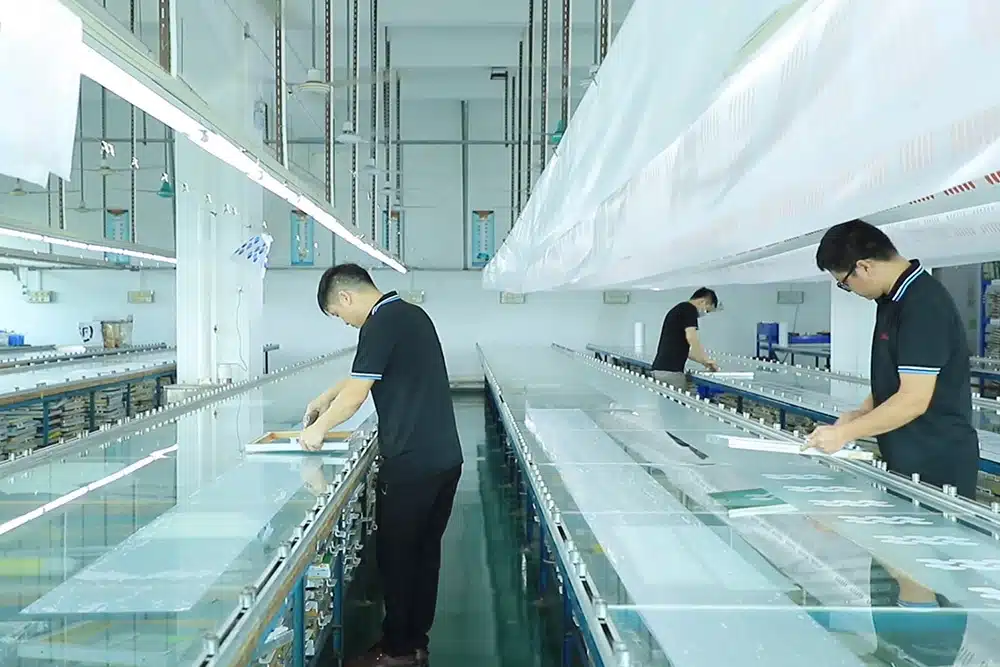

Medical grade silicone is a specially formulated material that meets the need for biocompatibility, durability and elimination of harmful materials. It is largely used in medical and health-related products such as gloves, bandages and dressings, tables and chairs, as well as in surgical instruments because it is non-toxic, hypoallergenic and highly resistant to bacteria. While purchasing medical silicone products from China can provide OEM buyers and medical device manufacturers with significant cost, scalability, and customization benefits, it can be a challenge to qualify suppliers correctly.
When you understand required certifications, quality control standards, OEM capabilities, and cost factors, you can successfully source OEM medical silicone manufacturing from China that ensures quality, regulatory compliance, and competitive pricing for medical devices. This guide shares practical insights from years of supporting global OEM partners to help you avoid common pitfalls and build reliable supply chains.
Why Sourcing Medical Silicones from China Requires Certifications, Quality Control, and OEM Capabilities
Medical grade silicone is particularly good at applications that involve direct or extended contact with the body. It’s biocompatible, meaning it can be safely integrated with human tissue, and durable, withstanding repeated sterilization and mechanical stress. The non-toxicity and hypoallergenic properties reduce any risk of irritation or allergic reaction.
The device has the properties to be used in a range of applications, from long-term implants to single-use surgical devices and pharmaceutical packaging parts. Being aware of these properties, manufacturers can create components that will function effectively throughout their design life.
How Biocompatibility, Durability, and Non-Toxicity Make Medical Grade Silicone Ideal for Implants, Surgical Devices, and Pharmaceutical Products
Medical grade silicone is non-toxic, hypoallergenic and bacteria resistant which directly affects patient safety. Wherever smooth, non-porous surfaces are in contact with other surfaces, they offer resistance to bacterial adhesion which helps lower the risk of infections in sensitive applications. This is especially important in implants and surgical devices, where failure is not an option.
With extensive experience in these properties, suppliers assist OEMs to select appropriate formulations to help eliminate over-engineering and reduce time and costs in development.
Why Non-Toxic, Hypoallergenic, and Bacteria-Resistant Properties Are Critical for Medical Implants and Surgical Devices
The non-toxic, hypoallergenic, and bacteria-resistant nature of medical grade silicone directly impacts patient safety. Smooth, non-porous surfaces resist bacterial adhesion, reducing infection risks in sensitive applications. This matters most in implants and surgical devices where failure is not an option.
Suppliers with deep experience in these properties help OEMs select formulations that meet exact performance needs without over-engineering, saving both time and cost during development.
Requirement #1 – Certifications (ISO 13485, FDA, ISO 10993, USP Class VI)
Medical grade silicone is non-toxic, hypoallergenic and bacteria resistant which directly affects patient safety. Wherever smooth, non-porous surfaces are in contact with other surfaces, they offer resistance to bacterial adhesion which helps lower the risk of infections in sensitive applications. This is especially important in implants and surgical devices, where failure is not an option.
With extensive experience in these properties, suppliers assist OEMs to select appropriate formulations to help eliminate over-engineering and reduce time and costs in development.
Some of the most important certifications to check are:
- ISO 10993 for biocompatibility
- The USP Class VI is a characteristic of biological activity.
- US market access: FDA compliance
- Quality management, ISO 13485.
- REACH/RoHS for chemical safety
How ISO 10993 Evaluates Biocompatibility Ensuring Silicone Is Safe for Use Inside the Human Body
ISO 10993 is a family of tests to assess the biocompatibility of medical devices. It verifies the safety of the silicone material for body use, based on the device category and contact time. The extent of testing is different for each device type, ranging from cytotoxicity to implantation studies.
These procedures can be complex, and seasoned Chinese manufacturers who know them well can help you through the required assessments and streamline your regulatory submissions.
Why USP Class VI Certification Confirms Silicone Does Not Produce Toxic Reactions in Living Organisms
USP Class VI testing is a series of biological tests to ensure that silicone causes no harmful reaction in living tissue. This standard is critical for materials that will be in prolonged contact with body tissues or fluids.
USP Class VI is the certification that suppliers provide to indicate that their material has undergone extensive reactivity testing, and that OEM buyers can trust the material for long-term safe use.
How FDA Compliance Ensures Medical Grade Silicone Meets FDA Regulations for Medical Devices in the US Market
FDA compliance refers to silicone that complies with FDA standards for medical products. This involves suitable documentation of the materials, and compliance with appropriate master files that support device clearance or approval.
Partnering with manufacturers who have experience with FDA will help clear the path for devices to be launched in the USA.
Why ISO 13485 Medical Device Quality Management and REACH/RoHS Chemical Compliance Are Essential for Regulatory Approval
ISO 13485 presents an extensive quality management system, designed specifically for medical devices. It, along with REACH and RoHS compliance, provides control of chemical substances and manufacturing processes.
These certifications are crucial for getting regulatory approval in a variety of markets and a manufacturer’s willingness to adhere to the best practices in the world.
Requirement #2 – Quality Control (Cleanroom Manufacturing, Batch Testing, Traceability)
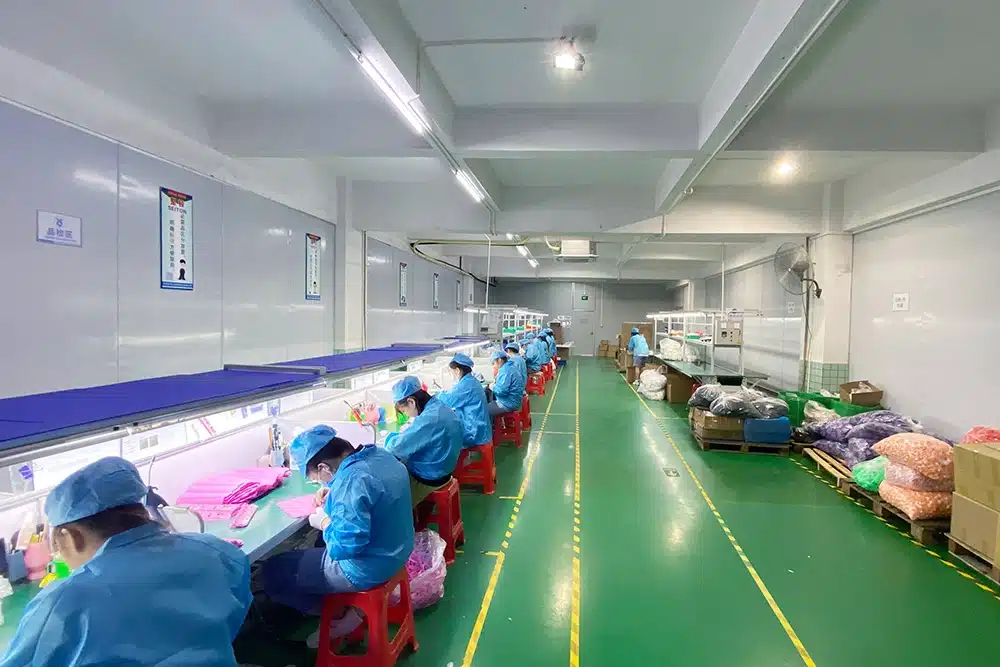
The difference between good suppliers and bad ones is the quality control they have. Cleanroom manufacturing is an essential process for silicone molding in the medical field where the molding process needs to be performed in a controlled environment in order to prevent contamination.
Essential QC elements are ISO Class 7/8 cleanrooms, batch testing of raw materials and finished products, full traceability with batch numbers and full documentation for audits.
How ISO Class 7/8 Cleanroom Manufacturing Prevents Contamination in Medical Silicone Components
Medical silicone parts are highly dependent on the minimum amount of airborne particles during production, which is a key requirement of ISO class 7/8 cleanrooms. Safe storage of sensitive materials and completed parts from contamination which may affect sterility or performance.
A hygienic environment is assured in the facilities that have the proper cleanroom equipment.
Why Every Batch Is Checked Testing Raw Materials and Finished Products Ensuring “If It’s Not Perfect, It’s Not Leaving the Factory”
Every batch undergoes thorough testing of both raw materials and finished products. The guiding principle is straightforward: if it’s not perfect, it’s not leaving the factory. This rigorous approach catches issues early and maintains consistent quality across production runs.
How Batch Numbers Recorded for Full Traceability Ensure Quality Control and Regulatory Compliance
Batch numbers recorded for full traceability allow complete tracking from raw material to finished component. This system supports quality control investigations and satisfies regulatory requirements during audits or field issues.
Why QC Documentation and Reporting Keep Detailed Records Making Audits and Inspections Easy for Regulatory Approval
Comprehensive QC documentation and reporting create clear records of every step in the manufacturing process. These detailed records make audits and inspections straightforward, supporting faster regulatory approval and ongoing compliance.
Requirement #3 – OEM Capabilities (Customization, Prototyping, Mass Production)
A silicone OEM manufacturer develops, prototypes, and mass-produces silicone components tailored to specific applications. Look for partners offering full 100% OEM and ODM services along with strong technical support.
How Silicone OEM Manufacturers Develop, Prototype, and Mass-Produce Silicone Components Tailored to Specific Applications
Effective OEM partners handle the entire journey from initial design consultation through prototyping to high-volume production. This end-to-end capability reduces coordination headaches and accelerates time to market.
Why 100% OEM and ODM Orders Available Enable Extensive Customization for Medical Device Manufacturers
Suppliers that accept 100% OEM and ODM orders provide the flexibility needed for medical device manufacturers. Extensive customization options allow precise tailoring of durometer, color, geometry, and performance characteristics to exact device requirements.
How Professional Mold Design Departments and Own Laboratories Ensure High-Precision Dimensional Testing for Medical Silicone Components
Inquire of prospective partners if they have a mold design department, and if they have their own lab for high precision dimensional testing. Such in-house capabilities help to provide tight tolerances and consistent quality throughout the manufacturing process.
Requirement #4 – Cost Factors (Pricing Tiers, Minimum Order Quantities, Shipping)
Knowing what the costs are can help make sure you don’t compromise on quality for budget reasons. The total landed cost of medical silicone components is influenced by pricing structures, MOQs, lead times and shipping.
How Pricing Tiers Balance Cost Efficiency with Quality Requirements for Different Volume Levels
All products are competitively priced with a tiered pricing system that offers higher volumes and ensures adherence to quality standards. Talking about your forecasted annual usage early may unlock the best rates without impacting on material specifications or QC processes.
Why Minimum Order Quantities and Lead Times Affect Cost and Production Planning for Medical Device Manufacturers
MOQs and lead times have direct implications for the rollout of inventory and cash flows. These parameters are optimized by experienced manufacturers in conjunction with the OEMs, depending on the device’s lifecycle phase and market demand forecasts.
Typical Applications – Medical Implants, Surgical Devices, Pharmaceutical Products, Drug Delivery Systems, Respiratory Masks, Valves
Medical silicone components are used for a variety of applications where reliability and biocompatibility are crucial.
Medical Implants, Surgical Devices, and Pharmaceutical Products Using Biocompatible, Non-Toxic, Hypoallergenic Silicone
Silicone is biocompatible, non-toxic and hypoallergenic, it is a great material for medical implants, surgical devices, and pharmaceutical products. It’s also durable and compatible with body tissue, allowing it to last a long time without causing any issues.
Why Drug Delivery Systems, Respiratory Masks, and Valves Use High-Precision Custom Silicone Components for Reliability and Sealing
For improved precision, custom silicone parts are required for drug delivery systems, respiratory masks (CPAP/BiPAP) and valves. The characteristics of sealing and satisfying strict dimensional requirements make liquid silicone rubber (LSR) extremely useful in these applications.
Summary – Certifications, Quality Control, OEM Capabilities, and Cost Factors as Core Sourcing Requirements
Quality control measures such as manufacturing in a cleanroom, batch testing, traceability and the ability to handle customization, prototyping and mass production by the OEM are key to successful sourcing of medical silicone components from China as is the transparency of cost factors, including pricing tiers, MOQs and lead times.
By addressing the factors listed above, you can work with an OEM medical silicone manufacturer in China that can provide your medical devices with quality, regulatory compliance, and competitive pricing. Medical grade silicone is still the material used, due to its special formulation to ensure it is biocompatible, durable, and free of harmful substances and provides the level of safety desired in a healthcare environment.
We believe that our OEM partners with an in-house capability, certified processes and practical experience in the medical industry will appreciate our support at Dongguan HT Silicone & Rubber Co., Ltd. Tell our team what you’re in need of and let’s create a dependable supply solution that’s perfect for you.