
Medical grade silicone valves are precision fluid control elastomeric valves made with injection or compression molding using carefully controlled bioburden and are made from high-purity biocompatible silicone compounds. These valves provide leak-free, repeatable, and reliable service in critical fluidic systems where any contamination or leakage could badly affect patient safety or test accuracy.
The selection of a silicone valve to medical systems is a high efficiency fluidic system solution, which will be able to produce the required flow-control parts with precision, repeatability and no leakage in the production line, but the quality of the parts produced will also greatly rely on the quality of the mold, the material specification of the valve, process control, post-curing and cleanroom production ability. Many buyers think that if the raw material is of a high grade then the quality of the product is high. In fact, the performance of the silicone valve is the result of every production process of the valve such as the engineering design of mold, the uniform wall thickness control, the automatic slitting parameters, the post vulcanization baking process and hygienic packaging process. This makes them suitable for diagnostic systems, fluid-handling and respiration systems, drug delivery systems, and laboratory microfluidic lines.
What Is a Medical-Grade Silicone Valve?
Medical Grade Silicone Valve is a single piece, flexible and multi-functional valve with accurate cracking pressure and clean cutoff properties. Precise silicone compounds are pushed into the cavity of precision steel moulds at a high temperature and pressure and the elastic memory recovery of the silicone material ensures that after slitting, it forms a zero-drip characteristic.
Premium liquid silicone rubber (LSR) injection molding may perform better than the traditional peroxide-cure solid silicone compression molding, due to the advantages of platinum-cure system: no volatile organic acid, excellent thermal resistance, and no leaching.
| Item | Explanation | Process Type |
| High-precision compression or LSR injection molding | Forms consistent valve geometry | Automated or semi-automated |
| Material Used | High-purity, platinum-cure liquid silicone rubber or solid compound | Platinum-catalyzed |
| Mold Type | Precision hardened steel tool with micro-tolerances | Multi-cavity possible |
| Best For | Zero-leakage, repeatable, certified bio-compatible micro-dispensing | Critical fluid control |
| Common Output | Duckbill valves, umbrella valves, cross-slit dispensers, fluidic diaphragms | Custom profiles |
For diagnostic arrays and clinical testing components, deploying medical-grade umbrella valves guarantees immediate sealing response and accurate directional backflow prevention.
How the Medical-Grade Silicone Valve Process Works
The production of medical grade silicone valves involves a multi-stage process and not just the molding. All stages help to ensure final compliance and functionality.
| Process Step | What Happens | Why It Matters |
| Design Review | Engineers evaluate geometry, wall thickness uniformity, and slit placement | Reduces defects, tearing, and tooling adjustments |
| Mold Fabrication | Hardened steel tool is built in an in-house workshop | Determines dimensional alignment and prevents parting-line flash |
| Material Compounding | High-purity silicone base is mixed using a platinum-cure catalyst | Prevents chemical leaching, odors, and structural degradation |
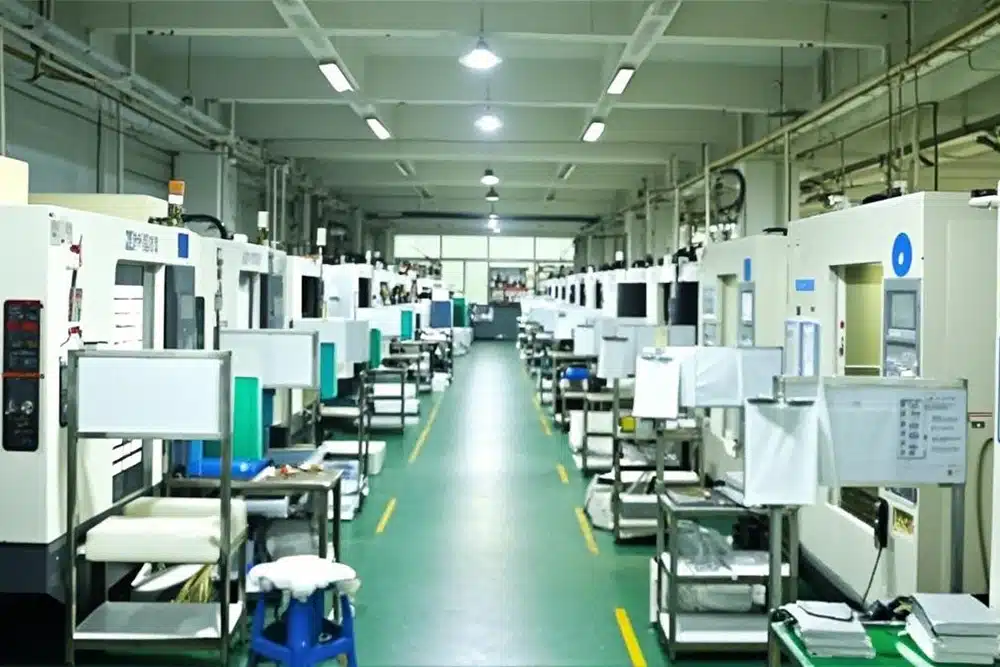
| Molding Operations | Raw silicone is cured inside heated mold cavities | Forms uniform physical properties and structural shapes quickly |
| Mechanical Slitting | Specialized automated fixtures make micro-precision cuts | Guarantees sharp, continuous pathways for drip-free cutoff |
| Post-Curing | Parts are baked in forced-air industrial ovens at high temperatures | Drives off volatile organic linear/cyclic siloxanes for compliance |
| Finishing | Flash is removed and specialized anti-bonding coatings are applied | Improves mechanical responsiveness and aesthetic look |
| Inspection | Pressure fixtures, optical counters, and dimension checkers log values | Ensures batch consistency and strict operational compliance |
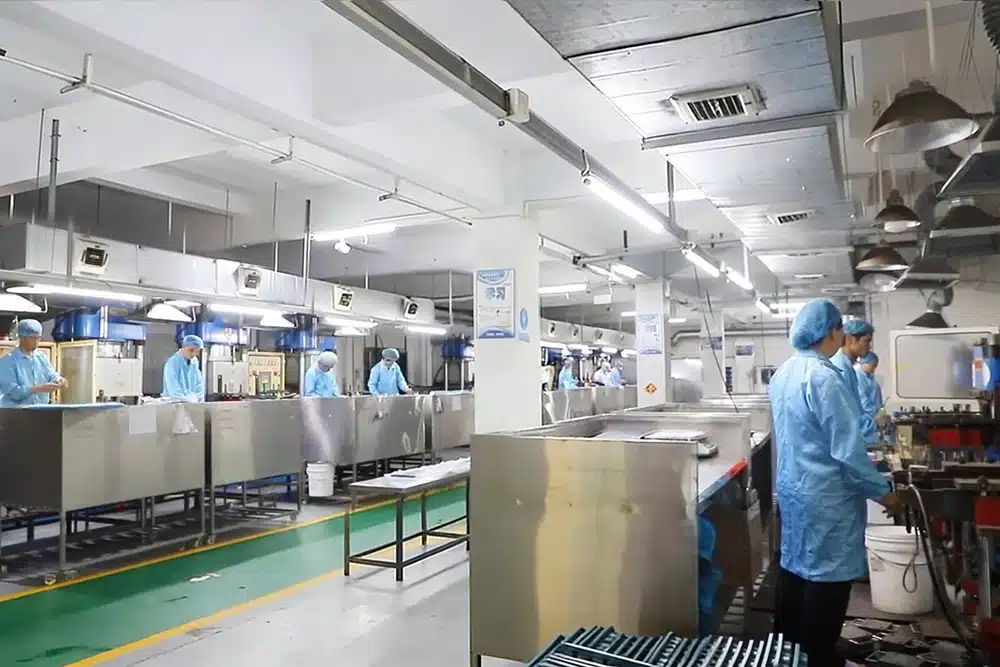
| Clean Packaging | Parts are packed inside double PE heat-sealed bags within a cleanroom | Prevents atmospheric contamination before client assembly |
Why Silicone Is Commonly Used in Medical-Grade Applications
In medical fluid dispensing applications, premium silicone compounds are known for their unsurpassed purity and mechanical strength.
| Silicone Property | Buyer Benefit |
| High-Purity Platinum Cure | Guarantees zero volatile residue, chemical leaching, or contamination logs |
| Thermal Resistance | Withstands aggressive autoclave steam and dry-heat sanitizing ovens |
| Elastic Memory Recovery | Ensures the valve snaps shut instantly over millions of fluidic pump cycles |
| Biocompatibility Status | Passes systemic toxicity and non-cytotoxic tests for in-vivo/lab use |
| High Tear Strength | Permits ultra-thin wall profiles and precise slitting paths without splitting |
| Chemical Inertness | Resists chemical degradation from solvents, blood, and heavy cleaning agents |
Key Benefits of Medical-Grade Silicone Valves
The true benefit of medical grade silicone valves is marrying up micro-precision, hygienic safety and design flexibility.
| Benefit | Practical Meaning for OEM Buyers |
| Clean Fluid Cutoff | Prevents residual fluid retention and eliminates contamination tracks at nozzle boundaries |
| Repeatable Cracking Pressure | Assures exact diagnostic volume and stable delivery without pressure drops |
| Single-Piece Design | Removes metal coil rust hazards, particulate wear, and loose internal pins |
| Viscosity Adaptability | Permits one valve geometry to manage blood, physiological saline, or thick reagents |
| Material Efficiency | Extreme longevity under continuous cyclic deformation lowers warranty liability logs |
| Production Scalability | High-cavitation molding cells are ideal for global healthcare equipment lines |
Common Applications of Medical-Grade Silicone Valves
When hygienic reliability, precise dispensing and tight fluid control are essential, medical-grade silicone valves are the best choice.
| Industry | Common Medical-Grade Silicone Valves |
| Diagnostics | Reagent control check ports, microfluidic split-valves, one-way analyzer flaps |
| Infusion / IV Sets | Needleless access valves, anti-siphon valves, double check backflow seals |
| Drug Delivery Pumps | Anti-free-flow duckbill checks, precise cracking pressure dosing diaphragms |
| Respiratory Systems | Low-pressure exhalation umbrella valves, oxygen inlet masks check flaps |
| Dialysis Equipment | High-chemical resistance isolation check units, dialysate track seals |
| Surgical Fluidics | Heavy-duty suction check valves, drainage vacuum seals, backflow stop valves |
| Lab Automation | Inline micro-dispensing petals, high-frequency inline check tracks |
| Wearable Biodevices | Compact anti-leakage silicone valves, low-profile safety switches |
Medical-Grade Silicone Valves vs Other Manufacturing Methods
The customer is frequently interested in comparing custom silicone valve profiles to mechanical options. Silicone valves are often the best choice when a valve must be used in applications where hygiene and simplicity are paramount.
| Process/Mechanism | Best For | Limitation |
| Medical-Grade Silicone Valves | Single-piece micro-dispensing, absolute zero-leakage, autoclave-exposed arrays | Upfront customized mold tooling investments required before mass runs |
| Metal Spring-Loaded Valves | High mechanical backpressure lines requiring severe industrial closing forces | Poor hygiene; dead space inside mechanical coils traps biological residue |
| Rigid Plastic Ball Valves | Simple large-bore fluid tracking across macro-scale fluid pipelines | Severe leaking risk; micro-particles or debris scratch faces and ruin seals |
| Flat Die-Cut Rubber Gaskets | Static assembly gaskets providing zero moving or dynamic open functions | Lacks structural 3D active geometry; cannot control precise cracking thresholds |
What Affects Medical-Grade Silicone Valve Quality?
With a high-quality zero-leakage custom molded silicone valve, it’s important to have control over the entire production footprint. Speckles make big problems downstream.
| Quality Factor | Possible Risk If Ignored | Factory Control Solution |
| Tooling Cavity Alignment | Core shift causing unbalanced wall thick zones | Rigid centering jigs engineered in an in-house mold shop |
| Compound Vulcanization | Incomplete material cross-linking or structural tear spots | Validated heating loops and premium platinum bases |
| Parting-Line Trimming | Microscopic flash layers clinging to the valve lips | Flash overflow designs and precision mechanical trim dies |
| Micro-Slitting Action | Ragged edges or incomplete cuts along the split line | Custom automated mechanical slitting fixtures |
| Secondary Oven Baking | High outgassing or volatile matter failing bio-tests | Extended forced-air post-cure bakes at 200°C |
| Shop Particulates | Dust fibers caught in the sealing path, causing leaks | Processing completely within certified dust-free cleanroom spaces |
| Functional Verification | Malformed parts entering final high-volume medical kits | Laser checking and custom functional pressure fixtures |
Advantages and Limitations Buyers Should Understand
When medical-grade silicone valves are used correctly, their performance is excellent, however, there’s a lot to understand before buying.
| Advantages | Limitations |
| Incredible material memory resists sterilization steam and heat | Requires upfront custom mold tool investments |
| Certified raw purity satisfies strict USP Class VI benchmarks | Micro-slitting cutting depth must be tightly tuned to eliminate stickiness |
| High structural flexibility allows zero-drip microfluidic cutoff | Slit lengths must match target reagent fluid viscosities |
| Single-piece designs drop component count and validation logs | Core alignment is exceptionally sensitive to microscopic core shift |
What OEM Buyers Should Prepare Before Starting a Project
Preparation can vastly improve the accuracy of a quotation and lessen the risk of development.
| Information to Prepare | Why It Helps |
| 3D CAD Blueprint | Allows engineering teams to run mold flow and DFM structural checks |
| 2D Technical Drawing | Marks critical tolerances, wall boundaries, and surface finishing notes |
| Chemical/Reagent Info | Directs appropriate material durometer choices and polymer formulation |
| Sterilization Plan | Determines base compound survival metrics against yellowing or hardening |
| Target Regulation Rules | Informs whether specialized USP Class VI platinum compounds are needed |
| Cracking Pressure Boundary | Instructs precise slit length adjustments and wall thickness rules |
| Estimated Batch Volume | Defines tool cavity layouts (single-cavity prototype vs. multi-cavity cold runner tool) |
How to Choose a Medical-Grade Silicone Valve Manufacturer
When choosing the best custom silicone valves manufacturer, there are far more factors to consider than just cost. Special attention to engineering depth, process control and compliance systems.
| Supplier Capability | Why It Matters |
| In-House Mold Workshop | Speeds DFM turnaround, cuts tooling cost, and secures tight wall tolerances |
| Automated LSR Injection | Provides perfect concentricity and clean, flashless parting lines on small medical valves |
| Precision Slitting Lines | Controls precise split lengths without tearing or micro-ragged edges |
| Post-Curing Infrastructure | Safely extracts volatile matter to ensure passing strict laboratory leachables audits |
| Dust-Free Cleanroom Spaces | Prevents airborne particles or lint from bonding into the active sealing lip |
| Specialized Testing Fixtures | Measures actual physical opening boundaries instead of guessing Shore hardness |
| International Compliance | Proves consistent process discipline and safeguards brands from biological contamination |
Common Misunderstandings About Medical-Grade Silicone Valves
There are a few misconceptions among people who buy real estate.
- Unlike standard catalog valves, silicone valve profile type selection is not a generic option but is determined by specific media behavior and cracking pressure needs of each custom silicone valve.
- Remember, the cost of mold investment is a function of productivity – prototype cavities should be considered along with the cost of high volume tooling.
- Hand cut prototypes do not always show the precision that is achieved with automated production tools.
- Wall thickness cracking pressure is not simply defined by durometer and is also influenced exponentially by geometry.
- Not cosmetic, post-curing is necessary to remove toxic volatile cyclosiloxanes.
- Hardness alone does not cure surface sticking problems – geometry or coatings are preferred.
Conclusion — Medical-Grade Valve Production Is a Complete Engineering System
Medical-grade silicone valves provide a highly scalable, clean and reliable way for controlling fluids in modern diagnostic and life-science equipment. They are repeatable, sanitary cut and provide certified sanitary compliance. But this is far from the only key to success. It needs strict mold steel center and custom slitting fixture, clean room automation, precision slitting control and extended post vulcanization baking.
OEM buyers can only obtain silicone parts that have been manufactured with a custom silicone valves manufacturer’s complete manufacturing facilities, combining in-house mold manufacturing workshops, LSR capabilities, dust-free assembly and packaging workshops, and functional tests, can ensure the parts are consistent in performance and meet the most stringent regulatory requirements. Preparation with an experienced team will ensure smoother launches and less surprises in the long run.