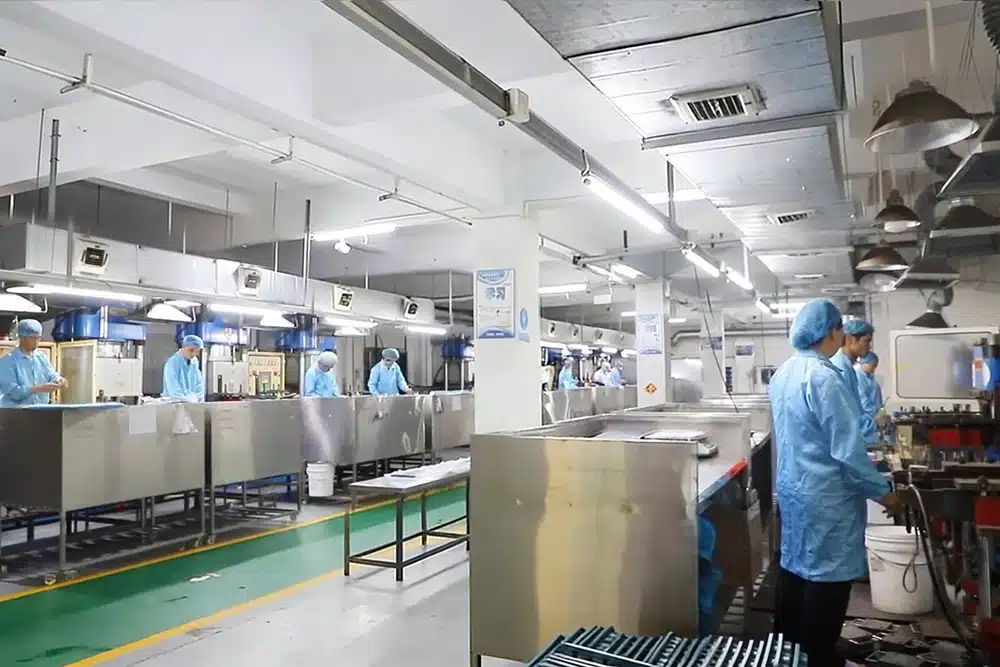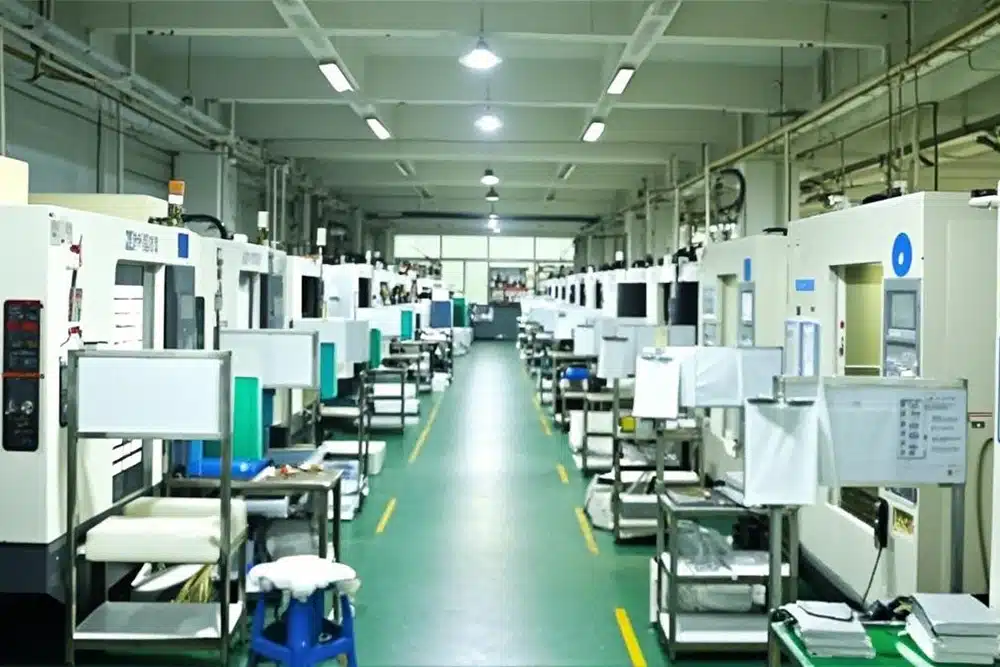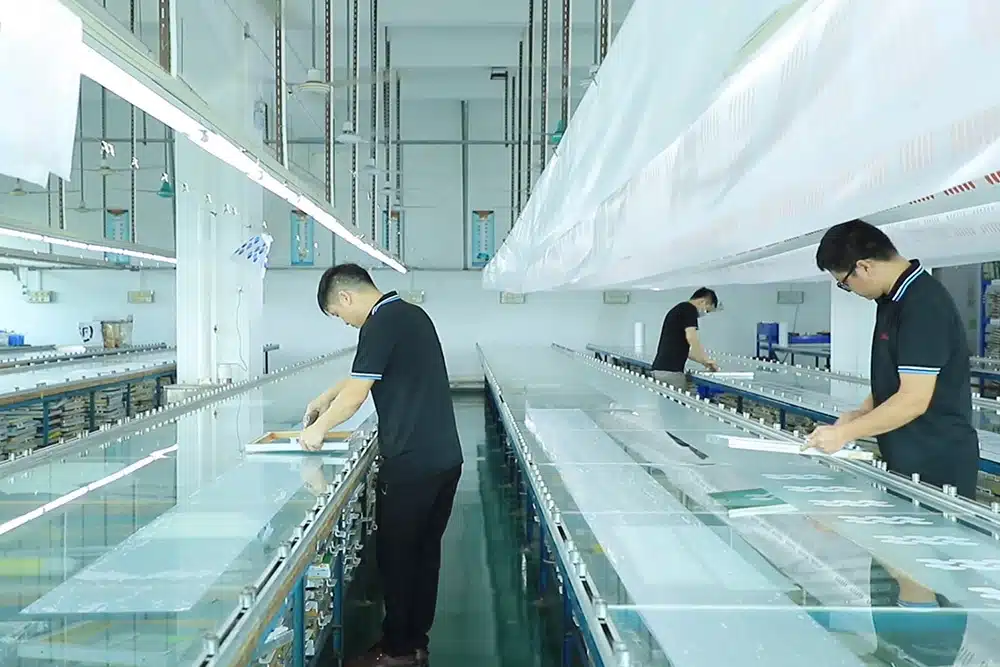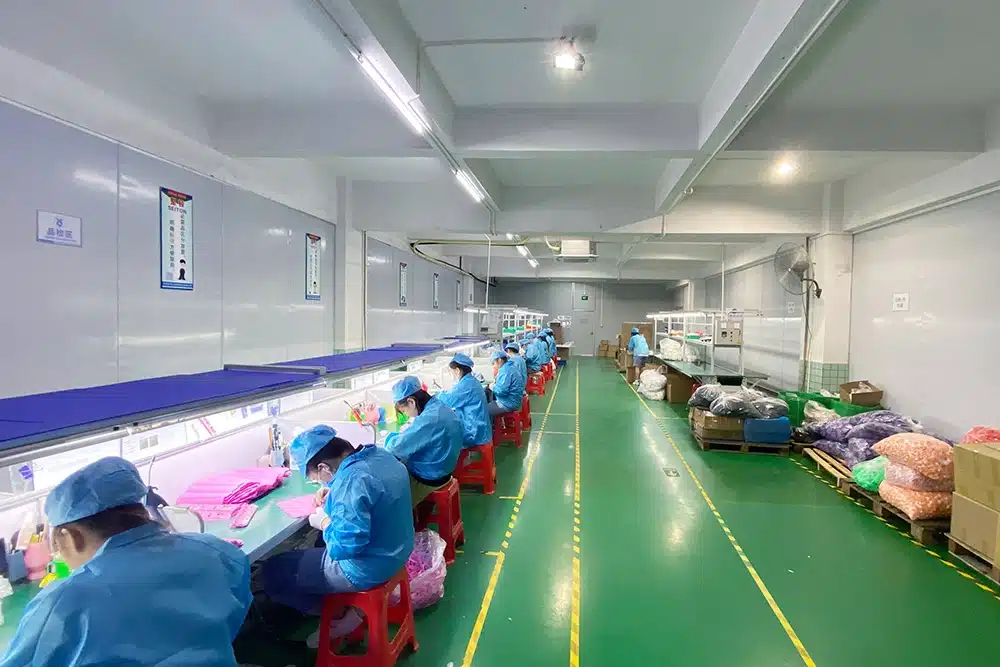

The decision between Liquid Silicone Rubber (LSR) and Solid Silicone Rubber (HCR) is not merely a choice of material but rather a choice of manufacturing process that can influence the design of the product; the tooling; the manufacturing efficiency; the tolerance control; and the long-term performance.
LSR is a liquid two-part silicone system that is subjected to the injection molding process. It is excellent in high volume, precision and automated production. HCR (also called High Consistency Rubber or solid silicone rubber) is a gummy substance that is normally processed by compression molding or transfer molding or extrusion. It provides the flexibility of tailor-made silicone products of lower to medium quantities.
Neither of the materials is universally superior. Most consumers think that LSR is always more sophisticated or that HCR is always cheaper. As a matter of fact, the correct decision is based on product functionality, tolerance, volume of production, cost management, and environment of end use. The most optimal silicone material is that which is in line with the functional demands, manufacturing process, volume of production and long-term quality expectations of the product.
What Is Liquid Silicone Rubber (LSR)?
Liquid Silicone Rubber can be best characterized as a process and material solution to precision, repeatability, automated silicone production.
LSR is provided as a two part liquid system (Part A and Part B) that is mixed and injected into molds with pressure. Due to its low viscosity and high flowability, it can fill even the most complex cavities in a short time and uniformly. The material is cured in a short time within the heated mold, allowing short cycle times and high production.
This makes LSR especially applicable to complex geometries, thin-walled applications, tight tolerances and overmolding. It is popular among manufacturers of medical components, baby care products, seals and gaskets, wearable electronics, and precision consumer parts where consistency across thousands or millions of units is critical.
| LSR Feature | Practical Meaning for Product Development |
| Liquid two-part material | Suitable for automated injection molding |
| High flowability | Supports complex shapes and thin-wall designs |
| Fast curing | Helps improve production efficiency |
| High consistency | Supports repeatable quality in large-volume production |
| Clean processing | Suitable for applications requiring controlled production |

What Is Solid Silicone Rubber / HCR?
Solid Silicone Rubber, often known as HCR, is a convenient and frequently utilized material to custom silicone parts that require flexibility in tooling, color, hardness, and volume of production.
High Consistency Rubber is in the form of a dough or gum prior to processing. It is normally cast into sheets or strips, it is cast into open molds and also it can be cast through compression or transfer molding. It can as well be extruded into profiles.
HCR is bright when the product designs are thick, easier or when the color/hardness changes frequently. It is found in typical kitchenware, pet supplies, industrial gaskets, sleeves, mats, buttons, and most consumer products where very high precision is not as critical as are cost-effective tooling and material versatility.
| HCR Feature | Practical Meaning for Product Development |
| Solid gum-like material | Suitable for compression molding and extrusion |
| Flexible formulation | Allows hardness, color, and performance adjustment |
| Lower tooling complexity | Helpful for prototypes and medium-volume projects |
| Suitable for thicker parts | Works well for many consumer and industrial silicone products |
| Broad application range | Used in seals, sleeves, mats, kitchenware, and molded parts |

LSR vs HCR: Key Differences at a Glance
Not only material form is the most important difference between LSR and HCR, as far as behavior of each material in the manufacturing process and how this impacts product cost, tolerance, and scalability.
| Comparison Factor | Liquid Silicone Rubber (LSR) | Solid Silicone Rubber / HCR |
| Material form | Liquid two-part silicone | Solid gum-like silicone |
| Main process | Liquid injection molding | Compression, transfer molding, extrusion |
| Production efficiency | High for automated mass production | Flexible for small to medium production |
| Tooling cost | Usually higher | Often lower depending on product structure |
| Design complexity | Excellent for complex and precise parts | Good for many standard or thicker parts |
| Tolerance control | Strong for precision parts | Depends on mold design and process control |
| Surface finish | Consistent and clean | Can be excellent with proper tooling |
| Best for | High-volume precision parts | Custom molded parts, seals, thicker products |
When Should You Choose LSR?
The LSR is typically preferable when precision of the product is required, production of a high volume is needed, the geometry is complex, or the product must be consistent across batches.
Some of the reasons product engineers choose LSR are:
- Runs of high volume (tens of thousands+)
- Slim walls, undercuts or complex details.
- Overmolding plastic or metal.
- Medical, baby, or food-contact uses that require clean processing.
- Projects with dimensional stability and flash minimal requirements.
For product teams comparing HCR and LSR, a structured Materials & Silicone Selection process helps match material type, hardness, molding method, and product requirements before tooling begins.
When Should You Choose Solid Silicone Rubber / HCR?
HCR is usually the more appropriate to use when the product needs to be customized flexibly, is thicker, lower initial tooling pressure, or practical production of small to medium batches.
Solid silicone rubber has been found to work well with:
- Gaskets, seals, and mats that are compression-molded.
- Kitchenware, pet products and consumer accessories.
- Prototypes or orders of hundreds to low thousands.
- Areas where color matching or hardness modifications are common.
- Thick cross-sections are used in applications where increased durability is achieved.
Cost, Tooling, and Production Volume Considerations
The cost of LSR and HCR should be compared on the basis of the tooling, cycle time, labor, volume of production, scrap control, as well as long-term repeatability – not only unit price.
The LSR tooling is generally more costly since the molds need to withstand a greater pressure, and/or include cold runners or precision gating. But when scaled, automation lowers labor costs and increases its consistency, which at scale often reduces the total cost per part.
HCR tooling can be more easily and less costly to construct or alter, and may be appealing in the early-samples and middle-volume ranges. The trade-off is manifested in longer cycle times and a greater proportion of manual labor in it.
| Cost Factor | LSR Consideration | HCR Consideration |
| Tooling investment | Usually higher due to precision molds | Often more flexible |
| Production volume | Better for large-scale automated runs | Suitable for small to medium runs |
| Labor input | Lower in automated systems | Can require more manual process control |
| Cycle consistency | Strong repeatability | Depends on operator skill |
| Long-term cost | May reduce cost at scale | May be economical for flexible production |
Performance Differences: Does LSR Perform Better Than HCR?
There is no guarantee that the LSR will perform better than the HCR in all applications, performance is dependent on the silicone formulation, product design, curing process, and testing requirements.
When well formulated, both materials can offer excellent heat resistance (up to 200C+), flexibility, chemical stability and durability. The actual variation is the consistency between those properties within production runs and the similarity in the material to the geometry of the part.
LSR can also offer high quality surfaces and dimensional stability in high precision. HCR is often capable of providing strong performance in thicker, high-compression, or highly flexible parts.
Common Mistakes When Comparing LSR and HCR
Most material selection issues occur due to comparing LSR and HCR too broadly without regard to product geometry, production scale, tooling budget, and the actual conditions of application.

Common pitfalls include:
- Supposing LSR is always the most expensive options in terms of volume.
- Choosing HCR based on the fact that initial tooling quotes will be lower.
- Neglect of the impact of the volume of production on the overall landed cost.
- During early design, overlooking tolerance and flash requirements.
- Skipping prototype testing in the actual molding process
Practical Selection Checklist: LSR or HCR?
Most material selection issues occur due to comparing LSR and HCR too broadly without regard to product geometry, production scale, tooling budget, and the actual conditions of application.
| Question to Ask | Why It Matters |
| What is the expected production volume? | Helps determine whether automated LSR is justified |
| Does the part require tight tolerances? | Influences mold and process selection |
| Is the product thin, complex, or detailed? | May favor LSR |
| Is the product thick, simple, or flexible in design? | May favor HCR |
| What hardness and elasticity are required? | Affects material formulation |
| Will the product contact food, skin, or medical environments? | May require specific compliance testing |
| What is the tooling budget? | Impacts early-stage project planning |
| Will repeat orders require batch consistency? | Affects process control and supplier selection |
Conclusion — LSR and HCR Serve Different Product and Manufacturing Needs
The distinction between Liquid Silicone Rubber and Solid Silicone Rubber lies not in the simple terms of Liquid and Solid. It is an effective manufacturing choice, which influences the design of the mold, the efficiency of production, the uniformity of products, and the overall performance.
LSR tends to be victorious in high volume, precision and automated production. The HCR is still incredibly useful in flexible customization, thicker structures and numerous custom silicone products. By determining at an early stage the functionality of the product, its structure, volume and quality requirements, teams can choose the silicone material that most effectively supports a reliable production process and practical application.