
There is a lot of silicone pouches available with big words like “leakproof,” but somehow some of them still leak soup, sauces in backpacks or drip in the car. That is a problem that not only means that users are frustrated with the brand, but also harms the brand owner because of the discrepancy between the claims and the actual performance. True leakproof silicone food bags are not only based on a good label, but they are supported by careful design of the seal geometry, manufacturing tolerances, material selection and thorough validation.
We’re here to deconstruct what it is that makes a silicone bag reliable in everyday stress. You will gain an understanding of various types of seals, the importance of tolerances, the influence of material behaviour on sealing, and some testing techniques you can use yourself. You can use these insights to take your product development or supplier quality assurance beyond the assumption and reach confident, repeatable leak resistance for both retail and supplier applications.
What Does “Leakproof” Actually Mean for Silicone Food Bags?
Leakproof means the bag will hold liquids in normal use (when lying flat, standing up, carrying or storing in a fridge) even small amounts. It should also withstand reasonable changes in pressure, be squeezable without breaking or failing, and should not be affected by orientation changes.
Under all extreme conditions, no bag is 100% leakproof. Realistic goal: a high safety margin for normal usage: leftovers, lunch bags, and sauces and soups. This balance of seal design, material properties, and production consistency is needed to achieve this.
Key Factors Behind a Leakproof Design
There are three elements involved:
- Seals with strong compression and interference geometry and closure mechanism.
- Quality and thickness of sealing material.
- Manufacturing tolerances to guarantee that all bags behave the same as the approved sample.
Testing should replicate actual forces such as gravity, shaking and pressure difference to ensure performance.
Common Seal Types Used in Silicone Food Bags
There are three silicone food bag seal types, each having different mechanisms and applications.
Press to close: These are made with molded male/female profiles that interlock along the length. In a double-track or multi-rail configuration, there are multiple sealing lines for added redundancy.
Rigid slider bar: Slider bar is run along the track pressing the profiles together more evenly. This helps to make it easier to close, particularly for silicone that is thicker or for larger bags.
Roll-top or fold-over designs: Multiple folds and integrated clips, clasps or channel lock. The seal is created by the compression of layers, not by interlocking rails.
Pros and Cons of Each Seal Type
When designed appropriately, press to close interlocking tracks deliver high reliability with liquids. They are simple and have good compression, but may be more difficult for individuals to close completely if they don’t have the hand strength. They are most appropriate for home storage and as an adult.
For extra user-friendly and consistent experience, particularly on wider bags, Slider zips are helpful. But when tolerances are excessively loose, the slider ends are weak areas. Use sliders for products with a family or travel focus where ease of use is important.
Very thick or soft silicone is suitable for roll-top designs and offers a great sealing surface. The drawback of their performance is that it relies on the user and if they aren’t folding correctly, there will be gaps. They are suitable for dry materials or semi liquids, but need explicit instructions for liquids.
The selection should be appropriate for the target audience (children or adults), the type of content (thin liquids or thicker sauces) and the main use (fridge storage or carry for the day).
How Tolerances and Material Choices Affect Seal Integrity
Tolerances are the permissible dimensional difference between the mold and the finished part. Micro gaps can form in the seal, particularly at corners where stress is concentrated, even with a small amount of the seal’s thickness.
Because silicone is naturally flexible, it conforms to mating surfaces but is also prone to thin spots or variations in hardness. When the seal area extends or warps under load, the liquids seep through.
Critical Dimensions Around the Seal Area
Focus on:
- Use a seal profile height and width to ensure good compression.
- Uniformity throughout the track.
- Avoid weak hinge points by making transitions in wall thickness smooth.
- Corner radii that minimize stress concentrations.
Small deviations are sometimes visible on the end of the seal or at the ends of the track and at the bag sidewalls.
Material Hardness and Thickness at the Seal
How easily the seal can be closed and its resistance to pressure is directly affected by its durometer (hardness). Lower durometer (softer silicone): Will compress easily and may be squeezed or stretched. Harder grades are more structured, but may be stiff for some users.
The local thickness must be slightly higher in the seal zone than that of the bag body, in order to retain integrity. When the seal is closed correctly, these properties can be optimized by working closely with the engineers so that users receive clear tactile feedback.
Factory-Level Testing Methods for Leakproof Performance
Spend time with professional manufacturers, who do more than simply shake the water. Multiple protocols that simulate real conditions are reliable validation.
Static leak tests are performed with the bag upright, flat or inverted. Pressure tests are the result of controlled squeezing to mimic handling. Thermal cycling places bags under freeze-thaw conditions, while open-close cycles ensure longevity.
Simple Water Fill and Inversion Tests
Use of a baseline test:
- Add colored water to the bag to 50-70% to make it easier to see.
- Seal as directed and dry the outside of the seal.
- Let stand on paper towel for 5-10 minutes, then up, then upside down.
- Look for any dripping or moist areas.
Establish a pass criteria like no leakage seen after 10 minutes in each position.
Manual Pressure and Drop Tests
For higher stress:
- Use moderate hand pressure or place a standard weight on the filled bag while upside down.
- Short drops from counter top height (seam side down).
Check for rapid leaks, bubbling or seal distortion. Such tests can be used to readily identify weaknesses in geometry or material.
Consumer-Level Testing – How Brands and Users Can Check Bags at Home
There are meaningful checks that can be done without lab equipment, which brands and careful buyers can do. Fill with water, seal carefully, turn upside down and press hands over and observe and feel for water leaks. Put the bag on dry white paper towel for a few minutes to see if there are micro-leaks that can be identified as rings that are damp.
Travel and Flight-Simulation Tests
Pressurization and rough handling during air travel create stress forces. Press the bag filled, inverted slightly and rotate it slowly, checking corners and slider ends. To make it more realistic, put the sealed bag into a vacuum-sealed bag or gently squeeze to simulate cabin pressure change.
Design Tips to Improve Leakproof Performance Before Testing
Use double-rail seals if feasible, generous corner radii, and a slightly thicker material in the sealing area. Use clear max fill lines to avoid over filling that causes the bag to be distorted and smashes the seal against the liquid. Make the seal track just outside of the sidewalls for corners to seal.
Early prototypes have deliberately strong seals for refinement as tests are received.
User Instructions That Protect the Seal
User is also a critical success factor for real performance. Suggest cooling hot liquids before sealing, cleaning and drying the tracks, allowing head space and removing excess air. Using simple icons or a few words in packaging greatly minimizes failures caused by misuse.
Choosing the Right Manufacturing Partner for Leakproof Projects
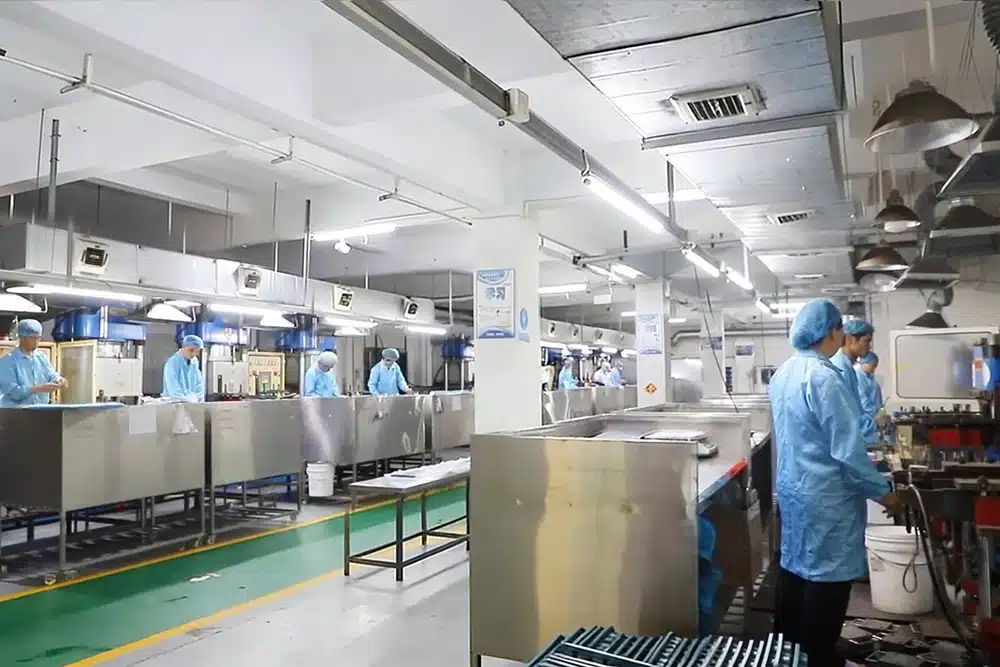
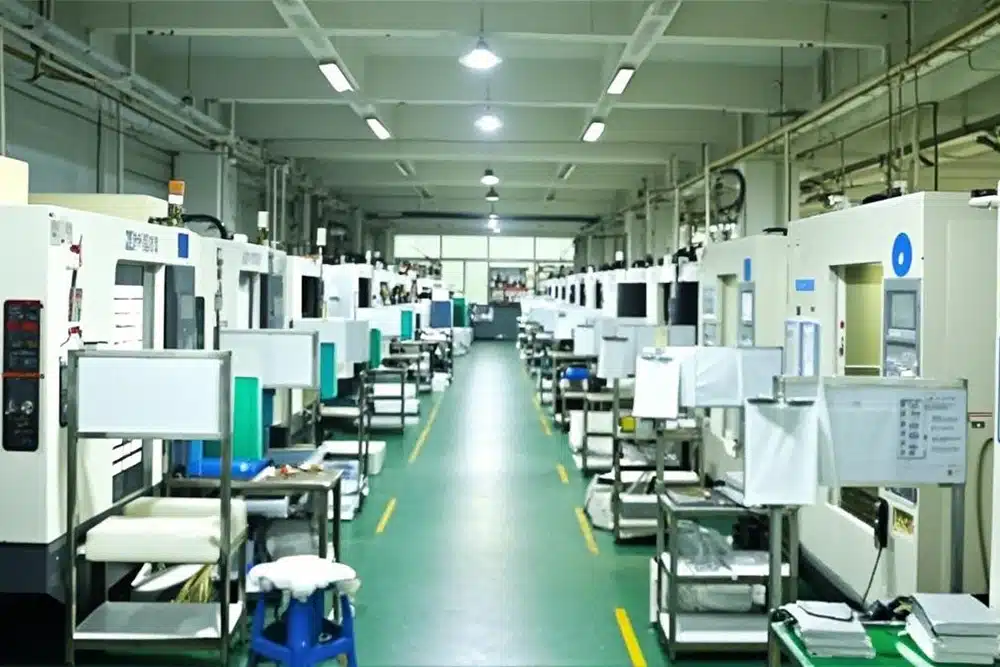
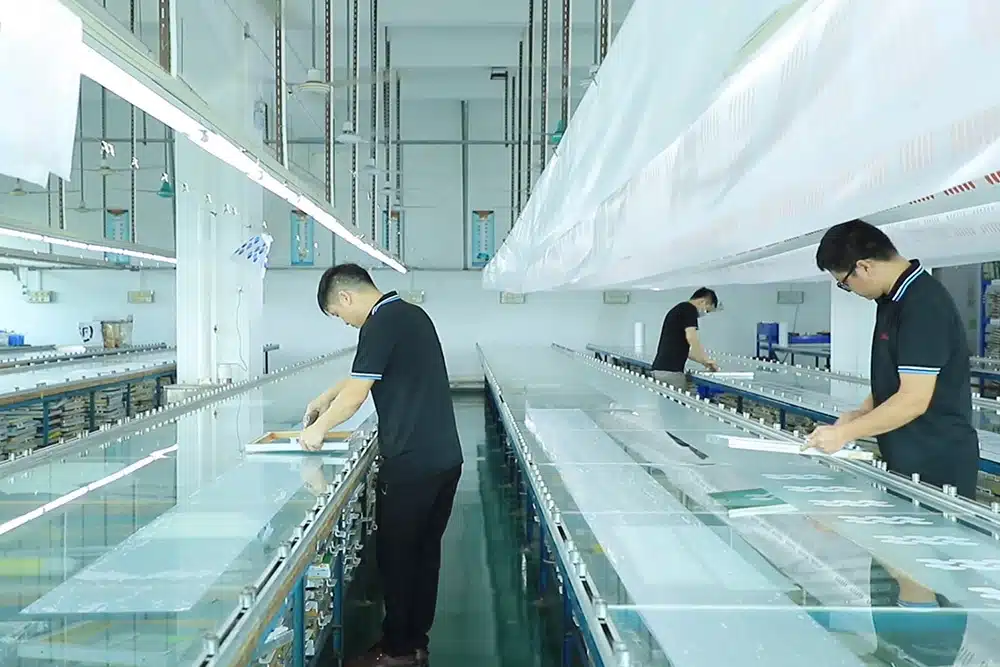
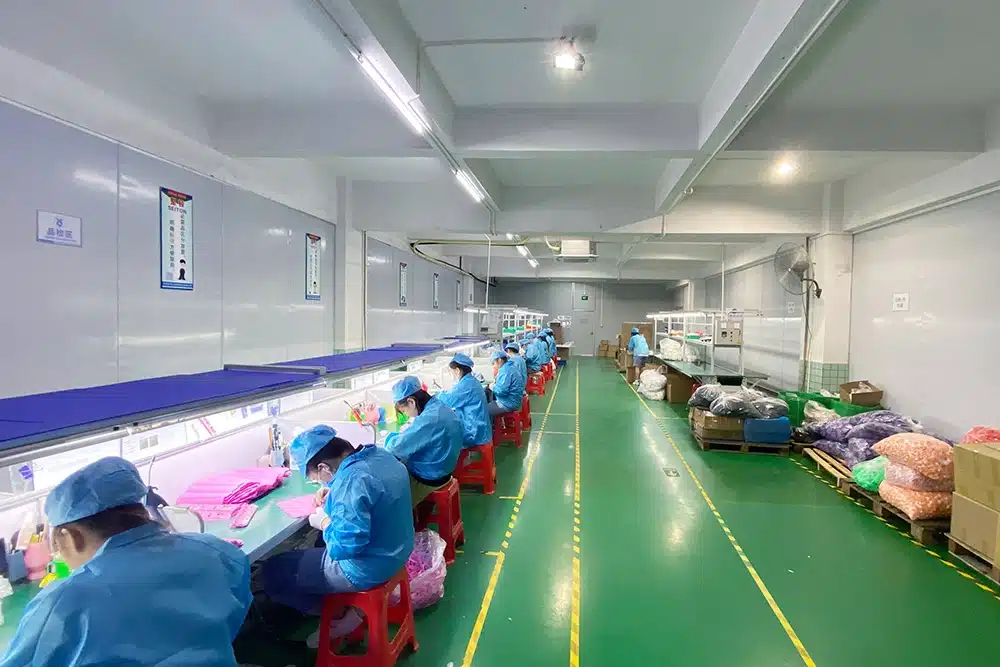
Quality of tools, process control and disciplined quality assurance, not simply design concepts, typically account for the consistent leakproof performance. The factories that have deep experience in this category know how to control tolerances and validate all production runs.
If you want to avoid returns and bad reviews, partnering with a factory that specializes in leakproof custom silicone bags allows you to refine seal geometry and define solid testing standards before every mass run.
From Prototype to Reliable Production Runs
Experts in the team collaborate with the client for adjustment of hardness, profile dimensions and tolerances as per the test results. This partnership approach helps to cut down the development time and provide customer end bags with the right features.
Leakproof Validation Checklist for New Silicone Bag Projects
Before approving mass production, please check this list:
- The selected and optimized seal type for the target users and contents
- Seal’s material hardness and thickness around checked, reviewed with engineers.
- Good tolerances that are well written in technical drawings
- Passed liquid contents with static, inversion and pressure tests.
- On-the-go products: Travel & pressure-differential simulations completed
- Instructions for user on proper filling, sealing and cleaning.
These steps will help you create and send silicone food bags that won’t be met with complaints but with trust.
Our many years of manufacturing reusable silicone storage solutions have honed these processes. Blend and use LSR and HTV to create the mold, systematical leak testing, and in-house mold making enable brands to bring reliable products to market faster.