
When you come up with a brilliant idea for silicone food storage bags, cosmetic bags, or travel organizers, and you don’t know the first thing about converting the concept into a product you can sell, it may seem like too much work. Many brand owners and importers have the same problem – conceptualizing the idea and getting to the factory without wasting time and money on changes.
This step-by-step guide takes you through the whole process starting from determining your product requirements and ending with a reliable partner when you are ready to launch. No matter what kind of custom silicone food storage bags you’re creating for retail shelves or private label silicone bags for your ecommerce store, these steps can help you avoid pitfalls and get to mass production from concept to completion efficiently.
Step 1 – Define Your Use Case, Target Customer and Sales Channel
There are a number of questions to consider when designing the silicone bags and the design is only successful when the answers to the questions are clear. Think about the actual situation for them: Do they need a reusable food storage bag for the busy kitchen, a leakproof make-up pouch for on-the-go or a kids’ snack bag or a rugged outdoor gear pouch?
The specs are influenced by your target customer and sales channel. An affordable, durable and easy to clean private label supermarket line might be a priority for daily use at home. A beauty brand offering gift sets might opt for high quality soft silicone with sleek design and finish. Thicker walls, sand resistant textures, UV stability are required for adventure gear by an outdoor company.
When these parameters are resolved from the beginning, the final product will have the right characteristics and regulatory requirements, including food-contact safety.
Step 2 – Clarify Key Product Requirements (Material, Size, Style, Closure)
After knowing the use case, break it down to the core technical requirements. Begin with material – food grade or BPA free silicone for kitchen or baby products or LFGB if selling in Europe. Choose a design—flat pouch, stand up pouches with a gusset, zipper closure, press to close seal or a handled tote.
Take the width and height into account as well. The wall strength required for a small snack bag is different to that of a large storage bag. Consider transparency (clear, translucent or opaque) and colour matching to your brand palette with pantone colour references.
At this stage, rough dimensions and reference images work well. Once you have a basic idea of your size, style and safety requirements, it is much easier for a custom silicone bag manufacturer to review your concept and propose the most suitable material and molding solution.
Step 3 – Prepare Reference Files, Drawings and Branding Assets
The better factories can see your vision, the faster they will work. Collect all the materials: pictures of similar products you like, examples of competitor products, hand sketches and dimensions, or even a physical product that you want to improve.
To ensure accurate branding, these Vector logo files (AI, EPS or high resolution PNG) and brand guide for colors and fonts are required. Don’t need to have professional CAD drawings at the outset – many clients begin with basic PowerPoint layouts or PDF sketches.
What If You Don’t Have Technical Drawings Yet?
The engineering teams of experienced manufacturers are dedicated to converting concepts into a manufacturable design. Communicate ideas in a simple way and ask for the Design for Manufacturing (DFM) perspective. This is a collaborative way that also tends to result in better function and reduced production costs.
Step 4 – Choose the Right OEM/ODM Partner and Confirm Capabilities
One of the most crucial choices you’ll make in your custom silicone bag project is the partner you choose. Pay attention to silicone bag manufacturers who specialize in silicone bags, not silicone components.
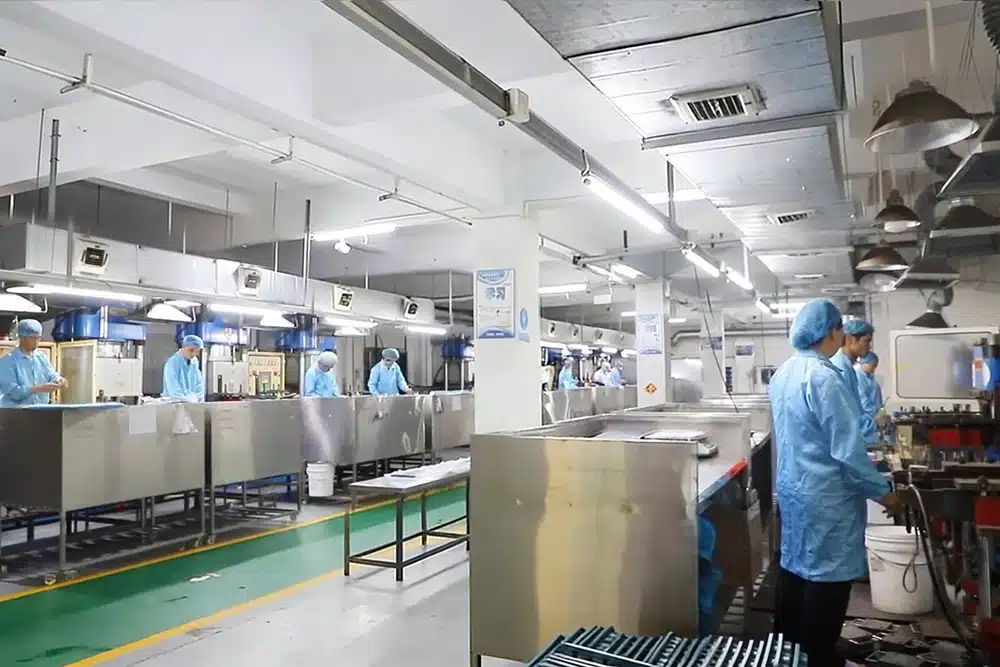
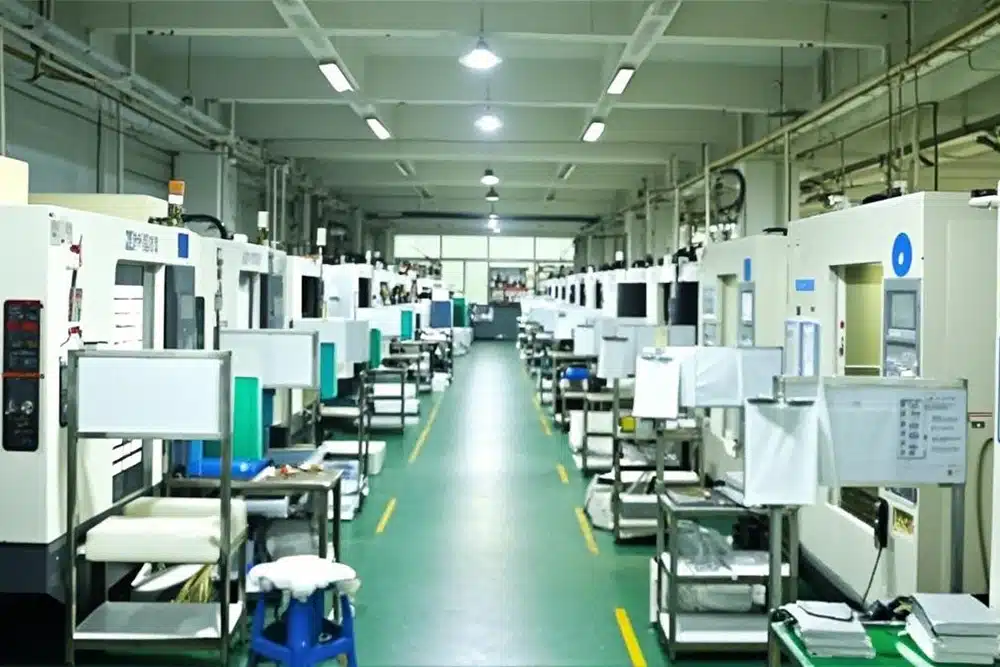
In-house mold making, compression and liquid silicone rubber (LSR) molding equipment, surface printing and complete packaging lines are all important capabilities to check. If applicable, inquire about their experience with food-grade or cosmetic applications as well as their ability to support small scale-up runs.
Red Flags When Evaluating Silicone Bag Suppliers
Be wary of any quote that appears too low without substance, or any vague answers when it comes to material certifications, or when they don’t show you an example of past projects or QC processes. Make sure you make the commitment to communicate and be clear on tooling cost and lead time over the lowest possible.
Step 5 – Sampling and Mold Development: What to Expect
Once your brief has been read and a quotation received, the sampling process starts. A 3D rendering or mockup printed silicone sample is generally the first thing you’ll see, followed by real silicone samples made from trial tools.
Here you can try out dimensions, material feel, seal performance, color accuracy and logo placement. The cost of mould includes making precision tooling, engineering changes and initial trials. A simpler design will be faster than a complex multi-component bag with a custom closure, which will likely need more iterations.
How Many Rounds of Samples Should You Plan For?
Typically, 1-2 rounds of samples are required for most projects. Plan for buffers, particularly if there are precise demands for color matching or tactile feelings.
Step 6 – Plan for MOQ, Unit Cost, and Production Schedule
Knowing about minimum order quantities (MOQ) is important for having realistic expectations. MOQs for custom silicone bags are available due to tooling amortization, material batching and printing and packaging setup.
The higher the quantity, the lower the unit cost, and other factors such as complexity of bags, printing and special packaging affect prices. Provide early estimates of quantity of the product to be launched and future projections to the factory for optimal recommendations for mold configuration.
How to Build a Realistic Project Timeline
The typical new project runs from concept clarification through the selection of suppliers to sampling, mold making, trial production and mass production. Beginning early allows time for adjustments and to match up with your product launch schedule.
Step 7 – Quality Control, Compliance and Packaging Before Shipment
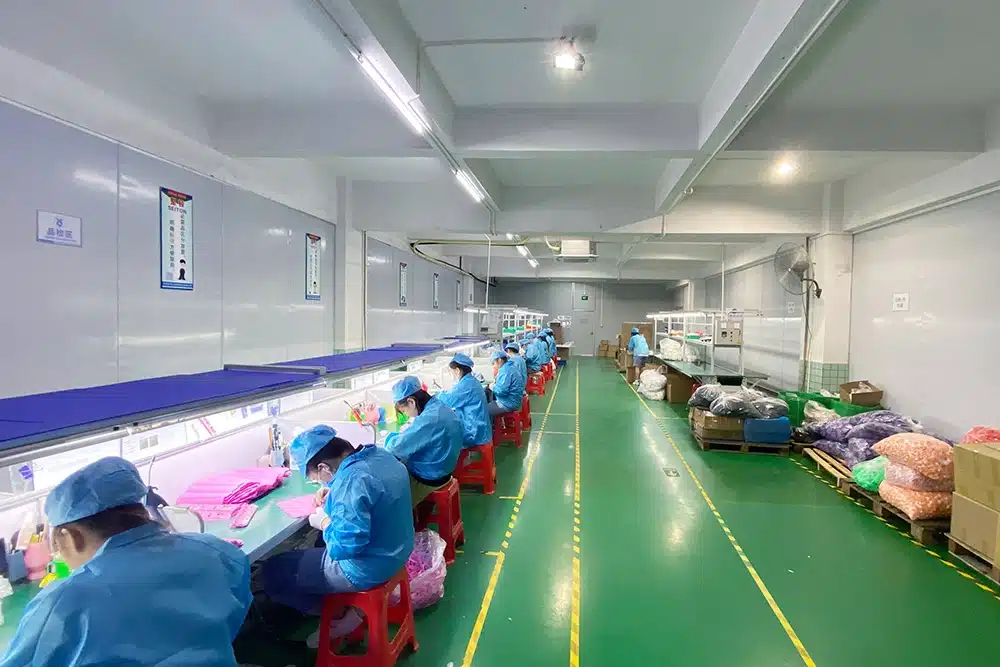
Reliable partners conduct extensive tests like visual inspection, dimension checking, leak testing and colour matching. Have third-party laboratory testing for required certifications for food and children’s products.
Individual polybags to custom retail boxes or gift sets are options that can influence protection during shipping and retail appeal. Ask to see pictures or videos of the packaging to ensure that it is as you would expect.
Documentation You Should Receive Before Shipping
Paper certificates, test reports, packing lists and care instructions should be available that you can give to your customers.
Practical Checklist – Before You Contact a Factory
Here is a checklist to help you get ready to approach potential partners:
- It is a need of the hour to have a clear use case and target customer profile.
- A rough estimate of size, style, material and closure type
- Use reference photos, sketches or competing examples
- The use of logos and branding guidelines are ready.The use of logos and branding guidelines is ready.
- Determine order quantity and desired launch time.
- List of key questions to ask regarding certifications, capabilities and lead times.
Closing – Turning Your Concept into a Repeatable Product Line
The journey of developing your own bespoke silicone bags is significantly easier when you create a clear and easily manageable step-by-step process and work with a reliable OEM/ODM team. You don’t have to have all the files perfect or all the answers ready; all you have to do is have a good idea and be willing to work on it together to make improvements.
Your first project can be the basis for a successful product line, taking your manufacturing realities and real user needs into consideration from the start. With your project in hand, please let us know at Dongguan HT Silicone & Rubber Co., Ltd. We have helped numerous brands navigate through this very process and are here to help make your silicone bag vision a reality in a timely and efficient manner.