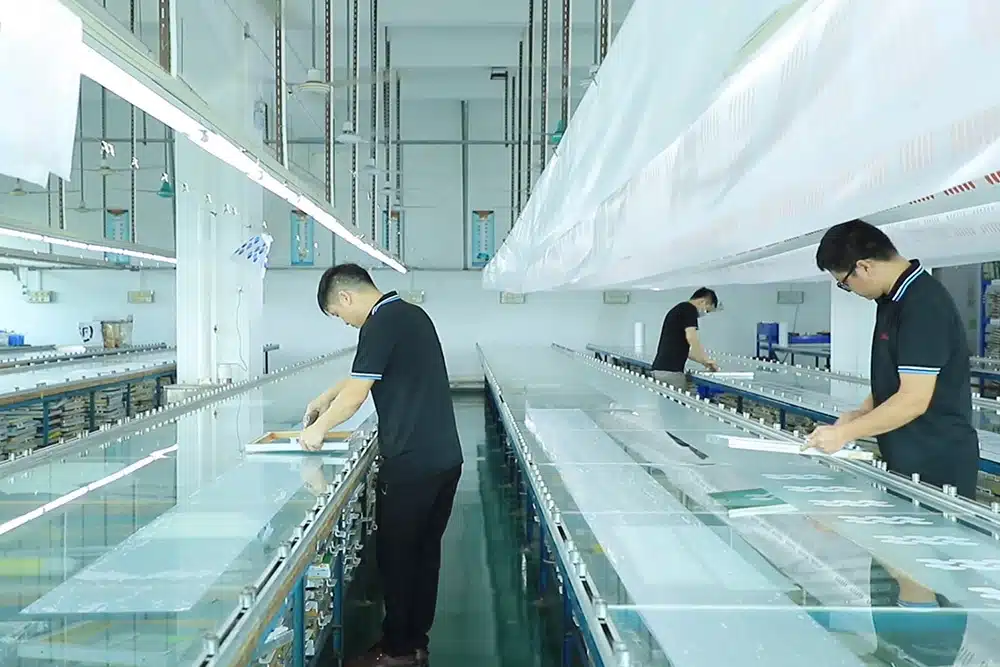

Silicone molds are a great choice for creating affordable, high-quality custom molds, but it begins with smart design and planning choices that lead to lower costs. Optimizing the product size, wall thickness, cavity layout, material selection, color, branding, packaging, MOQ and sample approval processes will help the buyer save money while maintaining the quality control required.
The best way to decrease the cost of the custom silicone mold is to eliminate all the unnecessary complexity, and not necessarily quality controls. While some buyers may focus on the lower price of the materials or the lower unit cost, practical silicone mold manufacturing offers the largest savings in the smart design of the silicone mold structure, appropriate wall thickness, cavity design, standard colors, efficient packaging and the avoidance of tooling changes from initial specification.
Quick Answer: How Can Buyers Reduce Custom Silicone Mold Cost?
For buyers developing baking, candy, soap, ice, beverage, or DIY mold projects, cost-effective custom silicone molds optimized tooling and controlled quality, and therefore offer good value to buyers planning to create baking, candy, soap, ice, beverage or DIY mold projects. The question is, not after you’ve already spent the money on tooling, but before you do!
| Cost Reduction Method | How It Helps | Quality Risk to Avoid |
| Simplify Unnecessary Geometry | Reduces tooling complexity and defect risk | Do not remove functional details |
| Optimize Wall Thickness | Controls silicone usage and unit price | Avoid walls that are too thin or weak |
| Choose Suitable Material | Avoids overpaying for unnecessary specifications | Do not use non-food material for food-contact products |
| Use Practical Cavity Layout | Balances tooling cost and production efficiency | Avoid too many cavities if design is not stable |
| Confirm Color Early | Reduces repeated color sampling | Do not approve color only from screen images |
| Choose Logo Method Carefully | Controls tooling and finishing cost | Ensure branding remains clear and durable |
| Simplify Packaging | Reduces retail packaging and assembly cost | Do not weaken product protection |
| Plan MOQ Realistically | Improves unit cost and production planning | Avoid ordering too much before sample approval |
| Provide Complete Files | Reduces quotation uncertainty and revisions | Incomplete files may cause wrong pricing |
| Keep QC Standards Clear | Reduces defect and rework cost | Do not skip inspection to save money |

These practical measures provide tangible savings without compromising product performance or brand value. The remaining parts of this guide will take you through each of the areas in detail, which will give you the confidence to apply them to your next project.
Understand the Main Cost Drivers First
To effectively reduce custom silicone mold cost, you must understand exactly what contributes to the cost. There are many variables, including tooling, materials and production, and knowing these helps you target your optimization efforts for the greatest impact.
| Cost Driver | Why It Affects Cost |
| Tooling Complexity | Complex shapes, fine details, and multi-cavity layouts require more tooling work |
| Product Size | Larger molds require more silicone and larger tooling |
| Silicone Weight | More material directly increases unit price |
| Wall Thickness | Thicker walls increase material use; thin walls may require more QC |
| Material Grade | Food-grade, heat-resistant, or specialty silicone may cost more |
| Cavity Layout | More cavities can improve output but increase tooling cost |
| Shore Hardness | Specific hardness may affect material selection and testing |
| Color Matching | Custom Pantone or multi-color designs require sampling and control |
| Logo / Texture | Branding details can increase tooling or finishing cost |
| Packaging | Custom boxes, labels, inserts, and retail packaging add cost |
| Testing | FDA, LFGB, or retailer testing may add cost and lead time |
| QC Scope | Inspection prevents defects but should be planned efficiently |
These drivers can be correlated with your product requirements at an early-stage to identify opportunities for cutting down on unwanted costs without affecting safety or performance requirements.
Optimize Product Design Before Tooling Starts
One of the most effective methods to minimize the cost of custom silicone mold while maintaining the quality is to start design optimization early. When you’ve done a comprehensive review of your CAD files before tooling, you won’t have to worry about any costly changes later on.
| Design Optimization Area | Cost Benefit | Quality Consideration |
| Product Shape | Simpler geometry can reduce tooling work | Shape must still meet product function |
| Cavity Depth | Moderate depth can improve release and reduce defects | Do not reduce depth if it affects product use |
| Corner Radius | Rounded corners improve release and durability | Keep visual design acceptable |
| Fine Details | Reducing unnecessary tiny details lowers tooling risk | Keep essential branding or function clear |
| Parting Line | Better planning reduces flash and trimming work | Avoid visible or uncomfortable edges |
| Release Direction | Easier demolding reduces defect risk | Test with intended product application |
| Packaging Fit | Right size reduces packaging and shipping cost | Product should still look professional |
| Early CAD Review | Prevents expensive tooling revisions | Confirm all critical dimensions before tooling |
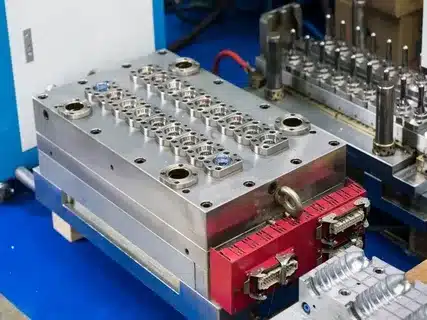
Even minor changes like larger corner radii or simpler undercuts can save considerable time and money in mold making and ensure more uniformity in products for experienced project managers.
Control Wall Thickness Without Weakening the Product
One of the key factors that control product performance is the thickness of the wall.The thickness of the wall has a direct impact on the product performance and it is a point where the custom silicone molds can be done at a cost-effective price. Balance is what’s desired: the right amount of material to be strong, but not too much that it will unnecessarily increase the unit price.
| Wall Thickness Decision | Cost Impact | Quality Impact |
| Too Thick | Higher silicone usage and heavier product | May feel stiff and reduce easy release |
| Too Thin | Lower material use | May deform, tear, or feel unstable |
| Balanced Thickness | Controls material cost | Maintains flexibility, support, and durability |
| Uneven Thickness | May create production variation | Can cause inconsistent feel or deformation |
| Support Rim | Adds some material cost | Improves handling and shape stability |
| Deep Cavity Support | May increase material use | Helps prevent collapse and poor release |
Thinning is also uniform, which helps to minimize defects and ensures even curing and release during production. Test samples for actual use to confirm final thickness.
Choose Suitable Silicone Material, Not Always the Most Expensive Option
One of the easiest ways to do this is to select the right material to minimize custom silicone mold expenses, while maintaining quality. The right grade is the exact one you need, and no other.
| Material Decision | Cost Optimization Logic | Quality Risk to Avoid |
| Food-Grade Silicone | Necessary for food-contact products | Do not substitute with unsuitable material |
| General Silicone | Practical for non-food applications | Confirm durability and odor expectations |
| Industrial-Grade Silicone | May suit soap, craft, or technical molds | Do not use for food-contact unless verified |
| Heat-Resistant Silicone | Use when application requires heat exposure | Avoid paying for high-temperature material if not needed |
| Freezer-Use Silicone | Needed for ice or frozen product release | Test flexibility after freezing |
| Platinum-Cured Silicone | May be useful for lower odor or higher requirements | Confirm whether the project truly needs it |
| Shore Hardness | Choose based on structure and release | Avoid selecting hardness only by price |
| Testing Requirements | Plan only required tests | Do not skip required market or retailer testing |

Partnering with a manufacturer that recognizes these differences allows you to design to the maximum degree of precision, yet comply with all regulations and performance standards.
Select the Right Cavity Layout for Cost and Efficiency
The initial investment in the tools and the thereafter ongoing unit price have a significant influence on cavity layout decisions. To achieve an optimal cost, the number of cavities should be matched to the expected volume.
| Cavity Layout Choice | Cost Advantage | When to Be Careful |
| Single-Cavity Mold | Lower tooling complexity for large or early-stage products | Unit cost may be higher for large-volume orders |
| Few-Cavity Layout | Balances tooling cost and output | Good for medium-volume or complex products |
| Multi-Cavity Layout | Improves production output for repeat orders | Higher tooling cost and more consistency checks |
| High-Cavity Layout | Can reduce unit cost at scale | Only suitable when design and demand are stable |
| Existing Mold Option | Lower development cost | Less product differentiation |
| Prototype Tooling | Reduces early development risk | Not ideal for long-term mass production |
When good tooling efficiency is needed to sustain the production runs while minimizing tooling costs, a well-planned cavity strategy is key.
Reduce Cost Through Smarter Color and Branding Choices
Colours and branding will impact sampling time, finishing steps and quality control efforts. Crafting these decisions here has tangible impacts and doesn’t dilute brand presence.
| Branding / Color Choice | Cost Impact | Practical Advice |
| Standard Color | Lower color matching complexity | Useful for early or cost-sensitive projects |
| Custom Pantone Color | Adds sample approval and pigment control | Use when brand identity is important |
| Multi-Color Design | Increases production complexity | Use only when it adds clear market value |
| Embossed Logo | Tooling-based branding | Cost-effective for repeat production |
| Debossed Logo | Tooling-based branding | Good for durable molded branding |
| Printed Logo | Adds printing setup and QC | Use when molded logo is not suitable |
| Laser Engraving | Adds secondary process where applicable | Best for specific marking needs |
| Fine Texture | Adds tooling and inspection work | Keep texture practical for cleaning and release |
When possible, a choice of embossed or debossed logos can offer the best durability and cost balance.
Simplify Packaging Without Damaging Product Value
Thinking of packaging, too, can lead to a more streamlined process that helps reduce custom silicone mold costs without compromising on protection or shelf appeal.
| Packaging Choice | Cost Benefit | Quality / Brand Consideration |
| Bulk Packaging | Reduces packaging cost | Suitable for wholesale, not always retail |
| Polybag + Label | Cost-effective and simple | Good for basic ecommerce or B2B orders |
| Kraft Box | Balanced natural presentation | Works for gift or eco-style positioning |
| Color Box | Strong retail presentation | Higher printing and MOQ cost |
| Instruction Card | Improves user experience | Keep concise and practical |
| Product Insert | Protects product shape | Useful for sets or premium packaging |
| Ecommerce Packaging | Protects during delivery | Avoid oversized packaging |
| Optimized Carton Packing | Reduces shipping volume | Must still protect product shape |
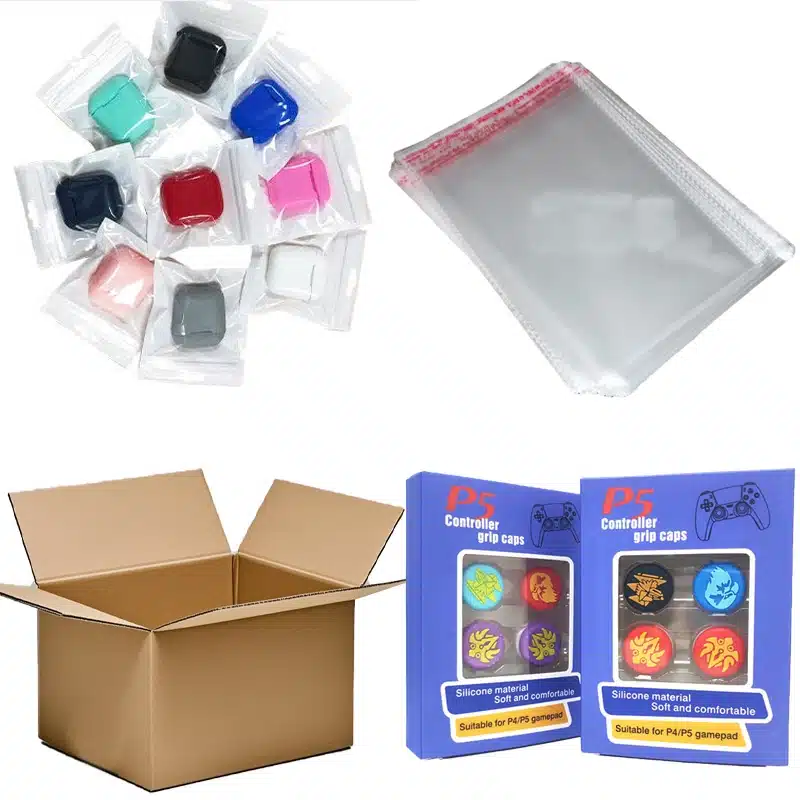
The right balance keeps your product safe and presentable while trimming unnecessary expense.
Plan MOQ and Order Quantity Strategically
Strategic order planning influences the overall project economics, material efficiency and unit price. Realistic MOQ decision helps to avoid over-commitment and smooth the production process.
| Order Planning Strategy | Cost Benefit | Risk to Manage |
| Trial Order | Reduces inventory risk | Unit price may be higher |
| First Bulk Order | Supports launch with better unit cost | Requires sample approval first |
| Repeat Order Forecast | Helps material and production planning | Forecast should be realistic |
| Quantity Price Tiers | Helps compare cost at different volumes | Do not overbuy only for lower unit price |
| Packaging MOQ Planning | Avoids unexpected packaging cost | Custom packaging may require higher quantity |
| Seasonal Planning | Improves scheduling and cost control | Late orders may increase urgency cost |
| SKU Consolidation | Improves material or packaging efficiency | Avoid reducing product variety too much |
In the case of the manufacturer, letting them know what your upcoming forecast is can sometimes result in improved pricing and scheduling.
Reduce Sample Revisions and Tooling Changes
One of the quickest ways to increase the custom silicone mold cost is by making repeated revisions to the sample. Up-front documentation helps to keep the process on track and on budget.
| Revision Prevention Step | How It Reduces Cost |
| Complete 3D CAD File | Reduces geometry misunderstanding before tooling |
| 2D Drawing with Dimensions | Prevents size and tolerance confusion |
| Clear Material Requirement | Avoids sample remaking due to wrong silicone |
| Hardness Confirmation | Prevents flexibility or release problems |
| Logo Artwork Review | Avoids unclear or incorrectly placed branding |
| Color Sample Approval | Reduces repeated color matching rounds |
| Packaging Check | Prevents product-box mismatch |
| Prototype Testing | Helps validate risky designs before production tooling |
| Golden Sample Approval | Creates a clear production reference |
| Locked Specification Sheet | Reduces late-stage changes and disputes |
One of the best cost control habits is to lock specifications after the golden sample is approved.
Do Not Cut These Quality Controls to Save Cost
Some quality aspects shouldn’t ever be sacrificed, even in the process of looking for custom silicone molds that are cost effective. Failure to take them brings concealed dangers which typically add higher costs in the long run.
| Quality Control Not to Cut | Why It Matters |
| Material Verification | Prevents wrong silicone grade or performance mismatch |
| Food-Contact Testing Where Required | Helps meet buyer, retailer, or market expectations |
| Shore Hardness Testing | Confirms flexibility, support, and release performance |
| Dimensional Inspection | Prevents packaging, fit, or functional problems |
| Sample Approval | Confirms appearance and function before mass production |
| Color Approval | Prevents brand inconsistency and batch mismatch |
| Functional Testing | Confirms baking, freezing, soap, candy, or DIY performance |
| Packaging Fit Check | Prevents deformation or poor retail presentation |
| In-Process QC | Catches defects before final inspection |
| Final Inspection | Reduces shipment and customer complaint risks |
These are just some controls that will safeguard your brand and customer satisfaction beyond the project budget.
Compare Supplier Quotes by Total Project Value
The cheapest offered quote isn’t necessarily the best value. By looking at suppliers based on the project cost, one can get a better understanding of the actual cost and risk.
| Quote Comparison Item | What Buyers Should Check |
| Material Grade | Are all suppliers quoting the same silicone material? |
| Hardness | Is the Shore hardness requirement the same? |
| Tooling Scope | Is the mold structure, cavity number, and logo detail included? |
| Sample Cost | Are sample rounds included or charged separately? |
| Unit Price | Is the quantity and packaging scope identical? |
| Packaging | Are labels, boxes, inserts, and cartons included? |
| Testing | Are FDA, LFGB, or retailer tests included if needed? |
| QC Standard | What inspection items are included before shipment? |
| Lead Time | Is the schedule realistic for tooling, sampling, and production? |
| Revision Policy | What happens if sample changes are needed? |
| Hidden Costs | Are shipping, packaging, testing, and modification costs clear? |
When a silicone mold manufacturer gives a clear and honest estimate, it will likely be more cost effective than a low bid that is not complete.
What Buyers Should Prepare to Get a More Cost-Effective Quote
By providing project information, clear information helps manufacturers identify the cost-saving opportunities from the very beginning of the quotation. The following information is essential in making accurate and optimal proposals.
| Information to Prepare | How It Helps Cost Optimization |
| Product Application | Helps choose suitable material and structure |
| 3D CAD File | Allows geometry review before tooling |
| 2D Drawing | Clarifies dimensions, tolerances, and critical details |
| Product Dimensions | Helps estimate material usage and packaging |
| Wall Thickness Target | Supports material cost control and durability |
| Cavity Layout | Helps balance tooling cost and production output |
| Silicone Material | Prevents over-specification or unsuitable material choice |
| Shore Hardness | Helps match flexibility, support, and release needs |
| Color Requirement | Allows practical color matching planning |
| Logo Method | Helps choose cost-effective branding |
| Packaging Style | Supports retail value without unnecessary packaging cost |
| Testing Needs | Avoids late testing costs or missing documentation |
| Order Quantity | Helps calculate unit price and MOQ realistically |
| Annual Forecast | Supports long-term production planning |
| Lead Time | Prevents rush-order costs where possible |
The more detailed your brief, the more useful the manufacturer can be in making cost-savings suggestions.
How a Manufacturer Helps Reduce Cost Without Lowering Quality
A silicone mold company with expertise is the optimal cost-saving partner. They have the ability to look at the product and offer help with material selection and optimization, recommend an optimum Shores Hardness, review the wall thickness and cavity structure, design the mold, manufacture the mold tool, create prototypes and samples, compression molding, and co-injection silicone molding equipment, etc., thus uncovering the savings that are often overlooked by the buyers.
| Manufacturer Capability | How It Supports Cost-Effective Quality |
| Engineering Review | Finds design changes that reduce cost without hurting function |
| Material Selection Support | Matches silicone grade to real application needs |
| Hardness Recommendation | Balances release, support, durability, and material use |
| In-House Tooling | Improves control over tooling cost, revisions, and lead time |
| Sample Development | Catches issues before expensive bulk production |
| Production Process Control | Reduces defects, rework, and inconsistent batches |
| Quality Control System | Prevents hidden costs from poor inspection |
| Branding Support | Helps choose practical logo and finishing methods |
| Packaging Support | Balances retail presentation, protection, and cost |
| Export Experience | Supports smoother communication and project planning |
In Dongguan HT Silicone, each one of the cost-saving decisions is in line with our quality standard with dust-free manufacturing environment, raw material inspection, in-process quality control, and final product testing.
Final Buyer Checklist: Are You Saving Cost Safely?
If you want to make any cost reduction changes, here is a quick checklist to ensure that you aren’t jeopardizing product performance or brand value.
| Checklist Question | Why It Matters |
| Does the change affect product function? | Cost reduction should not harm usability |
| Does the material still match the application? | Prevents safety, durability, or performance risks |
| Is the wall thickness still strong enough? | Avoids tearing, deformation, or weak support |
| Is the cavity layout still practical? | Prevents poor release and production inconsistency |
| Is the hardness still suitable? | Maintains flexibility, support, and user feel |
| Is the logo still clear and durable? | Protects brand presentation |
| Is packaging still protective enough? | Prevents deformation and shipment damage |
| Are required tests still included? | Avoids documentation problems later |
| Are QC standards still clear? | Reduces defect risk |
| Has the sample been tested? | Confirms the cost-saving change works in real use |
| Is the total project cost lower? | A lower unit price may hide other costs |
| Does the change support repeat orders? | Long-term supply matters more than one-time savings |
Conclusion — Reduce Cost by Optimizing the Project, Not Cutting Corners
It is not about picking the “cheap” materials or making a small cut on inspection.This isn’t a cost-cutting strategy of finding the ‘cheap’ material or about sacrificing inspection. Savings is typically achieved through better design decisions, selection of suitable materials, optimization of wall thickness, cavity layout, clear and precise specification, packaging efficiencies, realistic planning of MOQs, and controlled production. By optimizing the whole project rather than short cutting, buyers are safeguarding product performance, customer experience and the long-term brand value at a controlled cost.
These practical opportunities need to be identified by a qualified manufacturer before tooling and mass production start. If you collaborate, you’ll get to a point where you can produce custom silicone molds that are cost effective and of consistent quality, repeated run after run.