
Selecting the right custom silicone mat will determine the success of your product, customer experience and brand identity. Custom silicone mats are flexible, resilient and functional products that marry the performance of material, design and branding, but the decision-making process comes down to assessing thickness, texture, branding options, and end use.
For businesses seeking high-quality, versatile solutions, custom silicone mats provide durability, branding opportunities, and application flexibility across commercial and home settings. From kitchenware and promotional products to pet products and industrial parts, getting the selection right in the first place means less time and money wasted, and a higher-quality product.
We have extensive experience assisting hundreds of brands through this process over the past 10 years as an OEM/ODM silicone manufacturer. When it comes to the difference between a good mat and a great mat, it usually boils down to five key considerations: material grade, thickness, texture, branding technique and total cost of ownership. Here’s what you need to know about each so you can confidently make the right choice.
What Is a Custom Silicone Mat?
A custom silicone mat is more than just a pad, liner or mat; it’s a product that’s engineered precisely to your specifications for performance, texture and aesthetics. A custom silicone mat is designed and built to meet specific challenges in your industry while promoting your brand with each and every use.
Silicone mats are widely used for commercial and promotional purposes because of the benefits of the material. Food-safe silicone can safely come into contact with food and skin, heat-resistant silicone won’t distort up to 230°C, while flexible silicone offers superior grip, even when wet. Environmentally-friendly variants are also growing in popularity with brands that are keen on sustainability.
The following table should give you an idea:
| Item | Explanation | Common Use |
| Material Type | Food-grade, heat-resistant, or eco-friendly silicone | Baking, kitchen, promotional products, pet mats, home goods |
| Thickness Range | Typically 1–6 mm depending on application | Varies by load and durability needs |
| Surface Options | Smooth, textured, non-slip patterns | Grip, easy cleaning, or premium feel |
| Branding Capability | Custom logos, prints, co-molding with inserts | Promotional mats, branded kitchenware |

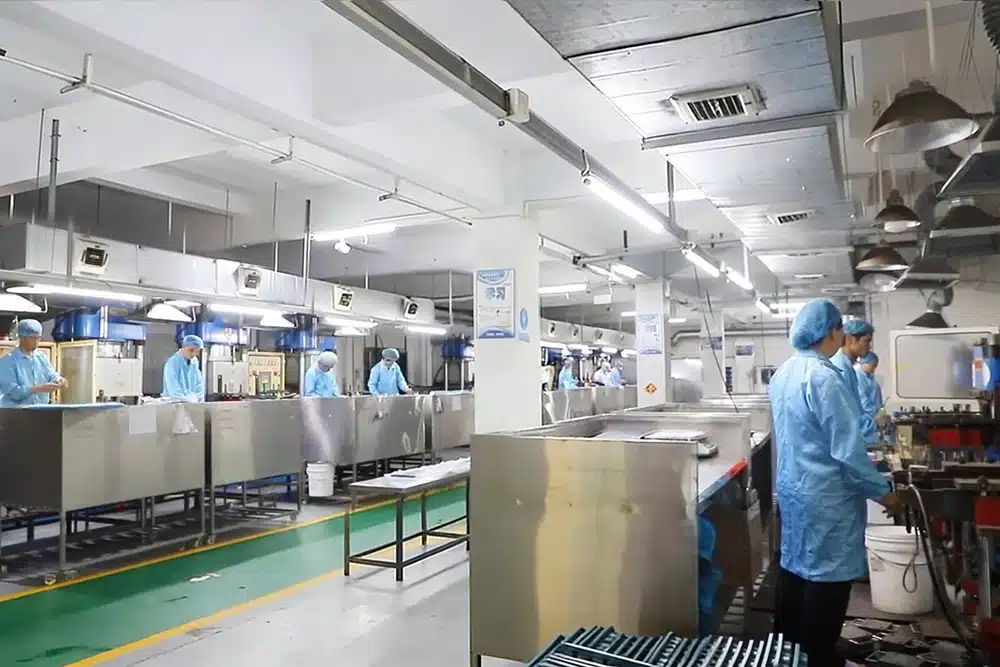
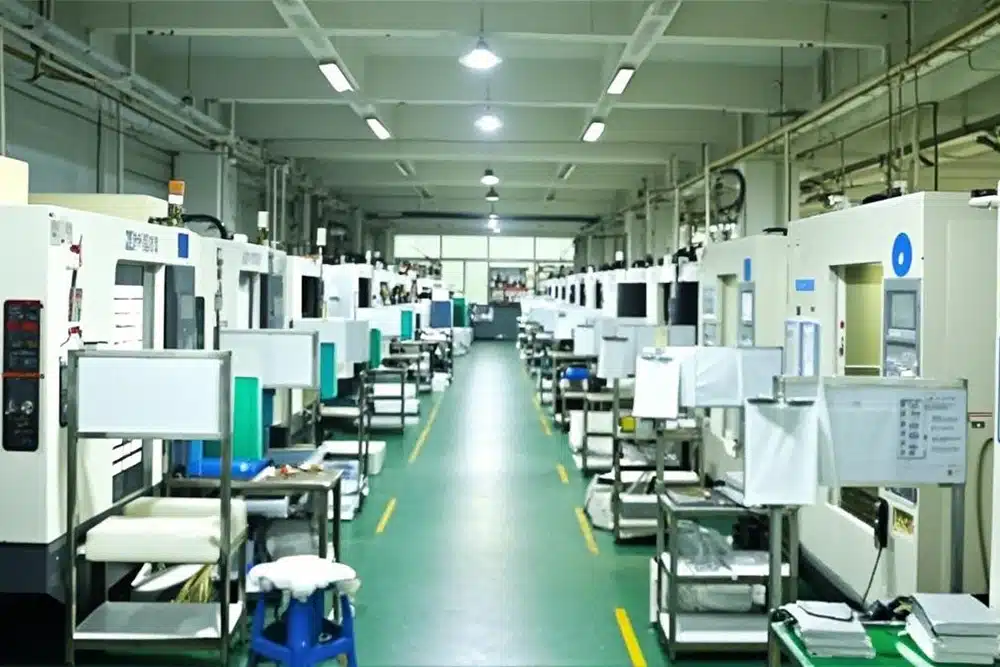
In Dongguan, we manufacture both solid (HTV) and liquid (LSR) silicone mats in single, multi-colours and overmolded versions. This gives us the flexibility to produce a range of products from super-thin baking mats to bulky industrial workshop pads.
Key Criteria for Choosing the Right Silicone Mat
The key to a successful silicone mat application is to consider the material and design in the context of its intended use. Skipping this step can result in premature wear, safety hazards, or missed branding opportunities.
Material Selection
Ask yourself: what will the mat come in contact with? For food-contact applications, you’ll need FDA- or LFGB-compliant food-grade silicone. Medical-grade purity may be required for baby products or personal-care. For industrial applications, chemical or thermal resistance may be key.

Thickness and Structural Performance
Thickness is critical for stability and durability. 1-2 mm is suitable if your mat is used for light baking or counter liners, but 4-6 mm is more cushioning and durable, and would work for pet feeding mats or workshop surfaces. Thick is not necessarily good – over-specifying increases cost and weight.
Texture and Surface Finish
Function and feel come down to surface texture. Glassy finishes are hygienic and suitable for luxury tableware. Rough textures and non-slip surfaces provide traction for baking trays or dog baskets. We can even develop textures that align with your branding.
Heat Resistance and Durability
If using for baking or cookware, ensure the silicone can withstand 230°C on repeat use. Also, test for repeated flexing, washing and UV light exposure (if outdoors).
Branding and Customization Options
Your mat is a product and an advertisement. Determine now whether you’re looking for surface printing, permanent engraving, or even co-molded parts.
| Selection Factor | Buyer Consideration | Practical Tip |
| Material | Food-safe, heat-resistant, durable | Choose grade based on intended use |
| Thickness | 1–6 mm or more depending on load | Thicker mats provide better cushioning and stability |
| Texture | Smooth or patterned for non-slip | Textured surfaces improve grip |
| Heat Resistance | Up to 230°C or higher | Important for baking and industrial use |
| Branding | Logos, patterns, or custom inserts | Consider printing or co-molding options |

Custom Logo & Branding Options
Branding turns a silicone mat into an effective sales and marketing product. Your choice not only impacts cost but also appears as a premium product.
We present four effective methods that produce great results in practical production:
| Method | Description | Best Use |
| Silk Screen | Applied on surface | Promotional mats, flat surfaces |
| Laser Engraving | Permanent marks | Premium branding |
| Spray/Oil Finishing | Decorative coatings | Aesthetic enhancement |
| Co-Molding Inserts | Plastic or metal logos | Durable and integrated branding |
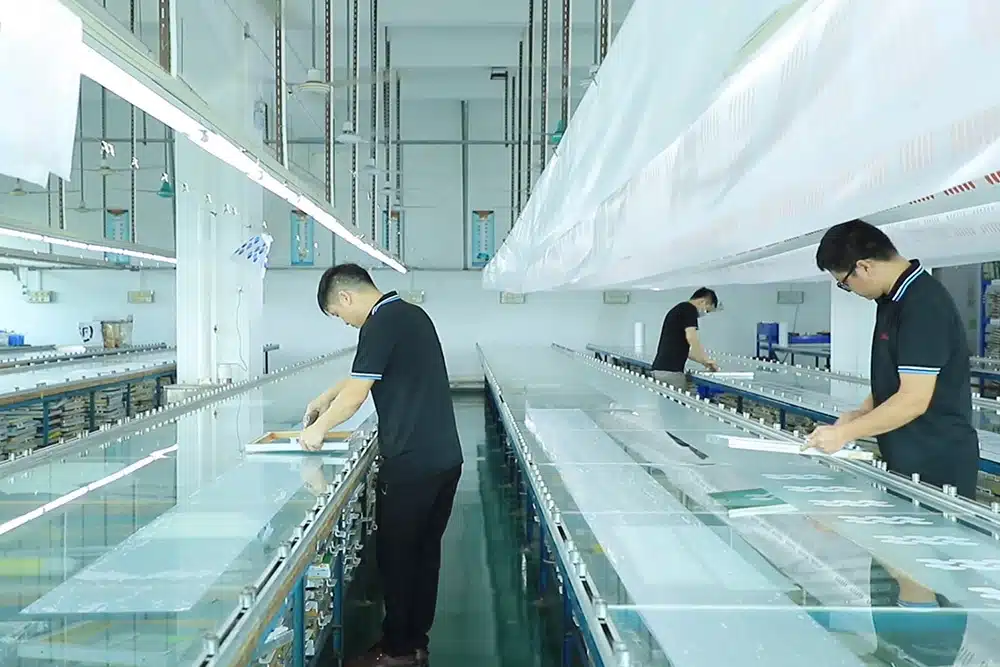
Silk-screen is still the cheapest option for large quantities and multi-colour logos. Laser engraving offers a high-end texture that will never wear out. Co-molded inserts provide the highest-end look because the logo insert is part of the entire mat – perfect for high-end tableware or executive gifts.
Our experience is that brands that use a subtle texture and simple laser-engraved logo strike the right balance between use and appearance.
Cost and Sustainability Considerations
Knowing upfront what the true cost is avoids nasty surprises. The cost-per-unit plummets once production volumes are reached, so many clients will calculate their annual needs.
Green choices are a critical consideration. Brands are also increasingly specifying BPA-free, platinum-cured or recyclable silicone materials. These compounds might cost a bit more but boost your green footprint and satisfy retailers.
| Consideration | Impact | Tip |
| Bulk Production | Reduces per-unit cost | Plan annual volume early |
| Material Choice | Eco-friendly options | BPA-free, recyclable silicone |
| Complexity | Custom shapes/logos increase cost | Balance aesthetics and budget |
Other factors include secondary processing (printing, assembly, packaging) and delivery time. Providing your volume and lead-time requirements to an expert manufacturer like us will help us recommend the most cost-effective and highest quality manufacturing method.
Common Mistakes in Selecting Silicone Mats
Even experienced sourcing managers can miss important details that result in problems later. Here are the common mistakes we encounter:
- Choosing incorrect material grade → Weakness or safety hazard
- Using the wrong thickness → Unstable or unusable product
- Failing to use branding → Lost marketing opportunity
- Complex design → Longer lead time and higher cost
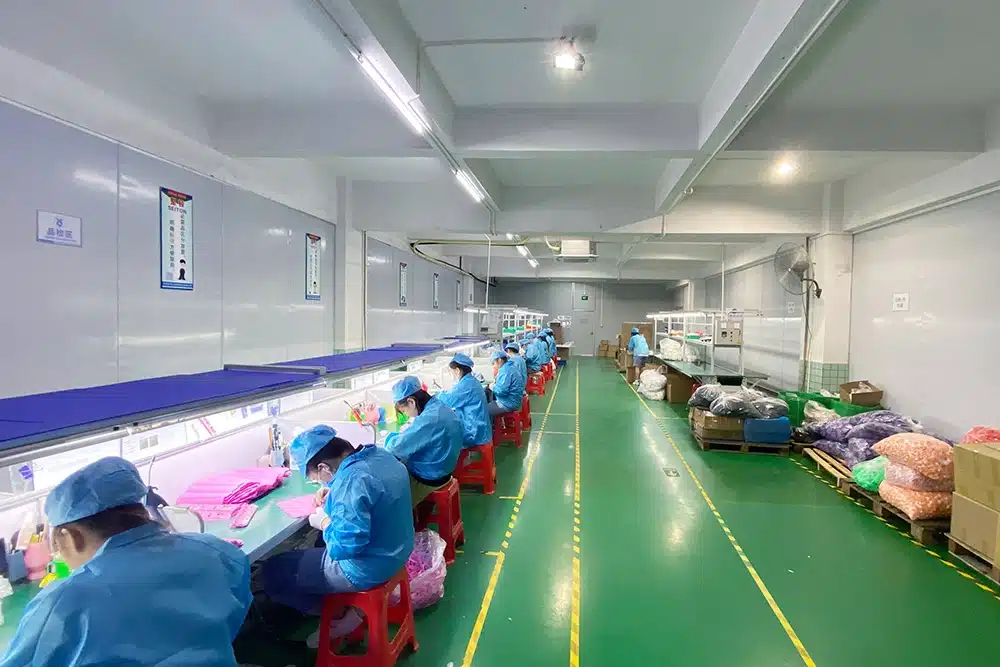
Another common mistake is opting for the cheapest supplier without checking their quality control procedure. A quality manufacturer will be transparent about material certifications, on-site testing and IPQC/OQC process.
Conclusion — Make Informed Choices for Your Brand
Choosing the right custom silicone mat is all about matching material characteristics, design elements and branding to your business objectives. By looking for a partner that can back up claims with proven manufacturing experience, you ensure your product meets performance expectations and elevates your brand each and every day.
Sit down and outline your specific needs: product use, regulatory compliance, price point and sustainability goals. The up-front work always translates to fewer revisions, quicker manufacturing and more satisfied customers.
When you’re ready to go from idea to reality, HT Silicone’s here to assist. Our in-house mold making, multiple silicone processes and record of on-time delivery for international clients make the process easy and transparent. Let us know about your project and we’ll create the silicone mat of your dreams.