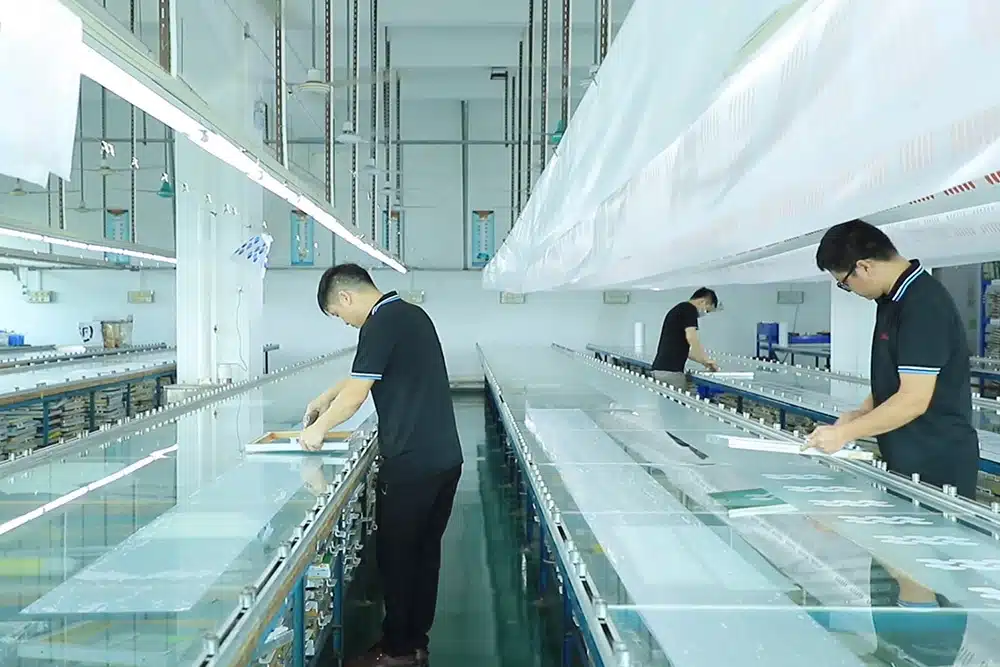

The silicone bottle sleeves are manufactured in a specific, controlled process in the factory, with a focus on custom-made drinkware protection and branding. A silicone rubber sleeve was custom molded to fit a glass bottle snugly and protectively, while providing grip and insulation where no bottle sleeve is used, and, of course, looks great.
The silicone bottle sleeve manufacture process is not only a single molding process, but a complete production process. The final result is based on design review, material selection, mould quality, moulding control, quality of finishing, inspection criteria, and consistency of packaging. While one might think that silicone bottle sleeves are easy to create from a design file, real custom production involves evaluating fit, tooling, sample testing and quality control prior to mass production for reliability.
Step 1: Project Requirement Review and Product Design Confirmation
The manufacturing of custom silicone bottle sleeves begins even before a piece of silicone material is placed on a mold. No matter how good the molding is, if it is not reviewed properly, it cannot provide a sleeve that fits well and meets the branding requirements.
Information from engineers is needed on the type of bottle, purpose, target users, and branding requirements. Samples of the actual bottles, 2D drawings, 3D cad files, reference photos, or detailed measurement sketches are required from the buyer. This step considers the feasibility of sleeves, installation path, wall thickness, hardness, area to be covered, and requirements for the mold. By confirming the design in the beginning, you will avoid expensive changes later, such as a loose fit, difficult installation, rolling edges or logos being misplaced.
| Review Item | Why It Matters |
| Bottle dimensions | Defines sleeve inner size, height, and fit |
| Bottle shape and taper | Affects mold design and installation path |
| Sleeve coverage area | Determines material usage and protection level |
| Wall thickness | Influences grip, cushioning, weight, and cost |
| Shore A hardness | Affects flexibility, stretch, comfort, and shape retention |
| Logo position | Must be planned before mold development |
| Surface texture | Affects grip, cleaning, and mold complexity |
| Packaging plan | May influence final product size and presentation |
Step 2: Silicone Material Selection and Color Preparation
The choice of material directly affects the sleeve’s performance, safety, feel, durability and consistency throughout lots.
Depending on the product, we test the application; food-grade silicone for drinkware or baby bottles, standard compounds for general products or specially formulated silicone for hot beverages or outdoor sports. A Shore A hardness is specified to provide a compromise between stretch, grip and shape retention. Weighing and mixing are done with a high degree of accuracy, and Pantone matching is done in actual production lighting. For repeat orders, the material consistency is important, so each batch is checked against a sample or approved material and not against a digital screen.
| Material Factor | Manufacturing Consideration |
| Silicone grade | Must match product use, safety needs, and performance requirements |
| Shore A hardness | Determines flexibility, grip, stretch, and structure |
| Color pigment | Affects final appearance and color consistency |
| Pantone matching | Requires sample confirmation under real production conditions |
| Material weight | Influences unit cost and molding preparation |
| Food-grade requirement | Should be confirmed before material sourcing and sampling |
| Heat resistance | Important for hot cups or high-temperature use cases |
| UV/weather resistance | Useful for outdoor or sports drinkware products |
Step 3: Mold Design and Tooling Development
The quality of the mould is the most important factor that will influence the fit of the sleeves, the surface detail, clarity of the logo, consistency of the texture and overall stability of the production.
The geometry of the sleeve has been approved and is the starting point for design. The inner core is designed for correct bottle fit, the cavity shape for external appearance, the location of the parting line and the control of wall thickness. The logos, custom textures and anti-slip patterns are all precision-machined into the mold. The venting and material flow is optimized to remove trapped air and surface defects. Efficiency vs Unit Cost: Cavity count Trial molds are cast and modified as necessary. Communication is quick and there are fewer risks with in-house mold capabilities.
For buyers developing molded bottle sleeves, working with a custom silicone sleeve manufacturer that understands material selection, he mold, logo integration and production check can help in reducing the problem of fit and the need to revise samples.
| Mold Design Element | Why It Matters |
| Inner core size | Determines sleeve fit around the bottle |
| Cavity shape | Forms the external sleeve appearance |
| Wall thickness control | Affects protection, material cost, and molding stability |
| Parting line | Influences appearance and trimming requirements |
| Logo detail | Must be built into the mold for embossed/debossed branding |
| Texture pattern | Affects grip, comfort, and cleaning |
| Venting design | Helps reduce trapped air and surface defects |
| Cavity number | Affects production efficiency and unit cost |
| Mold accuracy | Supports repeatable size and stable mass production |
Step 4: Silicone Molding Production
The molding is the process that transforms ready silicone material into a usable bottle sleeve.
Compression molding is still the most popular and dependable approach to custom silicone bottle sleeves. The exact weight of the material is filled into each cavity, the mold is heated and pressed closed, and the silicone material vulcanizes in place. Temperature, pressure and cycle time are carefully tracked. The cured mold is opened and the sleeve is delicately removed from it. Only certain designs call for co-injection or multi-color molding. All the parameters are recorded to ensure dimensional stability and surface quality.
| Molding Step | What Happens | Why It Matters |
| Material weighing | Silicone material is prepared according to part weight | Helps control cost and product consistency |
| Material placement | Silicone is placed into the mold cavity | Affects flow, filling, and defect risk |
| Heating and pressure | Mold is heated and pressure is applied | Forms the sleeve shape and surface details |
| Curing / vulcanization | Silicone crosslinks into its final elastic form | Determines final material performance |
| Mold opening | The molded sleeve is removed from the tool | Requires proper mold design and release |
| Initial inspection | Operators check obvious defects after molding | Helps identify process issues early |
| Process control | Temperature, pressure, and time are monitored | Supports stable production quality |
Step 5: Trimming, Deflashing and Edge Finishing
Molded silicone sleeves nearly always need post molding finishing to achieve a clean comfortable product and to remove excess material.
The excess silicone that squeezes between the parting is called flash and is carefully cut off. Gate marks and rough edges are removed and parting lines are checked for smoothness. Experienced operators employ special cutting tools to prevent cuts or tears and to prevent the edges from rolling or being sharp. Good edge finishing will help to make a user more comfortable, easier to install and make the sleeve more attractive to the retail store. If the edge is not finished correctly, a otherwise great sleeve will look cheap.
| Finishing Item | Why It Matters |
| Flash removal | Improves appearance and prevents rough edges |
| Gate mark trimming | Removes excess material from molding points |
| Edge finishing | Improves comfort and installation feel |
| Parting line check | Helps maintain visual quality |
| Tear prevention | Ensures trimming does not weaken the sleeve |
| Surface cleaning | Removes dust, particles, or processing residue |
| Final handling | Prevents deformation or contamination before inspection |
Step 6: Logo, Surface Finishing and Appearance Enhancement
Surface finishing not only makes a functional sleeve a branded, high-quality accessory, but it also enhances the product’s appearance.
Molded embossed or debossed logos, silk screen printing, laser engraving, custom texture, matte or glossy finishes and soft-touch coatings are all available options. There are direct effects produced in the mold and many effects made after the mold. Each method is based on durability, volume and brand aesthetics. Appearance is checked under various lighting conditions as logos may change after curing, and color consistency is checked.
| Finishing Option | When It Is Used | Buyer Checkpoint |
| Embossed logo | Raised molded branding | Confirm logo height and clarity on sample |
| Debossed logo | Recessed molded branding | Check depth, readability, and cleaning practicality |
| Silk screen printing | Printed logos or simple artwork | Test adhesion, rubbing, and washing resistance |
| Laser engraving | Precise text or logo marking | Check contrast and readability |
| Molded texture | Anti-slip grip or design identity | Test comfort and cleaning |
| Matte / glossy finish | Visual and tactile effect | Confirm appearance under real lighting |
| Soft-touch coating | Premium hand feel | Review durability and surface compatibility |
| Multi-color design | Strong visual differentiation | Confirm process feasibility and color consistency |
Step 7: Quality Inspection During and After Production
Quality inspection is conducted throughout the process to ensure that all sleeves are identical to the sample and required by the buyer.
The checks start with raw material verification and extend to hardness testing, dimensional checks, bottle fit trials, review of any surface defects, inspection of the logo, as well as edge quality and final packaging validation. For export shipments, extra confidence is provided through random sampling and batch traceability.
| Quality Check | Why It Matters |
| Material verification | Confirms the correct silicone grade and color |
| Shore A hardness test | Ensures approved flexibility and feel are maintained |
| Dimensional inspection | Helps confirm sleeve fit consistency |
| Bottle fit test | Verifies the sleeve stays secure on the real product |
| Appearance inspection | Checks stains, bubbles, color variation, or surface marks |
| Logo inspection | Ensures branding is clear and correctly positioned |
| Edge and flash inspection | Prevents rough edges and improves user experience |
| Texture check | Confirms grip pattern consistency |
| Stretch / installation check | Evaluates whether users can install the sleeve properly |
| Packaging inspection | Confirms the finished product is ready for shipment |
Step 8: Cleaning, Assembly and Packaging
The last step in manufacturing is packaging, particularly for drinks that come into contact with food and for retail and ecommerce packaging.
Sleeves are cleaned to ensure they do not have any dust or particles left and are then bagged or put in retail boxes with hang tags, barcodes or instruction inserts. Bulk packaging is for wholesalers and carton packing to prevent shipping damages. A clean assembly environment ensures product cleanliness before it exits the factory.
| Packaging Step | Why It Matters |
| Cleaning / dust removal | Helps improve finished product cleanliness |
| Individual packaging | Protects sleeves and supports retail/ecommerce use |
| Bulk packaging | Suitable for wholesale or assembly projects |
| Retail packaging | Improves brand presentation and shelf readiness |
| Barcode labeling | Supports inventory and ecommerce fulfillment |
| Instruction insert | Helps users understand installation and care |
| Carton packing | Protects products during shipping |
| Final packaging inspection | Reduces risk of wrong labels, damaged packaging, or missing items |
Common Defects in Silicone Bottle Sleeve Manufacturing
There are some defects that can occur due to the lack of some process even when careful planning is done. Most can be avoided by improved design, tooling and process control.
| Common Defect | Possible Cause | Prevention Method |
| Loose fit | Incorrect dimensions or tolerance planning | Confirm real bottle sample and fit testing |
| Difficult installation | Sleeve opening too small, hardness too firm, or wall too thick | Review stretch path and sample test |
| Excess flash | Mold fit, pressure, or trimming issues | Improve tooling and deflashing control |
| Rough edges | Poor trimming or weak finishing standard | Define edge finishing requirements |
| Bubbles or voids | Material placement, air trapping, or process control issues | Optimize molding parameters and venting |
| Color inconsistency | Material mixing or pigment variation | Control color preparation and sample approval |
| Weak logo detail | Logo too fine or mold detail insufficient | Adjust artwork and mold design |
| Printing wear | Poor ink compatibility or surface preparation | Test adhesion and rubbing resistance |
| Edge rolling | Material too soft, wall too thin, or weak edge design | Adjust hardness, thickness, or edge structure |
What Buyers Should Confirm Before Mass Production
The first step that is crucial before going into mass production is sample approval. It is not enough to look the part.
Buyers must test fit the actual bottle, check dimensions, hardness, colour match (under real light), logo durability, comfort of the texture, edge stability and effort of installation. The format of the packets and any necessary compliance paperwork should also correspond to expectations. The approved physical sample will be the standard for the entire production run.
| Approval Item | What to Check |
| Fit | Sleeve should stay secure without excessive installation force |
| Dimensions | Height, thickness, and coverage should match the approved design |
| Hardness | Hand feel and flexibility should match expectations |
| Color | Should match approved sample or Pantone target |
| Logo | Must be clear, correctly positioned, and durable enough for use |
| Texture | Should improve grip without causing discomfort |
| Edge quality | Edges should not roll, lift, or feel rough |
| Surface finish | Matte, glossy, coated, or natural surface should match approval |
| Packaging | Should match retail, wholesale, or ecommerce requirements |
| Documentation | Test reports or compliance files should match market needs |
How Production Choices Affect Cost, MOQ and Lead Time
Each aspect of the manufacturing process has an impact on the final price, minimum order quantity, and delivery.
The biggest initial outlay will be the cost of custom mold development. The larger sleeves or thick walls, the more material used. Special colours, complex textures or retail packaging increases set up time and labour. Repeat orders can make use of existing tooling and higher order quantities can have a lower per unit price. Planning and clear specifications prevent costly sample revisions.
| Production Choice | Cost / Lead Time Impact |
| Custom mold | Adds tooling cost and development time |
| Larger sleeve size | Uses more silicone material |
| Thicker wall | Increases material usage and may affect molding cycle |
| Custom color | Requires color preparation and sample approval |
| Complex texture | Increases mold design complexity |
| Embossed/debossed logo | Requires mold integration |
| Silk screen printing | Adds printing setup and inspection |
| Laser engraving | Adds post-processing time |
| Retail packaging | Adds packaging material, labor, and lead time |
| Sample revisions | Can extend development schedule |
| Higher quantity | May improve unit cost efficiency but requires more planning |
How to Choose a Silicone Bottle Sleeve Manufacturer
When due to the circumstances, someone is looking for a partner to post-produce, they should consider the total production potential of potential partners, not just the lowest quote.
A qualified manufacturer has a robust Engineering review process, material selection support, in-house mold design and tooling, proven compression molding experience, multiple logo and finishing options, robust sample development, and an established quality control system. The risks of communication, documentation and timely project delivery are further minimised by clean packaging lines and export project experience.
| Manufacturer Capability | Why It Matters for Silicone Bottle Sleeve Production |
| Engineering review | Helps prevent fit, wall thickness, and installation problems |
| Material selection support | Matches silicone grade, hardness, and application needs |
| In-house mold capability | Supports better tooling control and faster design adjustment |
| Silicone molding experience | Helps maintain stable quality during production |
| Logo and finishing options | Supports branding, texture, printing, engraving, and surface effects |
| Sample development process | Confirms real fit, feel, logo, color, and texture before mass production |
| Quality control system | Reduces risks related to size variation, defects, and inconsistent finish |
| Clean packaging support | Helps protect finished sleeves before shipment |
| Export project experience | Supports communication, documentation, and delivery planning |
Conclusion — A Good Silicone Bottle Sleeve Comes From a Controlled Factory Process
Now, a custom silicone bottle sleeve might seem like a basic product, but numerous factory choices made in the pre-production stages and production itself determine the quality of the silicone sleeve. With proper control of design, material, mold, molding process, finishing and inspection, the finished sleeve will have a better chance to fit well, be comfortable, be consistent and will promote the brand’s product goals.
Silicone bottle sleeves are created from the initial design review through to the preparation of the materials, the creation of the tools, the molding, the finishing, inspection, packaging and shipping, all of which are done within a factory. Not only is the silicone material important, but the final quality also relies on other factors. The final product is influenced by precision and process control in the molding, trimming, surface finishing, quality of logos, inspection, and packaging. Should purchase real samples prior to mass production. A knowledgeable manufacturer should be able to assist with engineering review, development of the mold(s), material selection, production, quality control, and packaging.