
Industrial silicone valves are crucial dynamic flow-control connections that are a vital part in the fluid handling system. They are made with silicone with valve performance that require a constant sealing force for wide temperature range from -50°C to higher than 200°C and aggressive temperature media. The key to success is choosing the appropriate siloxane polymer chemistry and cross-linking method for the appropriate thermal and chemical stresses.
Typical commercial silicone is often assumed to be adequate as long as the operating temperature ranges are within the published limits. In the real world, a typical dimethyl silicone will rapidly absorb petroleum oils, hydrocarbon solvents or concentrated acids. This expansion alters the cracking pressure of the valve, causing it to fail to seal, so it is important to carefully select the right material to ensure long life.
Evaluating Thermal Degradation and Hardness Maintenance
High temperatures over time will impact the hardness (durometer) and tensile strength of silicone elastomers. With time, the heat could cause embrittlement or over-softening, caused by chain scission or further cross-linking. The thermal stability and compression set of the platinum cured liquid silicone rubber (LSR) are generally superior to that of peroxide cured LSR, and the valve maintains its rebound properties after millions of actuations.
The table below lists some common silicone polymer bases and their characteristics under prolonged heating:
| Silicone Polymer Base | Working Temperature Range | Mechanical Retention & Sealing Performance Under Heat |
| General Purpose MQ | -50°C to +180°C | Good initial properties; moderate compression set over time |
| High-Temperature VMQ | -60°C to +230°C | Better hardness stability; suitable for repeated thermal cycling |
| Fluorosilicone FVMQ | -60°C to +200°C | Excellent retention in combined heat + chemical environments |
When designing multi-channel automotive blocks, translating custom base elastomer formulations into high-performance physical products with exceptionally tight tolerances guarantees consistent seal deflection under extreme conditions.
Chemical Compatibility: Overcoming Swelling and Volatile Breakdown
When in contact with certain fluids, silicone absorbs them to the extent that it swells in volume, thus decreasing the contact stress at the sealing surface locally. This will directly affect the cracking pressure of the valve and can lead to early opening or leakage. Industrial fluids have quite different responses to different polymer formulations.
Some of the important compatibility issues to take into account are:
- Automotive coolants and glycol-based fluids: Standard silicone is generally satisfactory for use in these types of fluids, but it may not last as long as desired when used in high-temperature environments for extended periods.
- Hydrocarbons and petroleum oils: These swell a great deal in dimethyl silicone, but are quite resistant to fluorosilicone (FVMQ).
- Industrial detergents and solvents: Aggressive organic solvents have the ability to remove plasticizers or to disrupt polymer chains, causing surface cracking.
- Concentrated chemicals – acids or alkaline solutions use care to select the grade to ensure that embrittlement does not occur.
The Hidden Impact of Chemical Exposure on Cracking Pressure
Hot solvents that are absorbed by the valve cause the elastomer to become thicker and less stiff. This changes the opening pressure and force necessary to open the slit or sealing lip and can sometimes cause the valve to stick or open at pressures lower than intended. For critical applications, slight changes in the cracking pressure can mean the difference between a safe or unsafe system.
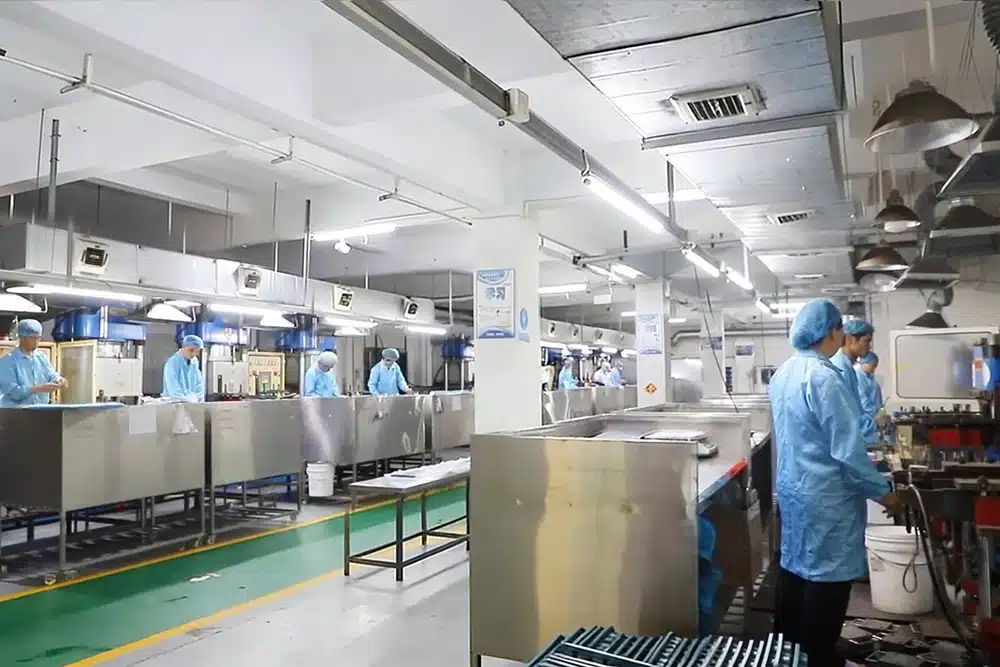
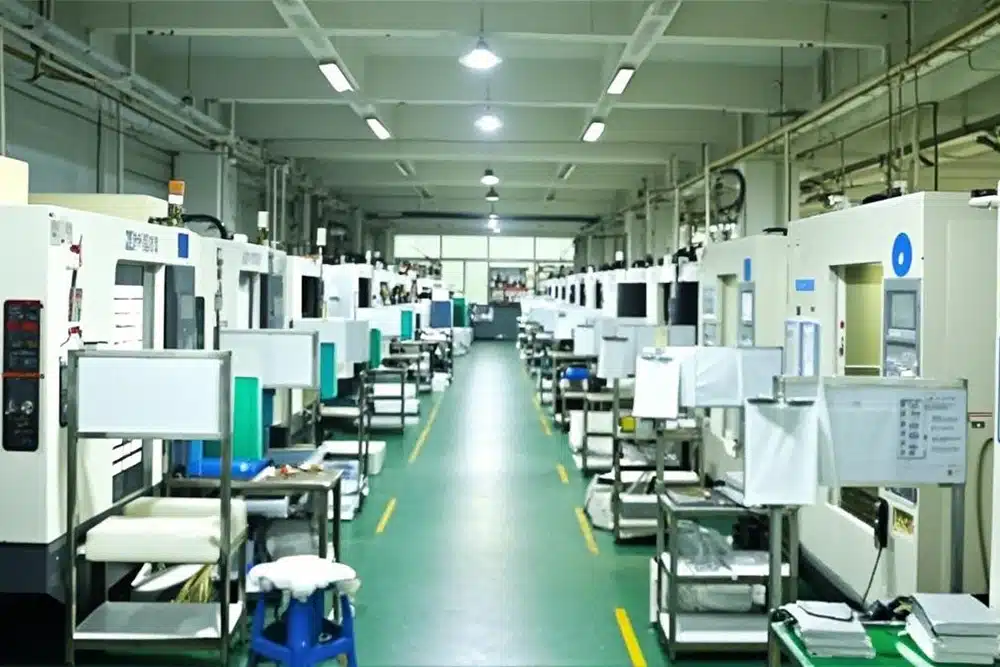
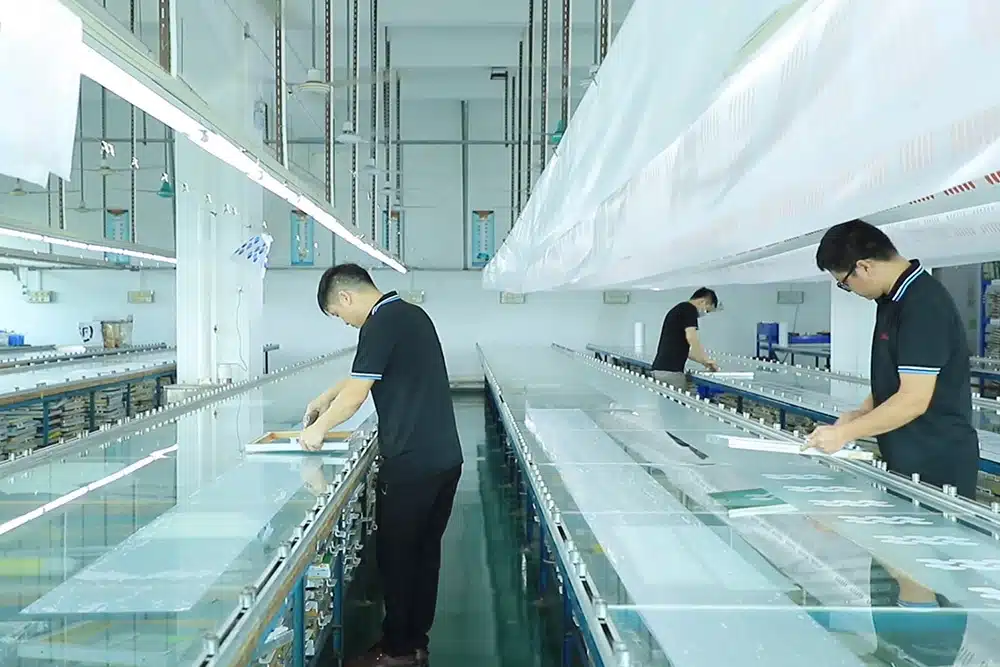
Behind the Scenes: Factory-Floor Controls for Industrial-Grade Vulcanization
To produce reliable industrial silicone valves, molding parameters need to be controlled with accuracy. The hardened tool steel mold manufacturing facility is set up to produce clean venting channels that release trapped gases, even in thick diaphragm sections, to avoid micro-voids.
Extended Secondary Baking: Eliminating Volatile Outgassing
For demanding applications post curing in controlled hot-air ovens can’t be done at the option of the user. This prolonged baking process removes any residual VOCs that might lead to dimensional drift or outgassing during sustained heat operation. When a sealing application is an automotive or chemical processing housing, excellent long-term compression set resistance and surface stability is obtained with proper post-curing.
Troubleshooting Industrial Valve Failures: Splitting, Compression Set, and Meniscus Blistering
Tight manufacturing control is essential even for well-designed valves. Typical problems are slit tear propagation in weak weld lines, leakage in one direction due to excessive compression set, and blistering of surfaces due to trapped volatiles.
The following table shows typical failure modes, root cause and controls for these failures:
| Shop-Floor Failure Mode | Root Polymer/Tooling Cause | Factory-Side Quality & Material Control Countermeasures |
| Slit Tear Propagation | Inadequate injection pressure or poor knit lines | Optimized flow analysis, precise gate placement, extended cure time |
| Asymmetrical Leakage from Compression Set | Insufficient post-curing or wrong catalyst system | Controlled secondary baking, material certification verification |
| Surface Blistering | Volatile entrapment during molding | Enhanced venting design, vacuum-assisted molding, full post-cure protocol |
Sourcing Checklist: Material Verification Protocols for Sourcing Managers
Prior to investing in custom mold, make sure you factor in these important considerations:
- Verify direct material identification by spectrometer analysis, not just supplier certificate.
- Ask for actual operational pressure test data on fixtures which are capable of operating under realistic conditions.
- Examine the post-curing oven capacities and typical operating procedures of heavy wall parts manufactured by the manufacturer.
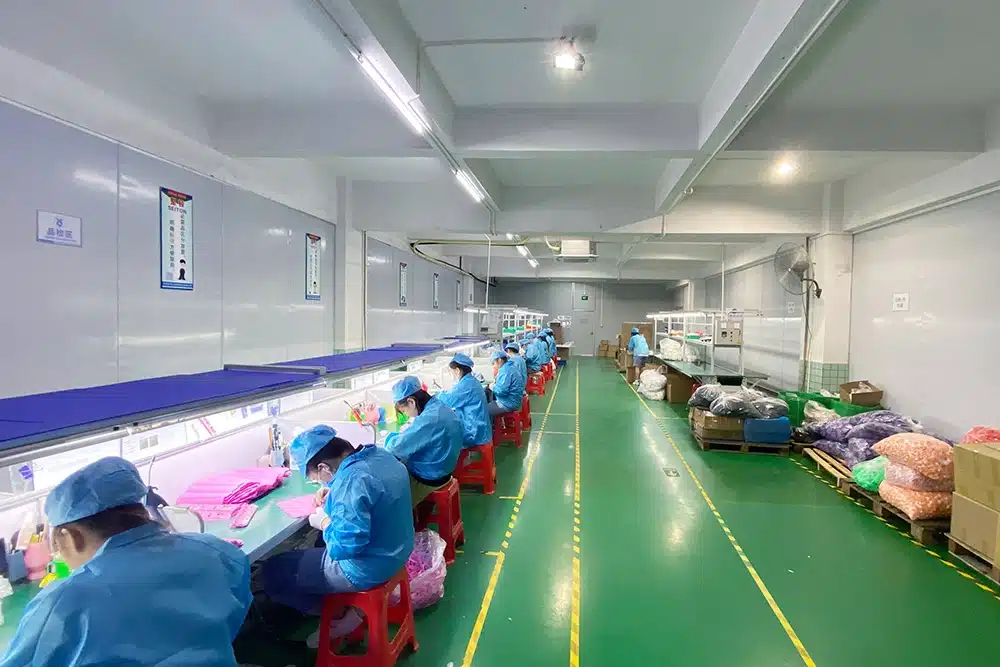
- Provide the cleanroom or controlled environment packaging to ensure there is no fiber contamination.
- Confirm supplier’s capacity to manufacture fluorosilicone compounds for hydrocarbon-resistant applications.
- Request long-term compression set and swell reports for your fluids and temperature ranges.
Conclusion — System Success Relies on Robust Polymer Integration
Only the right variant of the polymer can be used together with precise tooling and processing controls to withstand aggressive heat and chemical conditions in industrial fluid handling systems. The selection of the material, the high temperature molding of the elastomer and the final post-curing of the volatile siloxane extraction all influence the performance of the silicone valve.
Dongguan HT Silicone & Rubber Co., Ltd. provides OEM and ODM partners with full in-house capabilities, from compound formulation to mold design, in addition to comprehensive quality testing. Provide application details to our engineering team and we’ll work with you to create a solution capable of providing dependable, durable sealing in the most extreme applications.