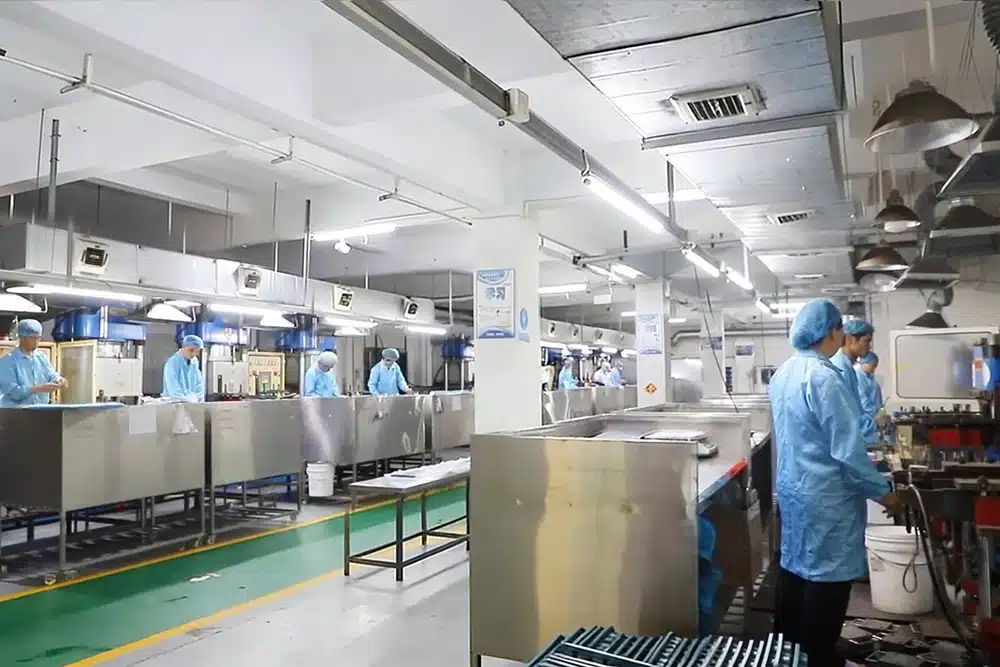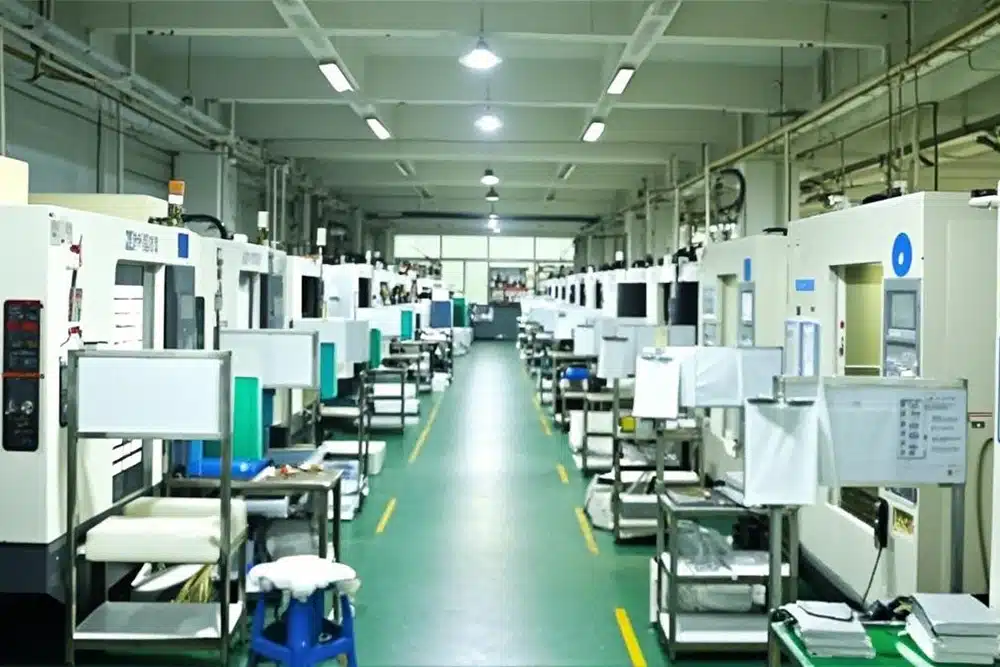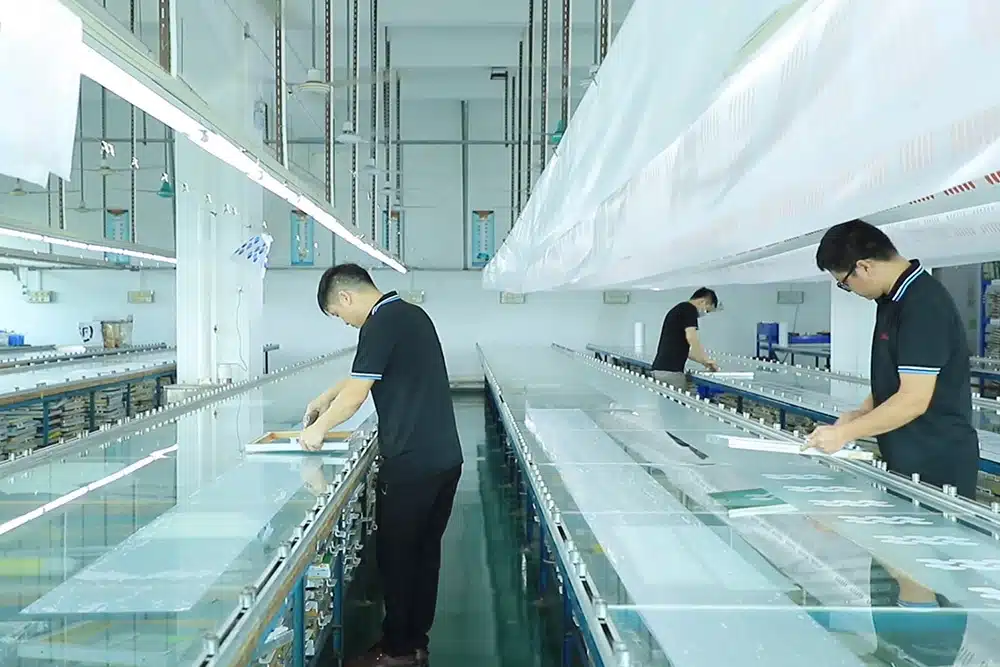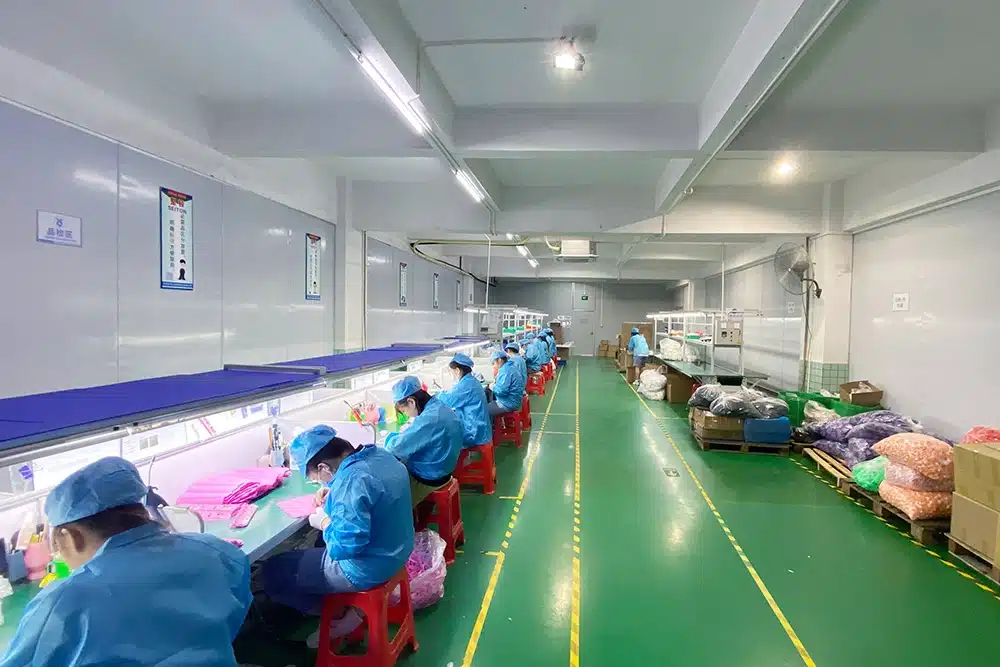

A number of practical trends are shaping the future of silicone materials and manufacturing: an increasing number of application-specific silicone formulations, more demand for clean and compliant materials, more use of automation and process control, more liquid silicone rubber and precision molding, more interest in multi-color and multi-material products, sustainable and higher-life solutions, stronger emphasis on surface finishing, and closer links between material choice and product design.
Innovation in the manufacture of silicone does not focus on the production of “new silicone materials. Innovations are often achieved by refining a match between the correct material, molding process, tooling design, quality control system, and application requirements. Developing a future-ready silicone product is dependent on choice of materials and manufacturing processes that enable performance, compliance, scalability, and repeatable quality over time.
Why Silicone Material Innovation Matters for Product Development
The innovation of silicone material is important as the expectations of products are increasingly specific, controlled, and performance based in both consumer and industrial market.
The modern customers demand more durable products, safer contact materials, cleaner look, and more personalized capabilities. They require materials that will work under well-known conditions instead of using silicone materials that are generic. The brand owners demand a uniform color, feel, finish, and repeatable production quality. Documentation expectations and compliance requirements are increasing and manufacturing innovation is enabling the reduction of sampling risk, increased efficiency, and scalable production.
| Market Expectation | Impact on Silicone Material Development |
| Safer consumer products | Greater focus on compliant materials and documentation |
| Better durability | More attention to tear strength, aging resistance, and compression set |
| Cleaner appearance | Improved process control, finishing compatibility, and defect reduction |
| Product customization | More flexible formulation, color, hardness, and molding options |
| Higher production consistency | Stronger quality traceability and process data control |

Trend 1: More Application-Specific Silicone Formulations
The transition of general silicone grades to application-specific formulations based on actual product use conditions is one of the major trends.
A growing selection of silicone materials is based on the actual environment of use, such as food contact material, skin contact material, outdoor exposure material, automotive heat material, electronic insulation material, and industrial sealing material. Adjustments in formulation nowadays commonly aim at increasing or decreasing hardness, tear strength, compression set, color stability, odor levels, flame resistance, or surface finishing compatibility.
A positive aspect of product teams is that they establish the conditions related to the applications at an early stage when material selection remains in progress. The former one material fits all strategy is not as viable as serious product development. With more specific requirements in the products, it is important to understand the trends that are emerging in the selection of silicone material, molding process, long-term quality expectations, and before the tooling process can be initiated.
| Application Scenario | Future Material Focus |
| Food-contact products | Low odor, heat resistance, compliant pigments |
| Baby and personal care | Soft touch, cleanliness, skin-contact suitability |
| Automotive components | Heat aging, oil resistance, compression performance |
| Electronics accessories | Insulation, flame resistance, dimensional stability |
| Outdoor products | UV resistance, weather aging, color stability |
| Industrial seals | Compression set, chemical resistance, durability |
Trend 2: Cleaner Production and Stronger Compliance Expectations
The importance of cleaner production and increased compliance expectations is growing due to the increasing needs of buyers to establish material evidence, controlled handling, and consistent documentation.
Silicone products which contact food, baby products, personal care, electronics and healthcare related products need to be better documented in terms of materials. Clean production facilities minimize the chances of contamination and enhance the general handling of the product. Customers are now demanding test reports, material traceability, batch records, and a detailed control of supplier processes.
Compliance is not just a last inspection problem any more, but begins with the choice of materials and the planning of production. The requirements will always be based on the particular use of the product and the target markets.
| Compliance-Related Need | Manufacturing Response |
| Food-contact documentation | Confirm material and pigment suitability early |
| Skin-contact applications | Review formulation, odor, and cleanliness requirements |
| Electronics restrictions | Check material restrictions and functional additives |
| Baby products | Strengthen safety, traceability, and clean handling |
| Export markets | Prepare documents based on destination requirements |
Trend 3: Automation and Data-Based Process Control
Silicone manufacturing is undergoing automation, which enhances consistency in the manufacturing process, minimizes human error, and supports more repeatable quality.
In order to enhance repeatability, automated molding, material feeding, temperature regulation and curing systems are utilized. Process data collection will enable increased control of cycle time, curing temperature, pressure, and defect trends. Automation is particularly useful in high volume, precision or multi-cavity production.
Meanwhile, human knowledge will continue to play a crucial role in design of molds, choice of materials, initial set up, final inspection, and problem solving. Automation is an aid to the engineering judgment and not its replacement.
| Automation Area | Practical Benefit |
| Material feeding | Reduces mixing and handling variation |
| Temperature control | Supports stable curing and dimensions |
| Mold pressure control | Helps reduce flash, defects, and deformation |
| Multi-cavity production | Improves repeatability across parts |
| Quality data tracking | Supports root-cause analysis and continuous improvement |
Trend 4: Growth of LSR and Precision Silicone Molding
Precision molding and Liquid Silicone Rubber are becoming popular due to the high surface finish, tight tolerances, and high volume consistency that are now demanded by many products.
LSR is ideal with baby products, medical-related components, electronics, seals, and precision components. Nevertheless, LSR is not necessarily superior in all applications. HCR (solid silicone) compression molding is still valid in most custom molded products, thicker components, flexible structures and medium volume production.
The true future is in increasing matching of material and process with each particular application.
| Product Requirement | LSR / Precision Molding Advantage | HCR / Compression Molding Relevance |
| High-volume production | Strong repeatability and automation | Still useful for flexible production needs |
| Thin-wall or detailed design | Good flow and precision | May be limited depending on design |
| Thick silicone parts | May not always be ideal | Often practical and cost-effective |
| Multi-color products | Possible with advanced tooling | Also possible with suitable process control |
| Lower initial tooling pressure | Usually higher tooling investment | Often more flexible depending on structure |

Trend 5: Multi-Color, Multi-Material, and Integrated Silicone Products
The need in multi-color and multi-material silicone products is increasing since brands want products that are multi-functional, multi-material, comfortable and have good user experience.
Brand identity and product differentiation are enhanced by multi-color silicone molding. Co-injection or integrated molding enables the use of varying hardness, colors or functional areas within one component. These designs demand high material compatibility, exact mold engineering and a meticulous bonding or insert-molding plan.
The manufacturable design should always underpin visual innovation.
| Design Trend | Manufacturing Challenge |
| Multi-color silicone | Color separation, mold precision, process control |
| Different hardness zones | Material compatibility and curing balance |
| Silicone + plastic/metal inserts | Bonding, shrinkage, and assembly fit |
| Integrated functional parts | Tooling complexity and quality inspection |
| Branded surface details | Finish durability and repeat color consistency |

Trend 6: Sustainability, Longer Product Life, and Material Efficiency
Sustainability in silicone manufacturing is being more linked to the durability of products, material efficiency and reduction of waste, and planning of responsible production.
The inherent resilience of silicone already contributes to the longer service life and lower replacement rate. Manufacturers prioritize on the higher yield, lower scrap, better mold design, and effective production planning. The sustainable decisions should be practical and supported by evidence.
| Sustainability Direction | Practical Manufacturing Meaning |
| Longer product life | Better material selection for durability |
| Reduced scrap | Improved process control and mold design |
| Efficient material use | Better part design and optimized tooling |
| Cleaner production | Better handling, packaging, and workshop management |
| Responsible claims | Avoid unsupported “eco-friendly” language |
Trend 7: Surface Finishing and Functional Aesthetics
Surface finishing is gaining momentum due to the growing demand of silicone products to integrate their performance, appearance, brand image, and user comfort.
Other typologies like silk screen printing, spray coating, oil finishing, laser engraving, matte textures, and soft-touch surfaces need compatible base materials and tight process control. Use of the material should be thought of in terms of functional aesthetics, such as grip, anti-slip feel, smooth touch, color stability, and durable markings, rather than being an afterthought.
| Surface Requirement | Material / Process Consideration |
| Logo printing | Surface energy and adhesion |
| Laser marking | Color contrast and heat response |
| Soft-touch feel | Coating compatibility and wear resistance |
| Anti-slip texture | Mold texture and hardness selection |
| Premium appearance | Color consistency and defect control |
How Product Teams Should Prepare for Future Silicone Manufacturing
The material, design, process, compliance and quality decisions can be made earlier in the development of product teams that plan future silicone manufacturing.
| Question to Ask Early | Why It Matters |
| What is the product’s real use environment? | Guides formulation and performance selection |
| What compliance evidence will the target market require? | Prevents testing and documentation delays |
| Is LSR, HCR, or another process more suitable? | Aligns material with manufacturing method |
| Will the product need multi-color or multi-material features? | Affects tooling and compatibility planning |
| Is surface finishing required? | Influences material and surface treatment choices |
| What production volume is expected? | Determines automation and tooling strategy |
| How will quality be tracked across batches? | Supports long-term consistency |
| What durability expectations should be tested? | Reduces product failure risk |
Conclusion — Future Silicone Innovation Depends on Better Material Decisions
Practical advances in formulation, process control, automation, compliance, sustainability and product design will define the future of silicone materials and manufacturing. In the case of product teams, the most significant step is not to chase all new trends, but to choose silicone materials and manufacturing processes that should best fit the actual use of the product, its requirements on the market and its long-term quality objectives.Companies may lower risk and provide more reliable custom silicone products over time by aligning material formulation, product design, molding process, compliance planning, automation, and quality control.