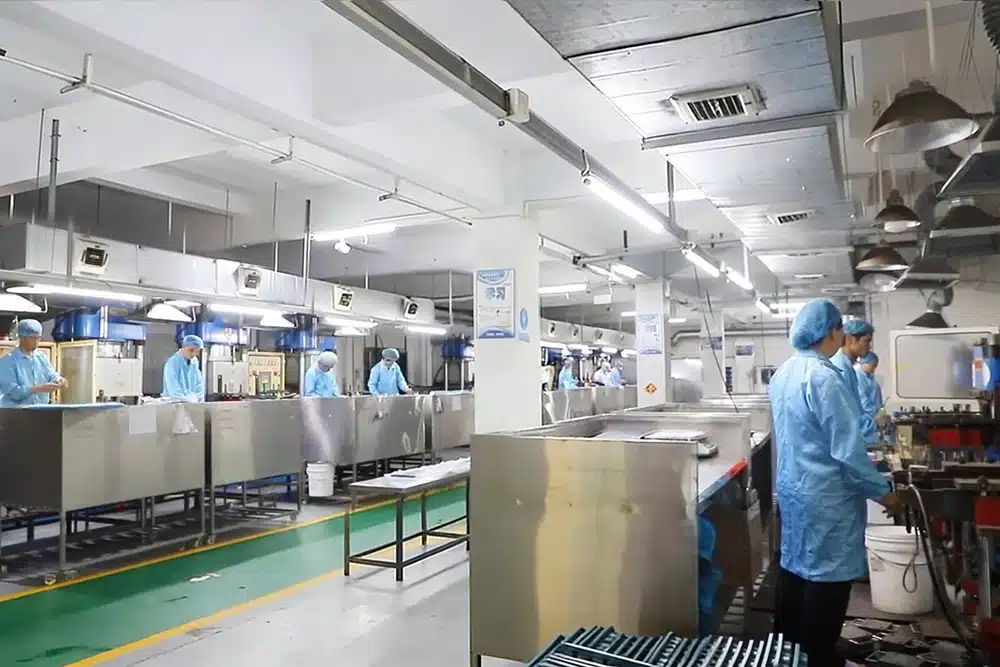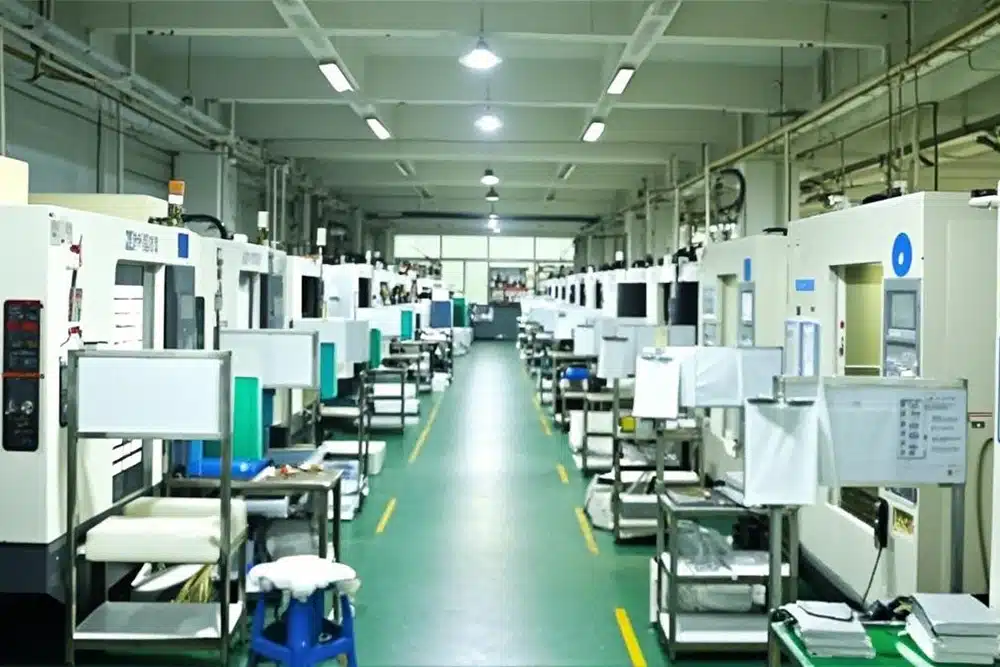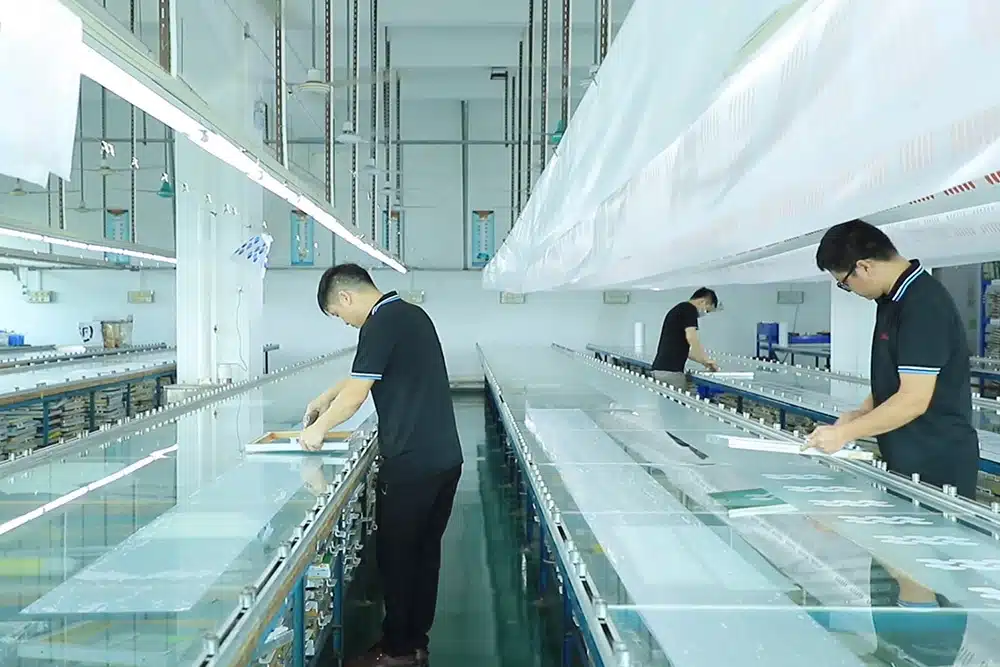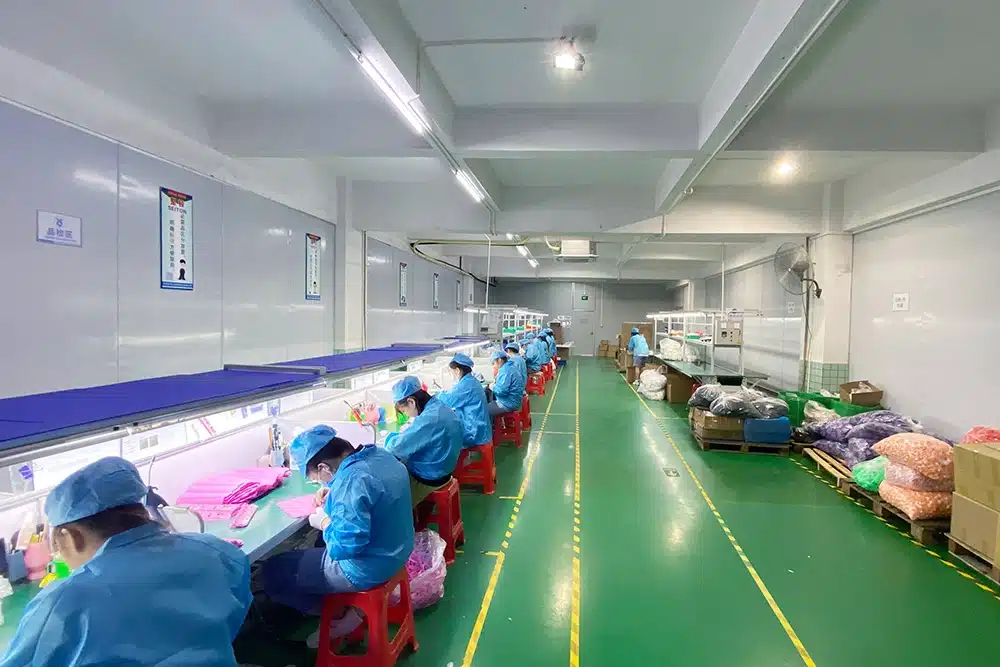

The OEM process of custom silicone seals starts with technical clarity and stops when production is repeatable and stable. The major issues with projects are that most teams assume that all they have to do is transfer it through a design to factory. Actually, it is likely the most significant task that occurs in the cautious shift between engineering review and production control.
The key to a successful OEM process of custom silicone seals is to control all stages, including drawing review, material selection, tooling, sampling, validation and production control, as a single linked manufacturing system.
Why the OEM Process Matters More Than Many Buyers Expect
The OEM of custom silicone seals is important than many buyers would anticipate due to the fact that these components are very sensitive to the design factors, material behavior, dimensional control and stability of the process.
Poor handoff between stages is a common problem that causes delays, re-modeling of molds, non-conformance, or issues that can only be detected in repeat orders. It cannot be considered as a process of a mere execution schedule but rather a risk-control system. The production is stable, based on the support of one stage to the other. Knowledge of this flow by buyers enables them to greatly minimize unnecessary cost and lead-time shocks, and helps them reduce total cost when sourcing custom silicone seals.
| OEM Stage | Why It Matters |
| Drawing review | Determines whether the design is production-ready |
| Material confirmation | Aligns performance with application needs |
| Tooling development | Controls dimensional feasibility and consistency |
| Sampling | Verifies fit, function, and manufacturability |
| Process validation | Confirms production stability |
| Mass production | Depends on repeatability, not first-sample success alone |

Step 1: Start with Drawing Review and Technical Clarification
Any successful OEM process of custom silicone seals must start with a sober analysis of drawings, 3D files and the real application environment when teams need to design custom silicone seals for reliable long-term use.
The geometry is not sufficient in most cases. Even a clean-looking drawing can lead to severe problems in the future without being aware of sealing conditions, tolerances, and anticipated performance. The critical dimensions, groove fit, compression logic and assembly conditions require advance consideration. One of the most frequent causes of subsequent tooling corrections and sampling loops is incomplete or ambiguous drawings.
Technical clarification early-on nearly always saves much more time than revisions at a later stage.
| Technical Input | Why It Should Be Reviewed Early |
| 2D drawing | Defines dimensions, tolerances, and key notes |
| 3D model | Supports geometry review and mold planning |
| Application condition | Helps evaluate material and design fit |
| Compression / sealing requirement | Influences functional design decisions |
| Assembly method | Affects geometry and manufacturability |
| Expected service environment | Guides material and durability review |
Step 2: Confirm Material and Design Feasibility Before Tooling
Tooling must not commence until material and design assumptions are completely in accordance.
Hardness, compression set, exposure to the environment and service expectations all affect the way the seal will perform in the production and in service. Both performance requirements and manufacturability have to be supported by material selection and material confirmation. Small design modifications at this phase can in most instances save costly tooling modifications in the future.
The element of this feasibility review is an important component of the OEM custom silicone seal manufacturing workflow since it is the component that can be used to bridge the gap between conception and production reality.
| Feasibility Area | Why It Matters Before Tooling |
| Material selection | Supports application fit and molding stability |
| Hardness range | Affects deformation and assembly behavior |
| Tolerance requirement | Influences mold complexity and cost |
| Seal geometry | Determines manufacturability and dimensional control |
| Surface expectations | Affects mold design and finishing control |
| Volume forecast | Helps define tooling and production strategy |

Step 3: Tooling Development Translates Design into Production Reality
Design intent is translated to moldable reality in tooling in the case of custom silicone seals.
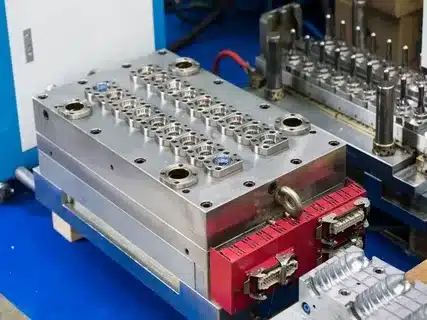
The quality of molds directly affects the final dimensions, the consistency of parts, the control of flashing, and the repeatability over a long period of time. The choice of tooling must consider the tolerance requirements of the project, the complexity of the part and the volume of production. An effective mold design review takes into account the initial cost and long-term production control.
One of the most common reasons of revisions of samples and unstable production after a certain period of time is poor tooling logic.
| Tooling Consideration | Why It Matters |
| Mold precision | Affects dimensional consistency |
| Parting line strategy | Influences sealing surfaces and appearance |
| Cavity design | Supports repeatability and efficiency |
| Tool durability | Affects long-term production economics |
| Revision flexibility | Helps manage early-stage design adjustments |
Step 4: Sampling Should Validate More Than Basic Appearance
Custom silicone seals should be sampled to ensure much more than the fact that the part looks correct, especially during prototyping custom silicone seals
Fit, performance, compression performance, size, and assembly performance must be checked. Sample Proto and Prod must be handled differently as they have different purposes. Reviewing of any samples should have clear criteria of approval. Where validation is subjective, projects get into vicious cycles where they keep postponing the launch date.
| Sample Review Area | What It Should Confirm |
| Dimensions | Whether the part matches the approved drawing |
| Fit and assembly | Whether the seal installs and functions correctly |
| Compression behavior | Whether sealing force looks appropriate in use |
| Surface quality | Whether molding quality meets project expectations |
| Material behavior | Whether recovery and feel align with design intent |
| Revision status | Whether all approved changes are reflected |
Step 5: Process Validation Is What Bridges Sampling and Mass Production
There is no such thing as a success without sample approval in mass production of custom silicone seals.
Process validation checks that the approved part can be produced in large scale. At this stage, curing conditions, dimensional repeatability, batch control, and inspection standards are of critical importance. This phase is commonly the least considered in the whole process of OEM.
Even an ideal sample will cause instability when the entire production is underway without adequate validation.
| Validation Area | Why It Matters Before Mass Production |
| Process stability | Supports consistent repeat output |
| Cure control | Affects elasticity and long-term behavior |
| Dimensional repeatability | Protects fit and sealing function |
| Inspection standards | Defines approval consistency |
| Batch consistency | Supports repeat-order reliability |
Step 6: Mass Production Depends on Repeatability, Not First-Order Success Alone
Consistency between batches should be used to judge mass production of custom silicone seals instead of focusing on an individual success run.
Weak process controls can also mask risks that are found in first-order success. The consistent supply is brought by stable materials, continuous maintenance of molds, control of the curing, and the disciplined execution of consistent quality. A good OEM partner is often identified by repeat-order consistency.
This is most advantageous to buyers when they put their minds beyond the first roll and think of the entire life of the seal program.
| Production Factor | Why It Matters in Mass Production |
| Batch consistency | Supports stable incoming quality |
| Mold maintenance | Protects dimensional control over time |
| Process discipline | Reduces variability and scrap |
| QC execution | Prevents drift from approved standards |
| Lead-time stability | Supports supply planning and continuity |
Where Delays and Problems Usually Happen in the OEM Process
Major failures are not the primary cause of most of the delays encountered in custom silicone seal projects; rather, it is made up of minor delays between steps.
Frequent causes of avoidable friction are vague drawings, poor feasibility review, ambiguous sample criteria, and poor revision control. Effective supplier communication and documentation discipline in the process are a big difference. Being aware of these typical failure points assists teams in minimizing the risk of launch and eliminating rework.
| Common Process Problem | Likely Result |
| Incomplete drawing review | Tooling or sample mismatch |
| Early tooling without feasibility alignment | Costly revisions later |
| Subjective sample approval | Confusion and repeated loops |
| Weak validation before production | Instability at scale |
| Poor revision control | Wrong version enters production |
| Inconsistent QC execution | Repeat-order variation |
A Practical OEM Process Checklist from Drawing to Mass Production
Preventable errors in transferring custom silicone seals between drawing and mass production are minimized by a structured checklist, which facilitates the process of project control.
Each stage gate should have all teams aligned such as engineering, purchasing, tooling, and production before proceeding. OEM projects whose checkpoints are the most clear are typically the most efficient.
| Checklist Item | Why It Should Be Confirmed |
| Final drawing and 3D file reviewed | Supports accurate technical understanding |
| Application conditions clarified | Guides design and material decisions |
| Material and hardness aligned | Reduces performance mismatch risk |
| Tooling feasibility confirmed | Prevents early mold mistakes |
| Sample approval criteria defined | Speeds validation and reduces confusion |
| Process validation completed | Supports production readiness |
| QC standards documented | Protects repeat-order consistency |
| Revision control and release process set | Prevents version-related production errors |
Conclusion — The Best OEM Results Come from a Controlled Process, Not a Fast Handoff
The entire process of OEM of custom silicone seals is most successful when every step is considered as a component of a system of manufacturing. Consistent outputs are achieved with consistent technical feeds, rigorous tooling and validation, and consistent production control – not by rushing between drawing and purchase order without sufficient process alignment.
By coordinating the draw review, material confirmation, tooling, sampling, validation, and production control, the buyers and engineers will be assured that the custom silicone seals will work well on the initial batch all the way through the product life cycle, especially when sourcing custom silicone seals from China.