
Food-grade silicone kitchenware is made from precise materials and production processes, and includes silicone spatulas, baking molds, lids, trivets, and utensils that can be used directly or indirectly in food preparation. In the case of silicone products, they have to adhere to the stricter requirements of suitability, heat resistance, odour control and cleanliness that ensure safety and performance in real kitchen situations.
Food grade silicone kitchenware is not just determined by the materials used, but by the material selection, processing control, expectations of testing, food contact, and finished product itself. Often people think that the simple ‘food-grade’ designation means it is suitable in all countries, but the suitability of the label depends on the material, additives, pigments, production processes, regulations of the target country and the responsibility of the buyer. Food grade silicone kitchenware should be assessed based on material suitability, intended use, test expectations and manufacturing quality control when a brand or importer is designing spatulas, baking utensils, lids, molds or food covers.
What Is Food-Grade Silicone Kitchenware?
Food-grade silicone kitchenware includes all kitchenware used for food preparation, cooking, baking, storage and serving where the material comes into contact with food. These products are different from all other silicone products because they have to be formulated and processed to ensure that there is less risk of migration, and that they are durable under heat, moisture, and repeated use.
| Item | Explanation | Product Category |
| Material Focus | Silicone selected for food-contact kitchen applications | Silicone utensils, baking tools, lids, molds, trivets, pot holders, covers, and accessories |
| Key Concerns | Heat resistance, odor control, hardness, color stability, additives, and cleanliness | – |
| Common Buyers | Brands, wholesalers, importers, retailers, and ecommerce sellers | – |
| Main Goal | Producing safe, consistent, and market-ready silicone kitchen products | – |
Why Food-Grade Material Selection Matters for Kitchenware
The choice of material can significantly influence the performance of silicone kitchenware, its safety, durability, and user satisfaction. Choices are critical in kitchen environments where there is direct food contact, high temperatures, oils, moisture and frequent washing.
| Kitchenware Use Condition | Why Material Selection Matters |
| Direct Food Contact | Material and additives should be suitable for intended food-contact use |
| Cooking Heat | Spatulas, turners, and brushes may face higher temperatures during use |
| Baking Use | Molds and mats require heat resistance and dimensional stability |
| Food Storage | Lids and covers need flexibility, sealing, and odor control |
| Repeated Washing | Material should maintain appearance and function after daily cleaning |
| Flexible Use | Thin lids, covers, and molds need tear strength and rebound |
| Brand Sales | Material problems can lead to complaints, returns, or trust issues |
FDA, LFGB and Buyer-Side Food-Contact Expectations
Buyers in different markets should be aware that there are different expectations of food contact use depending on market, and that verification is required—not presumed.
| Requirement / Standard | Common Buyer Concern | What Buyers Should Confirm |
| FDA-Related Food Contact | Often relevant for products sold in the U.S. market | Material suitability, testing scope, documentation, and intended use |
| LFGB-Related Testing | Often requested by buyers selling into Germany or EU-related markets | Test reports, migration expectations, odor/taste considerations where applicable |
| EU Food-Contact Expectations | May apply to products sold in European markets | Applicable regulations, documentation, and importer responsibilities |
| REACH / RoHS Requests | Sometimes requested depending on buyer policy or product channel | Whether the product or material needs additional chemical-related checks |
| Retailer Requirements | Large retailers may request additional documentation | Testing, labeling, traceability, and packaging information |
Key Material Factors Buyers Should Check
When assessing food grade silicone kitchenware, it is essential to consider a number of technical aspects that impact functionality in practice.
| Material Factor | Why Buyers Should Check It |
| Silicone Suitability | Confirms whether the material is appropriate for kitchen and food-contact use |
| Shore A Hardness | Affects flexibility, grip, sealing, and user feel |
| Heat Resistance | Important for utensils, baking tools, molds, trivets, and pot holders |
| Tear Strength | Important for thin, flexible, or stretchable products |
| Odor Control | Helps reduce customer complaints after opening or use |
| Pigment Selection | Color additives should match food-contact and target market expectations |
| Color Stability | Supports repeat order consistency and brand presentation |
| Material Traceability | Helps investigate quality issues and maintain batch consistency |
| Clean Handling | Important for finished food-contact kitchen products |
Testing and Documentation Buyers May Need
Testing and documentation is used to give objective evidence to support the buyer decision and market requirements, but it should be suitable to the material and product itself.
| Testing / Document Type | Why It May Be Needed |
| Material Information | Helps confirm silicone type, hardness, and performance range |
| Food-Contact Test Report | Supports buyer-side review for intended market and application |
| Color-Specific Test | May be needed because pigments can affect test scope |
| Third-Party Testing | Provides independent verification when required by buyer or retailer |
| Sample Test | Helps verify product performance before mass production |
| Batch Record | Supports traceability and repeat order consistency |
| Supplier Declaration | Helps document material and production-related information |
| Packaging / Label Review | Helps avoid unsupported claims or missing buyer-required information |
Product-Specific Considerations for Food-Grade Silicone Kitchenware
One size doesn’t fit all when it comes to kitchenware as there are various requirements depending on the function of the kitchenware.
| Product Type | Key Material / Testing Considerations |
| Silicone Spatulas | Heat resistance, food-contact surface, flexibility, odor control |
| Cooking Utensils | Hardness, handle grip, heat exposure, surface finish |
| Baking Mats | Heat resistance, dimensional stability, surface cleanliness |
| Baking Molds | Easy release, tear strength, heat resistance, cavity details |
| Silicone Lids | Flexibility, stretchability, sealing, tear resistance |
| Food Covers | Thin-wall durability, rebound, food-contact suitability |
| Trivets & Pot Holders | Heat protection, thickness, anti-slip texture |
| Ice Cube Trays | Easy release, odor control, flexibility, freezer use |
| Kitchenware Sets | Color consistency, product combination, packaging and labeling |
How Manufacturing Process Affects Food-Grade Silicone Kitchenware
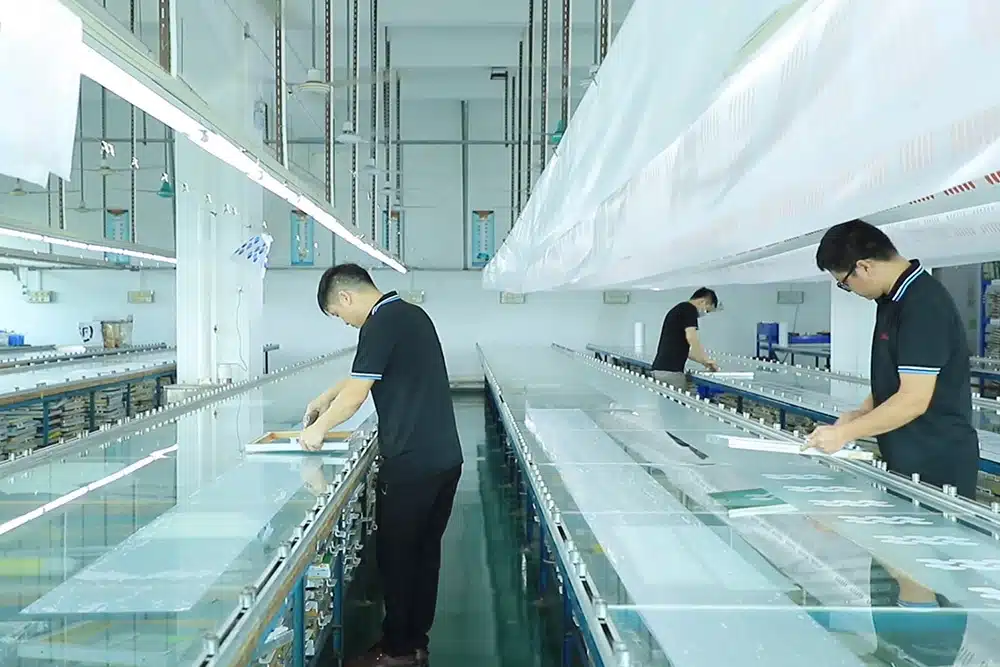
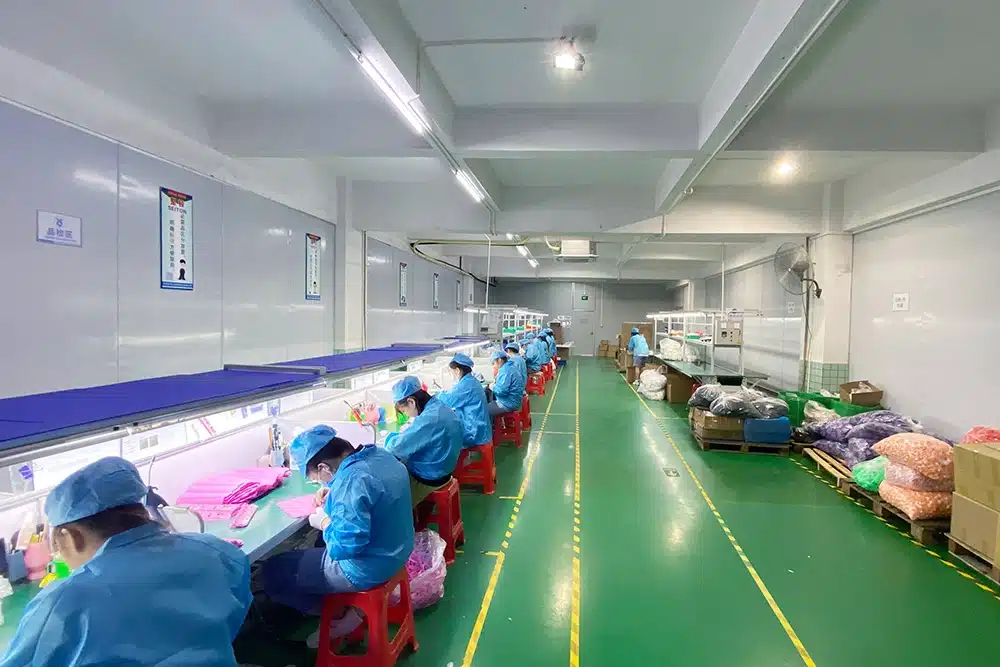
The selection of materials plays only a small part in the process; manufacturing controls are required to ensure the product possesses the desired characteristics at the end.
| Manufacturing Step | Why It Matters for Food-Grade Kitchenware |
| Raw Material Inspection | Confirms material, color, hardness, and batch information |
| Color Preparation | Helps control pigment consistency and brand appearance |
| Mold Preparation | Reduces surface defects and contamination risk |
| Silicone Molding | Affects curing, shape stability, surface quality, and repeatability |
| Trimming | Removes flash while maintaining smooth user-contact edges |
| Surface Finishing | Affects appearance, touch, cleaning, and logo quality |
| Clean Handling | Helps maintain product cleanliness before packaging |
| Packaging | Protects finished products and supports retail or ecommerce readiness |
| Final Inspection | Checks appearance, odor, dimensions, color, logo, and packaging accuracy |
Quality Control Checklist for Food-Grade Silicone Kitchenware
A QC process that is structured can help identify problems at the earliest opportunity before products are delivered to customers.
| QC Item | What to Check |
| Material | Silicone type, hardness, batch information, and traceability |
| Hardness | Whether Shore A hardness matches approved sample or specification |
| Color | Match with approved Pantone or color sample |
| Odor | Check for unusual or unacceptable smell |
| Dimensions | Size, thickness, cavity depth, fit, and functional areas |
| Appearance | Flash, bubbles, stains, deformation, marks, and uneven finish |
| Surface | Smoothness, texture, coating, or food-contact surface quality |
| Logo | Position, clarity, depth, adhesion, or durability |
| Function | Flexibility, sealing, easy release, grip, heat-protection use, or rebound |
| Packaging | Clean packing, correct labels, inserts, barcode, and carton marks |
| Traceability | Batch record, sample approval record, and inspection record |
Common Misunderstandings About Food-Grade Silicone Kitchenware
| Misunderstanding | More Accurate View |
| “Food-grade” means approved everywhere | Buyers must confirm target market and testing requirements |
| One certificate covers all products | Testing scope may depend on product, color, material, and use |
| Only silicone base material matters | Pigments, additives, processing, and finished product also matter |
| Heat resistance is always the same | Product design, thickness, and material formulation affect performance |
| A good sample means all batches are safe | Batch control and traceability are still important |
| Packaging claims are not important | Unsupported claims can create buyer or retailer risk |
Buyer Checklist Before Ordering Food-Grade Silicone Kitchenware
A checklist ensures that things are organized, and minimizes risk.
| Checklist Item | Buyer Question |
| Product Application | Will the product contact food directly or indirectly? |
| Target Market | Which country or region will the product be sold in? |
| Material Requirement | What silicone material and performance level are needed? |
| Heat Use | Will the product be used for cooking, baking, freezing, or storage? |
| Hardness | What Shore A hardness is suitable for function and user feel? |
| Color | Are pigments and color matching requirements clearly defined? |
| Testing | What food-contact or third-party testing is required? |
| Documentation | What reports, declarations, or material information are needed? |
| Sample Approval | Has the product been checked for odor, color, size, function, and feel? |
| Packaging Claims | Are labels and packaging claims accurate and supportable? |
| QC Standard | What inspection criteria should be used before shipment? |
| Supplier Capability | Can the supplier support material control, molding, finishing, packaging, and QC? |
What Buyers Should Prepare Before Requesting a Quote
Clearly defined requirements ensure more precise quotes and easier development.
| Information to Prepare | Why It Helps |
| Product Type | Helps identify material and process requirements |
| Drawing / Sample | Supports evaluation of size, structure, and manufacturing feasibility |
| Intended Use | Clarifies food-contact, heat, freezer, or storage application |
| Target Market | Helps discuss buyer-side testing and documentation expectations |
| Material Requirement | Supports proper silicone material selection |
| Hardness Requirement | Affects flexibility, grip, sealing, and product feel |
| Heat Requirement | Important for utensils, mats, molds, trivets, and pot holders |
| Color Requirement | Helps evaluate pigment and color consistency needs |
| Packaging Requirement | Affects labeling, retail presentation, and cost |
| Testing Requirement | Helps plan quotation, sample testing, and lead time |
| Estimated Quantity | Helps calculate MOQ, production plan, and unit cost |
| Timeline | Helps plan sampling, testing, production, and shipment |
How to Evaluate a Food-Grade Silicone Kitchenware Supplier
A good supplier is not just price competitive; he is in control of materials and processes.
| Supplier Capability | Why It Matters |
| Kitchenware Manufacturing Experience | Helps avoid common food-contact product development problems |
| Material Selection Support | Ensures suitable silicone for application, hardness, heat, and flexibility |
| Material Traceability | Supports batch consistency and issue investigation |
| Mold Development | Supports custom shapes, logos, textures, and product accuracy |
| Molding Control | Affects curing, appearance, dimensions, and repeatability |
| Color Matching | Helps maintain brand color consistency |
| Clean Packaging Environment | Supports better handling of finished food-contact products |
| Quality Inspection | Reduces defects, odor issues, color variation, and appearance problems |
| Testing Coordination | Helps buyers arrange appropriate testing when required |
| Documentation Support | Supports buyer-side review and purchasing records |
| Export Experience | Supports communication, documentation, and delivery coordination |
Conclusion — Food-Grade Silicone Kitchenware Requires More Than a Label
Food-grade silicone kitchenware projects are successful when the buyer and manufacturer agree from the outset on the materials they are using, production controls and verification procedures. This Bullish view on material suitability, intended use, target market expectations, scope for testing, control of the production process and quality inspection minimises the risk to the buyer and provides a consistent result, regardless of batch.
A trusted partner will know all this and can find the right material, tailor it to the mould, provide surface finishes, clean pack, quality check and co-ordinate documentation. By spending the time to establish requirements first, the resulting products will be better, revisions will be reduced and your market performance with silicone kitchenware will be enhanced.