Pet grooming silicone toys are silicone fabricated toys, which are designed for grooming, bathing, brushing, massage, hair removal, cleaning and daily maintenance of pets. They are also incorporated into dog grooming brushes, cat massage brushes, bath scrubbers, shampoo brushes, paw cleaning brushes, grooming gloves and for small care accessories. Silicone is remarkable for its flexibility, softness, formability, washability and colourability and also because silicone can be used for creating functional textures for a better grooming.
Molded pet grooming accessory is not just a part of the pet care product, it’s also a real product that has to satisfy requirements of safety in material, grip, texture, cleanability, durability, and branding. Although the shape and color of the brush are all important to most buyers, the successful silicone grooming accessory must also be supplied with Shore A hardness, brush bristle flexibility, mold detail accuracy, odor control, edge finishing and quality inspection prior to mass production.
What Are Custom Silicone Pet Grooming Accessories?
Custom silicone pet grooming accessories are special products designed using an OEM (Original Equipment Manufacturing) or ODM (Original Design Manufacturing) process for specific functions and branding needs in the pet care specific market. These are more than plastic or basic rubber, but have been engineered with precise material characteristics, texture and ergonomics for real dog, cat and small animal grooming applications.
For brands developing grooming brushes, paw cleaners, bath scrubbers, feeding accessories, and related pet care items, silicone pet product manufacturing solutions should be planned around material safety, texture design, mold development, and quality control from the beginning.
| Item | Explanation | Product Type |
| Molded silicone pet grooming or care accessory | Common Uses | Bathing, brushing, massage, shampoo application, paw cleaning, hair removal |
| Target Pets | Dogs, cats, puppies, kittens, and small animals depending on design | Material |
| Silicone selected based on softness, flexibility, durability, and product use | Key Features | Soft-touch texture, flexible bristles, washable surface, ergonomic grip |
| Custom Options | Shape, size, texture, hardness, logo, color, packaging | Buyer Focus |
| Comfort, safety, durability, cleanability, branding, and production consistency |
Why Silicone Is Used for Pet Grooming Tools
If you’re using silicone correctly, you can enjoy some benefits when it comes to pet grooming tools, and silicone can be an advantageous material to use in different accessory types. The flexibility and surface of the design allows the developer to create safe instruments which are easy to use both by the pet and the owner.
| Silicone Property | Practical Benefit for Grooming Accessories |
| Soft Touch | Helps create a gentler contact surface for grooming tools |
| Flexibility | Allows bristles, massage points, or scrub textures to bend during use |
| Moldability | Supports detailed bristle patterns, grip shapes, and custom textures |
| Washable Surface | Makes cleaning after bathing or grooming more convenient |
| Grip Potential | Helps improve handling when the tool is wet |
| Color Customization | Supports branded product collections |
| Durability | Helps products withstand repeated bending, washing, and handling |
| Surface Texture Options | Supports brushing, scrubbing, massaging, or paw cleaning functions |
Common Types of Silicone Pet Grooming Accessories
A silicone structure, hardness, texture and ergonomic design is required for each type of grooming accessory to do its job. Choosing the correct type at an early stage helps to set expectations in line with manufacturing capabilities.
| Product Type | Common Function | Key Design Focus |
| Silicone Bath Brush | Bathing and shampoo distribution | Soft bristles, grip, drainage, cleaning |
| Shampoo Scrubber | Helps spread shampoo during washing | Bristle flexibility and ergonomic shape |
| Massage Brush | Gentle massage and daily care | Soft contact points and hand comfort |
| Paw Cleaner | Cleaning paws after outdoor use | Inner texture, flexibility, size fit |
| Grooming Glove | Brushing and hair collection support | Fit, flexibility, texture placement |
| Hair-Removal Tool | Removing loose fur from surfaces or coats | Edge texture, grip, and durability |
| Cleaning Pad | Pet bowl or care accessory cleaning | Texture strength and washing resistance |
| Travel Grooming Tool | Compact grooming use | Portability, packaging, and durability |
Design Factors That Affect Grooming Performance
The effectiveness of grooming depends on the firmness, softness, and shape of bristles and on the ergonomics of them all when in use. Any small changes in these aspects will make a great impact in customer satisfaction and in product life.
| Design Factor | Why It Matters |
| Product Size | Should match dog, cat, puppy, or small pet use scenarios |
| Grip Design | Affects comfort and control during wet grooming |
| Bristle Length | Influences cleaning, massage feel, and flexibility |
| Bristle Spacing | Affects hair removal, shampoo distribution, and cleaning convenience |
| Bristle Tip Shape | Helps improve comfort and reduce harsh contact |
| Shore A Hardness | Controls softness, rebound, and grooming feel |
| Wall Thickness | Affects durability, flexibility, material usage, and cost |
| Texture Depth | Influences function but should remain easy to clean |
| Drainage Design | Useful for bath tools that hold water or shampoo |
| Logo Placement | Should not interfere with grip, cleaning, or pet contact areas |
| Packaging Format | Should be considered early for retail or ecommerce sales |
From Concept to Production: How Silicone Pet Grooming Accessories Are Developed
Silicone grooming work by the OEMs has a systematic development process, unlike product molding. Through this systematic approach, potential risks will be reduced and ensure that the end accessory will function as intended.
| Development Stage | What Happens | Why It Matters |
| Concept Definition | Buyer defines product type, target pet, and grooming function | Helps align design with real use |
| Design Review | Sketches, samples, 2D drawings, or 3D files are evaluated | Supports manufacturability and cost estimation |
| Material Selection | Silicone grade and Shore A hardness are selected | Affects softness, flexibility, durability, and odor |
| Texture Design | Bristles, grooves, massage points, or grip textures are developed | Determines grooming performance |
| Mold Design | Tooling structure is planned based on product geometry | Affects detail accuracy and production stability |
| Sample Production | Prototype or pre-production samples are made | Allows buyer to test comfort, grip, and function |
| Sample Testing | Flexibility, texture, odor, grip, and cleaning are reviewed | Reduces mass production risk |
| Mass Production | Approved design is produced in bulk | Requires stable process control |
| Final Inspection | Appearance, dimensions, hardness, function, and packaging are checked | Helps ensure batch consistency |
| Packaging | Products are packed for retail, ecommerce, or wholesale channels | Supports brand presentation and logistics |
Material Safety and Comfort Considerations
When developing grooming accessories, it is important to take into account the suitability of the materials and comfort when they come into contact with the pet’s skin, fur, water, shampoos, cleaning solutions and the pet’s saliva.
| Safety / Comfort Factor | Buyer Consideration |
| Material Grade | Should match product use, target market, and buyer requirements |
| Shore A Hardness | Affects softness, contact feel, and bristle rebound |
| Odor Control | Strong smell may reduce customer confidence |
| Colorants | Pigments should be suitable for the product application |
| Edge Finish | Rough edges or flash can affect comfort and product quality |
| Bristle Tip Design | Rounded or soft tips may improve grooming experience |
| Tear Resistance | Important for flexible bristles, handles, or thin sections |
| Cleaning Surface | Texture should not trap excessive shampoo, hair, or dirt |
| Documentation | TDS, MSDS, and test reports help buyers review material suitability |
Custom Branding Options for Silicone Grooming Accessories
Silicone grooming tools can be used to customize the shape, color, logo, and texture of products, as well as the packaging, to work in favor of private label pet care lines. These options enable products to be distinguished in the retail and digital markets where competition exists.
| Branding Option | Best Use Case | Buyer Note |
| Custom Shape | Creating a unique grooming product identity | Shape must remain comfortable and manufacturable |
| Pantone Color Matching | Building consistent brand collections | Sample approval is important before mass production |
| Embossed Logo | Durable molded branding | Works well on handles or low-contact areas |
| Debossed Logo | Subtle brand detail | Avoid deep areas that trap shampoo or dirt |
| Silk Screen Printing | Clear visual branding | Wear resistance should be tested based on use |
| Laser Marking | Permanent marking on suitable designs | Must be tested for readability and appearance |
| Custom Texture | Adds grooming function or visual identity | Texture should balance comfort and cleaning |
| Retail Packaging | Shelf-ready or ecommerce sales | Packaging should match product size and sales channel |
Manufacturing Process for Custom Silicone Pet Grooming Accessories
However, for silicone grooming accessory manufacturing elements such as bristles, edges, and grip, that relate closely to user experience, control of design review, molding, finishing and inspection is needed.
| Process Step | What Happens | Why It Matters |
| Requirement Review | Product type, grooming function, target pet, and market needs are discussed | Helps define material, structure, and testing needs |
| Design Confirmation | 2D drawings, 3D files, sketches, or samples are reviewed | Supports accurate tooling and quotation |
| Material Selection | Silicone grade and Shore A hardness are selected | Affects softness, flexibility, durability, and odor |
| Color Matching | Brand colors or Pantone references are prepared | Supports private label consistency |
| Mold Fabrication | Tooling is made for bristles, texture, grip, and product shape | Determines detail accuracy and production stability |
| Molding | Silicone is formed into the final grooming accessory | Controls thickness, texture, bristles, and appearance |
| Trimming | Flash or excess material is removed | Improves edge quality and comfort |
| Surface / Logo Processing | Embossing, debossing, printing, or marking may be applied | Supports branding requirements |
| Functional Inspection | Grip, bristle flexibility, odor, dimensions, and surface finish are checked | Helps reduce product failure and complaints |
| Packaging | Products are packed for ecommerce, retail, or wholesale channels | Protects the product and supports brand presentation |
Quality Control Checklist for Silicone Grooming Accessories
Appearance, comfort, function, durability and uniformity of all production batches should all be checked.
| QC Item | What to Check | Why It Matters |
| Material Documentation | TDS, MSDS, test reports, or supplier certificates if required | Supports buyer compliance review |
| Shore Hardness | Consistency between sample and mass production | Affects softness, flexibility, and grooming feel |
| Bristle Flexibility | Bend, rebound, and comfort of bristles or massage points | Important for product function |
| Texture Detail | Clear grooves, bristles, grip areas, or massage patterns | Ensures grooming performance |
| Flash / Edges | Excess material or rough trimming marks | Affects comfort and retail quality |
| Odor | Unusual smell after molding | Important for pet care products |
| Color Consistency | Shade variation between sample and mass production | Supports brand presentation |
| Grip Performance | Handling comfort, especially in wet use | Important for bath brushes and shampoo tools |
| Dimensions | Product size, bristle length, thickness, and handle shape | Ensures batch consistency |
| Logo Quality | Embossing, debossing, printing, or marking clarity | Supports private label quality |
| Packaging | Labeling, cleanliness, quantity, and protection | Reduces shipment and retail issues |
Silicone Grooming Accessories vs Plastic and Rubber Grooming Tools
Silicone is compared with plastic and rubber like materials by buyers. They all have their own pros and cons based on the application in which they are used for grooming.
| Factor | Silicone Grooming Accessories | Plastic Grooming Tools | Rubber Grooming Tools |
| Flexibility | Flexible and soft-touch depending on hardness | Usually rigid or semi-rigid | Flexible depending on compound |
| Contact Feel | Can be designed for gentle skin or coat contact | May feel harder on contact areas | Varies by rubber material |
| Texture Detail | Supports fine bristles, massage points, and grip textures | Supports molded details but less soft | Supports texture but may have stronger odor |
| Cleaning | Smooth silicone areas can be easy to rinse | Easy to wipe but may scratch | May retain odor depending on material |
| Grip | Can be designed with soft anti-slip handling | May require added grip features | Often grippy but formulation-dependent |
| Branding | Supports molded logos, colors, and packaging | Supports molded or printed branding | Supports molded branding with limitations |
| Cost | Usually higher than basic plastic | Often lower for simple designs | Varies by material and design |
What Buyers Should Prepare Before Requesting a Quote
With good project information, the manufacturer will be better able to evaluate the material, tool, cost, MOQ, lead time and production risks.
| Information to Prepare | Why It Helps |
| Product Type | Defines whether it is a bath brush, paw cleaner, massage brush, or grooming tool |
| Target Pet | Helps evaluate size, softness, texture, and function |
| Grooming Function | Determines bristle design, grip, hardness, and structure |
| Product Size | Affects material usage, mold size, and packaging |
| Bristle / Texture Design | Determines tooling detail and product performance |
| Handle / Grip Requirement | Helps improve ergonomics and wet-use handling |
| 3D File or Sample | Allows accurate engineering and mold review |
| Material Requirement | Helps select suitable silicone grade |
| Hardness Requirement | Affects softness, rebound, and grooming feel |
| Color Requirement | Supports Pantone matching and sample approval |
| Logo Artwork | Helps evaluate embossing, debossing, printing, or marking |
| Testing Requirement | Helps plan documentation if required by target market |
| Order Quantity | Affects MOQ, unit cost, and production scheduling |
| Packaging Requirement | Impacts total project cost and retail readiness |
Common Mistakes When Developing Silicone Pet Grooming Accessories
Even the most alert purchaser can find himself in trouble in the development arena. Knowing about some common pitfalls will help you avoid further costly changes.
| Common Mistake | Better Approach |
| Bristles designed only for appearance | Test flexibility, comfort, cleaning, and molding feasibility |
| Hardness chosen only by touch | Evaluate softness, rebound, durability, and actual use |
| Bristles are too thin | Review tear resistance and mold feasibility before tooling |
| Wet-use grip is ignored | Add ergonomic grip texture or handle structure |
| Texture traps residue | Balance grooming function with cleaning convenience |
| Logo affects comfort | Place branding away from pet-contact or hand-pressure areas |
| Odor is ignored | Review material, curing, and post-production handling |
| Sample is approved only visually | Test grip, bristle rebound, cleaning, odor, and dimensions |
| Supplier chosen only by price | Evaluate material control, tooling ability, and QC systems |
How to Choose a Silicone Pet Grooming Accessory Manufacturer
Reputable manufacturers will not only be the lowest cost, they will be the best. The experience of materials, molding, texture accuracy, silicone molding process control, quality inspection, packaging, and export communication are all things that need to be taken into consideration by purchasers.
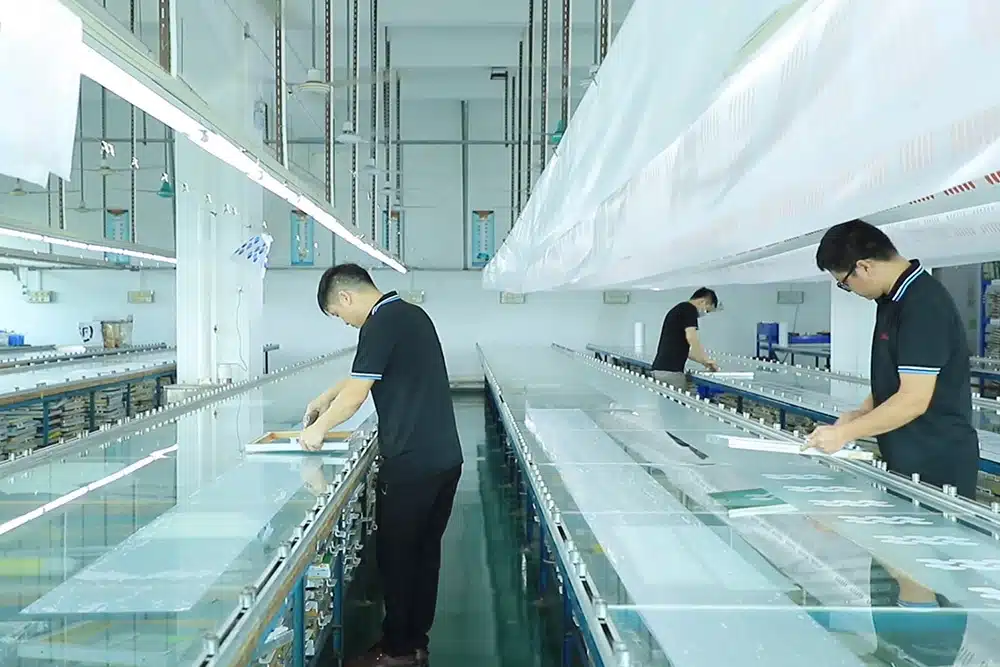
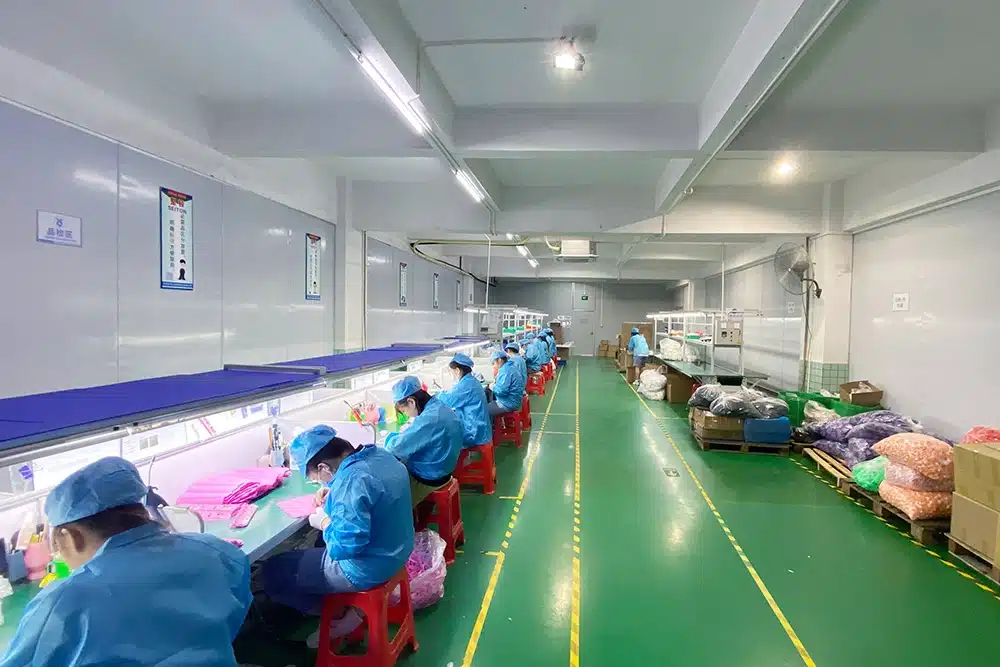
A qualified partner will have the technical know-how for the development and manufacture of custom molded silicone products, OEM/ODM development support, material selection and optimization, mold design and tooling, prototype production, compression molding, surface finishing options including silk screen printing and laser engraving, clean production environment, and well established quality system.
| Supplier Capability | Why It Matters |
| Silicone Pet Product Experience | Helps avoid design issues related to grooming, cleaning, and daily use |
| Material Selection Support | Ensures suitable silicone hardness, softness, and durability |
| In-House Mold Design | Improves bristle accuracy, texture detail, and development efficiency |
| Prototype Support | Allows buyers to test grip, comfort, and cleaning before production |
| Silicone Molding Capability | Supports stable production for detailed grooming accessories |
| Surface / Logo Options | Helps create branded private label pet care products |
| Quality Control Process | Verifies hardness, appearance, odor, dimensions, texture, and consistency |
| Clean Packaging Environment | Important for products used in pet care and cleaning routines |
| Export Experience | Supports communication, documentation, and international delivery |
Conclusion — Good Silicone Grooming Accessories Start With Functional Design
The softness of the silicone, combined with an attractive design is a great way to create a useful and attractive pet care product; however, a brand can be successful with the development of these products through more than just silicone softness and shape. Appropriate silicone hardness, comfortable to handle, stable molding, clean edges, firm grip and concept to large scale production quality control are the requirements of an excellent grooming tool.
Consumers will benefit from learning about their exact requirements, by trying some products in real life and dealing with manufacturers who know the details on pet grooming products. These will lead to better product performance, production runs and outcomes with private label and OEM projects.