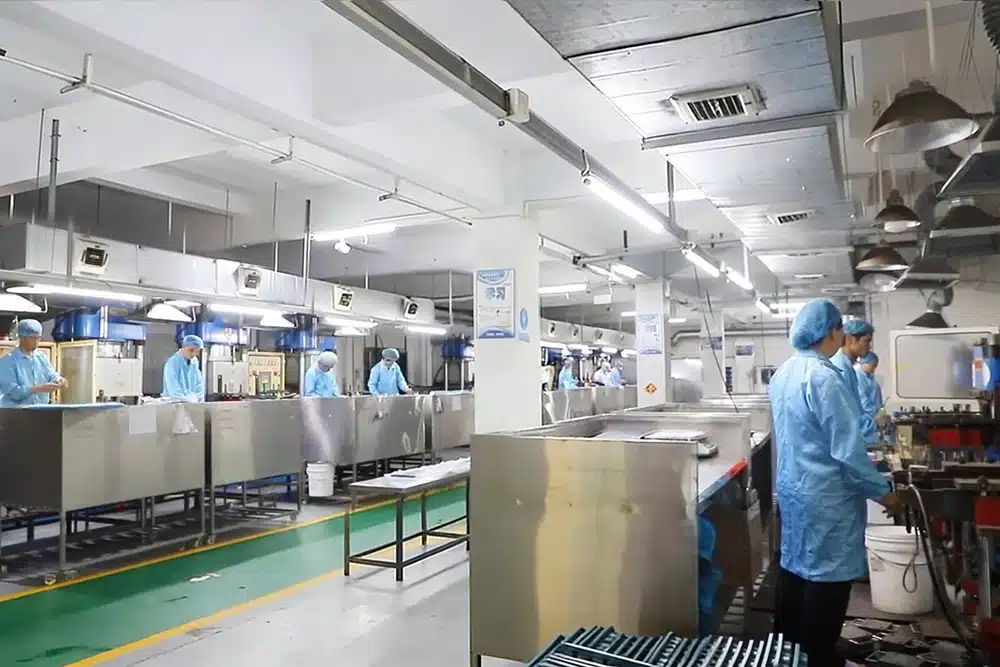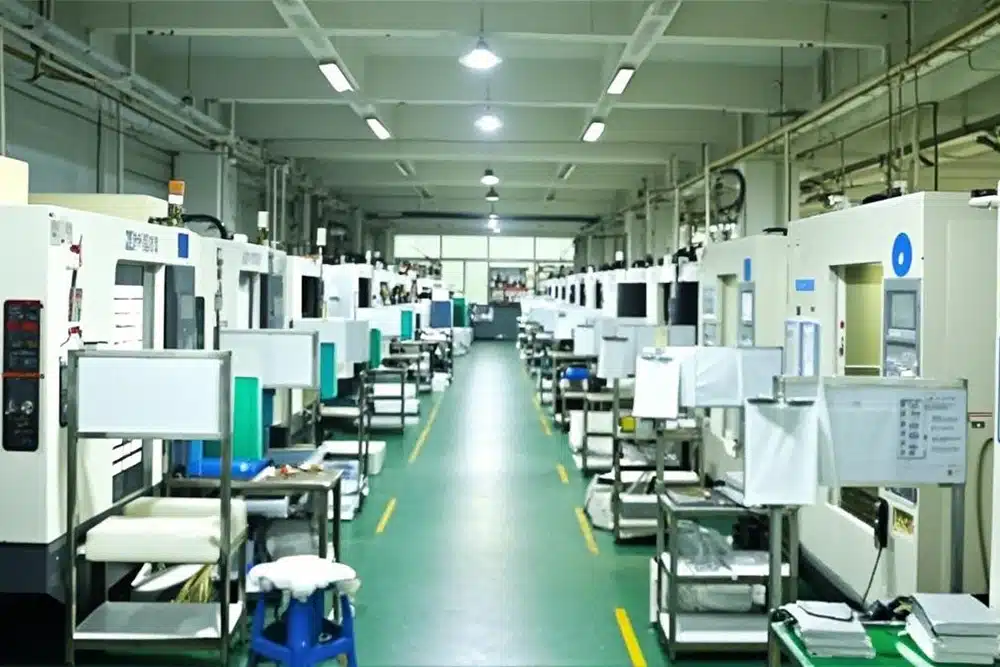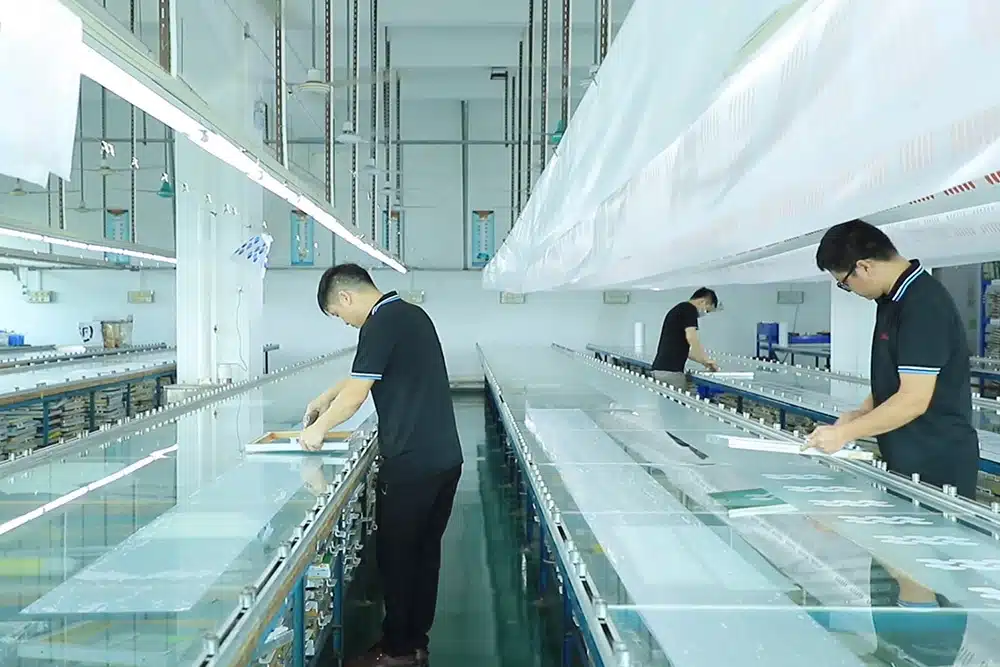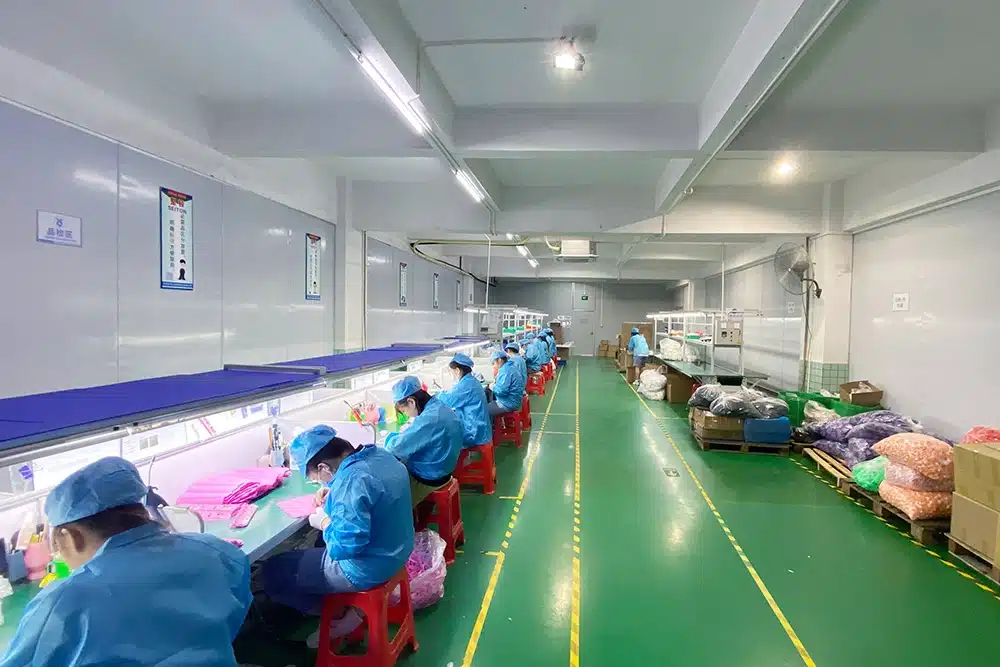

In the process of creating a new product, one of the initial and crucial choices face is whether to use custom silicone parts or off-the-shelf components. Off-the-shelf parts provide quick delivery and low initial investment, but they aren’t very well differentiated and they don’t provide a high level of fit or optimized performance. Custom silicone parts give a high level of brand differentiation, optimized performance and fit (tooling investment and longer initial lead times).
For engineers, product managers, and sourcing professionals, getting this choice right early avoids costly redesigns, performance compromises, or missed market opportunities. Before deciding, it helps to look at real custom silicone applications across different industries to see where brands choose full customization versus standard parts. We have helped hundreds of OEM and ODM projects navigate through this evaluation at Dongguan HT Silicone & Rubber Co., Ltd., taking into account technical requirements and commercial realities.
Defining the Options – What Do We Mean by “Custom” vs “Off-the-Shelf”?
Off-the-shelf silicone parts are parts that are readily available and are catalog parts like a generic gasket, O-ring, grommets, keypad, seal or simple profile made in high volume to a fixed specification. They can be purchased from several different vendors with little to no tooling fees and often the same supplier provides a fast lead time.
Unlike generic silicone parts, custom silicone parts are designed for their product. This is the design, hardness, color, texture, type of material and such additional aspects as using an integrated logo, co-molding with plastic or metal, or creating a multi-functional design. It generally requires custom mold tooling, DFM review, and sampling, and repeated trial and error.
Either approach can be used. It is not a decision based on preference between one or the other but it depends on the volume of work, performance requirement of your project, the branding that you are looking for and the timelines.
Where Each Option Is Commonly Used Today
Simple static seals in non-critical applications, initial proof of concept builds, and low volume equipment maintenance are all applications where off-the-shelf parts are commonly used.
Branded consumer goods, wearables, automotive assemblies, medical devices, kitchenware and industrial equipment are all areas where custom silicone parts are a complete winner over other types of parts when it comes to tight tolerances, ergonomic requirements, and aesthetic expectations.
Fit to Application and Performance Requirements
The basic question is: Will a standard component meet your performance requirements in your application? Sealing pressures, thermal cycling, chemical exposure, vibration, repeated flexing and dimensional considerations are all factors.
In certain cases, such as having to keep a seal while under different pressures and pressure gradients and fit into a small area, custom silicone parts can yield better outcomes than the application window. Standard parts are likely to be effective at first but can cause leaks, wear or assembly difficulties in time.
Examples Where Standard Parts Struggle
For example, a strap for a wearable device that needs to be flexible, comfortable to wear and secure on various wrist sizes. A standard strap often just isn’t that comfortable or tough.
For automotive connector boots, space constraints and close tolerances may require custom solutions that cannot be achieved with standard solutions, leading to poor IP ratings or assembly difficulties. In the same manner, a grade premium consumer electronics bumper might need a particular thin, soft design that a normal bumper cannot get without impacting the industrial design.
Design Freedom, Packaging and Brand Experience
Mechanical packaging and visual design can be restricted by off-the-shelf silicone seals and gaskets. Restricted sizes, shapes, colours and textures mean compromises may have to be made with regard to product layout and user experience.
The freedom of design is limited only by the imagination when using custom silicone parts. Undercuts, varying wall thicknesses, integrated ribs for grip and multi-material assemblies can be created. This can be especially useful for ergonomic grips, protective sleeves, buttons with tactile feedback, or elements that directly impact your brand’s luxurious tactile experience.
When Brand and User Experience Justify Custom
Custom development is important because a kitchenware brand that differentiates based on the texture and logos can make a huge difference. When employing bespoke silicone parts, a smart wearable with a distinctive strap design and harmonized color palette is the standout. In these situations, the benefits of the improved user experience and brand exposure are worth the investment.
Cost, Tooling Investment and Total Lifecycle Economics
The price of tooling for custom silicone parts is an initial investment, but customization at moderate to high volume often makes economical sense. Reduced material consumption, a simplified assembly process, lower material scrap rates and reduced failures in the field can soon pay for the mold.
In most cases, off-the-shelf parts are more cost effective for very low volumes or short runs because of no tooling and availability. The more production is scaled, the less it costs per unit as performance and/or branding becomes an important factor and tooling is amortized.
When Does Tooling Start to Make Financial Sense?
One practical rule of thumb occurs when volumes have thousand unit life and measurable performance improvements, fewer warranty claims or better market positioning. When considering the total cost of ownership, even small annual quantities of silicone parts can be more cost-effective than their custom counterparts.
Lead Time, Flexibility and Project Risk
Off-the-shelf products are the easiest to prototype and produce. But in exchange, you will have no control over the parts you are using, there is a risk that the part may be discontinued by the supplier, and you will have limited customization options.
Custom projects can be longer lead times projects because it takes longer for the design to be validated, tooling, and sampling, but provides more control and consistency over the supply chain in the long run. The fundamental to manage risk is the structured development process.
De-risking Custom Projects Through Proper Development Phases
The seasoned manufacturers guide the projects as a clear procedure that includes the requirement definition, DFM review, prototype or soft tooling, validation testing and production tooling. This structured approach avoids surprises and ensures that timelines are consistent.
Quality, Reliability and Regulatory Requirements
Certain industries mandate specific silicone components that need to comply with specific performance, documentation, and traceability requirements. Commodore parts might not have the required materials certifications, batch tracking or manufacturing controls for medical, food contact or automotive applications.
When Standard Components Are Not Enough for Compliance
When medical devices must be fully biocompatible, for ISO-class production, or food-grade products must have certified formulations of the material, custom solutions are usually required. Using a generic datasheet may lead to compliance issues that are hard to resolve.
Scenarios Where Off-the-Shelf Silicone Components Make Sense
For a lot of the applications, the standard parts are still the best option. Catalog components are fast and easy to use and are ideal for single prototypes, in-house test equipment, low-volume replacement parts, non-critical seals in controlled environments and short run projects.
How to Choose the “Best Available” Standard Part
Try to match dimensions and material properties as closely as possible, check hardness and temperature specifications and always test fit and function in your actual prototype assembly. This practical validation helps to prevent downstream problems.
Scenarios Where Custom Silicone Parts Clearly Win
Custom solutions are ideal for long-run branded consumer products, applications with strict packaging requirements, complex movement interfaces, or applications that have high failure costs. They also work well in situations where user experience, appearance, or regulatory regulations mandate exactness.
Decision Patterns That Point to Custom
Some of the typical symptoms are the constant modification of performance due to the parts available, industrial design restrictions due to parts catalogs, or rescaling of a product where its consistent branded parts offer competitive edge.
How to Decide for Your Application – A Simple Checklist
Check your project using this checklist:
- What will be the expected volume of production and product life?
- What are the special or challenging demands for the performance (sealing, comfort, grip, temperature, chemical resistance)?
- Is branding, touch or look an important factor?
- Do you have regulatory or compliance requirements?
- What level of freedom is there in the design and integration?
- A sincere response to these questions typically makes it easier to determine which is the right way to go.
Partnering with an OEM/ODM of Silicones to get on the Right Path
Working with a Silicone OEM/ODM Partner on the Right Path
Customization is justified, and the project is organized in logical steps, incorporating DFM input and clear cost analysis, to ensure minimal risk and maximum performance and brand impact.
As with all custom silicone components, the objective is the same – to provide you with dependable silicone solutions for your product that will help it be successful, whether you require the quick availability of off-the-shelf parts or thorough custom development.